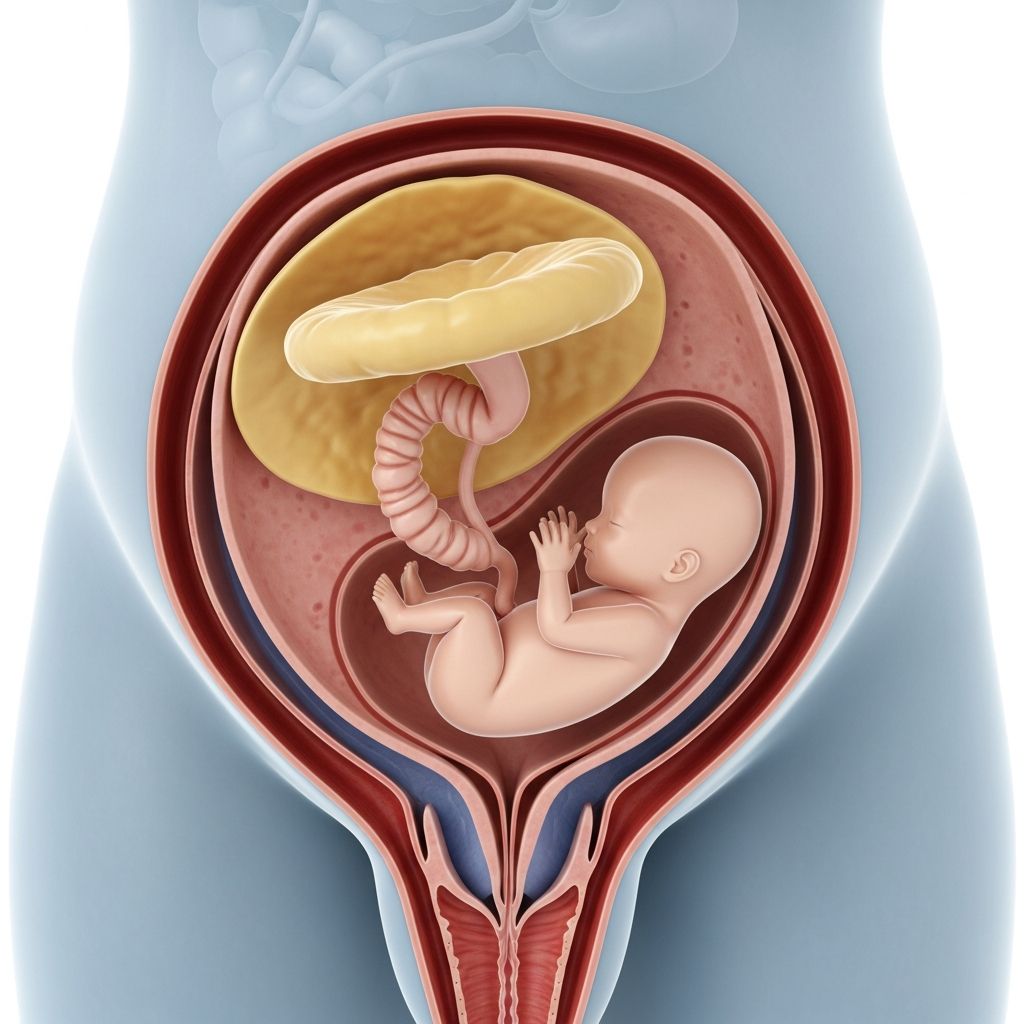
The placenta plays a vital role in nourishing the fetus, and its position can influence how pregnancy progresses. An **anterior placenta** develops on the front wall of the uterus, acting as a protective layer between the baby and the abdominal wall. This positioning is common and typically harmless, occurring in up to half of all pregnancies.
Placental Development Basics
During early pregnancy, the fertilized egg implants into the uterine lining, triggering placenta formation at that site. This organ, rich in blood vessels, facilitates the exchange of oxygen, nutrients, and waste between mother and baby via the umbilical cord. Possible implantation sites include the front (anterior), back (posterior), top (fundal), or sides (lateral) of the uterus.
An anterior placenta forms when implantation occurs on the anterior uterine wall, closest to the mother’s belly. Unlike more typical posterior placements, it creates a cushioning effect, which may subtly alter pregnancy sensations.
How Common Is an Anterior Placenta?
Statistics indicate that anterior placentas are prevalent, affecting approximately 50% of pregnancies. Some research suggests links to factors like O-positive blood type or stomach sleeping at conception, though evidence remains preliminary.
- Prevalence: Up to 50% of cases.
- Detection Timing: Usually identified at 18-21 weeks via ultrasound.
- No Controlled Cause: Position depends solely on implantation site.
Recognizing Signs and Symptoms
Most women with an anterior placenta experience no unique symptoms. The primary effects stem from its location:
- Delayed fetal kick sensation, often until 24-28 weeks, as the placenta buffers movements.
- Difficulty detecting heartbeat with Doppler devices early on.
- Potential for back labor if baby positions with back against the mother’s spine (occiput posterior).
Absence of bleeding distinguishes it from complications like placenta previa. Routine monitoring ensures all progresses normally.
Diagnostic Process
Healthcare providers confirm placental position through mid-pregnancy ultrasound (anatomy scan) around weeks 18-22. This non-invasive imaging visualizes the placenta’s attachment and rules out low-lying positions.
Follow-up scans may occur if initial findings suggest risks, tracking growth as the uterus expands. The placenta can shift slightly upward with uterine stretching, reducing concerns over time.
| Ultrasound Milestone | Purpose | Typical Week |
|---|---|---|
| Mid-Pregnancy Scan | Placenta location, fetal anatomy | 18-22 |
| Follow-Up Scan | Monitor position, growth | 32-36 if needed |
| Doppler Check | Heartbeat, blood flow | Ongoing |
Potential Risks and Complications
Generally benign, anterior placenta rarely leads to issues. However, vigilance is key:
- Placenta Previa Risk: If low-lying, it may cover the cervix, causing bleeding; affects 1 in 200 pregnancies, often resolving by third trimester.
- Delivery Impacts: Higher chance of cesarean if previa persists; possible prolonged labor from fetal positioning.
- Testing Challenges: Amniocentesis may be trickier due to front positioning.
No evidence shows harm to fetal development or oxygen supply. Regular prenatal visits mitigate rare concerns.
Comparing Placenta Positions
| Position | Location | Fetal Movement Feel | Heartbeat Detection | Common Risks |
|---|---|---|---|---|
| Anterior | Front wall | Later (20-28 weeks) | Harder early | Back labor possible |
| Posterior | Back wall | Earlier (16-22 weeks) | Easier | Minimal |
| Fundal | Top | Moderate | Standard | Low |
| Lateral | Side | Variable | Standard | Low |
Anterior placements do not impair placental function but influence sensory experiences.
Pregnancy Management Strategies
Care mirrors standard protocols with added awareness:
- Movement Tracking: Start formal kick counts later; consult provider if concerned post-28 weeks.
- Positioning Aids: Lie on your side to feel movements better.
- Monitoring Frequency: Extra ultrasounds if previa suspected.
- Lifestyle Tips: Maintain nutrition, avoid smoking to support placental health.
Discuss pains or bleeding immediately, as they signal unrelated issues.
Impact on Labor and Delivery
Anterior placenta itself does not dictate delivery mode. Key factors:
- Vaginal Birth: Feasible unless previa or malposition intervenes.
- C-Section Likelihood: Elevated only with complications like previa.
- Back Labor: Manage with positioning, epidurals; baby often rotates during descent.
Post-delivery, the placenta detaches naturally. Anterior position may prolong third stage slightly, but outcomes remain excellent.
Daily Life Adjustments for Expectant Mothers
Embrace the journey with these tips:
- Focus on overall wellness: balanced diet, hydration, gentle exercise like walking or prenatal yoga.
- Use apps for movement logging once kicks are felt.
- Join support groups for shared experiences.
- Prepare mentally for varied sensations compared to prior pregnancies.
Partner involvement in monitoring enhances reassurance.
Expert Insights from Medical Authorities
Leading organizations affirm anterior placenta’s normalcy. Cleveland Clinic notes it as a ‘cushion’ with no functional deficits. Tommy’s emphasizes it’s not low-lying and poses no inherent concern. Baptist Health highlights diagnostic timing for peace of mind.
Frequently Asked Questions About Anterior Placenta
Does an anterior placenta harm my baby?
No, it functions fully, providing all necessary support without risk to development.
When will I feel my baby move with an anterior placenta?
Typically later, around 24 weeks, due to the cushioning effect.
Is anterior placenta the same as placenta previa?
No, previa involves cervical coverage; anterior is front wall only.
Can I have a vaginal delivery?
Yes, unless complications like previa arise.
Should I worry if I can’t hear the heartbeat early?
Not usually; ultrasound confirms all is well.
Does placenta position affect pregnancy tests?
Rarely; anterior may complicate some invasive procedures.
This comprehensive guide empowers expectant parents with knowledge. Always consult your obstetrician for personalized advice.
References
- Anterior Placenta: Is it a Cause for Concern? — Tommy’s. 2023. https://www.tommys.org/pregnancy-information/im-pregnant/anterior-placenta
- What Is an Anterior Placenta During Pregnancy? — WebMD. 2023. https://www.webmd.com/baby/what-is-an-anterior-placenta-during-pregnancy
- What is Anterior Placenta? — Baptist Health. 2024. https://www.baptisthealth.com/care-services/conditions-treatments/anterior-placenta
- Anterior Placenta: What It Means, Diagnosis & Complications — Cleveland Clinic. 2024-01-22. https://my.clevelandclinic.org/health/diseases/23306-anterior-placenta
- Symptoms and Diagnosis of Anterior Placenta in Pregnancy — Bocah Indonesia. 2023. https://bocahindonesia.com/en/the-importance-of-understanding-anterior-placenta-in-pregnancy/
- Difference Between Anterior And Posterior Placenta — Medanta. 2023. https://www.medanta.org/patient-education-blog/difference-between-anterior-and-posterior-placenta