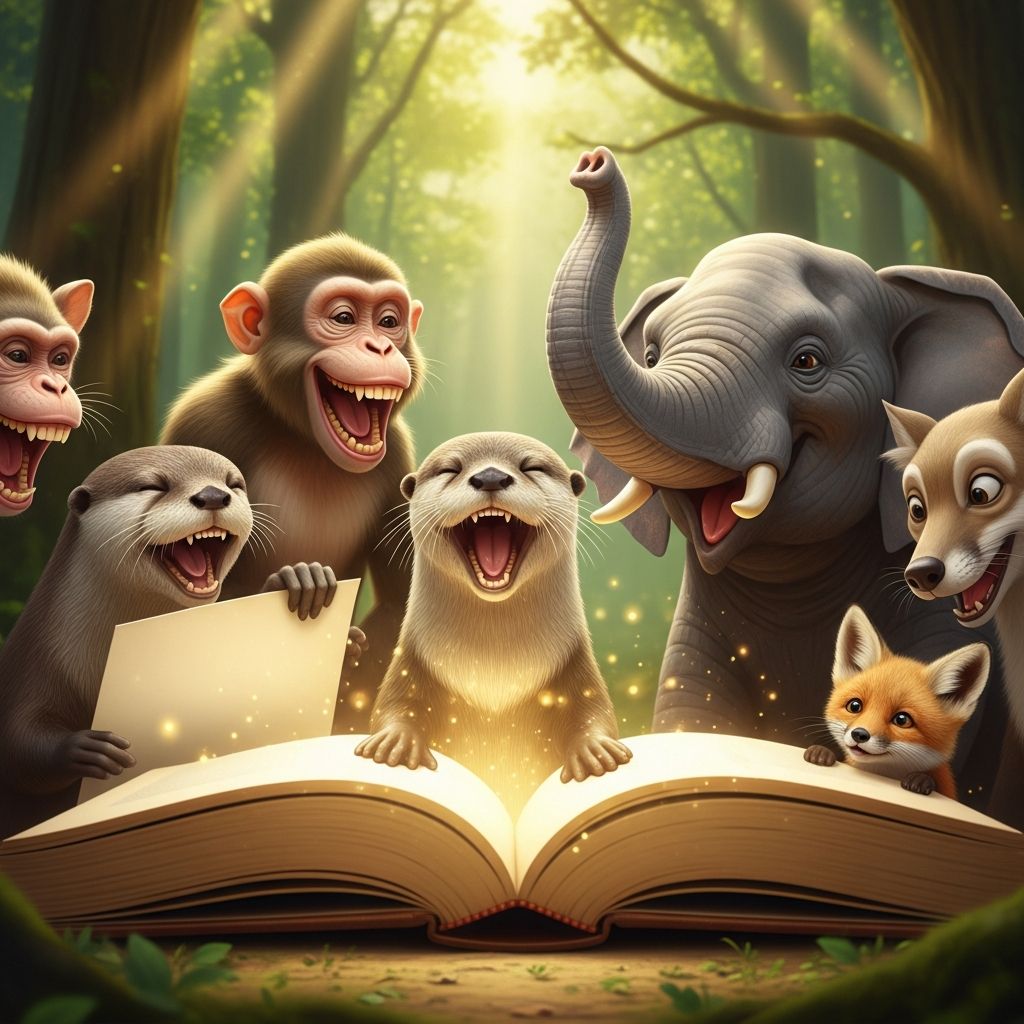
Humor serves as a universal language that connects people across ages and backgrounds. When that humor centers on animals, it becomes particularly effective for younger audiences who naturally love creatures of all kinds. Whether you’re a parent seeking ways to brighten your child’s day, an educator looking to inject levity into your classroom, or simply someone who enjoys wordplay, animal-themed jokes and puns offer endless entertainment possibilities. These clever quips combine linguistic creativity with relatable subject matter, making them ideal for shared laughter among family members and friends.
The Appeal of Animal-Based Comedy
Animal humor has remained a cornerstone of children’s entertainment for generations. The reason is straightforward: children develop connections with animals from infancy through books, television programs, and real-world encounters. By weaving animal characters into comedic scenarios, joke-tellers tap into this existing familiarity and affection. The playful nature of animals themselves—their distinctive sounds, peculiar behaviors, and varied characteristics—provides abundant material for creative wordplay and situational humor.
Puns, in particular, exploit the multiple meanings of words or similar-sounding phrases, creating unexpected twists that delight audiences. When applied to animals, these linguistic tricks become especially memorable because they combine intellectual surprise with entertaining subject matter. A well-crafted animal pun can elicit groans and giggles simultaneously, making it a timeless form of family-friendly entertainment.
Canine Comedy: Tales of Man’s Best Friend
Dogs occupy a special place in household humor, likely because of their prominence in family life and their undeniable charm. Numerous jokes capitalize on canine characteristics and behaviors, transforming ordinary dog traits into comedic gold.
- The relationship between dogs and their physical features generates consistent humor. References to their tails, their tendency to chase things, and their various vocalizations all serve as springboards for jokes that children easily understand and remember.
- Dog-related puns frequently involve homophone wordplay or double meanings. Terms like “collar” and “hot dog” become opportunities for creative linguistic twists that appeal to audiences beginning to develop their understanding of language nuances.
- Behavioral jokes about dogs provide opportunities for situational comedy. Scenarios involving what dogs might say, where they might go, or how they might react to everyday situations create relatable humor that resonates across age groups.
Feline Follies: Purr-fect Comedic Material
Cats, with their independent personalities and distinctive behaviors, inspire a unique category of animal humor. Cat jokes often exploit the feline tendency toward aloofness, their hunting instincts, and their vocal characteristics.
Puns involving cats frequently center on the word “purr,” which offers numerous possibilities for creative wordplay. Additionally, jokes about cats and their various activities—eating, sleeping, chasing—provide material that cat owners and lovers immediately appreciate. The dual nature of cats as both affectionate companions and aloof hunters creates comedic tension that humorous observations can effectively highlight.
Barnyard Banter: Domestic Farm Animals
Farm animals have provided comedic material for centuries, partly because their sounds, behaviors, and products offer rich material for jokes and puns. Cows, chickens, horses, pigs, and sheep each contribute their own flavor to animal humor.
Bovine Brilliance
Cow jokes excel at combining physical descriptors with wordplay. Hooves versus feet becomes an opportunity for lactose-related puns. The bovine propensity for gathering and their association with pastoral settings creates scenarios perfect for humor. Additionally, products associated with cows—milk, dairy items—expand the range of possible comedic angles.
Equine Entertainment
Horses generate humor through their distinctive sounds, their role as “neighbors,” and their association with various cultural references. The whinnying sound horses produce and the word “neigh” create obvious but effective pun opportunities. Jokes about horses and their behaviors, combined with wordplay possibilities, make equine humor particularly versatile.
Porcine Punchlines
Pigs inspire humor through their association with laziness and mud, their curly tails, and various cultural references. Wordplay involving “pork,” “sty,” and pig-related terminology offers multiple comedic pathways. Situational humor about pig behavior and pig-related scenarios complements the pun-based jokes, creating comprehensive entertainment options.
Aquatic Adventures: Water-Dwelling Wit
Fish and other water creatures offer distinctive opportunities for humor, partly because their aquatic nature creates scenarios and wordplay possibilities unlike land-based animals.
- Fish intelligence jokes frequently reference the fact that fish live in schools, creating obvious but effective educational humor.
- Saltwater versus freshwater distinctions provide material for jokes explaining animal behaviors through comedic logic.
- Water-related scenarios and swimming situations create situational humor that audiences find accessible and entertaining.
- Fish-specific vocabulary offers wordplay opportunities, particularly involving terms related to water, swimming, and ocean-themed concepts.
Forest Dwellers and Woodland Creatures
Animals inhabiting forests and woodlands bring distinct characteristics and behaviors to comedic scenarios. These creatures often possess more unusual or specialized traits compared to common domesticated animals, making their humor somewhat fresher and more surprising.
Woodland creatures like bears, deer, owls, squirrels, and rabbits each contribute unique material. Bears and their hibernation patterns, owls and their vocalizations, squirrels and their collecting instincts—each animal possesses distinctive traits that become fodder for humor. Forest-dwelling animals also benefit from association with nature-based settings and scenarios, which can enhance the comedic context of jokes centered on them.
Exotic and Unusual Creatures
Beyond domestic and common animals lie more exotic creatures that generate particularly creative and surprising humor. Elephants, lions, snakes, monkeys, and other wild animals offer material that feels fresher because encounters with these creatures are less frequent for most audience members.
Exotic animal jokes often rely on distinctive characteristics that make these creatures unique—an elephant’s size, a snake’s slithering movement, a monkey’s intelligence and agility. Wordplay involving names of exotic animals often proves particularly effective, as audience members frequently recognize the opportunities for linguistic creativity once they hear the setup.
The Educational Value of Animal Humor
Beyond entertainment value, animal jokes and puns serve genuine educational purposes in classroom and home environments. These humorous expressions help children develop:
- Language comprehension skills through exposure to multiple word meanings and homophone recognition
- Critical thinking abilities as children recognize the linguistic tricks underlying puns and wordplay
- Memory retention through the entertaining delivery method of humor, which naturally aids recall
- Social bonding experiences when sharing laughter together creates positive associations with communication and connection
- Confidence in verbal expression as children learn and share jokes with peers, developing communication skills in enjoyable contexts
Using Animal Humor in Different Settings
Classroom Applications
Educators can incorporate animal jokes strategically into learning environments to create moments of levity that enhance retention and engagement. Morning meetings, transition times between subjects, and reward systems all benefit from injections of animal humor. When used appropriately, these jokes help create positive classroom atmospheres while reinforcing language skills.
Family Entertainment
Parents and caregivers can use animal jokes as bonding tools during meals, car rides, and family gatherings. Encouraging children to learn and share jokes develops their confidence and communication abilities while creating shared memories around laughter.
Social Interaction Enhancement
Children can use animal jokes as social currency with peers, helping them develop friendships and social confidence. The ability to tell a good joke represents a valuable social skill that extends well into adulthood.
Crafting and Creating Original Animal Humor
While enjoying existing animal jokes provides entertainment, creating original humor develops creative thinking skills. The process of generating new animal jokes involves:
- Identifying animal characteristics that could be misinterpreted or applied in unexpected ways
- Recognizing words associated with animals that have multiple meanings or sound like other words
- Combining knowledge about animal behaviors with abstract concepts to create surprising connections
- Testing jokes with audiences to determine which constructions generate the most effective humor responses
Why Animal Humor Endures
Animal jokes remain perpetually popular because they connect with fundamental aspects of human experience and development. Animals feature prominently in children’s literature, media, and imagination, making them natural subjects for humor. Additionally, the limitless combinations of animal characteristics, behaviors, and word associations ensure that new jokes can continually be created, preventing the category from ever becoming exhausted.
The universal appeal of animals across cultures and age groups means that animal humor transcends typical demographic boundaries. Whether delivered to five-year-olds or fifty-year-olds, well-crafted animal jokes generate smiles and laughter through their clever combinations of wordplay and relatable subject matter.
Frequently Asked Questions
At what age do children typically start understanding animal puns and wordplay?
Children generally begin grasping basic wordplay around ages four to five, though sophisticated pun appreciation typically develops around ages six to eight as language skills advance. Younger children often enjoy animal jokes based on silly scenarios and sounds before they fully comprehend linguistic wordplay.
How can I help my child share jokes effectively with others?
Encourage practice by having your child tell jokes in low-pressure environments first. Teach them about timing, pacing, and the importance of the punchline delivery. Positive reinforcement when they successfully make others laugh builds confidence and encourages continued development of this social skill.
Are animal jokes appropriate for all classroom settings?
Most animal jokes are indeed classroom-appropriate, as they typically avoid sensitive topics. However, educators should preview jokes to ensure they align with their specific classroom culture and age group appropriateness. Clean, silly humor generally works best in educational environments.
Can animal humor help children with language learning?
Yes, animal jokes can effectively support language development by exposing children to multiple word meanings, homophones, and linguistic patterns in entertaining contexts. This playful language exposure reinforces vocabulary retention and grammatical understanding.
How do puns differ from other types of animal jokes?
Puns rely on multiple word meanings or similar-sounding words to create humor, while other animal jokes might depend on situational comedy, misunderstandings, or exaggeration. Puns represent a specific linguistic technique within the broader category of animal humor.
Conclusion
Animal jokes and puns represent far more than simple entertainment. They serve as bridges connecting children with language development, social skill building, and shared family moments. Whether featuring familiar household pets or exotic jungle creatures, animal humor continues to delight audiences across generations. The endless possibilities for wordplay, situational comedy, and clever observations about animal characteristics ensure that animal humor will remain a cherished form of family and classroom entertainment for years to come.
References
- Animal Jokes and Puns for Kids, Parents, and Teachers — Fatherly. Retrieved from https://www.fatherly.com/entertainment/64-animal-jokes-and-animal-puns-for-kids-parents-and-teachers
- Forest Animals Puns and Jokes for Kids — Itsy Bitsy Fun. Retrieved from https://www.itsybitsyfun.com/blog/forest-animals-puns-and-jokes-for-kids/
- 101 Hoot-larious Animal Jokes — We Are Teachers. Retrieved from https://www.weareteachers.com/animal-jokes-for-kids/
- Animal Jokes for Kids Printable — Scholastic. Retrieved from https://www.scholastic.com/content/dam/parents/migrated-assets/printables/pdfs/Animal-Jokes-for-Kids-Printable.pdf
- 250+ Jokes for Kids to Spark a Laugh — Ranger Rick. Retrieved from https://rangerrick.org/games-jokes/jokes/