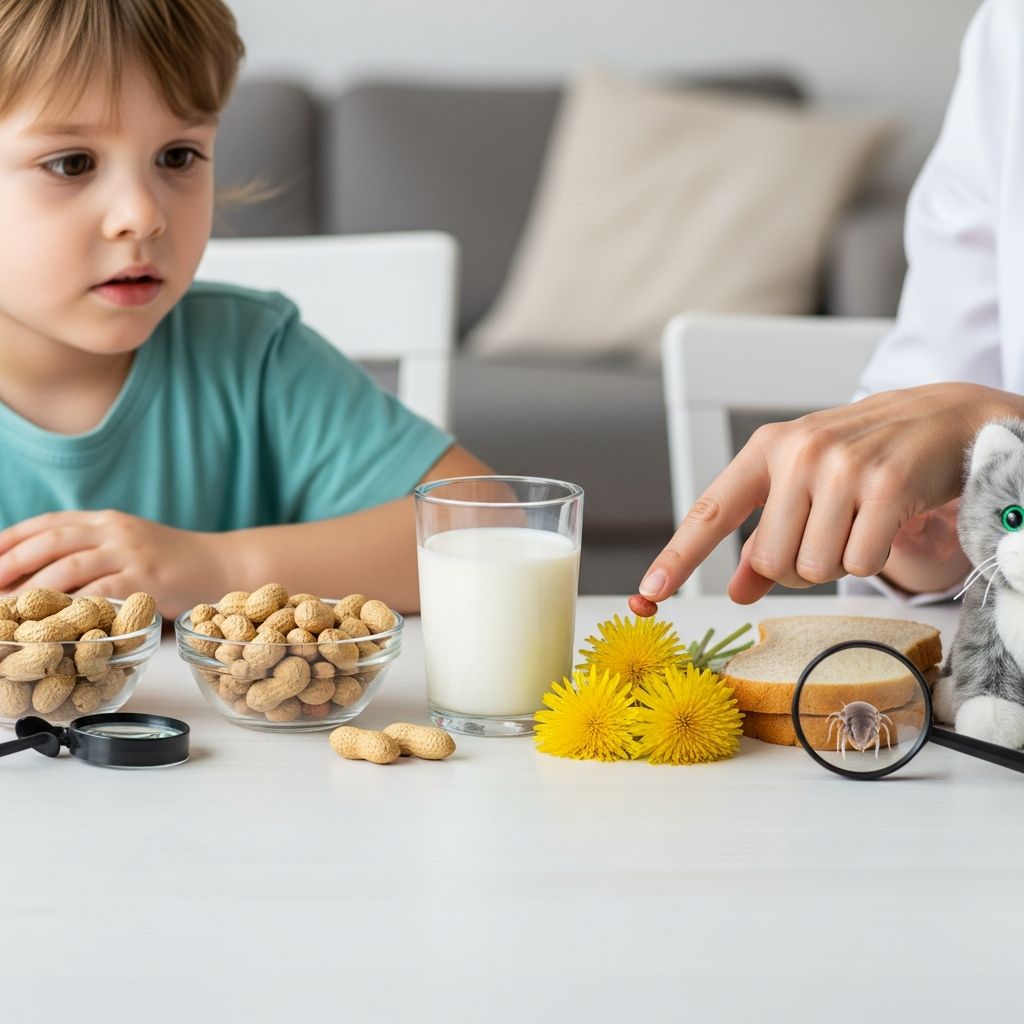
Allergic reactions in children can range from mildly annoying to life-threatening, and they often start suddenly and without much warning. Understanding how allergies work, what symptoms to watch for, and how to act quickly can make an enormous difference in your child’s safety and comfort. This guide walks you through the essentials so you can feel more prepared and confident.
Understanding Allergies in Children
An allergy happens when a child’s immune system mistakes a harmless substance for a serious threat and reacts strongly against it. Instead of ignoring things like pollen, certain foods, or insect stings, the body releases chemicals that cause symptoms such as hives, swelling, or breathing problems.
Allergic reactions can appear minutes or even hours after exposure, and the same child may have mild symptoms one time and a more severe reaction another time. Because reactions are not always predictable, prevention, early recognition, and clear action steps are critical.
Common Allergy Triggers in Kids
Almost anything can trigger an allergy, but some causes appear much more often in childhood. Knowing your child’s likely triggers helps you spot patterns and take steps to avoid them.
- Foods: Milk, eggs, peanuts, tree nuts (such as walnuts and cashews), soy, wheat, fish, and shellfish are among the most frequent food triggers in children.
- Insect stings: Bees, wasps, hornets, and fire ants can cause serious reactions in sensitive children.
- Medications: Some antibiotics, pain relievers, and other medicines may provoke allergic reactions.
- Environmental allergens: Pollen, dust mites, mold, pet dander, and cockroaches can trigger sneezing, runny nose, and eye symptoms.
- Skin contact triggers: Soaps, detergents, fragrances, metals (like nickel), and certain plants can cause rashes or itching when they touch the skin.
How Allergic Reactions Happen
When a child with an allergy is exposed to a trigger, the immune system produces antibodies that treat the substance as dangerous. These antibodies cause cells to release chemicals like histamine, which leads to itching, swelling, and other allergy symptoms.
In mild reactions, these changes are limited to one area, such as a patch of hives or an itchy rash. In more serious reactions, many body systems are involved, causing symptoms in the skin, lungs, gut, and circulation all at once.
Signs of Mild to Moderate Allergic Reactions
Not every reaction is an emergency, but mild and moderate symptoms should still be taken seriously, especially if they are new, worsening, or linked to a known severe allergy. Parents should watch for:
- Itchy skin, red patches, or hives on part of the body
- Mild swelling of the lips, eyelids, or face
- Itchy, watery, or red eyes
- Sneezing, runny or stuffy nose, or an itchy nose
- Mild stomach discomfort, like nausea or a single episode of vomiting
- General itchiness without obvious rash
Children may describe symptoms in simple terms such as “my mouth feels funny” or “my tongue is tingly,” so listening closely to how they describe discomfort is important.
Warning Signs of a Severe Reaction (Anaphylaxis)
Anaphylaxis is a sudden, severe allergic reaction that can be life-threatening and requires immediate emergency care. Knowing the serious warning signs helps parents act without delay.
- Difficulty breathing, noisy breathing, or wheezing
- Swelling of the tongue, lips, throat, or face
- Trouble speaking or a tight feeling in the throat
- Widespread hives or redness, especially if accompanied by other symptoms
- Repeated vomiting, severe stomach cramps, or diarrhea after exposure to an allergen
- Dizziness, fainting, confusion, or very pale, limp appearance
- Rapid, weak pulse or feeling that “something really bad is happening”
Any breathing difficulty, throat tightness, or combination of symptoms involving different body systems (such as rash plus vomiting plus dizziness) should be treated as a possible anaphylactic emergency.
Quick Action Steps: Is It Mild or Severe?
Parents often struggle to decide whether a reaction is mild enough for home care or serious enough for emergency treatment. The table below summarizes a general approach, but always follow your child’s specific allergy action plan if one has been provided.
| Type of reaction | Typical signs | What parents can do |
|---|---|---|
| Mild | Small patch of hives, mild itch, slight runny nose, no breathing problems | Remove or stop exposure, watch closely, give allergy medicine if recommended by the child’s doctor, and monitor for worsening symptoms. |
| Moderate | More widespread rash, mild swelling, or stomach discomfort without breathing difficulty | Follow the child’s care plan, give prescribed medicines, and contact the doctor for advice. Seek urgent care if symptoms spread or intensify. |
| Severe (possible anaphylaxis) | Breathing trouble, throat tightness, tongue or facial swelling, repeated vomiting, dizziness, or collapse | Use epinephrine if available and immediately call emergency services. Do not wait to see if symptoms improve on their own. |
First Aid for Mild Allergic Reactions
For mild symptoms that do not affect breathing or circulation, home care may be appropriate, especially if your child’s doctor has outlined a plan. Keep a record of what your child ate, touched, or was exposed to, as this may help identify the trigger later.
- Remove the suspected allergen when possible (for example, wash off a skin product or stop a particular food).
- Use cool compresses or a cool bath to ease itching and skin irritation.
- Give over-the-counter allergy medicine only if your child’s health provider has approved it and the product is appropriate for your child’s age and weight.
- Watch your child closely for any chest tightness, swelling of the face or tongue, or changes in behavior or alertness.
Emergency Response for Severe Reactions
When symptoms suggest anaphylaxis, every minute matters. The safest approach is to treat first and seek help immediately rather than waiting to see if symptoms get worse.
- Use epinephrine right away if your child has a prescribed auto-injector and severe symptoms such as trouble breathing, swelling of the mouth or throat, or multiple symptoms affecting different parts of the body.
- Call emergency services immediately after giving epinephrine or if you suspect a serious allergic reaction and do not have epinephrine available.
- Position your child safely: Have your child lie flat with legs raised unless they are vomiting or having trouble breathing, in which case they may be more comfortable on their side or in a sitting position.
- Do not give food or drink while your child is having breathing problems or is drowsy, to reduce the risk of choking.
- Be prepared to repeat epinephrine if your child’s doctor has instructed you to do so and emergency help has not yet arrived, typically after a set interval and only with medical guidance.
Medications Commonly Used for Allergic Reactions
Several types of medicines are used to manage allergic reactions in children, but they do not all work in the same way. Parents should always ask their child’s doctor which medications are appropriate and under what circumstances to use them.
- Antihistamines: These medicines block histamine, which helps reduce itching, hives, and sneezing. They are useful for many mild reactions but are not a substitute for epinephrine during anaphylaxis.
- Epinephrine (adrenaline): This is the first-line treatment for severe allergic reactions affecting breathing or circulation. It acts quickly to open airways, raise low blood pressure, and slow dangerous swelling.
- Corticosteroids: In some cases, a doctor may prescribe short-term steroids to help calm serious inflammation and reduce the chance of lingering or delayed symptoms.
- Bronchodilators: Children with asthma and allergies may use inhaled medicines that relax the muscles around the airways to ease wheezing and shortness of breath.
After a Reaction: What Parents Should Do Next
Once your child is safe and stable, the next steps focus on understanding what happened and reducing the chance of future reactions. Even a mild reaction should be mentioned at the next doctor’s visit, especially if the trigger is unknown or your child has other allergic conditions.
- Write down everything your child ate, touched, or took as medicine in the hours before the reaction.
- Keep photos of rashes or swelling, as these can help health professionals understand the reaction.
- Schedule a follow-up visit with your child’s doctor or an allergy specialist to discuss testing, treatment, and prevention options.
Role of Allergy Testing and Specialist Care
Allergy testing can help identify the substances that trigger your child’s reactions, especially when the cause is not obvious or when reactions are severe. Depending on your child’s history, a specialist may suggest skin tests, blood tests, or supervised food challenges.
An allergist can also help you develop a clear action plan, decide whether your child needs an epinephrine auto-injector, and explore options such as allergy shots or other long-term treatments for certain conditions.
Day-to-Day Prevention Strategies
Preventing allergic reactions starts with limiting exposure to known triggers, but it also involves building routines and habits that make accidental exposures less likely. Parents, caregivers, and older children can work together to create a safer environment.
- Read labels carefully on packaged foods and household products.
- Teach children not to share food, drinks, or eating utensils at school or social events.
- Inform caregivers, teachers, coaches, and relatives about your child’s allergies and provide written instructions.
- Use dust-mite covers, regular washing, and other environmental controls if your child has indoor allergies.
- Keep prescribed medicines, including epinephrine, in places that are easy to access in an emergency.
Helping Your Child Cope Emotionally
Living with allergies can be stressful for children, who may feel different from their peers or scared after a serious reaction. Open conversations and supportive routines can reduce anxiety and help them feel more in control.
- Explain allergies in age-appropriate language, focusing on what your child can do rather than only what is off-limits.
- Practice role-playing how to speak up about allergies with teachers or friends.
- Involve children in safe food choices and planning so they feel included rather than excluded.
Building a Family Allergy Action Plan
An allergy action plan is a written guide that spells out what to do if your child is exposed to a trigger and starts to have symptoms. Having this plan in place helps everyone respond quickly and consistently, even in stressful situations.
- Work with your child’s doctor to create a plan that lists your child’s triggers, typical symptoms, and clear steps for mild and severe reactions.
- Include medication instructions, such as when to use antihistamines, when to give epinephrine, and when to call emergency services.
- Share copies with schools, childcare providers, sports teams, and any regular caregivers.
- Review the plan regularly and update it if your child’s symptoms or treatments change over time.
Frequently Asked Questions About Allergic Reactions in Children
Can a mild allergy suddenly become severe?
Yes. A child who has had only mild symptoms in the past may still experience a severe reaction in the future, especially if the exposure is larger or combined with other factors such as exercise or illness. This is why many children with food, insect, or medication allergies are prescribed epinephrine, even if earlier reactions seemed minor.
How can I tell if it is an allergy or a virus?
Allergies and viral infections can cause similar symptoms like a runny nose or cough, but there are useful clues. Allergies often cause itchy eyes, sneezing, and symptoms that appear quickly after exposure to a trigger, and they do not cause fever. Viruses are more likely to cause body aches, sore throat, fever, and symptoms that build gradually and resolve after several days.
Should my child avoid all nuts if they are allergic to just one type?
This depends on your child’s specific allergy pattern and test results. Some children react to only one nut, whereas others have sensitivities to several. Because nut allergies can be serious, decisions about which foods are safe should be made together with an allergist, who can guide you through testing and safe introduction or avoidance strategies.
When should my child carry an epinephrine auto-injector?
Children with a history of anaphylaxis or with allergies known to cause severe reactions, such as certain food or insect venom allergies, are often advised to have epinephrine available at all times. Your child’s doctor will recommend when and how many devices to keep at home, at school, and during activities away from home.
Can children outgrow allergies?
Some allergies, such as those to milk and eggs, may improve or disappear as children grow older, while others, like peanut or tree nut allergies, are more likely to persist. Regular follow-up with an allergy specialist can help track your child’s progress and decide if and when retesting or food challenges are appropriate.
Key Takeaways for Parents
Allergic reactions in children can be frightening, but preparation greatly improves safety. Learn your child’s triggers, recognize both mild and severe symptoms, keep recommended medicines on hand, and make sure anyone who cares for your child knows what to do in an emergency.
With clear communication, a thoughtful action plan, and support from your child’s healthcare team, your family can manage allergies confidently and allow your child to participate fully and safely in daily life.