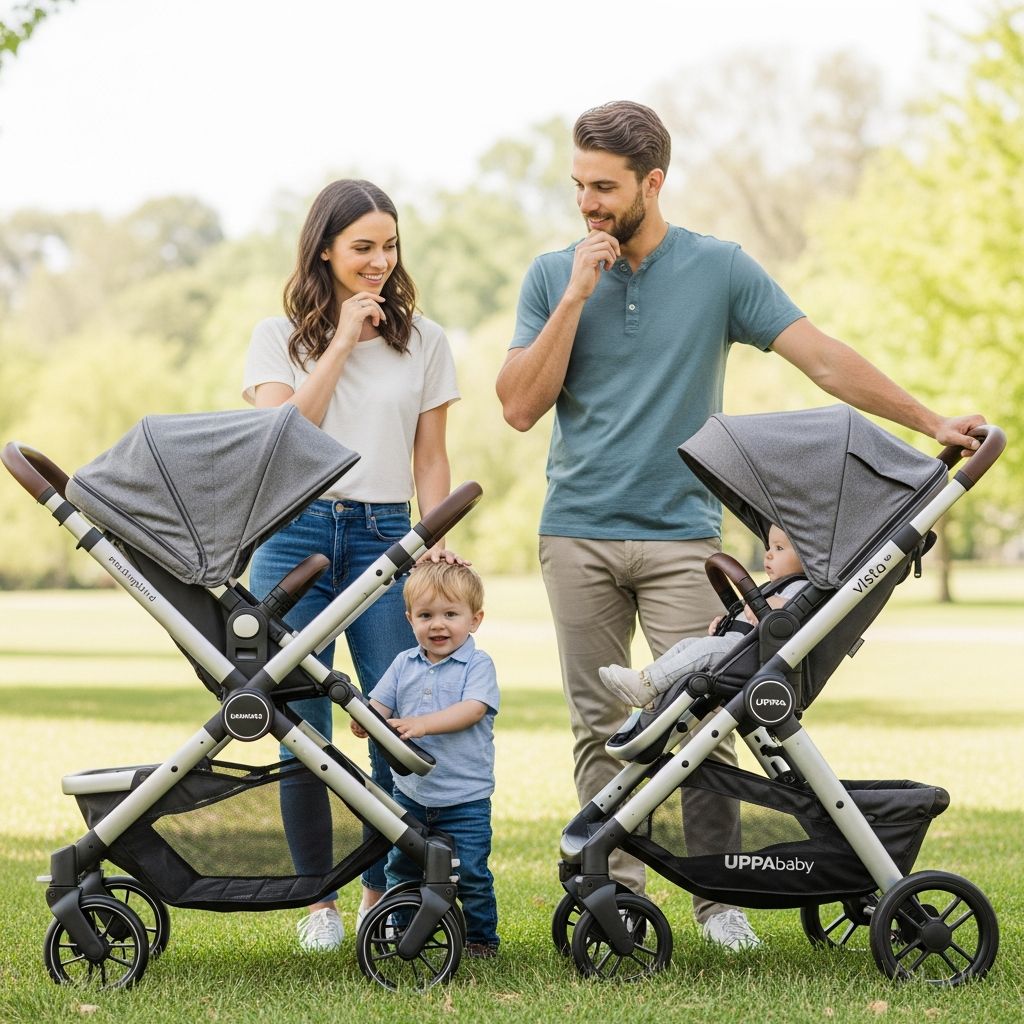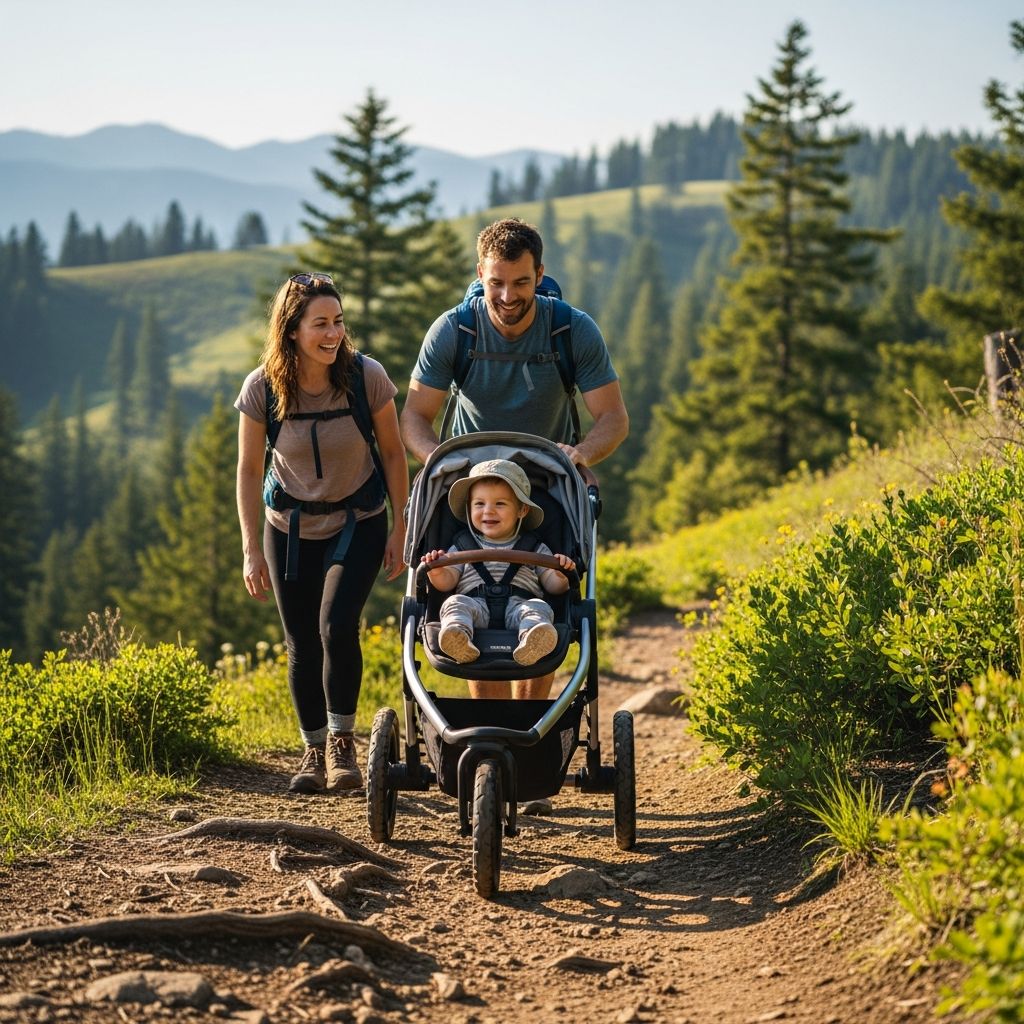
For many families, a stroller is more than a way to get from point A to point B. If you love hiking, parks, gravel paths, or sandy beaches, an all-terrain stroller can be the difference between staying home and bringing your baby along for real adventures.
This guide explains what makes these strollers different, how to compare models, and which features actually matter in everyday use. It is designed to help you confidently choose the best option for your lifestyle and budget, using the original article only as inspiration for topics—everything you read here is newly written and organized.
What Makes an All-Terrain Stroller Different?
An all-terrain stroller is built to handle a wide range of surfaces—pavement, grass, gravel, packed dirt, and sometimes sand—while still keeping your child relatively comfortable and secure.
Compared with a standard everyday stroller, all-terrain models usually include:
- Rugged wheels that are larger and wider for better grip on uneven ground.
- Suspension systems that help absorb bumps so your child is not jolted with every rock or crack.
- Stronger frames designed to withstand more stress and outdoor use.
- Higher weight limits so the stroller can be used for bigger kids or longer into childhood.
Some all-terrain strollers are also marketed as jogging strollers. While there is overlap, not every all-terrain stroller is safe for running, and not every jogging stroller performs well on rough trails. Your first task is to be clear about how you intend to use it.
Step 1: Clarify How You’ll Really Use the Stroller
Before digging into features and specs, start with your real life. A stroller that looks incredible on paper may be frustrating if it doesn’t match your habits and environment.
Questions to Ask Yourself
- Where do you walk or hike most often? City sidewalks, gravel paths, wooded trails, or beaches?
- How often will you use it? Daily walks, weekend adventures, or occasional trips?
- Do you plan to run with it? If yes, you should narrow your search to models designed and tested for jogging.
- Who will push it? One caregiver, or several people with different heights and strengths?
- How much storage space do you have? Consider your car trunk, entryway, or apartment closet.
- Will you ever travel with it? Flights, public transit, or small car trunks may require a more compact fold.
Your answers will help you decide whether you need a true off-road workhorse, a city stroller that can handle occasional rough paths, or a versatile wagon-style option that carries kids and gear.
Key Features of All-Terrain Strollers (And Why They Matter)
Once you know how you plan to use the stroller, it is easier to evaluate specific features. The items below are the most important for comfort, safety, and ease of use.
1. Wheels and Tires
The wheels are the heart of any all-terrain stroller. Different designs affect how the stroller rolls, turns, and copes with obstacles.
| Wheel Type | Pros | Cons | Best For |
|---|---|---|---|
| Air-filled (pneumatic) | Smoothest ride; good shock absorption; strong grip on rough terrain. | Can get flats; may need occasional pumping or repairs. | Serious trail use, mixed surfaces, frequent outdoor adventures. |
| Foam-filled / airless rubber | No flats; low maintenance; still more cushioned than hard plastic. | Ride may be a bit firmer than air-filled on very rough ground. | Families who want durability with less maintenance. |
| Small hard plastic wheels | Lightweight; usually cheaper; good on smooth indoor floors. | Poor performance on grass, gravel, or cracks; more jolting for baby. | Strictly urban use on smooth sidewalks or malls. |
Look for:
- Large rear wheels for stability and easier pushing over bumps.
- Lockable front wheel (or wheels) so you can switch between swivel mode for tight turns and fixed mode for jogging or rougher trails.
2. Suspension System
A good suspension system acts like the shocks on a bike or car, helping smooth out uneven ground. Without it, your child will feel every crack, root, or cobblestone.
Consider:
- Visible shocks near the wheels or frame – usually a sign that the stroller is built for more than just flat sidewalks.
- Adjustable suspension on some higher-end models, which lets you fine-tune for your child’s weight or different terrains.
3. Comfort and Seating
Your baby might spend hours at a time in the stroller, so the seating area deserves careful attention.
- Reclining seat for naps and younger babies who can’t sit fully upright yet.
- Padded seat and backrest for shock absorption and long-ride comfort.
- 5-point harness that secures shoulders, waist, and between the legs – the standard recommended by major safety organizations.
- Ventilation like mesh panels or breathable fabrics to prevent overheating in warm weather.
4. Handlebar and Maneuverability
Parents often underestimate how important the handlebar is. On rough terrain, good ergonomics make a big difference.
- Adjustable handlebar height helps caregivers of different heights push comfortably and maintain control.
- Comfortable grip (foam or rubber) reduces hand fatigue on long walks.
- One-handed steering is especially helpful if you are walking a dog, carrying a coffee, or managing an older child.
5. Canopy and Weather Protection
Outdoor adventures mean exposure to sun, wind, and rain. A well-designed canopy protects children from the elements and can be crucial for year-round use.
- Large, UPF-rated canopy to block harmful ultraviolet rays.
- Peekaboo window so you can check on your child without stopping or lifting the canopy.
- Weather-resistant fabrics that repel light rain and are easy to wipe clean.
- Optional rain covers or weather shields for harsher conditions.
6. Storage and Cargo Space
On rough walks, you will want your hands free. Smart storage can make outings smoother and safer.
- Roomy under-seat basket that is easy to access even when the seat is reclined.
- Pockets and organizers near the handle for keys, phone, and water bottle.
- Weight capacity that fits your typical load – diaper bag, snacks, toys, and maybe a scooter or helmet.
7. Brakes and Safety Features
Stroller safety standards in many countries address braking systems, harnesses, and stability to help protect children. When evaluating an all-terrain stroller, pay particular attention to:
- Reliable parking brake, ideally foot-activated and easy to see if it is engaged.
- Hand brake on some jogging or downhill-friendly models for speed control on slopes.
- Front wheel lock to improve stability when jogging or navigating loose gravel.
- Harness design that is easy to adjust correctly every time.
- Reflective details to increase visibility at dawn, dusk, or on cloudy days.
8. Fold Size and Portability
All-terrain strollers tend to be bulkier than lightweight travel strollers, but there is still a wide range of sizes and folding mechanisms.
- One-step fold makes getting in and out of the car far easier, especially with a baby in your arms.
- Folded dimensions should be checked against your vehicle trunk or storage space.
- Carrying handle or strap helps when moving the folded stroller up stairs or onto public transit.
All-Terrain Stroller vs. Stroller Wagon vs. Jogging Stroller
Families sometimes debate between a classic three-wheel stroller, a four-wheel wagon, or a dedicated jogging model. Each has different strengths.
| Type | Main Advantages | Typical Trade-Offs |
|---|---|---|
| All-terrain stroller | Good maneuverability; works for daily walks and moderate trails; more compact than most wagons. | Less cargo space than wagons; bulkier than lightweight city strollers. |
| All-terrain stroller wagon | Very high weight capacity; multiple kids; huge storage; great for long beach or park days. | Larger footprint; heavier; not ideal for tight indoor spaces. |
| Jogging stroller | Designed for running; excellent directional stability; strong suspension and brakes. | Often long and bulky; not always convenient for errands or crowded city use. |
If you often walk long distances with multiple kids, or carry sports gear and picnic supplies, a wagon-style all-terrain model may save you from juggling bags and scooters. If running is a priority, choose a jogging stroller that explicitly lists running as an intended use and follow age and safety recommendations.
Budget, Longevity, and When to Spend More
All-terrain strollers can be a significant investment. Deciding where to spend more – and where you can save – will help you choose wisely.
Where It Makes Sense to Invest
- Wheel and suspension quality – these directly affect your child’s comfort and your pushing effort over time.
- Safety-critical components such as harnesses, brakes, and frame durability.
- Weather protection if you live in a very sunny, rainy, or cold climate and plan to stroll year-round.
Where You Can Potentially Save
- Cosmetic extras like fancy color combinations or luxury fabric finishes.
- Optional accessories (organizers, cup holders, snack trays) that might be bought later or from third-party brands, as long as they do not compromise safety.
Also consider how long the stroller will realistically be used. A model with a higher weight limit and durable construction may cost more initially but can serve through multiple children or several years of outdoor adventures, improving overall value.
Practical Tips for Using All-Terrain Strollers Safely
Once you have chosen a stroller, how you use and maintain it will influence both safety and lifespan.
- Follow age and weight guidelines from the manufacturer, especially for running or rough terrain.
- Use the harness every time, even for short walks, to prevent falls if the stroller jolts or tips.
- Check the tires regularly for proper inflation and signs of wear if they are air-filled.
- Engage the brake whenever you stop on a slope or let go of the handle, even briefly.
- Clean dirt and sand from moving parts so the wheels, brakes, and folding mechanisms keep working smoothly.
Frequently Asked Questions (FAQs)
At what age can my baby ride in an all-terrain stroller on rough paths?A: For bumpy or uneven terrain, many pediatric and product safety recommendations suggest waiting until your baby has good head and neck control, often around 6 months, unless you use a compatible infant car seat in the stroller frame and stick to smoother surfaces. Always check the manufacturer’s age guidelines for jogging or off-road use.
Q: Do I really need an all-terrain stroller if I live in a city?
It depends on your routes. If you mainly walk on smooth sidewalks and take public transit, a lighter city stroller may be easier. But if your city has cracked sidewalks, cobblestones, parks with dirt paths, or frequent snow, an all-terrain model can make daily walks more comfortable and less tiring.
What is the difference between an all-terrain stroller and a jogging stroller?
All-terrain strollers are built to handle varied surfaces, while jogging strollers are specifically engineered for running, with features such as a fixed or lockable front wheel, advanced suspension, and often a hand brake. Some products combine both functions, but you should only run with models that explicitly state they are designed for jogging.
Are all-terrain stroller wagons safe for young toddlers?
Many stroller wagons include 5-point harnesses, parking brakes, and have been tested against safety standards, making them suitable for toddlers within the listed age and weight ranges. However, they may not recline as fully as traditional stroller seats, so they are usually better for children who can sit independently and are less ideal for very young infants.
How heavy is too heavy for everyday use?
There is no single “right” number, but if you regularly lift the stroller into a car or carry it up stairs, anything much over 30 pounds may start to feel cumbersome for many caregivers. Try to consider not just the weight on paper, but whether you can comfortably lift and maneuver it when folded.
Final Thoughts: Matching the Stroller to Your Adventures
An all-terrain stroller can open up trails, beaches, and long walks that might otherwise feel off-limits with a baby in tow. By focusing on where you will actually use it, paying attention to wheel design, suspension, comfort, safety features, and storage, you can select a model that supports your family’s lifestyle instead of getting in the way.
The best stroller for you is not the most expensive or the most feature-packed; it is the one you can push confidently, fold without stress, and trust to keep your child secure while you explore the world together.
References
- All-Terrain Strollers: The Adventurous Parent’s Guide — Guava Family. 2023-04-10. https://www.guavafamily.com/blogs/guava/all-terrain-strollers-guide-parents
- The Benefits of All-Terrain Stroller Wagons — Keenz. 2023-06-15. https://keenz.us/blogs/family-fun/the-benefits-of-all-terrain-stroller-wagons
- Strolling Through the Seasons: BOB Gear All-Terrain Strollers for Year-Round Adventures — BOB Gear. 2025-02-07. https://www.bobgear.com/adventure-guides-and-product-usage-tips/2025/02/07/strolling-through-the-seasons
- Exploring the Best All-Terrain Strollers for Adventurous Families — Valco Baby. 2022-09-20. https://valcobabyusa.com/blogs/news/exploring-the-best-all-terrain-strollers-for-adventurous-families
- Do I Need an All Terrain Stroller? Find Out Now! — Tactical Baby Gear. 2022-08-11. https://tacticalbabygear.com/blogs/news/do-i-need-an-allterrain-stroller
- GB Pockit+ All-Terrain Stroller Review — Consumer Reports. 2020-10-06. https://www.consumerreports.org/babies-kids/strollers/gb-pockit-stroller-all-terrain-review-a2503114965/