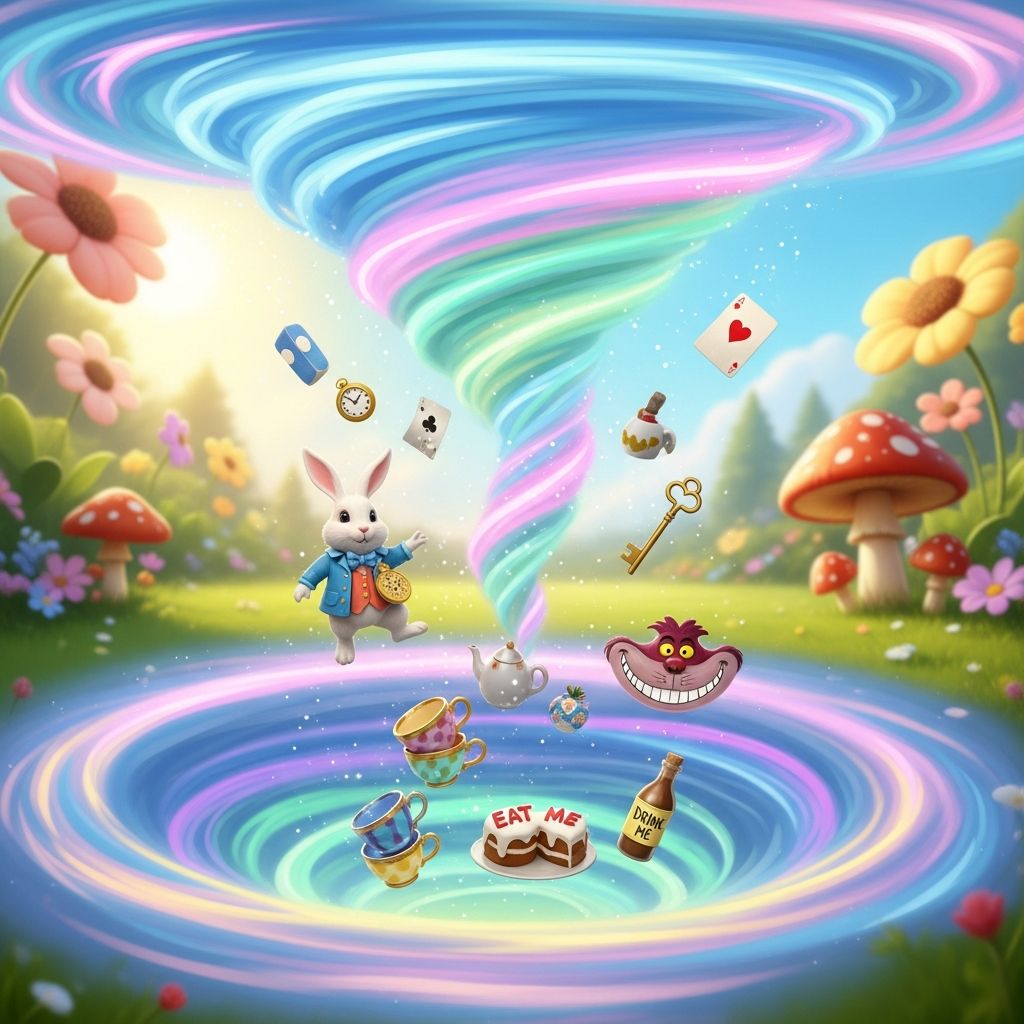
Alice in Wonderland is more than a whimsical story; it is a playground for imagination, curiosity, and family connection. This article transforms that spirit into practical, original ideas for games, crafts, conversations, and celebrations you can enjoy at home.
Why Wonderland Still Captivates Families
The world of Wonderland is unpredictable, funny, and sometimes a little strange, which makes it a perfect springboard for creative play with kids of different ages. The characters speak in riddles, the locations bend logic, and almost nothing goes as expected — exactly the kind of world where family memories are easily made.
By drawing inspiration from this classic tale without copying any existing article, you can invent your own Wonderland at home: a place where rules are playful instead of rigid, questions are welcome, and curiosity leads every activity.
Planning Your Own Wonderland Experience
Before diving into specific activities, it helps to think about the mood and message you want to create. For some families, Alice in Wonderland becomes a theme for a one-time celebration; for others, it becomes a series of small rituals sprinkled across weekends or school breaks.
Ask yourself a few guiding questions:
- Do you want a single big event (like a tea gathering) or many small moments (like bedtime discussions about curiosity)?
- Are you focusing on younger kids who enjoy costumes and crafts, older kids who love puzzles and wordplay, or a mix of both?
- Would you like to emphasize silliness, creativity, deeper themes, or a bit of each?
Setting the Scene: A Touch of Wonderland at Home
You do not need elaborate decorations to make your space feel magical. A few small transformations can change an ordinary room into something that feels like it belongs on the other side of the rabbit hole.
- Unexpected doors and signs: Place handwritten signs on doors and cupboards with playful directions like “This Way,” “That Way,” or “Possibly Here” to create a sense of mystery.
- Mismatched table settings: Use different plates, cups, and napkins at the same table so it looks as though characters from everywhere have brought their own dishes.
- Colorful corners: Designate one corner of the room as a “Wonder Corner” with pillows, stuffed animals, and a basket of books or playing cards for quiet play.
Wonderland Activity Ideas by Theme
Instead of copying any existing structure, the ideas below are grouped by theme: curiosity, nonsense, courage, and kindness. Each theme offers activities that can be adapted to your family’s style and schedule.
Curiosity Corner: Questions, Puzzles, and Exploration
Alice is constantly asking questions, which makes curiosity a perfect starting point. You can create an environment where asking “why” and “what if” is celebrated, not dismissed.
- Question Cards: Write open-ended questions on small pieces of paper, fold them, and place them in a bowl. At meals or during quiet time, let each person draw one and answer it in their own way.
- Mini Mystery Hunt: Hide three small objects around the house and give kids written or drawn clues that require them to observe details, count steps, or notice colors.
- Curious Journals: Give each child a notebook where they can jot down questions about the world. Once a week, pick one or two questions to explore together.
Nonsense and Laughter: Playing With Logic
One of the biggest delights of Wonderland is the unapologetic nonsense. Turning upside-down logic into games helps kids experiment with language and patterns while having fun.
- Backwards Dinner Rules: For one planned meal, let the family vote on a few silly “backwards” rules, such as serving dessert first or having everyone trade seats after each course.
- Opposite Storytelling: Tell a short, improvised story in which everything is the opposite of normal. If it is raining outside, in the story it is raining pillows inside. Invite kids to add their own impossible twists.
- Word Swap Game: Choose one common word (like “yes” or “no”) that nobody is allowed to say for ten minutes. Invent a ridiculous replacement phrase and see who slips up first.
Courage and Change: Growing Up, Shrinking Down
Alice grows and shrinks often, and those changes can be a metaphor for childhood feelings — sometimes too small to do what you want, sometimes overwhelmed by big choices. You can use this theme for conversations and imaginative play.
- Big and Small Drawings: Ask kids to draw themselves as tiny as a teacup and as tall as a house. Then talk about times they felt small or big (nervous, proud, brave, or unsure) and what helped.
- Bravery Role-Play: Act out little scenes where a character must make a brave choice, such as asking a question in class or trying a new hobby. Let kids script their own endings.
- Stepping-Stone Challenges: Create a path of pillows or papers on the floor. Each step has a “challenge” written on a sticky note, like “Say one thing you like about yourself” or “Share a time you helped someone.”
Kindness in a Curious World
Not every character in Wonderland is kind, but that contrast makes kindness stand out. You can use the story’s more confusing or rude moments as a jumping-off point for building empathy at home.
- Character Check-In: Choose a character and ask: What would it feel like to talk to them? What would you say if you wanted them to be kinder?
- Compliment Tea Time: During a small snack break, have each family member offer a compliment to someone else at the table.
- Kindness Ticket Jar: Cut paper into “kindness tickets” and keep them in a jar. Whenever someone notices a kind act, they can write it down and read it aloud at the end of the week.
Crafting Your Own Wonderland Keepsakes
Hands-on crafts invite kids to bring Wonderland into the real world in a way that feels unique to them. None of the projects below require perfection; the goal is experimenting, not producing flawless decorations.
Simple Themed Craft Ideas
- Character Bookmarks: Cut sturdy paper into rectangles and let children design bookmarks inspired by their favorite characters. Add ribbon, stickers, or doodles that match the character’s personality.
- Imagination Doors: Provide small pieces of cardboard or index cards and have kids draw tiny “doors” to imaginary places. Tape them around the house at floor level or behind furniture as secret entrances.
- Curious Collage: Collect old magazines, catalogs, and scraps of colored paper. Ask kids to collage a scene that could exist in Wonderland — floating teacups, striped animals, or checkerboard trees.
Memory Box for Wonderland Days
Instead of throwing away little crafts and notes, designate a special “Wonder Box” — a container where kids can store reminders of your themed activities. Over time, it becomes a record of stories, questions, and creative experiments.
- Use a shoebox or recycled container and decorate it together with paint, paper, and stickers.
- Encourage children to add ticket stubs, doodles, or short written memories of their favorite moments.
- Open the box on quiet days to remember how many adventures you have already shared.
Hosting a Playful Wonderland Gathering
If you want to take things a step further, you can host a small family or friends’ gathering that borrows the playful atmosphere of the story. Everything from snacks to conversation can carry a hint of whimsy without copying any particular event design.
Original Ideas for a Wonderland-Inspired Gathering
- Color-Coded Snacks: Serve small treats grouped by color (for example, all yellow items or all red items) and ask kids to invent names for each snack, as though they exist only in Wonderland.
- Seat-Swap Conversation Game: Every few minutes, ring a small bell. Everyone must move one seat to the left and answer a new silly question placed at their new spot.
- Hat or Headband Corner: Provide plain paper or cardboard headbands and simple craft supplies. Invite guests to invent their own headgear, with no attempt to copy trademarked designs.
Sample Wonderland Activity Plan
The table below offers a sample plan for a two-hour family session. This is only a template; you can reorder, shorten, or expand as needed.
| Time Block | Activity | Goal |
|---|---|---|
| 0–15 minutes | Set the scene (signs, mismatched table, explanation) | Ease kids into the theme and spark curiosity. |
| 15–35 minutes | Curiosity game (question cards or mini mystery hunt) | Celebrate questions and observation skills. |
| 35–60 minutes | Craft time (bookmarks or imagination doors) | Give kids a tangible keepsake from the adventure. |
| 60–80 minutes | Nonsense game (backwards rules or word swap) | Add laughter and playful rule-bending. |
| 80–100 minutes | Snack break with compliment prompts | Build connection and kindness through conversation. |
| 100–120 minutes | Bravery role-play or big/small drawing discussion | Explore feelings, growth, and courage in a gentle way. |
Using Wonderland Themes for Gentle Conversations
The charm of Alice in Wonderland is not only in the silliness but also in how it mirrors the confusion of growing up. Kids face rules they do not understand, occasional unfairness, and big questions about identity — much like Alice herself.
You can use plot moments as metaphors without retelling the story in detail. Ask children what they might do in a confusing situation, or which character they most relate to and why. These gentle questions can open doors to important topics like friendship conflicts, school worries, or changing family routines.
Age-Appropriate Wonderland Ideas
Different ages gravitate to different elements of Wonderland, so it helps to tailor activities accordingly. Younger children may love costumes and simple rules, while older kids might prefer discussions, puzzles, or creative writing.
- For preschoolers: Focus on short, visual activities — matching colors, pretending to be animals, or hunting for simple shapes hidden around the room.
- For early elementary ages: Introduce light rule-based games, story acting, and easy crafts that let them design their own imaginary creatures.
- For tweens and teens: Invite them to write alternate endings, design their own fictional worlds, or debate what different characters represent.
Keeping the Magic Manageable for Adults
Planning creative activities can feel overwhelming, especially when life is already busy. The key to making Wonderland-inspired fun sustainable is thinking in small doses, not cinematic productions.
- Choose one simple idea each week (a question jar, a silly rule at dinner, or a 10-minute craft) instead of trying to do everything at once.
- Reuse supplies: plain paper, crayons, recycled boxes, and simple snacks can carry many themes.
- Let kids lead. If they invent their own games or tweaks, treat those as part of the magic, not as a disruption.
Frequently Asked Questions About Wonderland-Inspired Family Time
Do I have to reread the book or watch a movie first?
No. While being familiar with the story can spark more ideas, the activities in this article draw on general themes — curiosity, nonsense, courage, and kindness — that do not depend on specific scenes. If you want, you can read short, age-appropriate retellings later to deepen the experience.
How can I avoid overwhelming my kids with too many activities?
Think in terms of one main idea at a time. For example, you might dedicate one weekend to curiosity games, another to crafts, and another to kindness challenges. Keeping each session focused and brief helps children stay engaged and excited.
Is this theme only for parties?
Not at all. While you can absolutely host a themed gathering, many of these suggestions work as small rituals woven into everyday life — a silly dinner rule here, a five-minute question game there, or a craft on a rainy afternoon.
What if my child finds parts of Wonderland confusing or a little scary?
That is perfectly normal. Use those moments as conversation starters. Ask what made them feel uneasy and what might help a character feel safer. Together you can imagine kinder outcomes or new scenes that feel more comfortable.
How do I keep things original and respectful of copyright?
Focus on broad themes and emotions rather than copying specific wording, dialogue, or distinctive visual designs. Invent your own games, titles, and decorations inspired by the feeling of Wonderland, not by duplicating any particular adaptation. This approach honors creativity — both yours and the original author’s.
Inviting Wonderland Into Everyday Life
Bringing an Alice in Wonderland spirit into your home does not require elaborate props or perfect planning. It is about turning ordinary routines into opportunities for curiosity, laughter, courage, and kindness, while staying creative and original in how you interpret the story.
Over time, these small, imaginative moments can become part of your family’s shared language — a reminder that questions are welcome, rules can sometimes bend, and the world is still full of doors waiting to be opened.