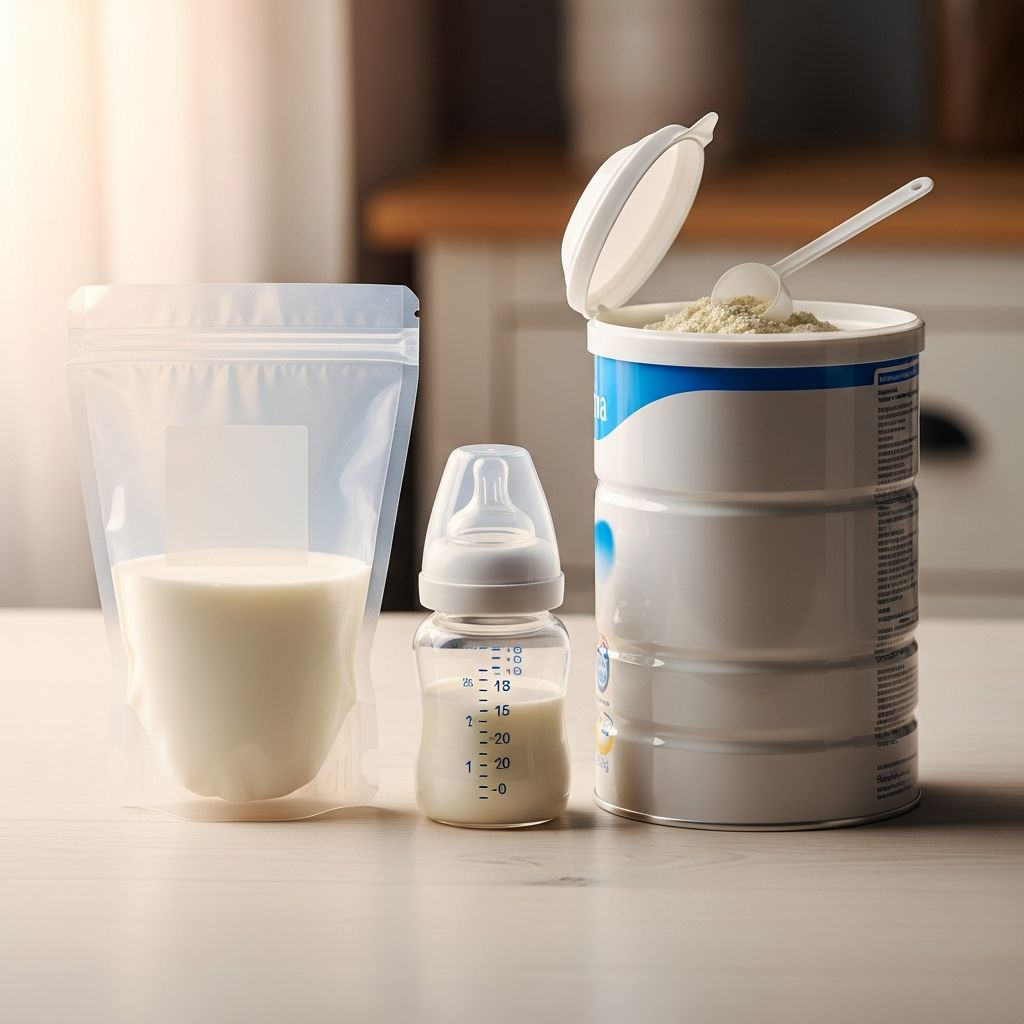
Many breastfeeding parents worry about enjoying an occasional drink, fearing it contaminates their milk and requires dilution or discarding pumped supplies. In reality, alcohol levels in breast milk mirror blood levels and naturally decline over time without intervention like dilution, which offers no benefit and can waste precious nutrition.
Understanding How Alcohol Moves into Breast Milk
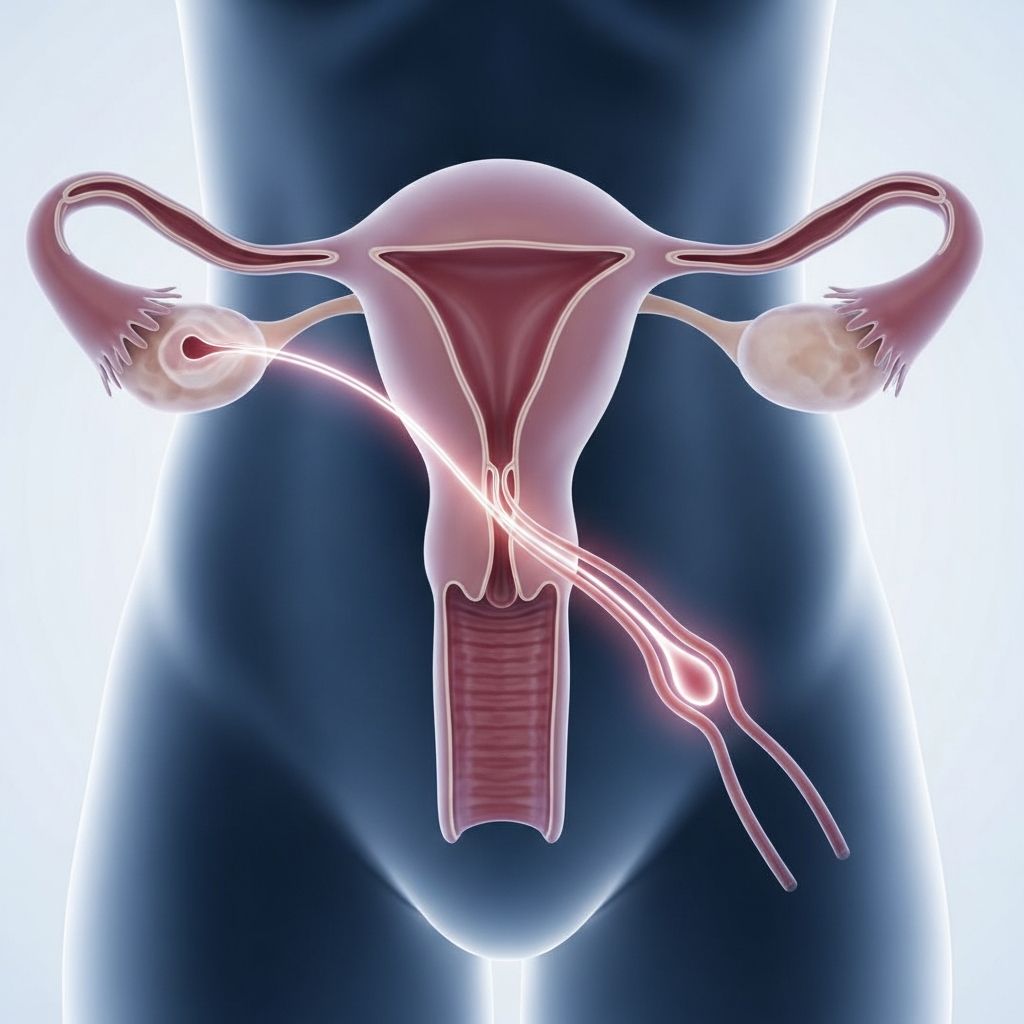
Alcohol from beverages enters the bloodstream quickly and diffuses into breast milk at concentrations paralleling maternal blood alcohol levels. Peak levels occur roughly 30-60 minutes after consumption, or slightly longer with food. This process is passive; alcohol isn’t concentrated or trapped in milk but equilibrates with blood.
- Key Fact: As blood alcohol drops, milk alcohol follows suit—no pumping accelerates this.
- Milk produced post-peak remains alcohol-free once maternal levels normalize.
- Individual factors like weight, metabolism, and drink strength influence elimination rates.
Unlike fat-soluble toxins, alcohol’s water-soluble nature means it leaves milk as it metabolizes from the body, typically at 0.015 g/dL per hour for adults.
The Pump-and-Dump Myth Exposed
A common misconception suggests pumping and discarding milk right after drinking speeds alcohol removal. This doesn’t work because newly produced milk reflects current blood levels, not clearing faster via expression.
| Myth | Reality | Source |
|---|---|---|
| Pump and dump eliminates alcohol quicker | Alcohol persists until metabolized; pumping only relieves engorgement | |
| Diluting pumped milk makes it safe | Dilution alters nutrition without removing alcohol; wait instead | |
| Alcohol stays in milk longer than blood | Levels sync perfectly and decline together |
Pump solely for comfort if skipping feeds to avoid engorgement, then store or use pre-drinking milk. Discarding healthy milk deprives babies of optimal nutrition unnecessarily.
Safe Waiting Periods After Drinking
Experts recommend delaying nursing or pumping by about 2 hours per standard drink (12 oz beer, 5 oz wine, 1.5 oz spirits at 40% ABV). For example:
- 1 drink: Wait 2 hours
- 2 drinks: Wait 4 hours
- 3 drinks: Wait 6 hours or more
Plan ahead with frozen stores pumped sober. Feel neurologically clear before feeding, as impairment risks baby safety.
Impacts of Alcohol on Milk Production
Small amounts rarely harm supply, but regular or heavy intake inhibits oxytocin, slowing letdown and reducing ejection. Studies show babies drink 20% less milk for 3-4 hours post-maternal drink, often unnoticed by mothers.
- Acute effects: Inhibited prolactin/oxytocin release
- Chronic: Potential supply drop, prompting earlier weaning
- Babies nurse more frequently to compensate but take less per session
Folklore claiming beer boosts production stems from barley’s prolactin effect, but alcohol overrides this as an oxytocin blocker.
Potential Effects on Your Breastfed Baby
Minimal exposure from occasional moderate drinking poses low risk, especially for older infants who metabolize better. However, even small amounts can disrupt sleep, causing shorter cycles.
| Exposure Level | Baby Effects | Evidence |
|---|---|---|
| Low (occasional) | Slight sleep changes; rare issues | |
| Moderate/Heavy | Drowsiness, weakness, poor weight gain, developmental delays | |
| Chronic | Reduced growth, motor delays |
Impaired maternal judgment from excess alcohol heightens accident risks. Avoid bed-sharing if drinking.
Practical Strategies for Breastfeeding Parents Who Drink
Balance enjoyment with safety through these steps:
- Moderation First: Limit to 1-2 drinks occasionally; abstain if concerned.
- Timing Matters: Drink after feeding, when baby sleeps longest.
- Stockpile Milk: Build a freezer stash from sober sessions.
- Hydrate and Eat: Slows absorption; doesn’t speed elimination.
- Partner Support: Delegate care during wait periods.
Track intake with apps estimating blood alcohol for precision.
Special Considerations for Different Lifestyles
Newborns vs. Older Babies
Younger infants face higher relative exposure and slower clearance, so stricter limits apply. Effects lessen as babies age.
Medications and Health Conditions
Consult doctors if on meds interacting with alcohol or managing conditions like liver issues affecting metabolism.
Cultural and Social Drinking
In social settings, opt for non-alcoholic alternatives mimicking flavors to stay inclusive without risk.
Frequently Asked Questions
Is one glass of wine safe while breastfeeding?
Yes, if followed by a 2-3 hour wait before nursing. Minimal transfer occurs with moderation.
Does pumping right after drinking clean my milk?
No, it doesn’t remove alcohol faster. Wait for natural clearance.
Can alcohol reduce my milk supply permanently?
Not from occasional use, but regular heavy drinking inhibits hormones and supply.
What if I feel tipsy? Should I feed my baby?
No—prioritize sobriety for safe caregiving. Use stored milk.
Is beer better for lactation than wine?
No myth holds; alcohol hinders letdown regardless of source.
How much alcohol reaches my baby via milk?
Less than 2% of maternal intake, proportional to blood levels.
This comprehensive guide empowers breastfeeding parents with science-backed info to navigate alcohol confidently. Prioritize baby’s health through informed choices—no dilution required.
References
- Breastfeeding and alcohol: Is it OK to drink? — Mayo Clinic. 2023-10-15. https://www.mayoclinic.org/healthy-lifestyle/infant-and-toddler-health/expert-answers/breast-feeding-and-alcohol/faq-20057985
- Alcohol and breastfeeding: What are the risks? — Contemporary OB/GYN. 2023-05-12. https://www.contemporaryobgyn.net/view/alcohol-and-breastfeeding-what-are-the-risks-
- Alcohol’s Effect on Lactation — PMC/NIH. 2019-08-15. https://pmc.ncbi.nlm.nih.gov/articles/PMC6707164/
- Breastfeeding and Alcohol Use — UMass Memorial Health. 2024-02-20. https://www.ummhealth.org/health-library/breastfeeding-and-alcohol-use
- Alcohol and breastfeeding — La Leche League GB. 2023-11-10. https://laleche.org.uk/alcohol-and-breastfeeding/
- Pumping and Dumping Myths — Northwestern Medicine. 2022-07-08. https://www.nm.org/healthbeat/healthy-tips/pumping-and-dumping-myths