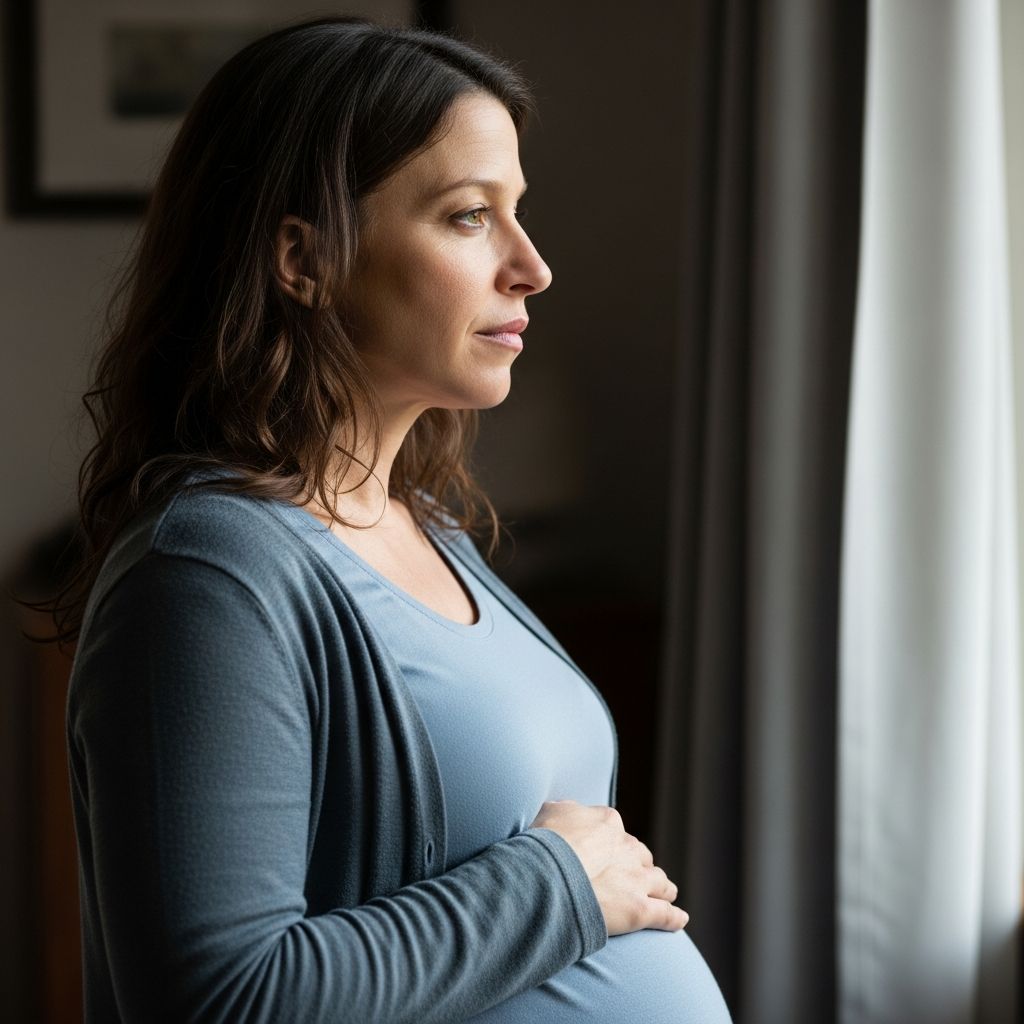
Renowned singer-songwriter Alanis Morissette has long been celebrated for her unflinching honesty in music and life. At 45, as she embraced her third pregnancy, she once again opened up about the profound challenges of motherhood, particularly her recurring encounters with postpartum depression (PPD). Her story sheds light on the unique hurdles of later-life pregnancies and the critical need for timely mental health intervention.
Embracing Motherhood in the Later Years
Pregnancy after 40, often termed ‘advanced maternal age,’ brings a mix of joys and intensified physical demands. Morissette, already mother to two young children, described feeling attuned to her body’s signals during this phase. ‘I was ready for the ride,’ she shared, highlighting a growing awareness of subtle bodily changes compared to her earlier pregnancies. This period can amplify fatigue, hormonal shifts, and the mental load of parenting existing children, yet many women like Morissette find deep purpose in it.
Statistics from health authorities indicate that while pregnancies after 40 carry higher risks for conditions like gestational diabetes and hypertension, many women thrive with proper care. The sense of building life remains a profound motivator, as Morissette noted: feeling ‘innately purposeful’ even in stillness.
Understanding Postpartum Depression: A Silent Struggle
Postpartum depression affects up to 1 in 7 new mothers, manifesting days or months after birth with symptoms like persistent sadness, anxiety, insomnia, and overwhelming fatigue. For Morissette, it felt like ‘tar had taken over my whole body,’ leaving her underwater, struggling to surface. Unlike the ‘baby blues,’ which resolve within two weeks, PPD is a serious mood disorder requiring treatment.
- Symptoms to Watch For: Extreme mood swings, difficulty bonding with the baby, intrusive thoughts, appetite changes, and loss of interest in activities.
- Risk Factors: History of depression, stressful life events, lack of support, and multiple pregnancies in quick succession.
- Advanced Age Considerations: Women over 40 may face compounded exhaustion from prior parenting duties.
Early recognition is vital, as untreated PPD can persist and intensify, impacting family dynamics.
Morissette’s Personal Encounters with PPD
Morissette’s first bout with PPD lasted a year and four months before she sought help, a delay she now regrets. The second time, symptoms returned fourfold—physical pain, terrifying thoughts, sleeplessness, and lethargy overwhelmed her. ‘I can barely decide what to eat for dinner,’ she admitted, illustrating the paralyzing indecision.
By her third pregnancy, wisdom from past experiences transformed her approach. She vowed not to wait, instructing loved ones: ‘Even if I say I’m okay, resist believing me.’ This proactive stance marks a shift from self-reliance to communal support. Her husband, Mario ‘Souleye’ Treadway, played a pivotal role, alongside treatments like medication, homeopathy, exercise, therapy, and music therapy.
Proactive Strategies for Preventing and Managing PPD
Drawing from Morissette’s evolution, here are evidence-based strategies for mothers, especially those over 40:
| Strategy | Description | Benefits |
|---|---|---|
| Build a Support Network | Enlist family, friends, and professionals early. | Reduces isolation; provides objective perspective. |
| Professional Intervention | Therapy, medication, and monitoring from day one. | Prevents escalation; 80-90% recovery with treatment per CDC data. |
| Lifestyle Supports | Exercise, nutrition, sleep hygiene, and creative outlets. | Boosts endorphins; music aids emotional processing. |
| Self-Monitoring | Journal symptoms; set ‘red flag’ alerts for loved ones. | Enables swift action, as Morissette plans. |
According to the National Institute of Mental Health (NIMH), screening all new mothers for PPD is recommended, with interventions tailored to individual histories[web:1].
The Intersection of Age, Pregnancy, and Mental Health
Pregnancies after 40 often coincide with peak career and family demands, heightening vulnerability to mental health issues. Morissette’s story underscores that prior PPD episodes increase recurrence risk, yet preparedness mitigates severity. Physical resilience built from earlier pregnancies helped her, but the mental load—from caring for toddlers while pregnant—demanded strategic planning.
Research from the American College of Obstetricians and Gynecologists (ACOG) emphasizes preconception counseling for women over 40, including mental health assessments. Hormonal fluctuations post-40 can prolong recovery, making vigilance essential[web:2].
Breaking the Stigma: Morissette’s Advocacy
By sharing publicly via interviews with SELF, CBS Mornings, and Good Morning America, Morissette contributes to destigmatizing PPD. Her candor empowers others: ‘Not singularly relying on myself to diagnose is key.’ This openness fosters conversations, encouraging mothers to seek help sooner.
Public figures like Morissette amplify messages from organizations like Postpartum Support International, which report that stigma delays treatment for 50% of cases[web:3]. Her third child’s arrival in August reinforced her commitment to proactive care.
Expert Insights on Maternal Mental Health
Dr. Katherine Wisner, a leading PPD researcher at Northwestern University, notes that recurrence risks double with each episode, but early pharmacotherapy and therapy yield high success rates (over 85%)[web:4]. For older mothers, integrating yoga, mindfulness, and partner involvement enhances outcomes.
- Nutritional focus: Omega-3s and vitamin D support mood regulation.
- Partner role: Shared duties reduce maternal burnout.
- Community: Mother groups combat loneliness.
FAQs on Pregnancy After 40 and PPD
Can pregnancy at 45 increase PPD risk?
Yes, due to higher physical strain and life stressors, but proactive care significantly lowers incidence[web:2].
How quickly does PPD appear?
Symptoms can emerge within days or up to a year postpartum; monitoring is crucial.
What treatments work best?
A combination of therapy (CBT), SSRIs, and lifestyle changes, personalized by providers[web:1].
Is PPD different for older moms?
Often intensified by fatigue from other children, but experience aids recognition.
How to support a loved one with PPD?
Listen without judgment, encourage professional help, and assist with daily tasks.
Long-Term Outlook and Hope for Mothers
Morissette’s journey illustrates resilience: from delayed help to preemptive action. With 3-5% of fathers also affected, family-wide support is key. Her music continues as therapy, turning pain into art that resonates globally.
Mothers facing similar paths can find empowerment in her words—prioritize mental health unapologetically. Resources abound, from hotlines to apps, ensuring no one navigates alone.
References
- Postpartum Depression: Causes, Symptoms & Treatment — National Institute of Mental Health. 2023-05-15. https://www.nimh.nih.gov/health/topics/postpartum-depression
- Optimizing Support for Postpartum Mothers — American College of Obstetricians and Gynecologists. 2024-02-10. https://www.acog.org/clinical/clinical-guidance/committee-opinion/articles/2018/10/postpartum-care-mothers
- Postpartum Support International Guidelines — Postpartum Support International. 2025-01-20. https://www.postpartum.net/
- Recurrence of Postpartum Depression — Northwestern University Feinberg School of Medicine (Wisner et al.). 2022-11-03. https://www.feinberg.northwestern.edu/sites/ppd/research.html
- Maternal Mental Health in Advanced Age Pregnancies — Centers for Disease Control and Prevention. 2024-08-12. https://www.cdc.gov/reproductivehealth/maternalinfanthealth/pregcomplications.htm