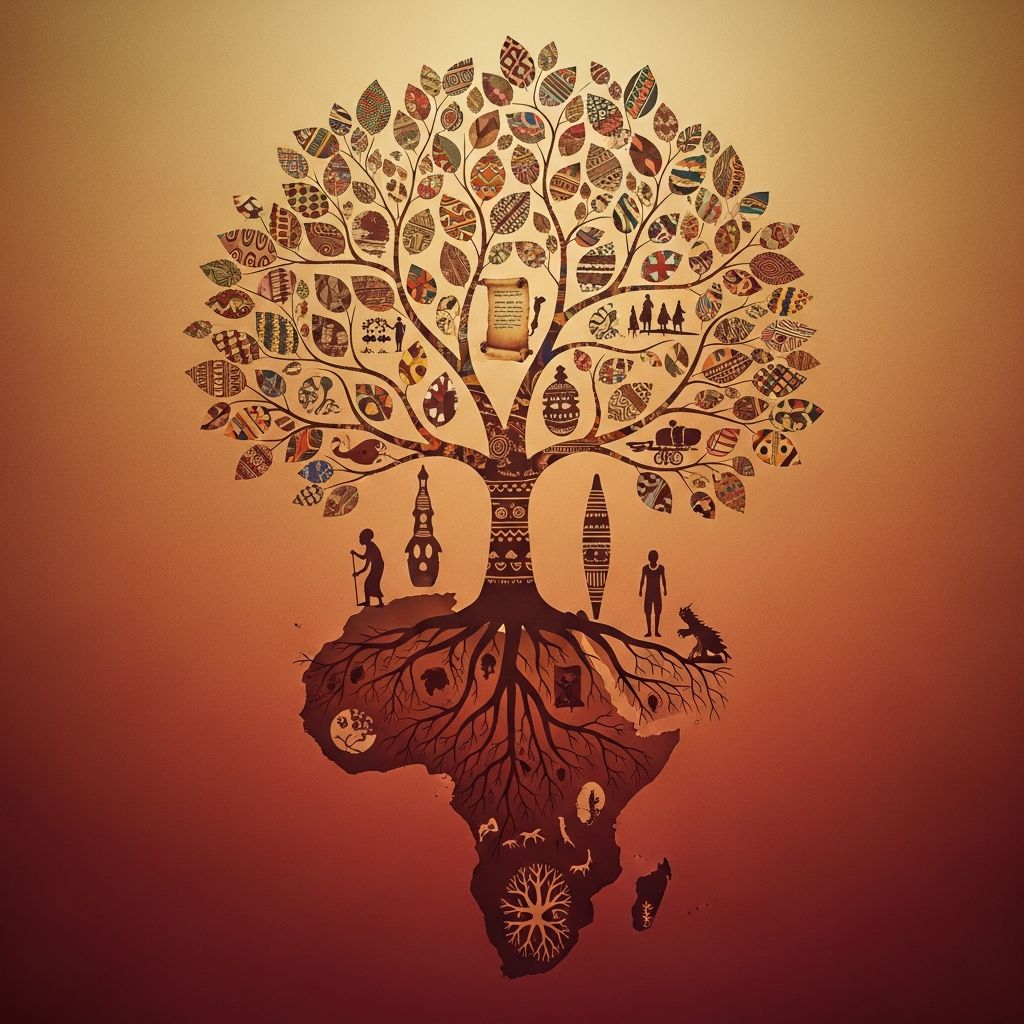
African surnames are more than labels; they are miniature stories that carry memories of ancestors, migrations, spiritual beliefs, and defining moments in family life. Across the continent and in the African diaspora, last names often preserve clues about language, geography, and identity that written records may have lost.
For parents choosing a meaningful last name, or for anyone exploring family history, understanding how African surnames work opens a door into a deep, living tradition of naming.
The Diversity Behind African Last Names
Africa is home to more than fifty countries and thousands of ethnic groups, each with its own naming practices, languages, and histories. This diversity is reflected in surnames, which may come from:
- Indigenous naming systems tied to clans, lineages, or praise names.
- Colonial histories that introduced Arabic, Portuguese, French, English, and Dutch names.
- Religious traditions such as Islam and Christianity, which brought Arabic and European-style surnames.
- Migration and diaspora, where names were adapted, translated, or replaced, especially during the transatlantic slave trade.
Because of this complexity, two people can share an African last name but have very different cultural backgrounds and stories.
Common Themes in African Surnames
Although each region and language is unique, many African surnames fall into a few broad thematic groups.
1. Family Lineage and Clan
In many communities, the surname identifies the extended family or clan. It may point to a particular ancestor, lineage founder, or royal house.
- Names that literally mean “child of” or “people of”.
- Clan names that everyone in the group shares as a marker of kinship.
- Surnames linked to famous rulers, chiefs, or historical ancestors.
2. Place and Landscape
Some surnames recall a village, a region, or a striking landscape feature.
- Names referencing rivers, mountains, or forests.
- Surnames meaning “from the hill” or “of the riverbank.”
- Names connected to a region where the family once lived, even if they later migrated.
3. Qualities, Hopes, and Character
Another large group of African surnames expresses the virtues or traits a family values. Many of these began as praise names that later became inherited surnames.
- Names meaning strength, wisdom, or victory.
- Names that express parental hopes, such as prosperity, honor, or peace.
- Surnames referring to physical or personality traits that defined an ancestor.
4. Time, Birth Order, and Circumstance
In several African traditions, the circumstances of a child’s birth inspire a name, and over generations these can become surnames.
- Names connected to the day of the week or season of birth.
- Surnames linked to birth order, such as first-born or twin.
- Names reflecting major events that happened around the time of a birth.
5. Occupations and Social Roles
Like occupational surnames in Europe (for example, Smith or Baker), some African last names grew out of traditional roles.
- Surnames meaning farmer, scribe, or hunter.
- Names indicating leadership roles such as chief, judge, or priest.
- Titles linked to specialist skills, such as metalworking or herbal medicine.
Regional Naming Traditions in Africa
Because the continent is so large, it helps to look at broad regional patterns. These are general tendencies rather than strict rules, but they offer useful context.
| Region | Typical Influences on Surnames | Common Features |
|---|---|---|
| West Africa | Indigenous ethnic groups, Islam, colonial French/English | Day names, lineage names, praise names, Arabic surnames |
| Central Africa | Bantu languages, clan systems | Clan-based names, descriptive meanings, ancestral praise |
| East Africa | Swahili, Arab trade, Christianity, local kingdoms | Arabic loanwords, patronymics, names tied to geography |
| North Africa | Arabic, Berber, Islam, Ottoman and European layers | Arabic naming patterns, tribal and place-based surnames |
| Southern Africa | Indigenous groups, Dutch/Afrikaans, British | Mixed indigenous, European, and hybrid surnames. |
Surnames and the African Diaspora
The story of African surnames extends far beyond the continent. The transatlantic slave trade, followed by centuries of forced labor and segregation, profoundly reshaped naming for people of African descent in the Americas and elsewhere.
Impact of Enslavement on Last Names
During slavery, people were often recorded under the surnames of enslavers or given new European-style names. Original African last names were frequently altered, translated, or erased in official documents.
- Enslaved people might share the surname of a plantation owner, even when unrelated by blood.
- Clerks often changed the spelling of unfamiliar African names.
- Some African surnames survived underground, used privately within families and communities.
Hidden African Roots in Diaspora Names
Researchers have shown that more African-derived surnames survived in the Americas than many once believed. Some look obviously African; others have been reshaped into forms that resemble European names or nicknames.
- Day-name based surnames from Ghana and Togo that appear in colonial North American records.
- Nicknames that trace back to respectful kinship terms in West African languages, but shifted meaning over time.
- Family traditions that preserve an old African name alongside an official European surname.
For African-descended families in the Americas, exploring both documentary records and linguistic clues can help uncover these deeper layers of identity.
Understanding Meanings: What African Surnames Can Reveal
Many African surnames have direct translations in the original language. Knowing these can give insight into ancestral values, circumstances, or social roles.
Cultural Signals in a Single Name
Depending on the tradition, one surname might reflect:
- Religious belief, such as trust in divine protection or gratitude to a deity.
- Family aspirations, like hoping a child will bring honor or prosperity.
- Social expectations placed on sons or daughters from certain lineages.
- Historical memory of migration, conflict, or alliance.
Because of the poetic nature of many African languages, a short surname can carry rich imagery and metaphor, sometimes difficult to translate into a single English word.
Practical Tips for Choosing an African-Inspired Last Name
Some families, especially in blended or adoptive contexts, may be considering an African-inspired surname for their household. This can be a meaningful way to honor heritage, but it deserves thoughtful consideration and respect.
1. Start with Research, Not Aesthetics
- Learn which country and language a name comes from.
- Check the literal meaning in a reliable dictionary or from native speakers.
- Investigate whether the name is tied to a specific ethnic group or sacred role.
2. Consider Cultural Sensitivity
- Avoid names that are titles, sacred designations, or reserved for certain lineages.
- Be cautious about choosing a surname solely because it sounds “exotic.”
- When possible, consult people from that culture about context and appropriate use.
3. Match Meaning to Family Values
If you are choosing a surname, focus on meanings that genuinely resonate with your family’s story or aspirations.
- Names linked to resilience, hope, and unity can be especially meaningful.
- Consider names reflecting love, protection, or wisdom for a nurturing theme.
- Think long-term: how the name will feel for children as they grow, introduce themselves, and explain its story.
Genealogy: Tracing African Surnames in Family Research
For many families with African ancestry, last names are one of the few clues that survived migration, colonialism, and slavery. Combined with DNA testing and historical documents, they can help rebuild lost branches of the family tree.
Challenges in Research
- Spelling changes in colonial and missionary records make some names hard to recognize.
- Border changes over time mean the same ethnic group may now span multiple countries.
- Adopted or assigned surnames may obscure older indigenous family names.
Helpful Strategies
- Look for clusters of surnames in the same area that may indicate a shared ethnic or linguistic background.
- Learn basic features of relevant languages—sound patterns and common name elements can reveal hidden connections.
- Combine oral history from elders with written sources like church registers, court records, and land documents.
Examples of Meaningful African-Inspired Surname Themes
Instead of focusing on specific lists, which can vary widely across cultures, it is often more useful to think in terms of themes and then explore names within those themes from a region of interest.
Theme Ideas
- Strength and Courage — Names that evoke bravery, resilience, or victorious struggle.
- Peace and Harmony — Surnames that reference calm, unity, or reconciliation.
- Nature and Creation — Names inspired by sky, earth, water, or animals.
- Joy and Blessing — Surnames that express gratitude, delight, or divine favor.
- Wisdom and Learning — Names tied to knowledge, counsel, or teaching.
Within each theme, different languages will offer distinct options, each carrying their own cultural flavor and grammatical style.
Frequently Asked Questions About African Last Names
Do all African cultures traditionally use surnames?
No. Some African societies historically used only given names, praise names, or patronymics rather than fixed hereditary surnames. Colonial administrations and modern legal systems encouraged or required family names, so in some areas, what we now treat as surnames are relatively recent adaptations.
Can one African surname appear in more than one country?
Yes. Many ethnic groups and languages cross modern political borders. For example, a surname from a particular ethnic community may be common in several neighboring countries, especially where borders were drawn during colonial rule without regard to preexisting cultural regions.
How did African American surnames develop after slavery?
After emancipation, African Americans adopted a mix of surnames: some kept or chose the surnames of former enslavers, some selected new European-style surnames, and a smaller number retained or revived African-derived names. Over time, spelling changes and cultural blending produced a wide variety of last names whose deeper African roots are sometimes only visible through linguistic and historical study.
Is it appropriate for non-African families to adopt an African surname?
This is a sensitive question and responses vary. Many people emphasize respect, research, and transparency: understanding the name’s meaning and origin, avoiding sacred or restricted titles, and being honest about your reasons for choosing it. Dialogue with people from the relevant culture can help guide thoughtful decisions.
How can I find the meaning of a specific African surname?
Start by identifying its likely language or country of origin, then consult academic sources, reputable name databases, or native speakers. University African studies departments, historical societies, and high-quality genealogy platforms often provide explanations and references for many African surnames.
References
- Africa — Encyclopaedia Britannica. 2024-03-01. https://www.britannica.com/place/Africa
- Understanding South African Surnames: A Guide to Cultural and Ethnic Origins — Ancestral Findings. 2020-08-12. https://ancestralfindings.com/understanding-south-african-surnames-a-guide-to-cultural-and-ethnic-origins/
- Unearthing Your Roots With the Stories Told in African Last Names — Ancestry. 2023-04-10. https://www.ancestry.com/c/ancestry-blog/unearthing-your-roots-with-the-stories-told-in-african-last-names
- 164 Memorable African Last Names and Meanings — FamilyEducation. 2022-06-15. https://www.familyeducation.com/baby-names/surname/origin/african
- Ten African-Derived Names in the United States — History Is Now Magazine. 2025-07-05. http://www.historyisnowmagazine.com/blog/2025/7/5/ten-african-derived-names-in-the-united-states