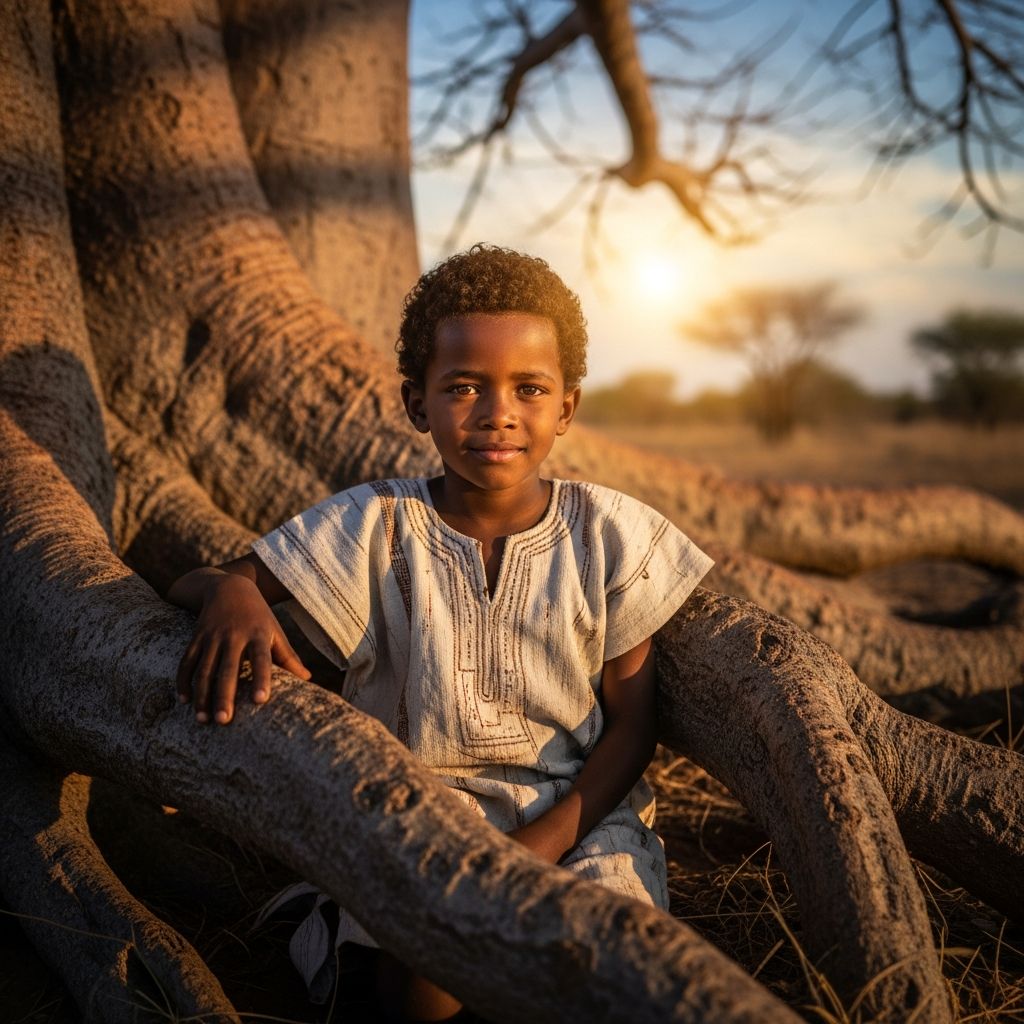
Naming a baby boy in many African cultures is more than choosing a pleasant sound; it is an act of storytelling, blessing, and identity-building. Parents often select names that reflect family history, faith, personality hopes, or the circumstances surrounding a child’s birth.
Why African Boy Names Are So Meaningful
African boy names are rich with layers of meaning, often tied to language, ancestry, and community values. Many names express virtues like courage, wisdom, or peace, while others describe the time of birth, family lineage, or gratitude for a long-awaited child.
In various regions of Africa, a name can also speak to seasons, natural elements, or important spiritual beliefs. Choosing such a name for your son can be a beautiful way to honor heritage, connect him to a larger story, and give him a source of pride as he grows.
Key Themes in African Boy Names
Across the continent, certain themes appear again and again in boy names, reflecting what families value most. Understanding these themes can help you decide what kind of story you want your child’s name to tell.
- Strength and bravery: Names that speak of warriors, lions, and resilience are common, celebrating a boy’s future courage in life.
- Faith and spirituality: Many names reference God, blessings, or divine protection, showing the family’s trust in something greater than themselves.
- Joy and gratitude: Words for happiness, laughter, and thanksgiving frequently appear, especially for children who arrived after loss or long waiting.
- Time and circumstances of birth: Names may describe the day, season, or situation in which a baby entered the world.
- Connection to nature: Rivers, skies, animals, and other natural symbols often appear in names that honor the environment and land.
Regional Flavors: Names Across the Continent
Africa is incredibly diverse, and naming traditions vary widely between regions, languages, and communities. The same theme might appear in different ways depending on whether a name comes from West, East, Central, North, or Southern Africa.
| Region | Common Naming Focus | Typical Inspirations |
|---|---|---|
| West Africa | Days of the week, birth order, praise of God and ancestors. | Family lineage, community leaders, spiritual gratitude. |
| East Africa | Virtues, character, and life’s journey. | Peace, strength, wisdom, and paths or journeys. |
| Central Africa | Clan history and personal destiny. | Names tied to proverbs, history, and expectations for the child. |
| North Africa | Religion, nobility, and honor. | Spiritual qualities, noble traits, and cultural heroes. |
| Southern Africa | Emotions, experiences, and social harmony. | Peace, unity, gratitude, and communal well-being. |
While these patterns are helpful, it is important to remember that each country and ethnic group has its own naming rules and traditions. Two boys living a few villages apart may share a language but follow very different naming customs within their families.
Types of African Boy Names and What They Express
To make the search easier, it helps to group names by the kind of message they carry. Below are some of the most popular categories parents often explore when looking for African boy names.
Names that Celebrate Strength and Courage
Many parents want a name that will inspire their son to face life with confidence, resilience, and bravery. Across the continent, names that hint at warriors, power, or protection are especially popular for boys.
- Names that refer to lions, eagles, or other powerful animals.
- Names that literally mean “strong,” “victorious,” or “warrior.”
- Names that describe inner strength, such as endurance or persistence.
Names that Reflect Peace and Harmony
In communities that have known conflict or hardship, choosing a peaceful name can be an act of hope. These names may speak of calm, unity, or a desire for the child’s life to be free from turmoil.
- Names that mean “peace,” “tranquility,” or “rest.”
- Names symbolizing reconciliation or the end of conflict.
- Names tied to harmony between people, families, or nations.
Names Linked to Faith and Blessings
Spiritual names are especially common, reflecting deep religious and cultural roots. These names emphasize protection, gratitude, and divine favor, and they can be a way of dedicating the child to a higher purpose.
- Names that directly mention God or a supreme being.
- Names meaning “blessing,” “gift,” or “thanksgiving.”
- Names that express trust, hope, or protection from above.
Names About Birth Timing and Circumstances
Another strong tradition in many African cultures is to name children after the moment they entered the world. This can include the day of the week, season, weather, or special events happening in the community.
- Names tied to specific days, such as names traditionally used for boys born on a given weekday.
- Names referencing dawn, night, rain, or harvest seasons.
- Names capturing unusual events around the birth, such as a long journey, a festival, or a time of mourning.
Sample African Boy Names and Their Meanings
The following examples are grouped by the feeling or idea they express. Treat them as inspiration, and always double-check pronunciation and cultural context if you are not from the community the name comes from.
Names That Suggest Strength
- Jabari – Often associated with the idea of a brave or fearless person.
- Mandla – Linked with power, might, or strength in certain Southern African languages.
- Ekon – Commonly interpreted as strong or powerful, especially in West African contexts.
- Zuberi – Typically understood to mean strong or robust in some East African naming traditions.
Names That Evoke Peace and Joy
- Amani – A name often associated with peace or security in several African and related languages.
- Farai – Linked to rejoicing or happiness in parts of Southern Africa.
- Dakarai – Usually taken to mean joy or happiness in certain Shona-speaking communities.
- Udo – A short, gentle name connected to the concept of peace in some West African languages.
Names Rooted in Faith and Blessings
- Baraka – Often translated as blessing, widely recognized in East Africa and beyond.
- Obasi – In some traditions, linked to royalty and reverence for God.
- Hamidi – Commonly tied to the ideas of being praised or admired, especially in East African usage.
- Folami – Frequently connected with honor and respect in certain West African languages.
Names Inspired by Time, Nature, and Life Events
- Kofi – Traditionally given to boys born on a specific weekday in some Ghanaian communities.
- Kwesi – Often associated with birth on a particular day or with strength, depending on local convention.
- Mhina – Linked with the moon or nighttime in some East African regions.
- Zaire – Inspired by a great river and used as a strong, flowing name for boys.
Respecting Culture When Choosing an African Name
If you are selecting an African name from outside the culture it comes from, it is important to take a respectful, thoughtful approach. Names are deeply personal, and in many communities they carry spiritual and historical weight.
- Take the time to learn the name’s exact meaning, origin, and traditional usage.
- Ask native speakers or community members about pronunciation and any special traditions tied to the name.
- Avoid treating the name as a trend; honor the people and culture it belongs to by using it with care.
- Consider middle names and family names to balance cultural roots, especially in multicultural families.
Practical Tips for Deciding on the Right Name
With so many beautiful African boy names available, choosing just one can feel overwhelming. A structured approach can turn the process into a joyful, meaningful experience for your family.
- Clarify your priorities: Decide what matters most: meaning, sound, origin, uniqueness, or ease of pronunciation.
- Shortlist by theme: Pick a theme—such as strength, peace, gratitude, or nature—and list names that fit it.
- Say the names out loud: Test how they sound with your family surname and any middle names you like.
- Check spelling and pronunciation: Make sure both are clear enough for everyday use in your community while still true to the name’s roots.
- Involve loved ones: If culturally appropriate, ask elders, relatives, or community members for their thoughts and blessings.
Frequently Asked Questions About African Boy Names
Can I use an African name if I am not African?
Anyone can appreciate and choose an African name, but it is important to do so respectfully. Learn the meaning, ensure you pronounce it correctly, and acknowledge the culture that created it rather than treating it as a fashion statement.
How many names do African children usually have?
This varies widely by region and tradition. Some children receive a traditional name plus a religious or Western name, while others may have names that reflect both family heritage and the circumstances of birth.
What if family members struggle to pronounce the name?
You can help by sharing a simple pronunciation guide and practicing together. Some families choose a longer traditional name for official use and a shorter nickname for everyday life.
Are African boy names always tied to religion?
No. While many African names mention God, blessings, or spirituality, others focus on emotions, natural elements, or family history. You can easily find names that fit any belief system or level of religious involvement.
Is it better to choose a unique name or a well-known one?
Both options can be wonderful. A unique name may stand out and feel special, while a more familiar one can make life easier in schools and workplaces. Think about your child’s future environment and choose what feels right for your family.
Bringing It All Together
Choosing an African boy name is an opportunity to give your child a powerful story he can carry for life. Whether you are drawn to names that speak of strength, peace, faith, or joyful beginnings, each carefully chosen name has the potential to connect your son to a deep sense of identity and belonging.
By exploring different regions, meanings, and traditions, and by honoring the cultures behind each name, you can find a name that not only sounds beautiful but also reflects your family’s values and hopes for the future.