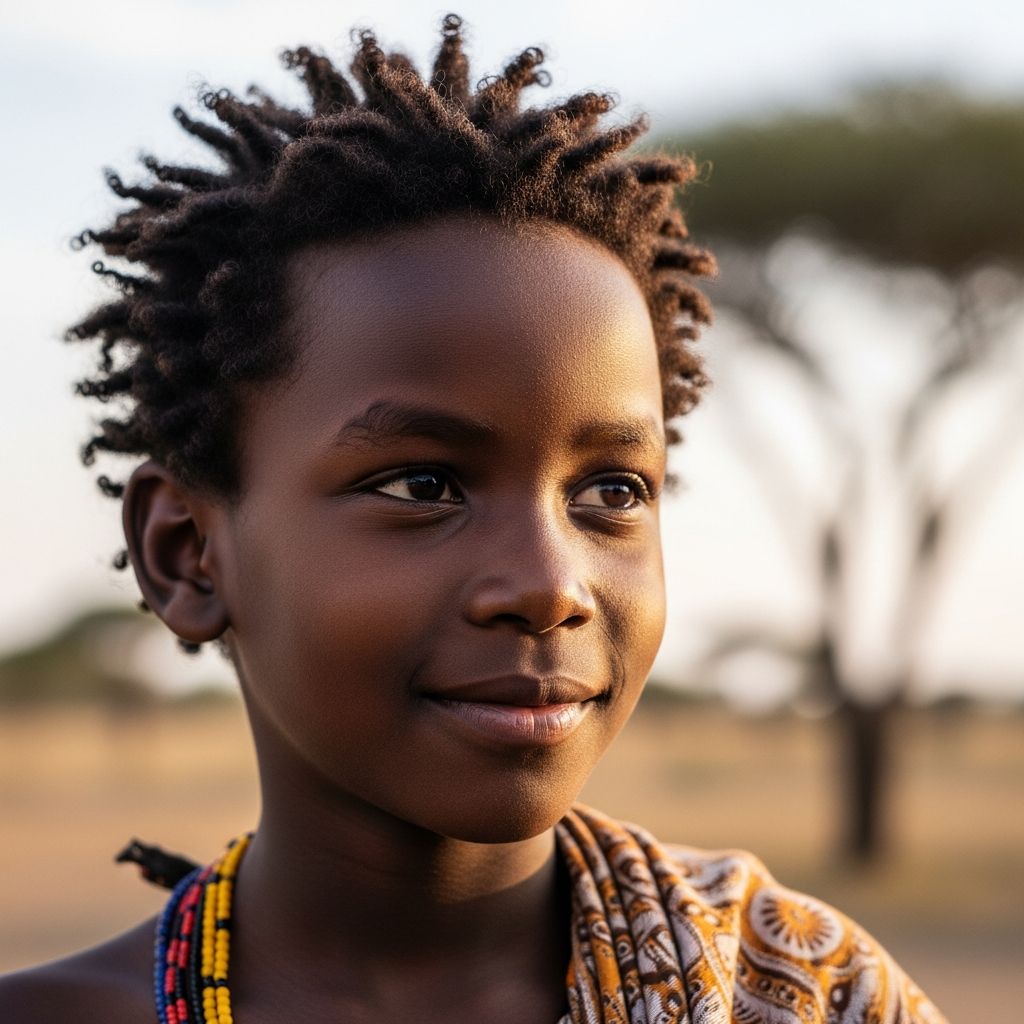
Naming a baby boy is more than simply picking a name that sounds nice; in many African cultures, it is a spiritual, cultural, and family event that connects the child to ancestors, history, and hope for the future. Parents often choose names that capture blessings, strength, gratitude, or the circumstances surrounding a child’s birth.
This guide explores African boy names from different regions, explains what they mean, and offers ideas for choosing a name that reflects both heritage and individuality. You will find name lists, cultural notes, and practical tips, all presented in a way that is easy to use when shortlisting your favorites.
Why African Boy Names Are So Meaningful
African naming traditions are incredibly rich. Instead of choosing a name purely for style, many families focus on meaning. A name can describe the child’s personality, the family’s gratitude, or prayers for the child’s future character.
- Names often express virtues such as courage, wisdom, peace, or love.
- Some names commemorate an ancestor or honor a family story.
- Others describe when or how the child was born, such as the day of the week or birth order.
By choosing an African boy name, you are not only giving your child a label; you are telling a story and passing on a legacy.
Understanding Regional Roots and Languages
The African continent is vast and diverse, with thousands of languages and ethnic groups. Boy names may come from widely spoken languages like Swahili and Arabic-influenced dialects, or from specific ethnic communities like Yoruba, Igbo, Zulu, or Akan.
When selecting a name, it is helpful to understand where it comes from and how it is traditionally used. The same name might exist in several regions but carry slightly different spellings or meanings.
Major Naming Traditions at a Glance
| Region / Tradition | Common Features | Example Style of Name |
|---|---|---|
| West Africa (Yoruba, Igbo, Akan) | Names tied to birth order, circumstances, or spiritual thanks. | Names meaning “born first”, “God is good”, or “joy has come”. |
| East Africa (Swahili and related languages) | Strong emphasis on virtues like peace, strength, and hope. | Names meaning “peace”, “strong”, or “hopeful”. |
| Southern Africa (Zulu, Xhosa, Shona, others) | Names may reflect emotions, events, or aspirations. | Names meaning “happiness”, “we are grateful”, or “gift”. |
| North & Sahel regions | Strong influence from Arabic and Islamic traditions. | Names meaning “servant of God”, “wise”, or “guided”. |
Names That Celebrate Strength and Courage
Many parents want a name that will remind their son to be brave, resilient, and confident. Names that carry meanings like “strong”, “warrior”, or “lion” are popular across the continent.
Below are some examples of strong-sounding African boy names with meanings focusing on power, boldness, and courage. These examples are illustrative; spellings can vary by language and community.
- Jabari – Often interpreted as “brave one” and associated with courage and fearlessness.
- Mandla – Linked with the idea of strength or power, frequently used in Southern Africa.
- Simba – Commonly associated with the word “lion” and therefore with leadership and bravery.
- Ekon – Connected with the image of inner strength or strong will.
- Akin – Associated with warriors and bravery, used in some West African communities.
These names do more than sound powerful. They also carry wishes that a child will grow into a protector, leader, or resilient adult.
Names Inspired by Peace, Joy, and Love
Not every family is drawn to fierce or warrior-like meanings. Many parents prefer names that focus on peace, joy, gratitude, and love. These names often reflect the emotional response to the child’s arrival.
- Amani – Frequently connected to the concept of “peace” or “wishes”, symbolizing harmony.
- Dakarai – Interpreted as “happiness”, often chosen to mark a joyful event.
- Rudo – Used in parts of Southern Africa with the meaning of “love” or deep affection.
- Asante – Associated with gratitude, commonly understood as “thank you” in certain East African languages.
- Baraka – Related to the idea of “blessing” or divine favor.
Choosing a name from this group is a beautiful way to say that your son represents reconciliation, joy, or cherished love within your family and community.
Names Linked to Faith and Spirituality
For many families, faith plays a central role in the naming process. Names that acknowledge God, blessings, or divine guidance can serve as a daily reminder of spiritual beliefs and values.
These names are especially meaningful when parents see their child as an answer to prayer or a sign of hope after hardship.
- Chinua – Often explained as a reference to God’s blessings or favor.
- Chiké – Commonly connected to the idea of God’s power or strength.
- Ermias – Usually interpreted as “God will uplift” or “God will raise”.
- Hakim / Hakeem – Associated with wisdom, sometimes used in a religious context to refer to divine wisdom.
- Qasim – Linked with the idea of fair distribution, often understood as a name with religious significance.
Names like these can serve as a lifelong anchor, reminding your son of his spiritual roots and the beliefs that shaped his family’s history.
Day Names, Birth Order, and Story-Based Names
One of the most fascinating aspects of African naming customs is the way names can encode a child’s birth story. In some communities, parents use “day names” that depend on which day of the week the child was born, while others emphasize birth order or circumstances.
- Kwame – Traditionally given to boys born on a Saturday in certain West African cultures.
- Kwesi – Associated with boys born on a Sunday, often with spiritual or peaceful connotations.
- Mosi – Sometimes used to signal “firstborn” or “the first”, emphasizing birth order.
- Baako – Also linked to firstborn sons among some Akan-speaking communities.
Using a day name or birth-order name is a way of marking a specific moment in time and giving it permanent significance in a child’s identity.
Nature, Earth, and Celestial-Themed Names
Nature plays a central role in many African cultures, so it is not surprising that some boy names are inspired by the earth, sky, animals, or major natural landmarks. These names can symbolize stability, beauty, or the awe of creation.
Examples include names connected with lions, the moon, or even famous waterfalls. A nature-inspired name can subtly express qualities like resilience, mystery, or a nurturing spirit.
- Simba – Linked with the “lion”, commonly associated with dignity and bravery.
- Azibo – Often interpreted as “earth” or groundedness in some West African contexts.
- Mhina – Sometimes connected to the “moon”, suggesting calm or quiet power.
- Mosi – In some traditions also associated with the name for a great waterfall, evoking natural grandeur.
Parents who love nature-inspired names often appreciate the way these choices can feel timeless and poetic without being overly common.
Blended, Modern, and Diaspora-Inspired Names
African and African diaspora communities often innovate with names, blending syllables, English words, or Arabic elements with African roots. This creative naming style allows families to honor heritage while embracing global influences.
Some names are adapted from African languages but given a modern twist, while others are English or European names that gained special popularity in African or African American communities.
- Jamir / Jamire – Modern names that blend sounds from different naming traditions, often used in African American communities.
- Prince – An English word-name widely embraced in African and African diaspora families to express royalty or high value.
- Maurice – A European-origin name that became strongly associated with Black communities in several regions.
- Ndidi – A traditional name meaning “patience” that is now known widely beyond its original community.
If you want a name that feels culturally rich yet contemporary, this category offers many creative possibilities.
How to Choose the Right African Boy Name
With so many beautiful options, it can be hard to narrow down the perfect name. A simple process can make the decision feel more grounded and less overwhelming.
Step-by-Step Name Selection Tips
- Clarify your priorities. Decide whether meaning, sound, cultural origin, or uniqueness matters most to you.
- Shortlist by meaning. Identify key themes such as strength, peace, faith, or gratitude, then collect only names that match those values.
- Check pronunciation. Say the name aloud with your surname, and consider how easily family and community members will say it.
- Look at nicknames. Many African names naturally shorten into affectionate nicknames; decide whether you like those informal versions.
- Respect cultural context. If a name comes from a community or language different from your own, take time to learn how it is traditionally used and pronounced.
The right name should feel natural when you say it, carry a meaning you are proud to explain, and fit comfortably within your family and cultural setting.
Sample Name Ideas by Theme
The table below groups sample African boy names according to common themes. This can be a starting point if you know the feeling you want the name to evoke but have not settled on a specific language or region.
| Theme | Sample Names | General Meaning or Feel |
|---|---|---|
| Strength & Courage | Jabari, Mandla, Simba, Akin, Ekon | Bravery, physical or inner strength, leadership. |
| Peace & Joy | Amani, Dakarai, Rudo, Asante | Calm, happiness, gratitude, contentment. |
| Faith & Blessing | Chinua, Chiké, Ermias, Baraka | Divine favor, uplift, spiritual closeness. |
| Birth Story | Kwame, Kwesi, Mosi, Baako | Day of birth, firstborn status, unique circumstances. |
| Nature & Earth | Simba, Azibo, Mhina, Mosi | Lion, earth, moon, natural landmarks. |
Frequently Asked Questions About African Boy Names
Can I choose an African name if I am not from that culture?
Yes, many families outside the African continent choose African boy names because they appreciate their meanings and beauty. The key is to be respectful: learn how to pronounce the name correctly, understand its meaning, and be open about why you chose it. Showing curiosity and care for the culture the name comes from is a sign of respect.
How important is correct pronunciation?
Pronunciation is very important, especially because small changes in sound can alter a name’s meaning in some African languages. Try to listen to native speakers, practice the correct accent marks if they exist, and teach friends and relatives how to say the name. Over time, correct pronunciation will honor both your child and the culture the name represents.
Should I worry about how the name will be received in other countries?
If you live in or expect to move to a multicultural environment, it is reasonable to consider how easily others will say and spell the name. However, many African names are simple, melodic, and increasingly familiar worldwide. You can always keep a formal traditional name and use a shorter nickname in situations where your child prefers something easier for others to pronounce.
Can my child have more than one African name?
Absolutely. In many African cultures, children receive multiple names: a given name, a family or clan name, and sometimes an additional name that describes circumstances of birth or family history. You might combine a heritage name with another name from your own background, giving your child a layered, meaningful identity.
How do I know if a name is appropriate to use?
Some names have sacred, ceremonial, or clan-specific meanings. To avoid misunderstandings, it is wise to research each name beyond its basic translation. If possible, speak with someone from the culture or read reliable sources that explain how and when the name is traditionally used. When in doubt, choose names widely recognized as general given names rather than titles or ritual names.
Final Thoughts on Choosing an African Boy Name
Choosing an African boy name is a powerful way to honor culture, tell a family story, and communicate values like courage, peace, or gratitude. Whether you gravitate toward a classic heritage name, a nature-inspired choice, or a modern blended name, focusing on meaning and respect will guide you toward the right decision.
Ultimately, the best name for your son will be the one that feels true every time you say it, carries a story you are proud to share, and gives him a sense of belonging to something larger than himself.