Creative Play Without the Price Tag: Making Family Entertainment Affordable
Parenting comes with numerous expenses, and entertainment costs can quickly add up. However, some of the most memorable experiences children have involve simple, inexpensive, or completely free activities. Whether you’re looking to reduce screen time, save money, or simply spend quality time with your children, there are countless engaging options that require little more than creativity and imagination. The key to successful family entertainment on a budget lies in understanding that children often find the greatest joy in unstructured play, hands-on creativity, and time spent with parents and siblings rather than expensive outings or the latest toys.
Transforming Your Home Into an Adventure Zone
Your home provides an excellent foundation for creative play and learning activities. One of the most universally beloved indoor projects involves constructing forts and hideaways using everyday materials found throughout the house. Children can gather blankets, pillows, cushions, and cardboard boxes to build their own personal sanctuaries. This activity develops spatial reasoning, problem-solving skills, and imaginative play while keeping kids engaged for extended periods.
Beyond fort-building, homes offer unlimited potential for hands-on activities. Creating playdough from scratch using flour, salt, water, and food coloring provides hours of tactile entertainment at minimal cost. Similarly, making slime with simple household ingredients like cornstarch, glue, and dish soap captivates children while teaching basic chemistry principles. These sensory experiences are particularly valuable for younger children and can be repeated endlessly with different colors and scents.
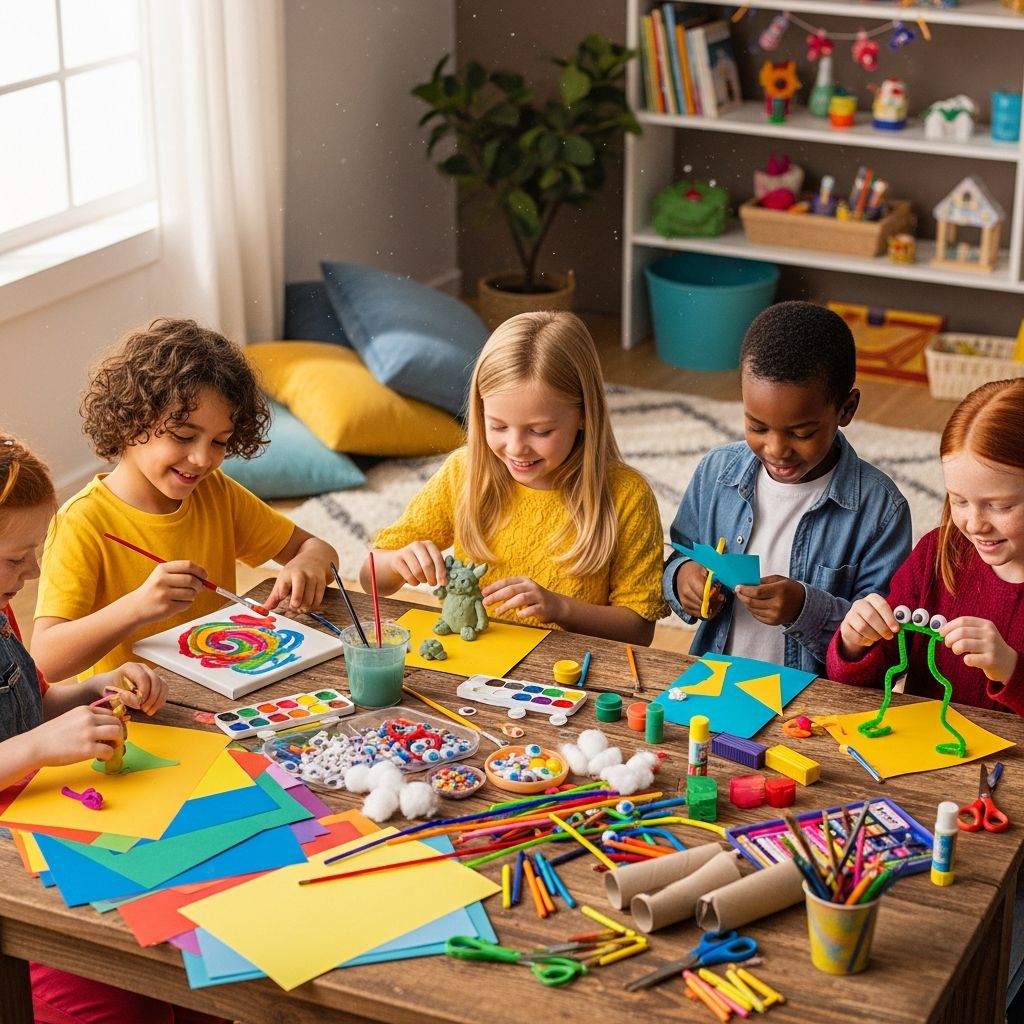
Art and craft projects transform rainy days into opportunities for self-expression. Fingerpainting with homemade or inexpensive paints, creating collages from magazines and recycled materials, or decorating plain items like flowerpots and picture frames keep children constructively busy. Building projects using Legos, wooden blocks, or even household items like plastic cups and paper tubes encourage creativity and spatial thinking.
Culinary Adventures: Learning Through Kitchen Activities
The kitchen presents numerous opportunities for child-friendly activities that combine learning with fun. Baking cookies, cakes, or homemade pizza involves children in measuring, mixing, and creating while producing something delicious. These activities teach basic math concepts, following directions, and an understanding of how ingredients transform through cooking. Children take particular pride in eating the results of their labor.
Beyond baking, creating homemade treats like lemonade, milkshakes, or popsicles allows children to experiment with flavors and textures. Making sherbet or hot cocoa from scratch introduces basic food science. Even simple activities like setting up a lemonade stand combine entrepreneurial learning with practical outdoor engagement.
Indoor Games and Quiet Time Activities
Rainy days or quiet time periods call for engaging indoor games that require minimal equipment. Board games and card games offer entertainment while developing strategic thinking, number skills, and social interaction. Many classic games cost little or nothing if you already own them, and variations can be created using homemade cards and simple rules.
Reading marathons where family members select books and snuggle together on couches or in blankets promote literacy while creating cozy bonding moments. Writing and storytelling activities, including collaborative story creation where each family member contributes sentences, encourage creative thinking and communication skills. Creating comic books or illustrated stories combines artistic and writing abilities.
Shadow puppet theater using nothing but a light source and hands or cutout shapes entertains children while encouraging dramatic play. Puzzle-solving, whether through commercial puzzles or handmade mazes created by family members, develops problem-solving abilities and patience.
Physical Activities and Movement-Based Play
Children require regular physical activity, and many movement-based games cost nothing to organize. Traditional games like hide-and-seek, tag variations (including freeze tag), and pillow fights provide cardiovascular exercise while building confidence and social skills. Obstacle courses constructed from household furniture, pillows, and cushions challenge children’s coordination and strength.
Dance parties with loud music encourage free movement and self-expression. Jump rope using rope found at home or purchased inexpensively develops coordination and provides excellent aerobic exercise. Playing with foam dart guns or water balloons offers outdoor cooling and entertainment during warm months.
Trampoline jumping, if you have access to one, provides hours of bouncing fun. Climbing trees in backyards or nearby parks develops gross motor skills and confidence. Three-legged races and other competitive games foster friendly competition and family engagement.
Outdoor Exploration and Nature-Based Activities
Nature provides endless entertainment and educational opportunities at no cost. Hiking on local trails introduces children to ecosystems, physical fitness, and environmental awareness. Nature walks where children collect interesting sticks, leaves, rocks, and other found items can be extended with collage-making or bookmark creation when returning home.
Bike and scooter rides offer transportation while serving as recreation. Exploring neighborhoods on foot encourages children to notice architectural details, plants, and community features they might otherwise miss. Taking photographs during nature adventures creates lasting memories while developing an eye for composition and detail.
Outdoor games include traditional sports like soccer, kickball, basketball, and badminton played in parks or yards. Frisbee tossing, kite flying, and rock-skipping in appropriate locations provide simple outdoor entertainment. During specific seasons, activities like building sandcastles at beaches, constructing snowmen, making snow angels, or jumping in puddles connect children to seasonal changes.
Community Resources and Local Experiences
Many communities offer free or very low-cost attractions that shouldn’t be overlooked. Public libraries provide not only free books but often host story hours, movie screenings, and children’s programs. Visiting parks with playgrounds, splash pads, or water features offers cool outdoor entertainment during warm months. Many municipalities maintain free or donation-based museums with regular community hours.
Local farmer’s markets and street fairs provide entertainment through exploration, sampling fresh produce, enjoying live music, and engaging with community members. Beaches and public pools offer swimming and water play. Petting zoos and seasonal attractions like pumpkin patches and ice skating rinks appear periodically throughout the year and can be found through community event calendars.
Volunteer opportunities introduce children to community service while teaching empathy and responsibility. Donating items to charity, helping with community cleanup efforts, or participating in local events foster a sense of contribution.
Educational and Skill-Building Activities
Many free activities simultaneously educate and entertain. Science experiments using household items like baking soda, vinegar, and food coloring demonstrate basic scientific principles. Creating musical instruments from recycled materials or learning to play chess, juggle, or perform magic tricks develops specific skills while maintaining engagement.
Gardening activities, from planting sunflower seeds to maintaining a fairy garden, teach botany and patience. Bird watching and insect hunting with magnifying glasses encourage observation skills and nature awareness. Geocaching, using GPS or smartphone apps to find hidden containers in outdoor locations, combines technology with outdoor exploration.
Creating family books with photographs and information about each member preserves memories while strengthening family identity. Writing letters to distant relatives maintains family connections across distances. Scrapbooking with family photographs and mementos creates lasting keepsakes.
Seasonal and Weather-Dependent Activities
Different seasons and weather conditions offer unique activity opportunities. Summer activities include water balloon fights, backyard camping with marshmallow roasting, bonfire gatherings, and running through sprinklers. Winter activities feature snowman building, ice skating, and hot cocoa preparation. Spring activities include flower planting and observation. Fall activities involve pumpkin patch visits and leaf collection.
Inclement weather needn’t dampen spirits—rain can be embraced through puddle jumping and neighborhood exploration to observe how weather changes the landscape. Sunset picnics and sunrise breakfasts create memorable moments with minimal cost.
Digital Entertainment Alternatives
While screen time should be limited, some digital activities offer educational value when approached thoughtfully. Creating movies using camcorders or smartphone cameras and computer editing software combines technology with storytelling and creative production. Online games played together can foster competition and connection. Creating blogs or websites teaches digital literacy and communication skills.
Social and Collaborative Play
Many activities are enhanced when involving multiple children or family members. Writing and performing plays for family audiences develops confidence and theatrical skills. Dress-up games allowing children to assume different roles encourage imaginative play. Board game nights become family traditions that create lasting memories.
Collaborative building projects using Legos, blocks, or found materials teach cooperation and creative problem-solving. Talent shows where family members showcase abilities celebrate individual strengths while entertaining others. Trivia games, whether using existing questions or creating custom ones about family members, combine learning with entertainment.
Establishing a Sustainable Activity Routine
The most successful approach to budget-friendly family entertainment involves creating a diverse rotation of activities that prevent boredom while allowing children to develop deeper skills. Balancing indoor and outdoor activities, quiet and active pursuits, and structured and free play creates a well-rounded experience. Involving children in activity planning increases investment and excitement.
Seasonal rotations ensure novelty throughout the year. Maintaining a accessible list of activities helps parents quickly identify options when children express boredom. Creating special traditions around specific activities—like Tuesday game nights or Friday craft time—builds family culture while ensuring consistent quality time.
Frequently Asked Questions
Q: What are the most budget-friendly activities for young children?
A: Sensory activities like homemade playdough, slime-making, fingerpainting, and water play provide excellent entertainment for young children with minimal cost. Fort-building, reading together, and simple music and dance also captivate toddlers and preschoolers effectively.
Q: How can I reduce screen time while keeping kids entertained?
A: Offering diverse activities including physical play, creative projects, outdoor exploration, and family games naturally reduces screen dependency. Establishing designated screen-free times and creating engaging alternatives helps transition children toward reduced device usage.
Q: Are these activities suitable for all age groups?
A: Yes, activities can be adapted for different age groups. Younger children benefit from sensory and imaginative play, while older children enjoy skill-building activities, strategic games, and more complex creative projects.
Q: How do I find local free or low-cost attractions in my area?
A: Search community Facebook pages, local government websites, library event calendars, and tourism boards for information about free attractions, park amenities, and seasonal events in your area.
Q: What should I do if my child complains of boredom despite having many activities available?
A: Help your child brainstorm combinations of activities or create new variations of familiar games. Sometimes “boredom” indicates a need for a specific type of engagement—if they’re restless, physical activity may help; if they’re seeking connection, collaborative activities work better.
References
- 100 Ways to Have Fun with Your Kids for Free or Cheap — Zen Habits. https://zenhabits.net/100-ways-to-have-fun-with-your-kids-for/
- 100+ Screen-Free Activities For Kids (With Free Printable!) — The Proverbial Homemaker. https://www.proverbialhomemaker.com/100-screen-free-activities-kids-printable.html
- 41 Cheap or Free Activities to Do with Kids (No Screens!) — Lovely Indeed. https://lovelyindeed.com/cheap-free-activities-to-do-with-kids/
- 77 Things to Do Instead of Screens — Sparkle Stories. https://www.sparklestories.com/blog/post/77-things-to-do-instead-of-screens/
- Free Activities To Do With Your Family — Happy Simple Mom. https://www.happysimplemom.com/20-free-activities-to-do/