Postpartum depression affects up to 15-20% of new mothers, posing risks to maternal and infant well-being. Recent meta-analyses confirm that aerobic exercise offers a powerful, accessible intervention to lower these risks and alleviate symptoms.
Understanding Postpartum Depression and Its Impact
Postpartum depression (PPD) manifests as persistent sadness, anxiety, fatigue, and irritability in the weeks or months following childbirth. Unlike the fleeting ‘baby blues,’ PPD can disrupt bonding with the baby, impair daily functioning, and lead to long-term mental health challenges. Hormonal shifts, sleep deprivation, and physical recovery contribute to its onset, making prevention crucial.
Globally, PPD influences millions annually, straining families and healthcare systems. Early intervention through lifestyle changes like exercise can mitigate these effects without relying solely on medication.
The Science Behind Exercise and Mental Health
Physical activity triggers endorphin release, stabilizes mood-regulating neurotransmitters like serotonin and dopamine, and reduces inflammation linked to depression. For postpartum women, exercise also counters weight retention, boosts energy, and improves sleep—key factors in mood stability.
Aerobic exercises, including walking, jogging, swimming, and cycling, elevate heart rate moderately, promoting cardiovascular health while being gentle on the recovering body. Studies show these activities enhance brain-derived neurotrophic factor (BDNF), supporting neural plasticity and resilience against depressive episodes.
Key Research Findings on Aerobic Exercise for PPD
A comprehensive meta-analysis of 26 randomized controlled trials involving 2,867 participants demonstrated aerobic exercise significantly outperforms standard care in preventing and treating PPD. The mean difference in depression scores was -1.90 (95% CI: -2.58 to -1.21), indicating substantial symptom reduction.
Prevention showed even stronger effects than treatment, underscoring exercise’s prophylactic value. Optimal protocols involved 3-4 sessions per week, lasting 35-45 minutes at moderate intensity. Supervised group sessions yielded slightly better outcomes (MD = -1.66) than unsupervised ones (MD = -1.37).
Another pooled analysis of meta-analyses reported a small but significant effect size (SMD = -0.41; 95% CI: -0.50 to -0.32), affirming exercise’s superiority over psychosocial interventions alone.
Pregnancy Exercise Programs and Postpartum Outcomes
Initiating exercise during pregnancy yields lasting benefits. A randomized trial with pregnant women in their second and third trimesters followed a 16-week program of 60-minute sessions three times weekly, combining aerobics and resistance training. While primary postpartum depression screening at three months showed no overall difference, secondary analyses revealed reduced antenatal depression and benefits for adherent participants.
Compliance challenges highlight the need for flexible, supportive programs. Structured progression—from 15 minutes aerobics in early stages to 25 minutes later—ensures safety per guidelines from bodies like the American College of Obstetricians and Gynecologists.
Optimal Exercise Recommendations for New Mothers
| Exercise Type | Frequency | Duration | Intensity | Best For |
|---|---|---|---|---|
| Walking/Jogging | 3-4x/week | 35-45 min | Moderate (can talk but not sing) | Beginners, daily integration |
| Swimming/Water Aerobics | 3x/week | 40 min | Moderate | Low-impact, joint relief |
| Cycling | 3-4x/week | 35-45 min | Moderate | Cardio boost, home option |
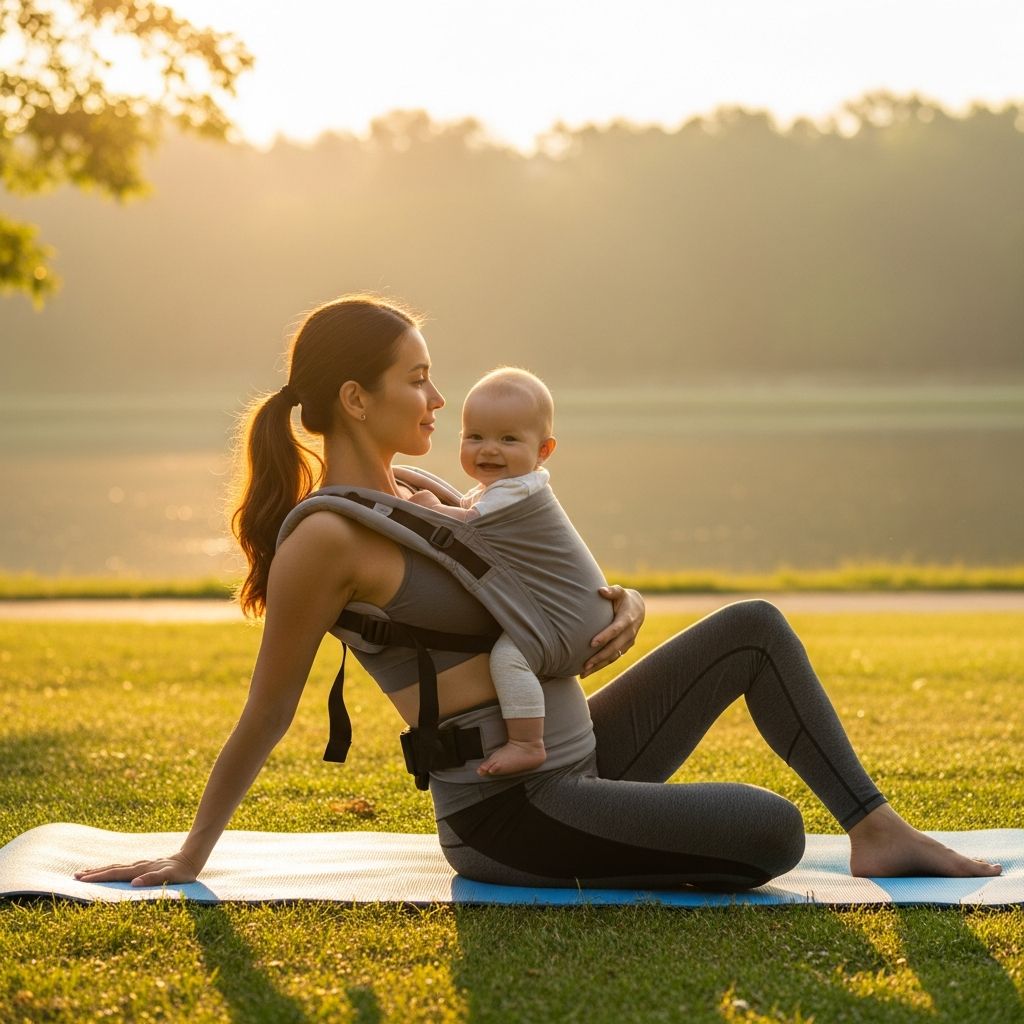
| Dancing/Stroller Walks | 3x/week | 45 min | Moderate | Fun, social, baby-inclusive |
These routines align with research showing no significant differences in efficacy across aerobic types like dance, swimming, or running, allowing personalization.
Practical Ways to Incorporate Exercise Postpartum
- Start Slow: Begin with 10-15 minute walks, gradually building to recommended volumes. Consult healthcare providers for clearance, especially after C-sections.
- Group Classes: Join postnatal yoga, pilates, or stroller fitness groups for motivation and supervision, which enhance adherence and effects.
- Home Workouts: Use apps or videos for dancing or bodyweight aerobics when childcare limits outings.
- **Partner Up:** Involve partners or friends for accountability; team-based exercise may amplify mental health gains.
- Track Progress: Monitor mood with tools like the Edinburgh Postnatal Depression Scale (EPDS) to correlate activity with improvements.
Benefits Beyond Mood Enhancement
Exercise during postpartum recovery aids physical healing: reduces urinary incontinence, preserves bone density amid lactation, and facilitates weight management. It fosters better sleep, lowers anxiety, and strengthens mother-infant bonds through increased confidence and energy.
Hormonal regulation from consistent activity balances postpartum fluctuations, providing multifaceted wellness support.
Addressing Barriers and Safety Tips
Common hurdles include fatigue, time scarcity, and body image concerns. Overcome them by scheduling short sessions, prioritizing self-care, and focusing on non-scale victories like elevated mood.
Safety first: Avoid high-impact activities pre-clearance; stay hydrated; watch for overexertion signs. Moderate intensity—brisk walking pace—is ideal for sustainability.
Role of Professional Guidance
Supervised programs, as in research settings, boost efficacy. Collaborate with obstetricians, physical therapists, or certified postnatal trainers. Digital eHealth tools show promise but require tailoring for high-risk groups.
Future Directions in Research
While current evidence is robust, gaps persist in long-term outcomes, diverse populations, and hybrid interventions (exercise + therapy). Network meta-analyses suggest exploring team dynamics and varied intensities further.
Primary prevention trials during pregnancy, with better compliance strategies, could solidify exercise as first-line PPD defense.
Frequently Asked Questions (FAQs)
Can exercise completely prevent postpartum depression?
No single factor guarantees prevention, but aerobic exercise significantly lowers risk and severity, especially when started prenatally.
What if I’m too tired to exercise postpartum?
Opt for brief, gentle sessions like 10-minute walks; consistency trumps intensity initially. Energy often improves with routine.
Is group exercise better than solo for PPD prevention?
Yes, supervised group settings show marginally superior results, plus added social support.
How soon after birth can I start exercising?
Light activity like walking can resume soon post-vaginal delivery; wait 4-6 weeks after C-section or per doctor’s advice.
Does exercise help if I already have PPD symptoms?
Yes, it effectively treats mild-moderate symptoms, comparable to or better than standard care.
References
- Effectiveness of aerobic exercise in the prevention and treatment of postpartum depression — PLOS ONE. 2023-06-15. https://journals.plos.org/plosone/article?id=10.1371/journal.pone.0287650
- Efficacy of Regular Exercise During Pregnancy on the Prevention of Postpartum Depression — JAMA Network Open. 2023. https://jamanetwork.com/journals/jamanetworkopen/fullarticle/2720074
- Exercise prevents and treats postpartum depression, study finds — ABC News. 2023. https://abcnews.go.com/GMA/Wellness/exercise-prevents-treats-postpartum-depression-study-finds/story?id=105274584
- Effects of Exercise during Pregnancy on Postpartum Depression — PMC / NIH. 2021-12-09. https://pmc.ncbi.nlm.nih.gov/articles/PMC8698776/
- Effect of physical activity on prevention of postpartum depression — Frontiers in Psychiatry. 2022. https://www.frontiersin.org/journals/psychiatry/articles/10.3389/fpsyt.2022.984677/full