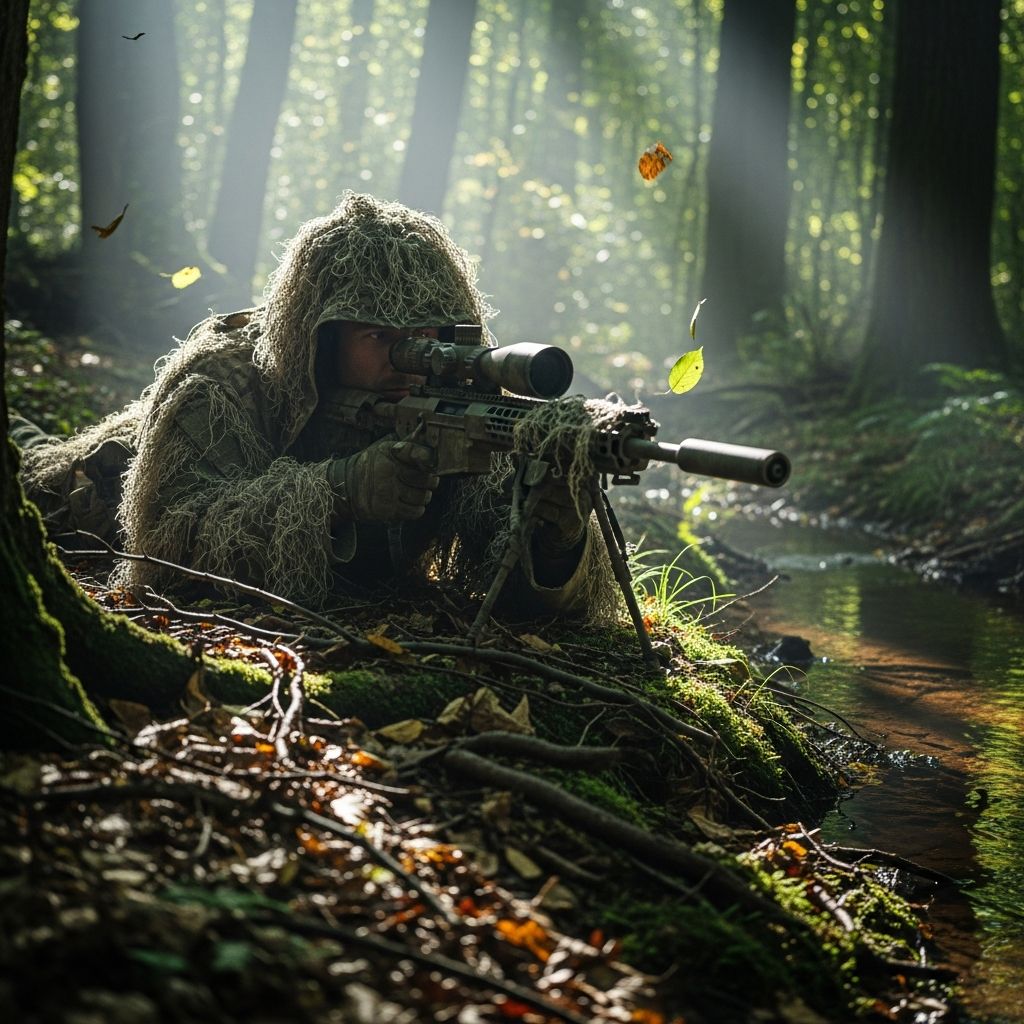
Hide-and-seek stands as a timeless childhood game that sharpens instincts, fosters creativity, and builds confidence. But what if you could elevate it from simple play to a strategic masterpiece? Drawing inspiration from real-world elite training, this guide reveals advanced tactics to make your child the ultimate hider. These methods, adapted from high-stakes concealment experts, emphasize preparation, deception, and adaptability—turning ordinary homes into battlegrounds of cunning.
Building a Winning Foundation Before the Game Starts
Success in hide-and-seek begins long before the countdown. Elite operatives know that preparation is the cornerstone of dominance. Teach your kids to scout, blend, and stage their environment proactively. This pre-game phase levels the odds, allowing hiders to control the battlefield from the outset.
Choose the Right Gear for Blending In
Camouflage isn’t just for forests—it’s essential indoors too. Select clothing that disrupts outlines against common home backdrops. Patterns like plaid or mixed neutrals break up body shapes, making detection harder. For ultimate edge, match outfits to furniture tones; imagine a child in earth-toned layers vanishing against a rug or chair.
- Plaid pajamas: Versatile for most living rooms.
- Layered neutrals: Browns, grays, and beiges mimic upholstery.
- Texture matches: Fuzzy fabrics echo blankets or pillows.
Encourage experimentation: test outfits in potential spots during casual play to refine choices.
Conduct Thorough Reconnaissance
Recon means surveying the terrain. Kids should map hiding zones offering multi-angle cover—think behind sofas, within curtain folds, or under beds. Prioritize overlooked areas like storage bins from recent moves or appliance packaging. These ‘dead zones’ evade routine searches.
| Hiding Spot Type | Pros | Cons | Best For |
|---|---|---|---|
| Sofa crevices | Multi-angle shield | Limited space | Quick hides |
| Closet depths | Full enclosure | Noise risk | Long games |
| Curtain drapes | Easy access | Shadow casting | Misdirection |
| Unpacked boxes | Unsuspected | Temporary | New homes |
Use this table during family briefings to strategize spots by room.
Pre-Stage for Seamless Integration
Transform suspicion into normalcy by arranging props ahead. Drape spare blankets over chosen areas casually, as if always there. Stock multiple sites—seekers dismiss ‘obvious’ piles after initial checks. This tactic shines in multi-round marathons.
Executing Flawless Moves During the Hunt
With setup complete, the real test unfolds. Countdowns heighten seeker senses, demanding silent precision and clever ploys. Master these in-motion skills to outfox opponents repeatedly.
Exploit Audio Deception
Closed eyes amplify hearing. Create noise diversions: stomp loudly toward a decoy zone, then creep back silently. This plants false trails, buying precious repositioning time.
- Foot scuffs toward kitchen.
- Sudden hush and pivot.
- Repeat for layered confusion.
Maintain Ground-Level Profile
Shadows betray elevated positions. Crouch low—bellies to floor reduce silhouettes and light blocks. This stance also muffles sounds, doubling effectiveness.
Master Controlled Respiration
Movement draws eyes, but breathlessness leads to disaster. Instruct slow, deep inhales through the nose, exhales via mouth—silent and steady. Practice yields calm under pressure.
Advanced Deception: Turn the Tables
Pro games demand evolution. After early rounds, anticipate patterns and counter with decoys and mobility.
Deploy Pillow Phantoms
Post-first find, stuff blankets with cushions to mimic forms. Slip away to secondary pre-staged haven. Seekers waste time probing dummies.
Harness Room Dynamics
Target dual-door rooms. Lurk outside one entry; as seekers enter the other, loop behind them. Claim the now-cleared space undetected. This ‘ghost maneuver’ frustrates exhaustive searches.
Expand to outdoor variants: bushes with pre-draped tarps or play forts become SEAL proving grounds.
Age-Tailored Strategies for All Kids
Adapt tactics by developmental stage for maximum engagement.
| Age Group | Key Focus | Tactics |
|---|---|---|
| 3-5 years | Basics | Simple camo, easy spots, fun sounds |
| 6-8 years | Misdirection | Recon, low stance, basic decoys |
| 9-12 years | Advanced | Movement loops, multi-decoys, staging |
Younger ones build confidence; older kids hone cunning.
Boosting Family Bonds Through Strategic Play
Beyond wins, these methods teach resilience, observation, and quick thinking—lifelong assets. Parents join as rotating seekers, modeling sportsmanship. Track victories in a ‘mission log’ for motivation.
Variety prevents staleness: themed rounds (night ops with flashlights) or team hides amplify fun. Safety first—define boundaries, avoid hazards.
Frequently Asked Questions
What age can kids start these tactics?
From 4 onward, scaled simply. Toddlers enjoy basic blending.
Does this work outdoors?
Yes—adapt to foliage, structures. Pre-stage natural covers.
How to counter expert seekers?
Rotate spots wildly; use mobility over static hides.
Is physical fitness needed?
Endurance helps movement; build via play.
Can groups use these?
Coordinate signals for team decoys and flanks.
Psychological Edge: Outthink the Seeker
Stealth pairs with mind games. Predict seeker paths—kitchens first, then bedrooms. Hide in last-expected zones. Feign finds to mislead.
Post-game debriefs analyze what worked, refining skills. This mirrors elite after-action reviews, fostering growth mindset.
Common Pitfalls and Fixes
- Giggling: Breathing drills curb it.
- Static positions: Mobility counters repeats.
- Predictability: Vary routines per game.
Avoid overconfidence—true masters stay humble.
Elevating Hide-and-Seek to Elite Training
Integrate tech sparingly: timers for breaths, maps for recon. But prioritize unplugged immersion. These tactics, born from SEAL expertise, transform play into profound skill-building.
Watch your child evolve from novice to legend, sparking pride and unbreakable family ties.
References
- A Navy SEAL’s Tips On How To Dominate Hide-And-Seek — Fatherly. 2016. https://www.fatherly.com/love-money/a-navy-seals-tips-on-how-to-dominate-hide-and-seek
- A Navy SEAL’s Guide To Dominating Hide-And-Seek — Task & Purpose. 2016. https://taskandpurpose.com/news/a-navy-seals-guide-to-dominating-hide-and-seek/
- Hide and Seek Tips — Art of Problem Solving. N/A. https://artofproblemsolving.com/community/c1796107h2473819_hide_and_seek_tips_ig