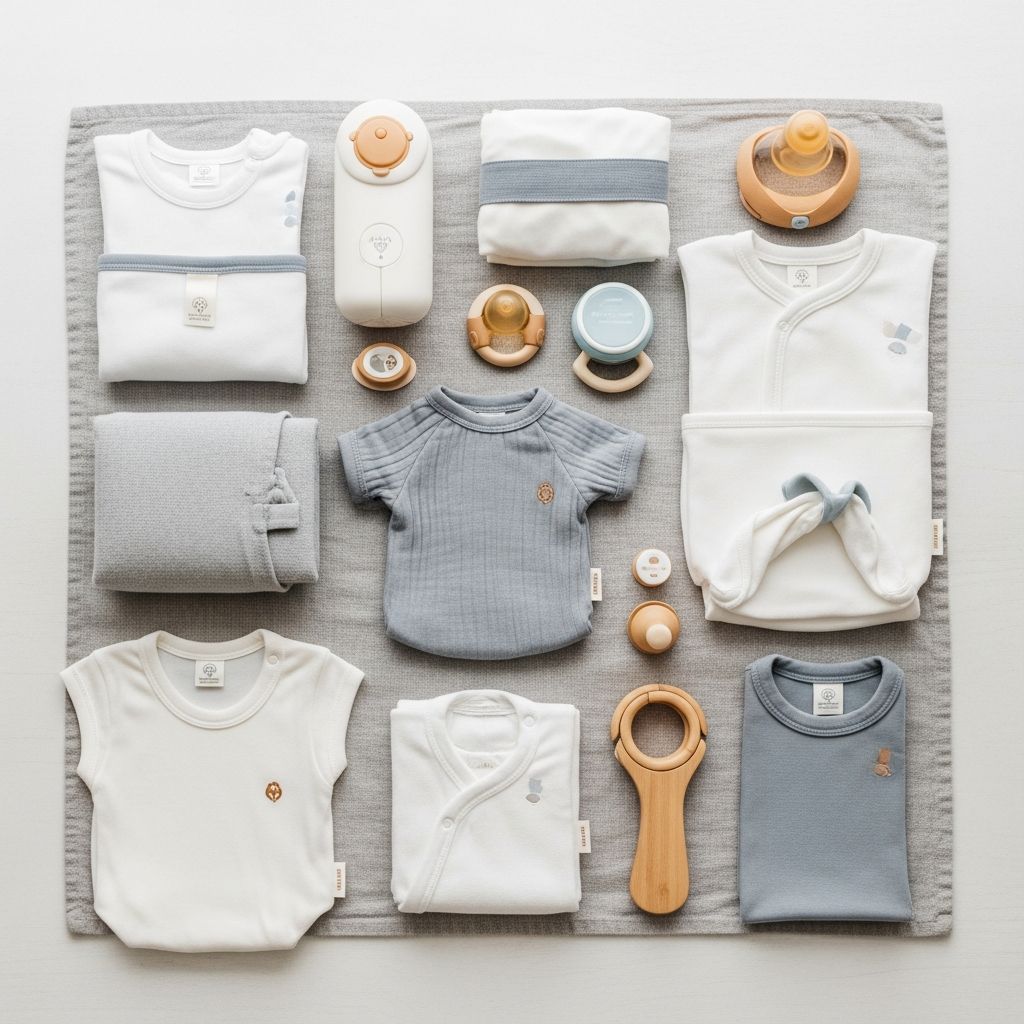
Adopting a child brings immense joy and requires thoughtful preparation. Unlike traditional pregnancies, adoption often involves sudden travel and variable timelines, making a well-planned inventory crucial. This guide outlines key categories of items to gather, focusing on practicality for both immediate hospital pickups and long-term home life. Whether expecting a newborn or older child, these recommendations help create a nurturing environment from day one.
Preparing for the Adoption Journey
Adoption trips can be unpredictable, spanning states or even countries, so pack versatile essentials that support you and your new child during transitions. Prioritize lightweight, multi-use items that fit airline or car travel constraints.
- Travel Luggage: Choose durable suitcases with compartments for organization, including a dedicated diaper bag stocked with quick-access necessities.
- Clothing Storage: Waterproof bags for soiled items and compact laundry pods to maintain hygiene in hotels.
- Health Basics: Compact first-aid kits with bandages, antiseptics, and child-safe medications.
- Comfort Gifts: Thoughtful tokens for birth family members, cleared in advance with legal advisors to comply with regulations.
These items ensure you’re ready for extended stays, allowing focus on bonding rather than logistics.
Building a Safe Nursery Haven
A cozy nursery provides stability post-adoption. Invest in sturdy, standards-compliant furniture that grows with your child, emphasizing safety and ease of use.
| Item | Quantity Recommendation | Key Features |
|---|---|---|
| Crib or Bassinet | 1 | Firm mattress, adjustable height, breathable mesh sides |
| Changing Station | 1 | Contoured pad, safety straps, nearby storage |
| Sheets and Protectors | 4-6 sets | Fitted, waterproof liners for easy cleanup |
| Glider or Rocker | 1 | Reclining mechanism for nighttime feeds |
| Sound Machine | 1 | White noise options mimicking womb sounds |
Storage solutions like bins and hampers keep the space clutter-free. Opt for non-toxic materials and secure all furniture to walls per safety guidelines from the Consumer Product Safety Commission.
Mobility and Comfort On the Go
Reliable transport gear is non-negotiable for car rides and outings. Select items certified for infant safety to protect during those first trips home.
- Car Seat System: Rear-facing infant seat with multiple bases for family vehicles, plus weather shields and mirrors for visibility.
- Stroller Options: Lightweight umbrella model for travel paired with a full-size version for daily use, including accessory hooks and canopies.
- Carriers: Ergonomic slings or wraps for hands-free bonding, supporting proper spinal alignment.
- Portable Sleepers: Pack ‘n Plays with fitted sheets for hotel or relative visits.
Test all gear beforehand to ensure compatibility and comfort, reducing stress during placement calls.
Feeding Fundamentals for New Beginnings
Most adoptions involve formula feeding, so stock up on quality supplies. Experiment with brands post-arrival to match your child’s preferences.
- Bottles and Accessories: 8-12 anti-colic bottles with varied nipple flows, sterilizers, warmers, brushes, and drying racks.
- Formula Supply: Initial two-week stock of pediatrician-recommended types, plus burp cloths (10+) for spills.
- Mealtime Gear: High chairs with trays, bibs, and portable boosters for outings.
- Pacifiers: Multiple shapes to soothe fussiness.
According to the American Academy of Pediatrics, proper sterilization prevents infections, vital for vulnerable newborns.
Diapering and Bathing Routines
Efficient diapering setups minimize messes, while gentle bathing products protect delicate skin. Start with disposables for travel convenience before considering cloth options.
| Category | Must-Haves | Tips |
|---|---|---|
| Diapering | Diapers (newborn-size 1+), wipes, rash cream, pail | Stock varied sizes; use disposable pads on the go |
| Bathing | Infant tub, hooded towels (6), washcloths (8), tear-free shampoo | Non-slip mats; rinse cups for gentle hair washing |
| Extras | Bath toys, lotion | Scent-free for sensitive skin |
Maintain a changing station on every level of your home for quick access, as frequent changes are the norm in early weeks.
Prioritizing Health and Safety Measures
Protect your child’s well-being with vigilant monitoring and prevention tools. Regular checks catch issues early, promoting healthy development.
- Monitors: Audio/video units with night vision and temperature sensors.
- Medical Kit: Thermometer, nail clippers, bulb syringe, infant pain relievers, gas drops.
- Safety Aids: Nightlights, outlet covers, cabinet locks for future-proofing.
- Outing Protectors: Cart covers, sunscreen for sensitive skin.
The Centers for Disease Control and Prevention emphasize secure sleep environments to reduce SIDS risks, guiding bassinet and crib choices.
Wardrobe and Bedding Essentials
Dress your child in soft, practical layers that accommodate growth spurts. Focus on easy-access clothing for frequent changes.
- Basics: Onesies (8-12), sleepers (6-8), swaddles (6-8), socks (12 pairs), hats, mittens.
- Outfits: Coming-home set, pants (6), footie pajamas.
- Bedding: Wearable blankets, sleep sacks for safe sleep.
Wash everything pre-arrival in hypoallergenic detergent. Community swaps or registries help build collections affordably.
Play and Developmental Supports
Early stimulation fosters growth. Simple, safe toys encourage sensory exploration without overstimulation.
- Board books for reading rituals.
- Activity gyms with mirrors and textures.
- Rattles, soft loveys for comfort.
- Batteries and extras for powered items.
Incorporate these gradually to observe preferences, supporting emotional security.
Smart Shopping Strategies
Maximize value through registries, second-hand quality checks, and bulk buys. Prioritize multi-age versatility for unexpected child sizes or ages.
- Join parent networks for hand-me-downs.
- Test gear via rentals before committing.
- Budget for replacements as needs evolve.
Adoption agencies often provide resource lists; leverage them for tailored advice.
Frequently Asked Questions
How soon should I prepare these items?
Begin 1-3 months pre-placement, but keep travel kit ready anytime, as matches can finalize quickly.
What if the child’s age differs from expected?
Stock flexible sizes (newborn to 6 months) and shop post-arrival for specifics.
Are cloth diapers practical for adoption?
Ideal long-term for eco-friendliness, but start with disposables during travel for simplicity.
Can I borrow or buy used gear?
Yes for non-safety items like swings; car seats and cribs must be new or professionally inspected.
How to handle gifts from supporters?
Create online registries specifying needs; thank donors personally to build community support.
References
- Product Safety for Infant Products — U.S. Consumer Product Safety Commission (CPSC). 2023-01-15. https://www.cpsc.gov/s3fs-public/Infant-Products.pdf
- Safe Sleep Recommendations — Centers for Disease Control and Prevention (CDC). 2024-06-20. https://www.cdc.gov/sids/about/index.html
- Infant Feeding Guidelines — American Academy of Pediatrics (AAP). 2023-11-10. https://publications.aap.org/pediatrics/article/152/6/e2023064604/193960