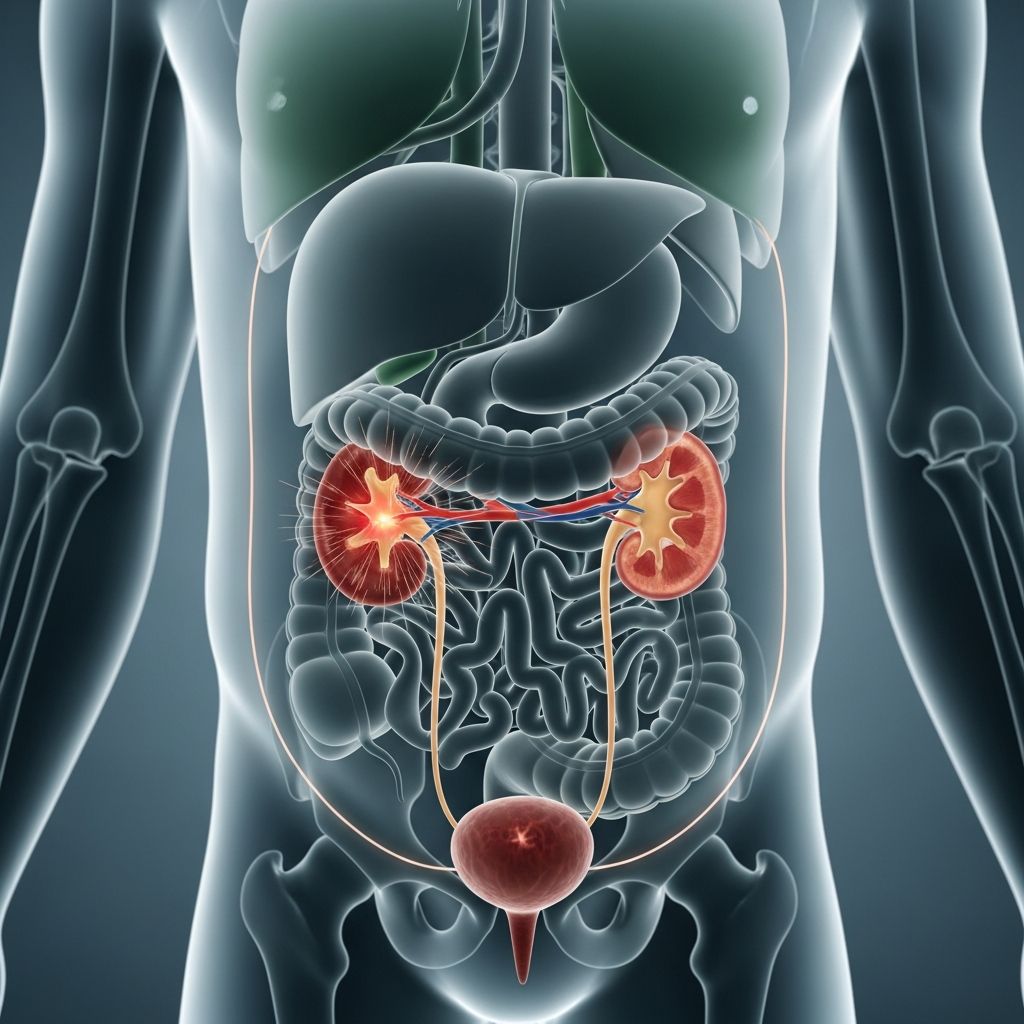
Understanding Sudden Kidney Function Loss in Young Patients
The kidneys serve as vital filtration organs that remove waste products and excess water from the bloodstream, which are then excreted as urine. When kidney function deteriorates suddenly, the body’s ability to maintain proper fluid balance, regulate electrolytes, and eliminate metabolic waste becomes compromised. Acute kidney failure, also known as acute kidney injury (AKI), represents a rapid decline in kidney function that may develop over hours or days rather than gradually over weeks or months. This condition differs fundamentally from chronic kidney disease, where kidney function diminishes slowly over an extended period. Understanding the distinction is crucial for parents and caregivers, as the immediate onset and urgent nature of acute kidney failure requires prompt medical evaluation and intervention.
In children, acute kidney failure can occur secondary to various underlying illnesses or conditions affecting blood flow, kidney tissue, or urinary tract function. The condition is not caused by blunt trauma to the kidney, despite what the terminology might suggest, but rather develops from systemic diseases, infections, medications, or severe physiological stress. Early recognition of warning signs and prompt medical attention significantly improves outcomes and reduces the risk of serious complications affecting multiple organ systems.
Recognizing Physical and Behavioral Indicators
Many children experiencing the initial stages of acute kidney failure may not display obvious symptoms, making diagnosis challenging without laboratory testing. When symptoms do manifest, they can vary significantly from child to child based on the underlying cause, the severity of kidney function loss, and how rapidly the condition develops. Parents and caregivers should be alert to changes in their child’s normal patterns and behaviors that might suggest kidney dysfunction.
Observable changes in energy levels represent one common indicator. Children with acute kidney failure may appear unusually fatigued, lethargic, or lack their typical enthusiasm for activities. This decreased energy stems from the accumulation of waste products in the bloodstream and potential anemia resulting from reduced red blood cell production when kidney function declines.
Gastrointestinal disturbances frequently accompany acute kidney failure. These may include nausea, loss of appetite, vomiting, or diarrhea, sometimes accompanied by visible blood in stool. Such digestive symptoms result from uremic toxins accumulating when the kidneys cannot adequately filter waste materials from the blood.
Changes in urination patterns warrant particular attention from caregivers. Children may urinate significantly less frequently than normal, sometimes producing little to no urine output despite adequate fluid intake. Conversely, some children experience increased urination. Either extreme deviation from the child’s baseline bathroom habits should prompt medical evaluation.
Visible physical changes may include swelling of the feet, ankles, hands, or facial area, particularly around the eyes. This edema occurs because impaired kidney function cannot adequately regulate fluid and sodium balance. Skin manifestations may include rashes or unusual paleness from anemia. Some children develop fever, indicating possible infection that may have triggered the kidney dysfunction.
Respiratory and cardiovascular symptoms can signal more serious progression. Shortness of breath, chest pain or pressure, and irregular heartbeat may develop as fluid accumulates in the lungs or electrolyte imbalances affect cardiac function. Confusion, difficulty concentrating, or drowsiness indicates that uremic toxins are affecting neurological function and demands immediate medical attention.
Underlying Causes and Risk Factors
Acute kidney failure in children develops through three primary pathophysiological mechanisms, each involving different anatomical or functional disruptions within the kidney system. Understanding these categories helps explain why different children develop acute kidney failure under different circumstances.
Reduced Blood Flow to the Kidneys represents the most common mechanism triggering acute kidney injury in pediatric patients. When kidneys receive insufficient blood supply, they cannot adequately filter waste and maintain normal function. Multiple conditions can compromise renal perfusion, including severe dehydration from vomiting, diarrhea, or inadequate fluid intake. Significant blood loss from hemorrhage or major surgery redirects available blood volume away from the kidneys. Heart disease, heart attacks, or heart failure reduce the heart’s ability to pump blood effectively to all organs. Severe infections progressing to sepsis trigger dangerous drops in blood pressure that further compromise kidney perfusion. Overuse of nonsteroidal anti-inflammatory medications such as ibuprofen, naproxen, or ketoprofen can reduce blood flow to the kidneys, particularly in children who are dehydrated. Severe allergic reactions and severe burn injuries also fall into this category by causing dramatic alterations in blood flow distribution throughout the body.
Direct Kidney Tissue Damage occurs when disease processes or toxic exposures harm the functional units of the kidney. Certain kidney diseases directly attack kidney tissue, including hemolytic uremic syndrome, a potentially serious condition that can develop following specific bacterial infections. Multiple myeloma cancer produces abnormal plasma cells that accumulate and damage kidney tissue. Infections causing sepsis trigger inflammatory cascades that injure kidney cells. Vasculitis, inflammation affecting blood vessels within the kidney, scars and damages vessel walls, reducing blood flow and kidney function. Exposure to heavy metals or toxic solvents may cause direct toxic injury to kidney cells.
Obstruction of Urine Flow prevents filtered waste from being eliminated, backing up fluid and waste products into the kidneys. Blood clots within the urinary tract can block urine passage. Tumors or cancer may obstruct the ureters or bladder. Nervous system disorders affecting bladder function prevent normal urine elimination. Trauma or structural abnormalities may also prevent normal urine outflow.
Risk factors that increase the likelihood of acute kidney failure include premature birth, family history of kidney disease, diabetes, and certain medications. Children with congenital heart disease or those who have undergone cardiac surgery face elevated risk due to potential alterations in kidney blood flow.
How Kidney Dysfunction Affects the Broader Body
When kidney function deteriorates acutely, the physiological disruptions extend throughout the body, affecting multiple organ systems and creating a cascade of potential complications. The kidneys perform numerous critical functions beyond simple filtration, and the loss of these functions creates widespread consequences.
Anemia develops because the kidneys produce erythropoietin, a hormone stimulating red blood cell production. Without adequate kidney function, red blood cell production declines, resulting in reduced oxygen-carrying capacity and contributing to fatigue and weakness.
Cardiovascular complications arise from multiple mechanisms. Fluid accumulation from impaired kidney function increases blood volume, raising blood pressure and workload on the heart. Electrolyte imbalances, particularly elevated potassium levels, can trigger dangerous irregular heartbeats or even cardiac arrest in severe cases. Inflammation of the heart lining may cause chest pain.
Bone and mineral disorders develop because the kidneys regulate calcium and phosphorus absorption and activate vitamin D. Impaired kidney function disrupts these processes, leading to bone pain, weakened bone structure, and potential growth problems.
Neurological complications include confusion, difficulty concentrating, drowsiness, and in severe cases, seizures or coma. These result from accumulating uremic toxins and electrolyte imbalances affecting brain function. Hearing deficits may develop in some children.
Infection risk increases because impaired kidney function compromises immune system function and removal of bacteria from the bloodstream.
Metabolic acidosis occurs when the kidneys cannot adequately regulate blood pH, leading to excessive acidity in the bloodstream. This causes nausea, vomiting, drowsiness, and breathing difficulties.
Nutritional problems develop from persistent nausea, poor appetite, and vomiting, potentially affecting growth and development in younger children. Fluid overload may cause shortness of breath if fluid accumulates in the lungs.
Diagnostic Approaches and Medical Evaluation
When acute kidney failure is suspected, pediatricians employ laboratory testing and imaging studies to confirm diagnosis and identify underlying causes. Blood tests measuring creatinine and blood urea nitrogen (BUN) levels reveal the degree of kidney function decline. Urinalysis examines urine composition and may reveal blood, protein, or cellular casts indicating kidney damage. Electrolyte panels measure potassium, sodium, calcium, and phosphorus levels, identifying dangerous imbalances. Complete blood counts detect anemia or infection indicators.
Ultrasound imaging visualizes kidney structure and size, identifying obstructions or architectural abnormalities. In some cases, more advanced imaging such as CT scans may be necessary. A renal biopsy, involving removal of small kidney tissue samples, may be performed when diagnosis remains unclear or when specific kidney diseases are suspected. Urine output monitoring and fluid balance assessment help guide treatment decisions.
Treatment Approaches and Management Strategies
Treatment of acute kidney failure focuses on addressing the underlying cause while supporting kidney function and preventing serious complications. When kidney failure results from reduced blood flow, restoring adequate perfusion through fluid replacement or medication adjustment may allow kidney function to recover. When direct kidney tissue damage occurs, treatment targets the underlying disease process. Obstructive causes require relief of the blockage.
Supportive care includes careful management of fluid intake and output to prevent dangerous fluid accumulation. Dietary modification restricts sodium, potassium, and protein based on individual kidney function and laboratory values. Medications may be necessary to manage blood pressure, control electrolyte levels, or stimulate red blood cell production. In severe cases where kidneys fail to recover function despite initial treatment, dialysis may become necessary to artificially filter blood and remove excess fluid and waste products.
Recovery from acute kidney failure varies significantly. Some children regain normal or near-normal kidney function within days or weeks as the underlying cause is treated. Others require extended recovery periods or may develop chronic kidney disease if significant permanent damage occurred. Continuous follow-up with pediatric nephrologists ensures optimal recovery and management.
Prevention Strategies for At-Risk Children
While not all acute kidney failure can be prevented, certain measures reduce the risk in vulnerable children. Maintaining adequate hydration during illnesses, particularly when experiencing diarrhea or vomiting, protects kidney blood flow. Using over-the-counter pain medications only as directed on the label, particularly avoiding excessive NSAID use, prevents kidney damage. Prompt treatment of infections reduces the risk of sepsis-related kidney dysfunction. For children with underlying conditions like diabetes or heart disease, maintaining careful disease control protects kidney function. Teaching children about hand hygiene and infection prevention reduces illness frequency. Avoiding exposure to toxic substances protects kidney tissue from direct injury.
Common Questions About Acute Kidney Failure in Children
Q: Can acute kidney failure in children be cured?
A: Many children recover kidney function completely if the underlying cause is identified and treated promptly. However, recovery timelines vary from days to months, and some children may develop permanent kidney damage requiring long-term management.
Q: What is the difference between acute and chronic kidney disease?
A: Acute kidney failure develops suddenly over hours or days, while chronic kidney disease develops gradually over months or years. Acute kidney failure may be reversible with proper treatment, whereas chronic kidney disease typically involves permanent, progressive function loss.
Q: Should I limit my child’s fluid intake if they have acute kidney failure?
A: Fluid management should be individualized based on medical testing and your child’s specific condition. While some children require fluid restriction, others need careful hydration to maintain kidney perfusion. Always follow your nephrologist’s specific recommendations.
Q: How long does recovery from acute kidney failure typically take?
A: Recovery timelines vary significantly depending on the underlying cause, severity of kidney damage, and how quickly treatment begins. Some children recover within days or weeks, while others require months of treatment and monitoring.
Q: Will my child need dialysis if diagnosed with acute kidney failure?
A: Dialysis becomes necessary only if kidney function declines severely and the kidneys cannot adequately filter blood and remove waste. Not all children with acute kidney failure require dialysis, but some do temporarily until kidney function recovers.
Q: Can medications cause acute kidney failure in children?
A: Yes, certain medications including NSAIDs, antibiotics, and contrast agents used in imaging can cause kidney damage, particularly in children who are dehydrated or have underlying kidney vulnerability. Always inform healthcare providers of all medications your child takes.
References
- Acute Kidney Failure — Nemours KidsHealth. https://kidshealth.org/en/parents/acute-kidney-failure.html
- Renal Failure in Children — Children’s Hospital of Philadelphia. https://www.chop.edu/conditions-diseases/renal-failure-children
- Pediatric Kidney Disease – Conditions and Treatments — Children’s National. https://www.childrensnational.org/get-care/health-library/kidney-disease
- Pediatric Acute Kidney Injury — Children’s Health Nephrology. https://www.childrens.com/specialties-services/conditions/acute-kidney-injury
- Acute Kidney Injury (AKI) Symptoms, Treatment and Prevention — National Kidney Foundation. https://www.kidneyfund.org/all-about-kidneys/other-kidney-problems/acute-kidney-injury-aki-symptoms-treatment-and-prevention
- Kidney Disease in Children — National Institute of Diabetes and Digestive and Kidney Diseases (NIDDK). https://www.niddk.nih.gov/health-information/kidney-disease/children
- Acute Kidney Injury – Symptoms and Causes — Mayo Clinic. 2024. https://www.mayoclinic.org/diseases-conditions/kidney-failure/symptoms-causes/syc-20369048
- Acute Kidney Injury — National Health Service (NHS). https://www.nhs.uk/conditions/acute-kidney-injury/