The Evolution of Active Participation in Cesarean Delivery
Childbirth represents one of life’s most transformative moments, yet for many women requiring surgical intervention, the experience often involves relinquishing control to medical teams. However, a growing movement among healthcare professionals is challenging this conventional approach by integrating their medical expertise with personal agency during cesarean delivery. This paradigm shift transforms what many perceive as a purely medical procedure into a deeply personal and empowering experience that honors both clinical safety and maternal autonomy.
The concept of active maternal participation in surgical birth extends beyond mere presence in the operating room. When healthcare workers—particularly those with obstetric training—deliver their own babies, they bring a unique perspective grounded in clinical understanding, physiological awareness, and professional confidence. This intersection of medical knowledge and personal experience creates opportunities for reimagining how cesarean births can be conducted in ways that prioritize both safety and meaningful engagement.
Professional Expertise Meets Personal Journey
Healthcare professionals who work in obstetrics and midwifery possess intimate knowledge of the birthing process from multiple angles. They understand the anatomical landmarks, anticipate the sequence of events, and comprehend the clinical decision-making that unfolds during surgical delivery. When these professionals become patients themselves, they can leverage this expertise to advocate for modifications to standard protocols that may enhance their personal experience without compromising safety outcomes.
The decision to actively participate in one’s own cesarean delivery requires careful planning and coordination with the surgical team. Medical professionals pursuing this approach typically:
- Communicate their intentions clearly with their obstetric care providers well in advance of delivery
- Establish protocols that maintain surgical sterility while permitting guided participation
- Arrange for additional support systems, including photographers or documented records of the experience
- Develop contingency plans addressing potential complications or situations requiring immediate intervention
- Coordinate with anesthesia teams to ensure appropriate pain management strategies
Redefining the Role of Documentation and Imagery
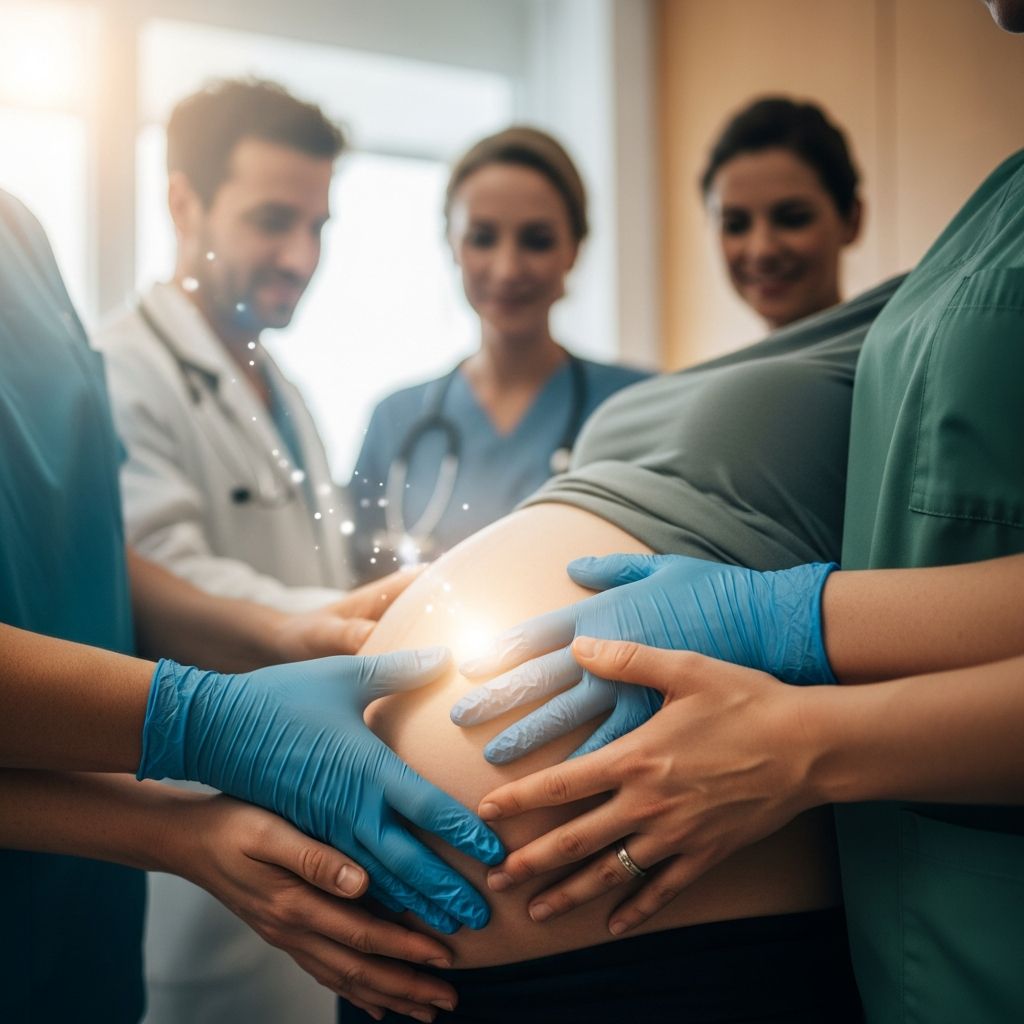
Professional birth photography has transformed how families document and remember childbirth. When applied to cesarean delivery with maternal participation, photography becomes a powerful tool for celebrating the complexity and beauty of surgical birth. Images capturing the moment of delivery—when a mother guides her own baby into the world—create visual narratives that challenge conventional representations of cesarean birth as purely clinical or passive experiences.
These photographs serve multiple functions beyond personal keepsakes. They provide visual documentation of the emotional intensity and physical engagement inherent in active delivery participation. They demonstrate to other pregnant individuals that cesarean birth need not be experienced as something happening to them, but rather something they can actively influence and remember as a profound personal achievement. Professional photographers trained in birth documentation understand how to capture these moments while respecting the medical sterility requirements and maintaining appropriate boundaries during surgical procedures.
The Midwifery Perspective on Self-Delivery
Midwives and nurse-midwives represent a significant portion of healthcare professionals choosing active participation in cesarean delivery. These practitioners have built careers supporting others through birth, applying principles of continuous labor support, informed choice, and family-centered care. When midwives face surgical delivery circumstances, many seek to apply these same philosophical principles to their own experiences.
Midwifery training emphasizes understanding birth as a normal physiological process that, while sometimes requiring surgical intervention, need not strip away the personal agency and emotional significance of the moment. This perspective encourages creative problem-solving about how cesarean delivery protocols might be modified to accommodate maternal participation while maintaining the rigorous safety standards necessary in surgical settings. Midwives often possess sophisticated anatomical knowledge that allows them to safely guide their own delivery with appropriate guidance from surgical teams.
Clinical Considerations and Safety Protocols
Active maternal participation in cesarean delivery raises legitimate clinical questions that responsible healthcare providers must carefully address. The fundamental principle guiding any modifications to standard surgical procedures remains patient safety—both maternal and fetal. Medical professionals pursuing self-delivery must work collaboratively with their surgical teams to establish protocols that honor this principle.
Key safety considerations include:
- Maintenance of sterile field integrity to prevent surgical site infection
- Appropriate anesthesia management ensuring pain control while allowing maternal participation and consciousness
- Clear communication protocols between maternal participant and surgical team regarding unexpected developments
- Contingency planning for complications requiring immediate surgical intervention without maternal guidance
- Adequate staffing to support both surgical requirements and maternal participation goals
- Documentation procedures that capture medical necessity and informed consent
Healthcare professionals engaging in self-delivery possess distinct advantages in navigating these considerations. Their medical training enables them to understand the rationale behind safety protocols and contribute meaningfully to protocol development. Their familiarity with surgical environments reduces anxiety about sterile procedures and technical aspects of the operation. Their clinical background allows them to communicate more precisely with their surgical teams about their preferences and limitations.
The Emotional and Psychological Dimensions
Beyond the physical act of delivering one’s own baby lies a profound psychological dimension that often receives insufficient attention in conventional cesarean birth narratives. For healthcare professionals who have assisted countless others through birth, experiencing this transformation firsthand involves complex emotional currents. The shift from professional role to patient role, combined with active participation in delivery, creates a uniquely intense psychological experience.
Many healthcare professionals report that active participation in their cesarean delivery profoundly affected their subsequent professional practice. Experiencing birth from the perspective of a laboring or delivering individual—rather than solely from a clinical standpoint—frequently enhances empathy and understanding of patient experiences. This lived knowledge enriches professional relationships with future patients and informs more compassionate care approaches.
Challenging Conventional Narratives About Surgical Birth
Contemporary culture often presents cesarean delivery as a last resort or failure of normal birth, contrasting sharply with vaginal delivery as the ideal birth experience. This narrative can leave individuals requiring surgical delivery feeling diminished or robbed of authentic birthing experiences. Healthcare professionals choosing active participation in cesarean delivery challenge this limiting narrative by demonstrating that surgical delivery can be profoundly meaningful and engaged.
When medical professionals document and share their experiences of active cesarean participation, they contribute to broader cultural conversations about diverse valid birth experiences. Such documentation challenges assumptions that cesarean delivery must necessarily be passive or medicalized in ways that exclude maternal agency. It demonstrates that the location of birth (operating room versus labor room) and the method of delivery (surgical versus vaginal) need not determine whether an individual experiences their birth as personally powerful and emotionally significant.
The Role of Birth Photography in Modern Obstetrics
Professional birth photographers trained in cesarean delivery documentation possess specialized skills distinct from those required for vaginal birth photography. These practitioners must understand surgical environments, anticipate key moments despite operating room barriers and drapes, maintain appropriate professional boundaries, and capture images that convey both the medical precision and emotional intensity of the experience.
Birth photography during active cesarean participation serves educational functions as well. When healthcare professionals share documented images of their experiences, these images become resources for other pregnant individuals, childbirth educators, and medical professionals seeking to understand how cesarean delivery protocols might evolve. Visual documentation normalizes cesarean birth experiences that diverge from purely passive models, offering alternative frameworks for understanding and experiencing surgical delivery.
Healthcare System Implications and Future Directions
As more healthcare professionals pursue active participation in cesarean delivery, their experiences generate valuable data and insights about protocol modification possibilities. Medical institutions increasingly recognize that accommodating educated patient preferences—when safety can be maintained—enhances satisfaction, reduces anxiety, and strengthens the patient-provider relationship. Healthcare professionals delivering their own babies contribute to developing evidence-based practices that could extend benefits beyond their professional cohort.
Future developments might include:
- Standardized protocols enabling educated maternal participation in cesarean delivery across healthcare systems
- Enhanced training for surgical teams regarding facilitation of active patient participation
- Integration of birth photography into standard documentation practices for families choosing this option
- Research examining outcomes and satisfaction rates for cesarean deliveries incorporating maternal participation elements
- Educational resources helping pregnant individuals understand participation possibilities
Common Questions About Active Cesarean Participation
Q: Is it safe for mothers to actively participate in delivering their own babies during cesarean procedures?
A: Active participation can be safely facilitated when healthcare professionals work collaboratively to establish appropriate protocols, maintain surgical sterility, ensure adequate anesthesia, and develop contingency plans. Medical professionals with clinical training often possess advantages in managing this process, though safety remains the paramount consideration guiding all protocol decisions.
Q: What specific roles might mothers play in their cesarean deliveries?
A: Participation might include guided hand placement during delivery, conscious awareness and engagement with the process, directing aspects of immediate newborn care following delivery, and making informed real-time decisions within the context of established protocols. The specific nature of participation varies based on individual preferences, clinical circumstances, and anesthesia protocols.
Q: How does active cesarean participation differ from standard surgical delivery?
A: While standard cesarean delivery remains clinically identical, active participation models emphasize maternal agency, conscious engagement, and modified protocols accommodating meaningful involvement. This may include different positioning, conscious anesthesia strategies, and documentation approaches while maintaining identical safety standards.
Q: Can birth photographers document cesarean deliveries safely?
A: Professional birth photographers trained in cesarean documentation can safely capture these moments by understanding surgical protocols, maintaining appropriate distance and boundaries, avoiding interference with sterile fields, and working collaboratively with surgical teams to identify optimal documentation opportunities.
Q: How has this approach influenced attitudes toward cesarean birth in healthcare?
A: Experiences of healthcare professionals actively participating in cesarean delivery have contributed to shifting perspectives that recognize cesarean birth as potentially meaningful and engaged rather than necessarily passive or purely medicalized. This evolution encourages providers to consider how standard protocols might accommodate informed patient preferences while maintaining safety.
References
- Photos of a Woman Delivering Her Own Baby During a C-Section — Business Insider. 2018-03. https://www.businessinsider.com/woman-delivered-baby-c-section-photos-2018-3
- Stunning pics of midwife mom delivering her own baby by C-section — Fox News. https://www.foxnews.com/health/stunning-pics-of-midwife-mom-delivering-her-own-baby-by-c-section
- This mom pulled her baby out during her C-section—and the photos are extraordinary — Today’s Parent. https://www.todaysparent.com/blogs/trending/this-mom-pulled-her-baby-out-during-her-c-section-and-the-photos-are-extraordinary/