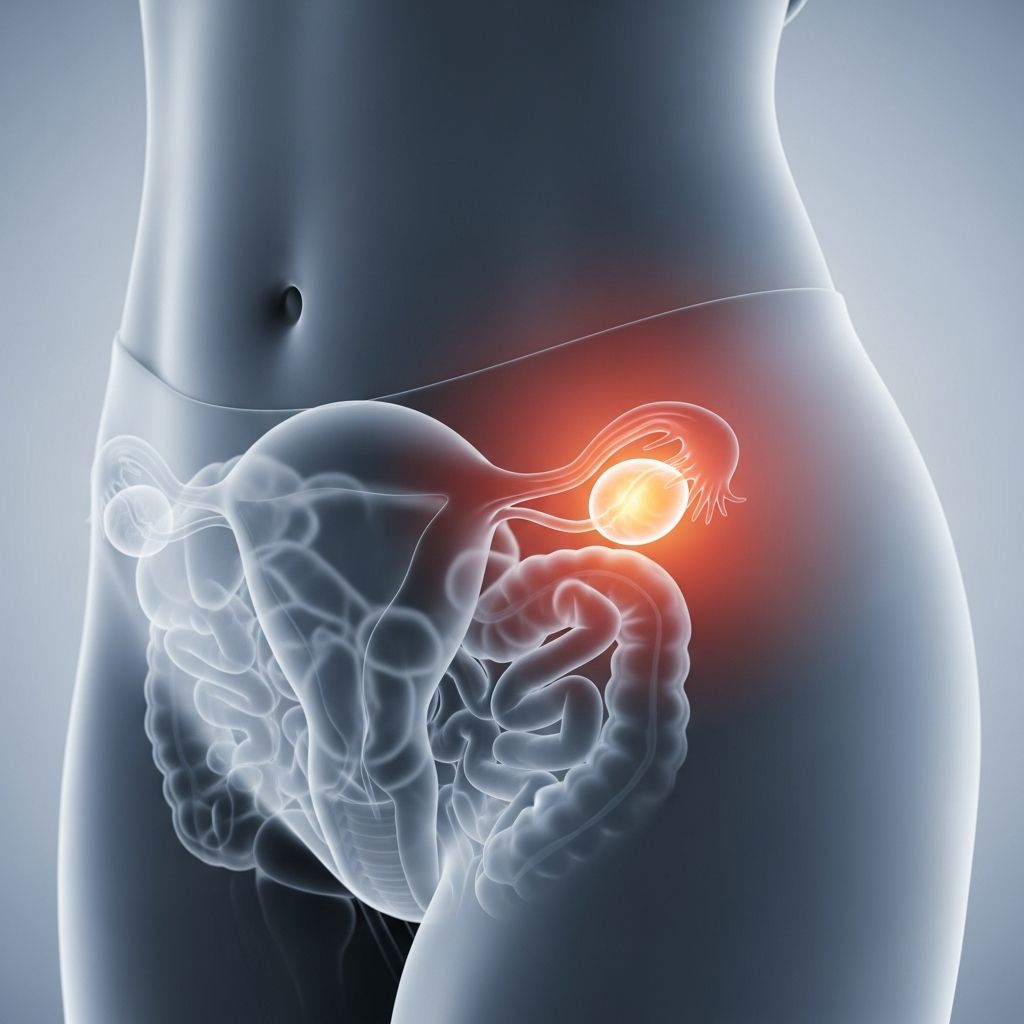
Experiencing pain or discomfort in the abdomen is a frequent occurrence for many expectant mothers. These sensations can range from mild twinges to more intense cramps, often leaving women wondering if they are normal or a sign of trouble. While most cases stem from the body’s natural adaptations to growing a baby, some require prompt medical evaluation to safeguard both mother and child.
Why Your Belly Hurts: Normal Physiological Changes
During pregnancy, the body undergoes remarkable transformations that can lead to various types of abdominal unease. Hormonal shifts, organ displacement, and ligament stretching are primary culprits behind benign discomforts.
Ligament Stretching and Uterine Expansion
As the uterus enlarges to accommodate the developing fetus, supporting structures like the round ligaments—which extend from the uterus to the groin—stretch significantly. This often produces sharp, stabbing sensations, particularly on one or both sides of the lower abdomen. These episodes are typically brief, triggered by sudden movements such as standing up quickly, coughing, or rolling over in bed, and are most prevalent in the second trimester.
Similarly, the uterine muscles themselves expand, causing a dull, cramp-like ache that comes and goes. This is a standard part of gestation and usually resolves with rest. To ease this, try changing positions slowly, applying a warm compress, or performing gentle prenatal yoga stretches.
Digestive Disruptions: Gas, Bloating, and Constipation
Progesterone, a key pregnancy hormone, relaxes smooth muscles throughout the body, including those in the intestines. This slows digestion, allowing food to ferment longer in the colon and produce excess gas. The growing uterus further compresses the bowels, exacerbating bloating and sharp gas pains that may radiate to the back or chest.
Constipation compounds the issue, leading to straining and additional cramping. Management includes eating high-fiber foods like fruits, vegetables, and whole grains; staying hydrated; and walking daily. Over-the-counter stool softeners safe for pregnancy can help, but consult your provider first.
- Increase water intake to at least 8-10 glasses daily.
- Opt for small, frequent meals to avoid overloading the digestive system.
- Incorporate probiotic-rich foods like yogurt to support gut health.
When Discomfort Signals a Problem: Serious Conditions to Watch
Not all abdominal pain is harmless. Certain symptoms paired with belly aches demand immediate attention, as they may indicate complications threatening the pregnancy.
Early Pregnancy Threats: Ectopic Pregnancy and Miscarriage
In the first trimester, an ectopic pregnancy—where the fertilized egg implants outside the uterus, often in a fallopian tube—presents as sharp, one-sided pain, possibly with shoulder tip discomfort from internal bleeding and vaginal spotting. This is a medical emergency requiring surgical or medical intervention to prevent rupture.
Miscarriage, affecting up to 20% of known pregnancies, often involves cramping akin to severe menstrual pain alongside bleeding or tissue passage. While heartbreaking, early detection allows for supportive care.
Mid-to-Late Pregnancy Risks: Preterm Labor and Placental Issues
Before 37 weeks, regular contractions with lower abdominal tightening or menstrual-like cramps suggest preterm labor. Early intervention with medications like tocolytics can delay delivery.
Placental abruption, where the placenta detaches prematurely, causes persistent pain with a hard uterus, bleeding, and potential fetal distress. This necessitates urgent delivery in severe cases.
Other Medical Conditions Mimicking Pregnancy Pain
Pregnancy doesn’t protect against non-obstetric issues. Appendicitis may cause right lower quadrant pain, nausea, and fever, with the appendix displaced upward. Urinary tract infections (UTIs) lead to lower abdominal aching, burning urination, and back pain if ascended to the kidneys.
Preeclampsia or HELLP syndrome in later pregnancy can manifest as right upper quadrant pain under the ribs, hypertension, headaches, and swelling. Gallstones, kidney stones, or pancreatitis are also possible.
| Condition | Key Symptoms | Trimester | Action Needed |
|---|---|---|---|
| Round Ligament Pain | Sharp, brief stabs on sides; movement-triggered | 2nd | Rest, heat |
| Ectopic Pregnancy | One-sided sharp pain, bleeding, shoulder pain | 1st | ER immediately |
| Preterm Labor | Regular cramps/contractions, backache | 2nd/3rd | Call doctor/ER |
| UTI | Burning urination, lower pain, fever | Any | Antibiotics via doctor |
| Placental Abruption | Constant hard belly, bleeding | 3rd | Emergency care |
Recognizing Red Flags: When to Contact Your Healthcare Provider
Trust your instincts—if pain feels unusual or intensifies, reach out. Call your doctor or go to the ER if accompanied by:
- Vaginal bleeding or unusual discharge
- Fever, chills, or flu-like symptoms
- Severe nausea/vomiting or inability to eat
- Dizziness, lightheadedness, or fainting
- Painful urination or reduced urine output
- Contractions every 10 minutes or less
- Sudden swelling, headaches, or vision changes
Even without these, persistent pain lasting over an hour or worsening over time warrants evaluation, often via ultrasound or monitoring.
Practical Strategies for Relief and Prevention
While waiting for professional advice or managing normal aches:
- Movement and Posture: Practice pelvic tilts or cat-cow yoga poses to relieve ligament tension.
- Heat Therapy: Use a warm (not hot) heating pad for 15-20 minutes.
- Dietary Adjustments: Avoid gas-producing foods like beans, carbonated drinks, and fried items; favor bananas, rice, and ginger tea.
- Hydration and Activity: Drink plenty of fluids and engage in light walking to promote digestion.
- Support Garments: Maternity belts can stabilize the uterus and reduce strain.
Prenatal massage from a certified therapist specializing in pregnancy can also provide significant relief.
Diagnostic Approaches: What to Expect at Your Appointment
Healthcare providers assess abdominal pain through history, physical exams, and tests like urinalysis for UTIs, blood work for infection or preeclampsia markers, ultrasound for fetal well-being and placental position, or non-stress tests for contractions. In emergencies, surgical consultation may follow.
Frequently Asked Questions (FAQs)
Is all abdominal cramping in early pregnancy a sign of miscarriage?
No, mild implantation cramping or uterine stretching is common and normal around 2-6 weeks. Severe, persistent cramps with bleeding require immediate check-up.
How can I tell round ligament pain from preterm labor?
Round ligament pain is sharp and fleeting, easing with rest. Preterm labor involves rhythmic tightening every 5-10 minutes, often with back pain—time them and hydrate first.
Can gas pain really feel that bad during pregnancy?
Yes, progesterone slows digestion, and uterine pressure traps gas, causing intense, shifting pains. Dietary tweaks and simethicone drops often help.
Should I worry about upper abdominal pain late in pregnancy?
Right upper pain could indicate preeclampsia or HELLP; paired with headache or swelling, seek care urgently.
Is it safe to take pain relievers for pregnancy belly aches?
Acetaminophen is generally safe in moderation after consulting your doctor. Avoid NSAIDs like ibuprofen.
Long-Term Outlook: Supporting a Healthy Pregnancy
Most abdominal discomforts resolve post-delivery as the body recovers. Regular prenatal visits, a balanced diet, and stress management reduce complication risks. Knowledge empowers expectant mothers to advocate for their health confidently.
References
- Abdominal Pain in Pregnancy: Causes and Management — Valley Perinatal Medical Group. 2023. https://valleyperinatal.com/abdominal-pain/
- Abdominal Pain During Pregnancy: Causes and Treatment — Healthline. 2024-05-15. https://www.healthline.com/health/pregnancy/gas-pain-during-pregnancy
- Stomach pain in pregnancy — NHS. 2024. https://www.nhs.uk/pregnancy/common-symptoms/stomach-pain/
- Abdominal Pain During Pregnancy: Causes and Treatment — American Pregnancy Association. 2023-11-01. https://americanpregnancy.org/healthy-pregnancy/pregnancy-complications/abdominal-pain-during-pregnancy/
- Abdominal Pain in Early Pregnancy — AHRQ PSNet. 2024. https://psnet.ahrq.gov/web-mm/abdominal-pain-early-pregnancy
- Lower abdominal pain in early pregnancy 2 weeks: Crucial Info — Southlake OBGYN. 2025-07-22. https://southlakeobgyn.net/2025/07/22/lower-abdominal-pain-in-early-pregnancy-2-weeks/
- Pregnancy Pains & Discomfort: Types & Relief — Cleveland Clinic. 2024-02-10. https://my.clevelandclinic.org/health/articles/pregnancy-pains