Puberty marks a pivotal phase in a child’s life, transforming them from kid to young adult through a cascade of physical, hormonal, and emotional shifts. For parents, this period brings opportunities to foster trust and resilience while navigating uncertainties. This guide draws on expert insights to outline what happens, when, and how you can best support your child.
The Biological Foundations of Puberty
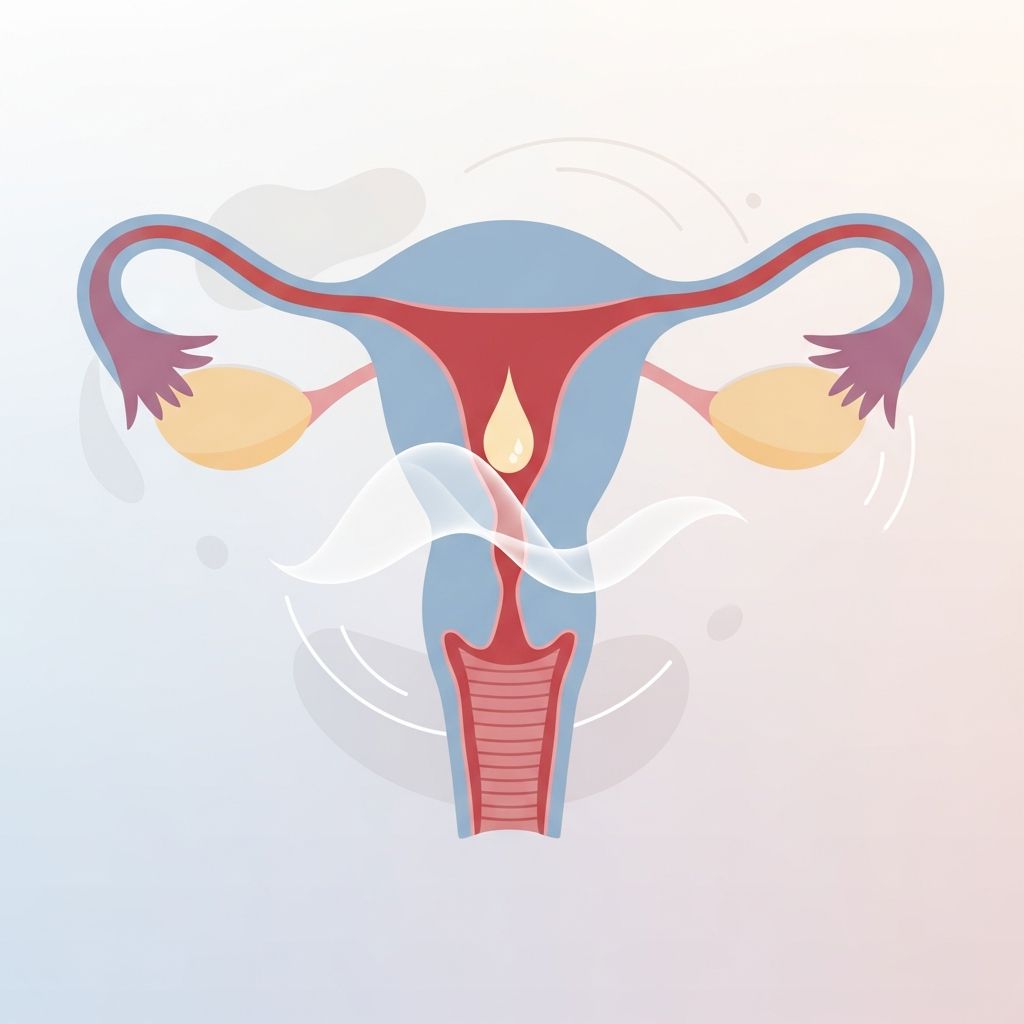
At its core, puberty is driven by hormones like estrogen and testosterone, triggered by the brain’s pituitary gland signaling the ovaries or testes to activate. This process, often starting between ages 8-13 for girls and 9-14 for boys, unfolds over years, not overnight. Genetic factors, nutrition, and environment influence timing, creating a broad ‘normal’ range.
Understanding this biology demystifies the chaos. Kids’ bodies ramp up growth hormone production, leading to spurts that can add inches rapidly. Hormonal surges also spark oilier skin, sweatier glands, and new body hair, all normal adaptations for adulthood.
Puberty Timeline: What to Anticipate by Stage
Puberty progresses through distinct phases, though individual variation is common. Here’s a breakdown:
- Pre-Puberty (Ages 8-11): Subtle internal prep; hormones stir but visible signs are minimal. Growth accelerates slightly.
- Early Phase (Ages 9-14): First markers emerge—breast buds or testicular enlargement, fine pubic hair, rapid height gains.
- Mid-Phase (Ages 11-15): Intensified changes: voice deepening, acne, body odor, menstruation onset for girls.
- Late Phase (Ages 15-18+): Maturation completes—full adult height, muscle development, regular cycles.
| Stage | Girls | Boys |
|---|---|---|
| Early | Breast development, pubic hair | Testicle growth, scrotum thinning |
| Mid | Periods start, hips widen | Voice cracks, facial hair |
| Late | Adult breast size, height peaks | Muscle mass increases, beard thickens |
Boys may continue growing into late teens, sometimes surpassing peers dramatically.
Physical Transformations in Girls
For girls, puberty often kicks off with tender breast buds around age 10, followed by pubic and underarm hair. A growth spurt peaks just before menstruation, which typically arrives 2-3 years after onset, averaging age 12.
Other shifts include wider hips, softer skin contours, and stronger body odor from apocrine glands activating. Acne flares due to sebaceous glands overproducing oil. Many experience temporary breast asymmetry or mood-tied cramps—reassure them these even out.
Physical Transformations in Boys
Boys’ journey starts less noticeably with testicular enlargement (from peanut to walnut size) and scrotum reddening, around age 11-12. Pubic hair follows, then a voice drop and growth spurt that can make them tower over classmates by year’s end.
Facial hair, broader shoulders, and muscle bulk develop later. About half notice temporary breast tissue (gynecomastia), resolving naturally. Erections, wet dreams, and broader feet/hands are standard; frame them as healthy signs.
Emotional and Behavioral Shifts
Hormones don’t just reshape bodies—they fuel brain rewiring, amplifying emotions. Irritability, withdrawal, or sudden independence quests are common as kids grapple with identity.
They might obsess over appearance, romantic interests, or peer opinions, testing boundaries. Mood swings stem from prefrontal cortex maturation lagging behind emotional centers. Patience is key; validate feelings without judgment.
Practical Hygiene and Self-Care Strategies
Puberty amplifies sweat and oil, demanding upgraded routines:
- Daily showers with gentle soap, focusing on armpits, groin.
- Deodorant/antiperspirant from first odor signs.
- Acne care: non-comedogenic cleansers, avoid picking.
- Girls: Stock pads/tampons, explain use discreetly.
- Boys: Teach shaving basics if facial hair sprouts.
Assemble a ‘puberty kit’ with products for school bags. Model these habits yourself.
Building Open Dialogues with Your Child
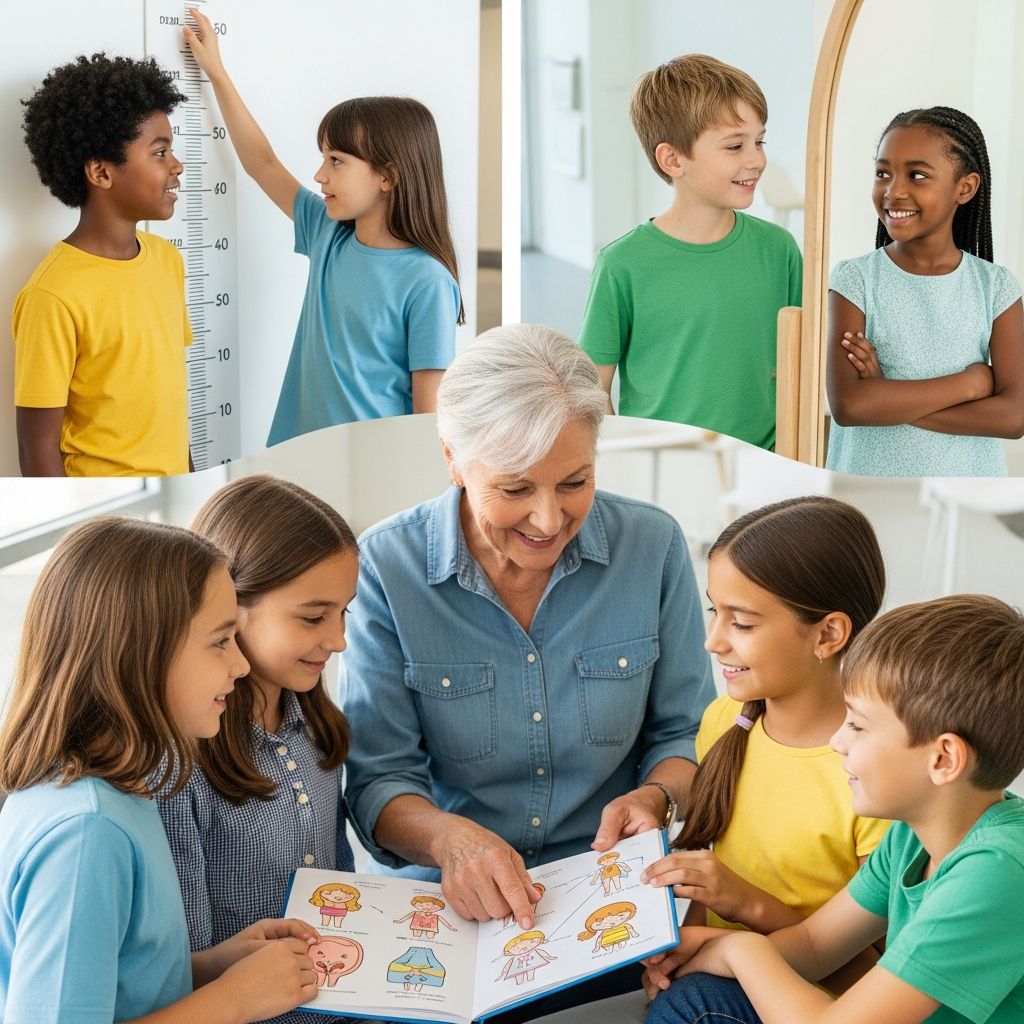
Start talks early, around age 8-9, using correct anatomical terms to normalize bodies. Share your experiences: ‘I felt awkward too.’ Listen actively, avoid lectures.
Address myths head-on—puberty isn’t ‘gross,’ it’s empowering. If shy, use books or videos as icebreakers. Regular check-ins about school/friends keep lines open.
Recognizing When to Consult a Professional
Most changes are normal, but watch for extremes: puberty before age 8 (girls) or 9 (boys)—precocious; no signs by 13 (girls) or 14 (boys)—delayed. Persistent pain, severe acne, or emotional distress warrant pediatrician visits.
Annual checkups track growth via Tanner stages, ensuring healthy progression.
Fostering Body Confidence and Healthy Habits
Counter media pressures by praising non-physical traits. Promote balanced meals, sleep (9-11 hours), and activity (60 min/day) to support development.
Discuss consent, relationships age-appropriately. Role-model positivity: ‘All bodies are unique and capable.’
Frequently Asked Questions (FAQs)
At what age does puberty typically begin?
Girls: 8-13; boys: 9-14, varying widely by individual.
Is it normal for puberty to happen at different times among friends?
Yes, genetics and health dictate pace; reassure kids they’re on track.
What causes mood swings during puberty?
Hormonal fluctuations and brain development; empathy helps.
How can I prepare my child for their first period?
Discuss signs, provide supplies, normalize it as a milestone.
Should I worry if my son develops breast tissue?
Common and temporary in 50% of boys; consult if persistent.
References
- Puberty 101: How Parents Can Stay Steady During the Transitional… — Wake Forest Baptist Health. 2023-10-12. https://www.wakehealth.edu/stories/puberty-101
- Puberty: An ultimate guide for parents — CHOC Children’s. 2024-05-15. https://health.choc.org/puberty-an-ultimate-guide-for-parents/
- A Parent’s Guide to Surviving Puberty and Adolescence — Rainbow Pediatrics. 2023-08-20. https://www.rainbowpeds.net/a-parents-guide-to-surviving-puberty-and-adolescence/
- Parenting children through puberty — Better Health Channel (Vic.gov.au). 2024-02-10. https://www.betterhealth.vic.gov.au/health/healthyliving/Parenting-children-through-puberty
- Puberty Survival Guide — Rush University Medical Center. 2023-11-05. https://www.rush.edu/news/puberty-survival-guide
- Puberty: Tanner Stages for Boys and Girls — Cleveland Clinic. 2024-07-22. https://my.clevelandclinic.org/health/body/puberty