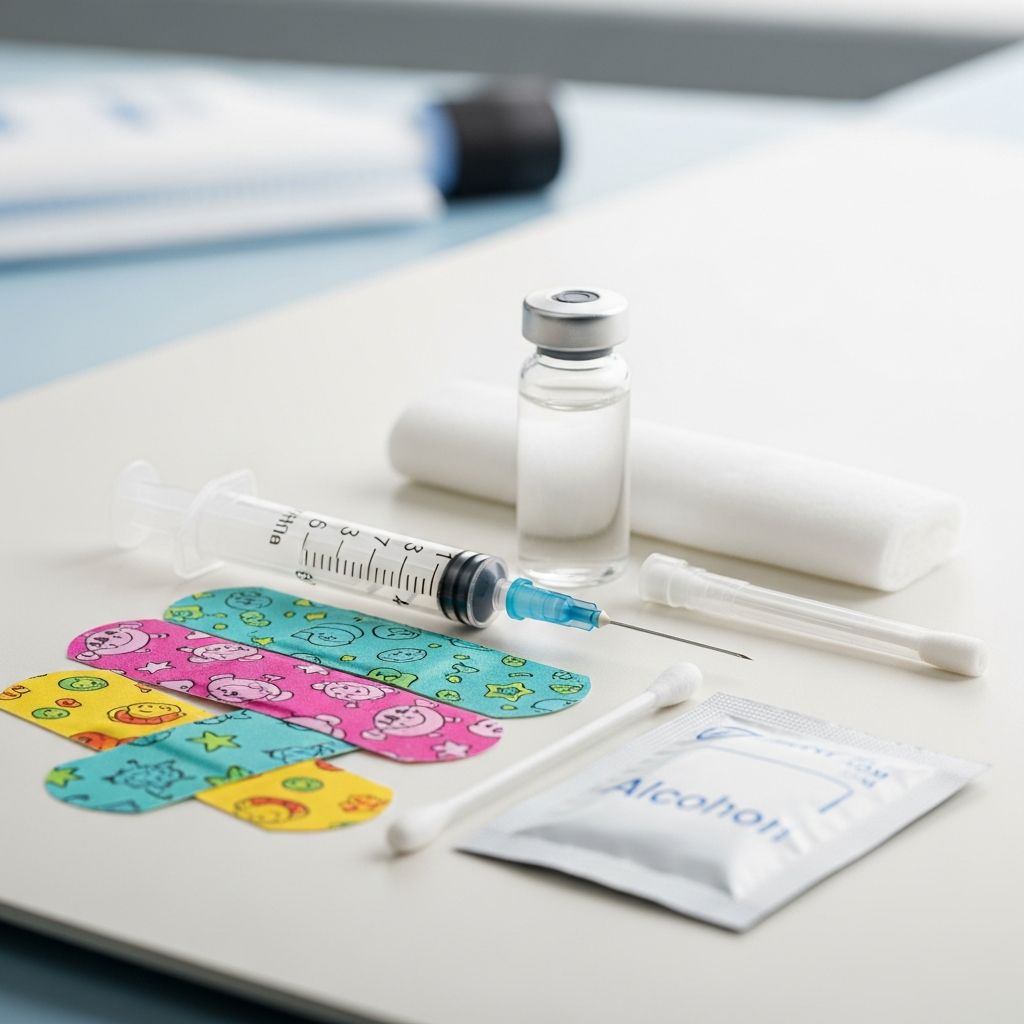
Parents often face the challenge of helping their children through medical injections and tests, which are vital for maintaining health and catching issues early. These procedures range from routine vaccinations and blood draws to specialized screenings, each serving a unique purpose in preventive and diagnostic care. Understanding what these involve empowers families to approach them with confidence, minimizing stress for both child and parent.
Why Injections and Tests Matter for Young Health
Regular medical interventions like shots and laboratory assessments form the backbone of pediatric wellness. They help detect nutritional deficiencies, developmental delays, and potential diseases before symptoms appear, allowing for timely treatment. For instance, early identification of iron shortages or hearing impairments can prevent long-term complications. Guidelines from health authorities emphasize screening alongside routine check-ups to ensure comprehensive monitoring from infancy through adolescence.
Beyond prevention, these procedures monitor chronic conditions such as diabetes or growth disorders, where frequent blood sampling or hormone stimulation becomes necessary. Vaccinations protect against infectious diseases, while diagnostic imaging using safe tracers evaluates organ function non-invasively. By familiarizing themselves with these essentials, parents can advocate effectively during visits.
Common Types of Injections in Pediatric Care
Injections deliver medications, vaccines, or tracers directly into the body for optimal absorption. Subcutaneous shots, placed just under the skin, treat conditions like diabetes, arthritis, or growth deficiencies. These use ultra-fine needles that cause minimal discomfort compared to deeper intramuscular types. Sites include the abdomen or thigh, rotated to avoid tissue irritation.
- Vaccinations: Administered into muscle or under skin to build immunity against measles, flu, and more.
- Insulin or Hormone Injections: Daily for diabetes management or growth therapy, often self-administered by older kids.
- Nuclear Medicine Tracers: Intravenous for imaging studies, where a small radioactive dose highlights organs like the thyroid or bones.
Preparation involves cleaning the site, pinching skin, and inserting at a 45-90 degree angle. Modern devices make these quicker and less painful, with many children adapting after initial doses.
Essential Screening Tests by Age Group
Screenings tailor to developmental stages, focusing on prevalent risks. Infants undergo newborn blood spots for metabolic disorders, followed by hemoglobin checks at 9-12 months for iron levels. Preterm babies need earlier testing at 5-6 months due to heightened vulnerability.
| Age Group | Key Screenings | Frequency/Purpose |
|---|---|---|
| Infants (0-12 months) | Hemoglobin, hearing, lead | 9-12 months for iron; universal newborn hearing |
| Toddlers (1-6 years) | Lead, cholesterol if risks, TB if exposed | Annually risk-based; universal at 1-2 years in high-risk areas |
| School Age (9-11 years) | Cholesterol, hearing, vision | Universal lipid profile; audiometry |
| Adolescents (12-21 years) | STIs, cholesterol, TB, hepatitis C | Yearly for sexually active; 17-21 lipid repeat |
Lead testing occurs via finger prick if living in older homes or high-prevalence zones. Cholesterol panels, non-fasting, start universally at 9-11 years to spot familial hyperlipidemia early. Tuberculosis checks use skin or blood tests for at-risk youth, preferring blood assays post-BCG vaccine.
Blood Draws and Laboratory Procedures
Blood tests provide critical data on health markers. Fingersticks for glucose suit diabetes monitoring, while venipuncture yields larger samples for comprehensive panels. Growth hormone stimulation involves IV placement, medications like arginine or glucagon, and serial draws over hours to assess pituitary function.
Children wear comfortable clothes; numbing creams precede IV starts. Total blood volume remains low, about 5 teaspoons, drawn painlessly via catheter. For nuclear scans, tracers enter via IV, oral, or inhalation, detected by gamma cameras for functional images without surgery.
Helping Kids Through Pain and Anxiety
Distress often exceeds actual discomfort, but proven strategies ease it. Age-appropriate explanations build trust: toddlers benefit from play demos, school-age kids from honest timelines. Distraction via stories, videos, or guided imagery—imagining a favorite game—proves effective, as one child scored a ‘goal’ during contrast.
- Practice with doll injections beforehand.
- Use reward charts for bravery.
- Stay calm; parental anxiety amplifies child’s.
- Positioning: hold infants skin-to-skin; let older kids sit on laps.
For 2-5 year olds, comfort teams offer bubbles, toys, or videos during lab draws. Tell children they’ll feel a quick pinch, then it’s done. Post-procedure praise reinforces coping skills.
Specialized Diagnostic Tools and Scans
Beyond basics, advanced tests like tympanometry assess ear fluid via probe, aiding eustachian tube checks. Hearing screens use audiometry, testing high frequencies in teens. STI detection employs NAATs on urine or swabs for chlamydia and gonorrhea in active youth.
Nuclear medicine suits dynamic evaluations: gastric emptying via oral tracer, lung scans by inhalation. Sedation rarely needed; parents remain present. Hepatitis C screening targets high-risk groups, using blood assays.
Parent Questions to Ask Providers
Active involvement ensures safety. Key inquiries include medication purpose, side effects, storage, and alternatives. Confirm technique demos, follow-up schedules, and when to seek help for reactions like redness or fever.
Frequently Asked Questions
At what age should cholesterol screening begin?
Universal screening occurs between 9-11 years and 17-21 years, earlier if family history or risks like obesity exist.
How painful are subcutaneous injections for kids?
Minimal with fine needles; less than vaccines, with quick adaptation after first uses.
What if my child fears needles?
Use numbing cream, distraction, and positive reinforcement; explain simply and stay present.
Is sedation common for pediatric nuclear tests?
Rare; most are non-invasive, with parental reassurance sufficing.
When is TB testing recommended?
For exposures, travel to high-risk areas, or immigrant contacts; IGRA preferred over skin test.
Long-Term Benefits and Follow-Up
Consistent participation yields healthier outcomes: early interventions avert anemia, hearing loss, or cardiovascular risks. Track results via health portals, scheduling as advised. Empower older children to manage self-tests, fostering independence.
By demystifying these procedures, parents transform apprehension into routine care, safeguarding their child’s future vitality.
References
- Screening Tests for Infants, Children, and Adolescents — Deborah M. Consolini, MD, Merck Manual Professional. 2023-10-01. https://www.merckmanuals.com/professional/pediatrics/health-supervision-of-the-well-child/screening-tests-for-infants-children-and-adolescents
- Growth Hormone Stimulation Test (Outpatient) — Nationwide Children’s Hospital. 2024-05-15. https://www.nationwidechildrens.org/family-resources-education/health-wellness-and-safety-resources/helping-hands/growth-hormone-stimulation-test-outpatient
- Pediatric Nuclear Medicine — RadiologyInfo.org. 2025-01-10. https://www.radiologyinfo.org/en/info/nuclear-pdi
- A Parent’s Guide: Kids and Subcutaneous Injections — Banner Health. 2024-08-20. https://www.bannerhealth.com/healthcareblog/teach-me/subcutaneous-injections-for-children
- Helping Children Cope with Medical Tests and Interventions — PMC (NCBI). 2017-09-29. https://pmc.ncbi.nlm.nih.gov/articles/PMC5605147/