Your 9-week-old is entering an exciting phase of rapid growth, where tiny bodies and brains make remarkable strides. At this age, infants typically weigh between 9 to 12 pounds and measure 20 to 23 inches long, though individual variations are normal. Brain connections form quickly, enabling recognition of patterns in sights and sounds, laying groundwork for future learning. Parents often notice more purposeful movements, social smiles, and longer alert periods, signaling the transition from newborn reflexes to intentional actions.
Physical Growth and Motor Achievements
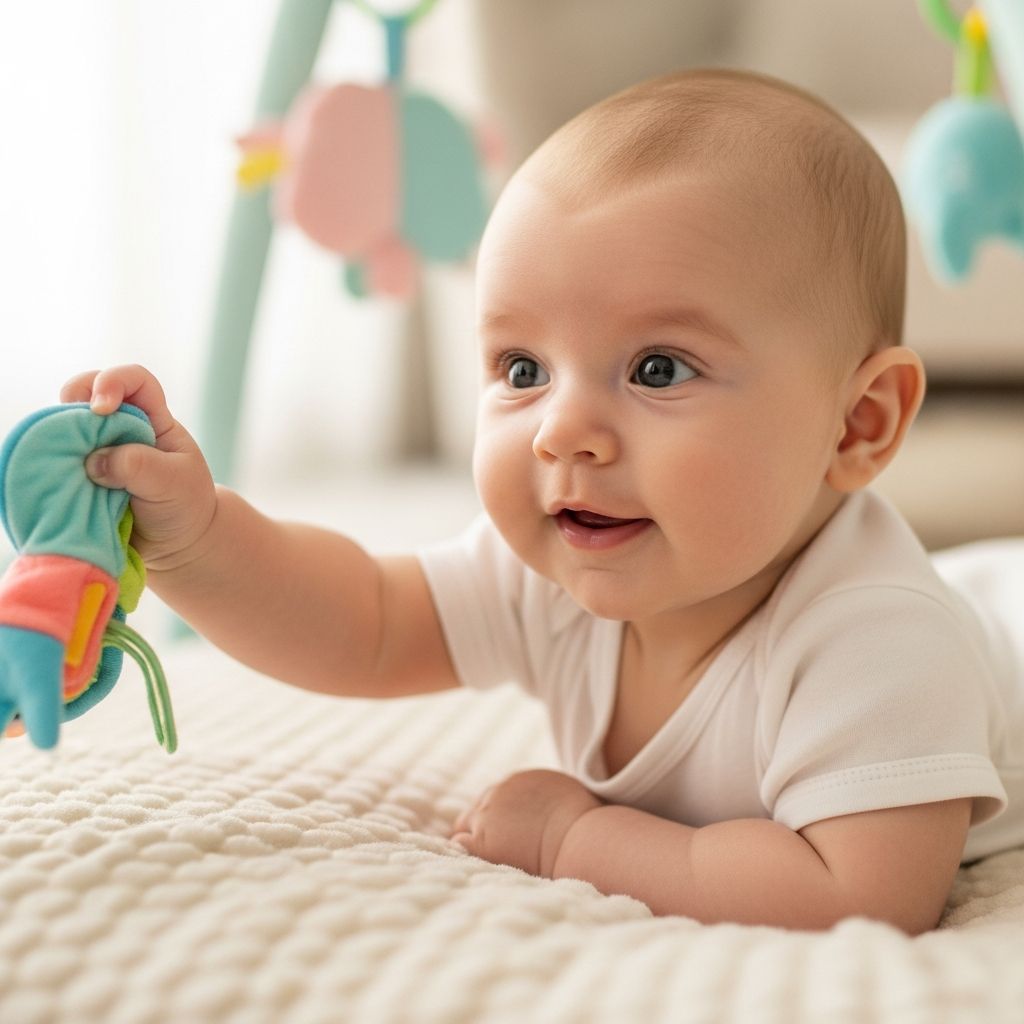
By 9 weeks, or roughly 2 months, babies show clear progress in gross and fine motor skills. Their nervous system matures, reducing jerky motions and promoting smoother arm and leg waves. During tummy time, most can lift their head to a 45-degree angle briefly and may push up slightly on forearms, strengthening neck and shoulder muscles essential for rolling over soon.
Hand control emerges too: fists unclench momentarily, allowing brief open-hand glimpses. Babies explore by bringing hands to mouth, a self-soothing technique that boosts oral awareness. Legs kick with more coordination, and activities like gentle bicycling help relieve gas while building strength.
| Motor Milestone | What to Expect | How to Support |
|---|---|---|
| Head Control | Holds head steady briefly on tummy | Daily tummy time sessions, 15-30 mins total |
| Arm/Leg Movement | Smoother kicking and waving | Bicycle legs gently while singing |
| Hand Skills | Opens hands, mouth exploration | Offer soft rattles for grasping practice |
Sensory Advancements: Vision, Hearing, and Awareness
Vision sharpens dramatically around week 9. Infants now track objects up to 12 inches away with coordinated eyes, no longer crossing frequently. High-contrast toys, faces, or mirrors captivate them, fostering depth perception and hand-eye coordination precursors. They follow moving patterns intently, a sign of spatial awareness development.
Hearing refines too: babies turn toward familiar voices or sounds, cooing in response with ‘goo-ga’ noises. They recognize parental faces and voices, showing delight through smiles and alert gazes. This social recognition marks cognitive leaps, understanding consistent caregivers.
- Vision tip: Hold toys 8-12 inches from face, move slowly side-to-side for tracking practice.
- Hearing boost: Sing repetitive songs; watch lips move to link sound with sight.
- Social play: Mimic expressions in close range to encourage reciprocal smiles.
Social and Emotional Connections
Social smiles bloom reliably now, not just from gas but in response to faces and voices. Babies calm when picked up or spoken to, indicating emotional attunement. They seek parents visually, lighting up at familiar approaches, which strengthens bonding. Coos and vowel sounds emerge beyond cries, inviting interactive ‘conversations.’ These interactions build trust and communication foundations.
Colic often peaks then eases post-9 weeks, reducing fussiness duration. Respond promptly to cues—crying signals hunger, tiredness, or discomfort—fostering secure attachment.
Sleep Patterns and Routines for Better Nights
9-week-olds need 13-14 hours of sleep daily, split into 4-5 naps and longer night stretches up to 5-8 hours. Wake windows extend to 1.5-2 hours; overtiredness leads to fight-or-flight meltdowns. Earlier bedtimes (around 9pm) align with natural circadian shifts.
Sample schedule:
- 6am: Wake and feed
- 7:30-9:30am: Nap 1
- 11:30am-1pm: Nap 2
- 3-4pm: Nap 3
- 6-7pm: Nap 4 (catnap)
- 8:30pm: Bedtime routine (bath, feed, swaddle)
- 9pm: Bed; dream feed at midnight if needed
Safety first: Never sleep in car seats—transfer to flat bassinet to avoid airway risks. White noise, swaddling, and responsive settling promote self-soothing. Track patterns; consult pediatricians for persistent issues.
Feeding and Nutrition Essentials
Breastfed babies take 24-32 ounces daily in 8-12 feeds; formula-fed similar volumes. Spit-up decreases as digestion matures, but burp frequently. Cluster feeding evenings is common, fueling growth spurts. Watch for readiness cues: rooting, sucking fists. Offer paced bottle feeds to mimic breastfeeding rhythm, preventing overfeeding.
By now, babies open mouths wide at nipple sight, coordinating suck-swallow-breathe cycles efficiently. Introduce vitamin D supplements if breastfeeding exclusively, per pediatric guidelines.
Engaging Play and Stimulation Activities
Play drives development. Tummy time builds strength—use mirrors or black-and-white cards to motivate. Gentle leg bicycling eases gas, enhances mobility. High-contrast mobiles or your expressive face within 12 inches spark tracking.
- Rattle shakes prompt sound following.
- Songs with gestures teach cause-effect.
- Baby gym time encourages reaching.
Avoid screens; human interaction trumps passive stimuli. Rotate toys to maintain novelty.
Health Checks and When to Call the Doctor
Regular well-visits track weight gain (5-7 ounces weekly), vaccinations, and screenings. Red flags: no social smiles, poor head control, constant fussiness, or eye misalignment. Most hit milestones variably; prematurity adjusts ‘corrected age.’
CDC benchmarks by 2 months: head lift on tummy, smooth limb moves, brief hand opens, noise response. Cleveland Clinic notes progressive skills from vision to grasping.
Frequently Asked Questions
Is my 9-week-old on track if not smiling yet?
Social smiles typically appear by 2 months, but ranges vary. If absent with other engagement, discuss at checkup.
How much tummy time does a 9-week-old need?
Aim for 15-30 minutes total daily, in short bursts. Builds neck strength for future milestones.
Why is my baby fussier at night?
Evening cluster feeding supports growth; overtiredness amplifies. Consistent routines help.
Can 9-week-olds sleep through the night?
Some manage 5-8 hour stretches, but feeds may still wake them. Prioritize safe sleep.
What if eyes seem crossed?
Brief crossing is normal early, but persistent issues warrant pediatrician check for tracking.
Safety Priorities for This Age
Back-to-sleep in empty crib, firm mattress, no loose bedding. Car seat only for travel—transfer post-ride. Supervise tummy time; never leave alone. Wash hands before handling to prevent infections.
As movements increase, secure surroundings: no small objects, safe play areas.
References
- 9 Week Old Baby Milestones — Happiest Baby. 2023. https://www.happiestbaby.com/blogs/baby/9-week-old-baby
- 9-Week-Old Baby: Milestones, Development & What to Know — The Bump. 2023. https://www.thebump.com/baby-month-by-month/9-week-old-baby
- Your 9-Week-Old Baby — Babylist. 2023. https://www.babylist.com/hello-baby/9-week-old-baby
- 2 Month Old Baby Milestones: Development, Growth, Speech, Language — Huckleberry. 2024. https://huckleberrycare.com/blog/2-month-old-baby-milestones-development
- Milestones by 2 Months | Learn the Signs. Act Early. — Centers for Disease Control and Prevention (CDC). 2023-10-01. https://www.cdc.gov/act-early/milestones/2-months.html
- Baby Developmental Milestones By Month — Cleveland Clinic. 2024. https://my.clevelandclinic.org/health/articles/22063-baby-development-milestones-safety