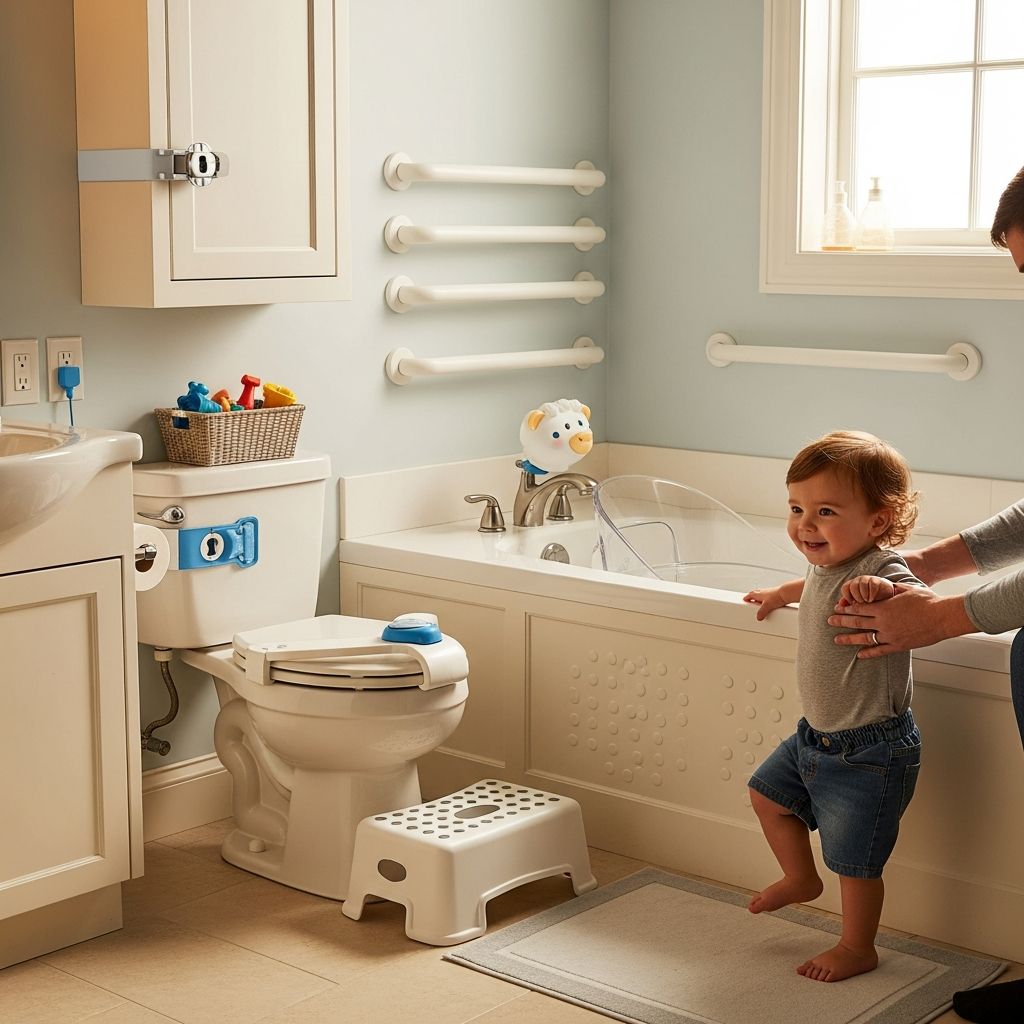
Parenting does not come with a step-by-step manual, yet certain principles are consistently linked with kids who are healthier, more confident, and better able to cope with life’s ups and downs. This guide explores nine evidence-informed foundations that can help you feel steadier as a parent while supporting your child’s growth.
1. Nurturing Real Self-Esteem, Not Just Praise
Healthy self-esteem grows when children feel seen, capable, and valued for who they are, not only for what they achieve. Research suggests that secure, warm, and responsive caregiving is a powerful buffer for children’s mental health and resilience.
Ways to strengthen your child’s sense of self:
- Notice effort, not just outcomes: Comment on persistence, creativity, or kindness rather than only grades or awards.
- Give specific feedback: Replace “Good job” with “You worked hard on that puzzle and didn’t give up.”
- Allow age-appropriate challenges: Let your child struggle a bit with tying shoes, finishing a project, or talking to a teacher before stepping in.
- Avoid labels: Phrases like “the shy one” or “the smart one” can box kids in and affect how they see themselves.
When children experience both encouragement and realistic expectations, they learn that they are capable and that mistakes are part of learning, not proof that they are “bad” or “not good enough.”
2. Setting Clear Limits With Calm Consistency
Boundaries help children feel safe. Studies on parenting styles show that an approach combining warmth with firm, consistent limits (often called authoritative parenting) is associated with better academic performance, social competence, and fewer behavior problems.
Elements of effective limits include:
- Clarity: Rules are stated in simple, positive language (“We walk inside the house.”).
- Predictable consequences: Your child knows what will happen if a rule is broken, and you follow through.
- Proportional responses: Consequences fit the behavior (e.g., losing screen time after misusing a device).
- Emotional control: The more you can stay calm, the better your child can learn from the situation.
| Approach | Short-Term Effect | Long-Term Impact |
|---|---|---|
| Yelling and harsh punishment | Child may stop behavior out of fear | More anxiety, aggression, and secrecy |
| No clear rules or consequences | Fewer immediate conflicts | Confusion, poor self-control, testing limits |
| Calm, consistent limits | Some pushback or upset at first | Stronger self-discipline, trust, and respect |
3. Making Everyday Time Count
Children thrive on reliable, positive attention. Even brief, regular moments of connection can support social and emotional development and are protective for mental health.
Simple ways to build daily connection:
- Create anchors in the day: A few minutes of focused time at wake-up, after school, or bedtime.
- Share micro-rituals: A special handshake, a nightly “high/low” of the day, or a regular Saturday walk.
- Limit distractions: Put devices aside during meals or check-in times.
- Enter their world: Ask about their game, book, or hobby and let them “teach” you.
Children often interpret your attention as a reflection of their worth. Choosing to notice and engage—even briefly—can feel deeply reassuring.
4. Using Discipline as Teaching, Not Revenge
Discipline comes from a word that means “to teach.” Effective discipline guides children toward better choices, instead of simply making them afraid of punishment.
Principles of teaching-focused discipline:
- Separate the child from the behavior: Communicate “I care about you, and this behavior is not okay.”
- Connect before you correct: A calm tone and brief empathy (“I get that you were frustrated”) make children more open to learning.
- Practice do-overs: Let your child try again with the behavior you want (e.g., repeating a request respectfully).
- Plan ahead: Review expectations before going to a store, restaurant, or event to reduce struggles.
When discipline consistently includes explanation, empathy, and an opportunity to repair, children are more likely to internalize rules and develop self-control.
5. Communicating So Kids Feel Heard
Good communication is a two-way process. When children feel that adults listen to them, they are more likely to share worries, follow guidance, and cooperate.
Helpful communication habits:
- Get on their level: Physically lower yourself to your child’s eye line when talking about something important.
- Reflect and name feelings: “You look disappointed that playtime is over.”
- Use open-ended questions: “What was the hardest part of your day?” instead of “Did you have a good day?”
- Be brief and clear: Young children, in particular, respond better to short, concrete instructions.
- Avoid talking in the heat of the moment: If emotions are too high, take a pause and return to the issue later.
Over time, balanced communication teaches kids that their voice matters, and that difficult topics can be discussed safely at home.
6. Modeling the Values You Want to See
Children learn powerfully by watching what adults do. Social learning research shows that kids imitate behaviors they observe, especially from caregivers they trust.
Areas where your example matters most:
- Respect: The way you speak to service workers, neighbors, or your partner becomes your child’s template.
- Handling anger: Taking deep breaths, apologizing when needed, and using calm words shows healthier ways to manage big feelings.
- Honesty: Owning up to mistakes (“I was wrong about that”) builds a culture of truth-telling at home.
- Kindness and generosity: Letting kids see you help others without expecting anything in return normalizes empathy.
When your behavior matches the values you talk about, your guidance carries far more weight than any lecture.
7. Creating Routines That Support Stability
Predictable routines help children feel secure and make daily life more manageable. Studies link regular family routines—such as shared meals and consistent bedtime habits—to better sleep, healthier eating, and lower risk of behavioral difficulties.
Key routines to consider:
- Morning: A simple sequence (wake, dress, breakfast, brush teeth) reduces rushing and conflict.
- After school: Roughly predictable time for snack, homework, play, and chores.
- Evening: Wind-down activities (bath, reading, quiet talk) to support healthy sleep.
- Weekly rhythms: Regular family meals, outdoor time, or game nights that everyone can count on.
Routines do not need to be rigid. The goal is a flexible framework that gives children a sense of “I know what comes next,” which can ease anxiety and improve cooperation.
8. Caring for Yourself to Better Care for Them
Parenting is demanding. Chronic stress can make it harder to respond calmly, think clearly, or stay consistent. Public health guidance emphasizes that caregiver well-being is a crucial part of children’s overall health.
Protective self-care practices:
- Sleep whenever possible: Even small improvements—like a more regular bedtime for yourself—can boost patience.
- Ask for help: Lean on friends, family, community groups, or parenting support programs when available.
- Build in tiny breaks: Five minutes with a book, a brief walk, or slow breathing can reset your nervous system.
- Seek professional support when needed: If you feel overwhelmed, persistently sad, or unable to cope, reaching out to a health professional is a strength, not a failure.
Children benefit when the adults around them have at least some support, rest, and space to refill their emotional tank.
9. Adapting as Your Child Grows
What works for a toddler will not work in the same way for a teenager. Developmental research highlights that children’s needs change as their thinking, bodies, and social worlds grow more complex.
Guidelines for staying flexible:
- Adjust your level of control: Younger children need more direct guidance; older children benefit from increased choice and shared decision-making.
- Keep learning: Reliable books, classes, pediatric guidance, and reputable health websites can help you understand each stage.
- Invite collaboration: Ask older kids, “How do you think we should handle this?” and problem-solve together.
- Hold on to core values: While rules may change with age, values like respect, safety, and honesty can remain steady.
Seeing parenting as an evolving relationship—not a fixed set of rules—can make it easier to navigate transitions like starting school, puberty, or new family circumstances.
Frequently Asked Questions About Effective Parenting
Q1: How much praise is too much?
Praise is most helpful when it is specific, sincere, and focused on effort or strategies rather than on fixed traits like intelligence. Overly general or constant praise can make some children feel pressured to be “perfect” and less willing to take risks. Aim to notice genuine effort and progress and balance praise with acceptance when things do not go well.
Q2: What if my partner and I parent very differently?Perfect agreement is unrealistic, but children do best when the adults in their lives share a few core, consistent expectations. Try to talk privately about your long-term goals for your child, agree on basic rules (for safety, respect, and screen use, for example), and present decisions together when you can. If conflict is high, outside support such as counseling or parenting education can help you find common ground.
Q3: How can I stay calm when my child is having a meltdown?
It helps to have a personal plan before emotions run high. This might include pausing to take slow breaths, reminding yourself that your child’s behavior is a form of communication, and—when safe—stepping away briefly to regroup. Over time, practicing these skills can make it easier to respond with guidance rather than with anger.
Q4: Is it okay to apologize to my child?
Yes. A sincere apology when you have overreacted or made a mistake models accountability, repair, and respect. It does not undermine your authority; instead, it shows your child that relationships can recover after conflict and that everyone is still learning.
Q5: How do I know when to seek professional help?
Consider talking with a pediatrician or mental health professional if you notice lasting changes in your child’s sleep, appetite, mood, school performance, or behavior; if your child talks about self-harm; or if family stress feels unmanageable. Early support can make challenges easier to address and is a key part of protecting children’s mental health.
References
- Family Routines and Rituals — Fiese BH et al., Pediatrics. 2002-09-01. https://doi.org/10.1542/peds.110.6.e372
- 9 Steps to More Effective Parenting — Nemours KidsHealth. 2023-07-10. https://kidshealth.org/en/parents/nine-steps.html
- Parenting Matters: Supporting Parents of Children Ages 0–8 — National Academies of Sciences, Engineering, and Medicine. 2016-11-21. https://nap.nationalacademies.org/catalog/21868/parenting-matters-supporting-parents-of-children-ages-0-8
- Adverse Childhood Experiences (ACEs) — U.S. Centers for Disease Control and Prevention (CDC). 2024-04-01. https://www.cdc.gov/aces
- Child and Adolescent Mental Health — World Health Organization (WHO). 2021-09-17. https://www.who.int/news-room/fact-sheets/detail/child-and-adolescent-mental-health