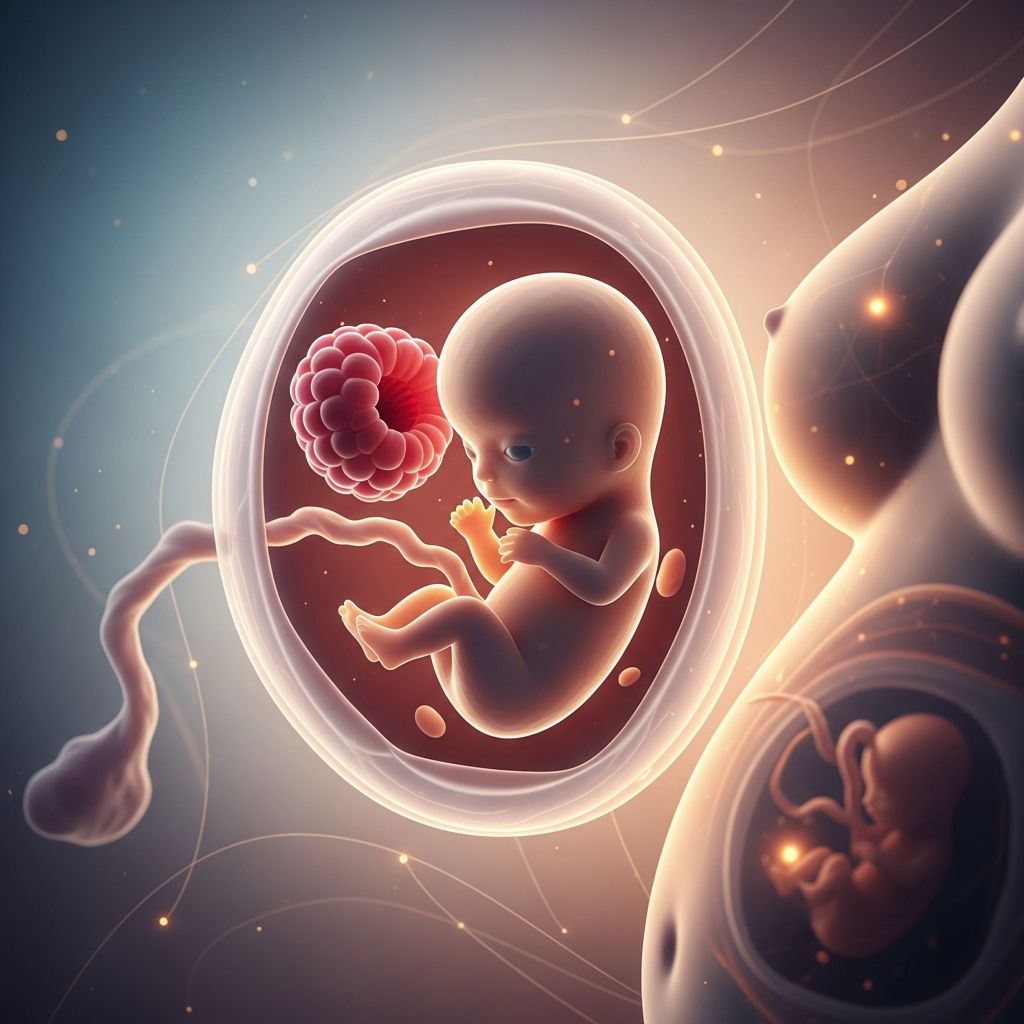
Your pregnancy at 8 weeks marks a pivotal moment in the first trimester, where the embryo rapidly develops into a more recognizable form. Measuring about the size of a raspberry (around 16mm), the little one is undergoing profound changes in organ formation and physical structure.Key highlights include lengthening limbs, emerging facial features, and the onset of subtle movements, all supported by rising hormones that also trigger common symptoms for you.
Embryonic Milestones: Inside the Womb at Week 8
By week 8, the embryo has evolved significantly from its early tadpole-like appearance. The head, still large relative to the body, begins to uncurl slightly, allowing for better proportions. Major organs like the heart, brain, liver, and kidneys are forming, with the heart beating steadily—detectable via ultrasound.All essential body systems are taking shape, setting the foundation for fetal stages ahead.
- Limbs and Extremities: Arm and leg buds elongate, with hands showing early finger formations (slightly webbed) and feet resembling paddles. Cartilage structures support these developing appendages.
- Facial Development: Eyes become visible with forming eyelids, ears start as small swellings, the nose and upper lip emerge, and the roof of the mouth fuses with the upper jaw. Inner ear and tongue also develop.
- Internal Progress: Bones begin hardening under the skin, muscles allow tiny flexes and twitches (unfelt by you), lungs start forming, and taste buds appear. The embryonic tail diminishes.
- Support Systems: The yolk sac provides nutrients temporarily, while the placenta develops branches to attach to the uterine wall, soon taking over oxygen and waste exchange. Amniotic fluid cushions the embryo.
At this stage, the embryo officially transitions to a fetus around the end of week 8, meaning “offspring” in Latin—a term shift reflecting completed basic organogenesis.
Maternal Body Adaptations During Week 8
Your body is working overtime to nurture this growth. The uterus expands to roughly tennis ball size, pressing on the bladder and causing frequent urination. Hormonal surges, especially human chorionic gonadotropin (hCG) and progesterone, drive many changes.These adaptations are normal but can feel intense.
| Symptom | Description | Management Tips |
|---|---|---|
| Morning Sickness | Nausea peaks now, often worst in mornings but anytime; affects many due to hormones. | Eat small, bland meals; ginger tea; avoid triggers. Consult doctor if severe. |
| Fatigue | Extreme tiredness from progesterone and energy diversion to baby. | Prioritize rest, short naps; light walks for energy boost. |
| Breast Tenderness | Breasts enlarge, feel heavy/sore as milk lobules expand for future breastfeeding. | Supportive bras; warm compresses. |
| Frequent Urination | Uterus pressure on bladder; drink more daytime fluids, less evenings. | Kegel exercises for pelvic strength. |
| Bloating/Cramps | Mild abdominal stretching pains; normal unless severe. | Hydrate, fiber-rich diet; contact provider for concerns. |
| Constipation | Hormones slow digestion; impacts ~50% of pregnancies. | High-fiber foods, water, walks; discuss stool softeners if needed. |
| Mood Swings | Emotional fluctuations from hormones; anxiety possible. | Talk to support network or doctor if persistent. |
Some women glow with energy, but most report amplified symptoms. Track them for your prenatal visit.
Prenatal Care Essentials Around Week 8
This week often aligns with your first prenatal appointment. Expect bloodwork, urine tests, medical history review, and possibly an 8-week ultrasound to confirm heartbeat (120-160 bpm), location (ruling out ectopic), and viability. Sonograms reveal active limbs waving—exciting even if unfelt.
- Lab Tests: Check hCG levels, blood type, anemia, infections (e.g., rubella, HIV).
- Discussions: Folic acid intake (400-800mcg daily prevents neural tube defects), prenatal vitamins, lifestyle (no smoking/alcohol, balanced diet).
- Screenings: Early genetic options if high-risk; standard dating ultrasound.
Schedule if not done; early care reduces risks like miscarriage (common in first trimester but decreasing now).
Nutrition and Lifestyle Recommendations
Fuel development with nutrient-dense foods. Focus on folate, iron, calcium, omega-3s for brain/organ growth.
- Diet Staples: Leafy greens, lean proteins, dairy, fruits (avocados for healthy fats), whole grains. Aim 300 extra calories daily.
- Hydration: 8-10 glasses water to combat constipation, support amniotic fluid.
- Exercise: 30 minutes moderate activity (walking, prenatal yoga) most days—boosts mood, eases symptoms.
- Sleep: 7-9 hours; elevate head for nausea relief.
- Avoid: Raw fish/meat, unpasteurized dairy, excess caffeine (<200mg).
Quit harmful habits; even occasional alcohol risks fetal alcohol spectrum disorders.
Emotional Well-Being and Partner Involvement
Pregnancy hormones can amplify emotions—joy mixed with worry. Common concerns: miscarriage fears (rates drop post-heartbeat), body changes. Journal, meditate, or join support groups. Involve partners in appointments for shared excitement.
Partners: Attend scans, help with chores, offer empathy during nausea bouts.
Potential Concerns and When to Call Your Doctor
Most symptoms are benign, but watch for red flags:
- Heavy bleeding/cramping (possible miscarriage/ectopic).
- Severe vomiting (hyperemesis gravidarum).
- Dizziness, severe pain, fever.
- No symptoms at all (some have few).
Trust instincts; prompt care ensures safety.
Frequently Asked Questions (FAQs)
Can I feel the baby move at 8 weeks?
No, movements are too small; first flutters come around 16-25 weeks.
Is constipation normal at 8 weeks pregnant?
Yes, affects nearly 50%; fiber, water, and activity help.
What does an 8-week ultrasound show?
Heartbeat, limb buds, yolk sac; confirms viability.
Is it safe to exercise at week 8?
Yes, moderate activities; avoid high-impact or contact sports. Consult provider.
When does morning sickness peak?
Often weeks 8-10; eases by 12-14 for most.
Has the baby developed all organs by week 8?
Nearly all major ones form; refinement continues.
Looking Ahead: From Week 8 to Trimester End
Next weeks bring faster growth—baby doubles size soon. Placenta fully functions by week 10, symptoms may plateau. Prepare for dating scan (8-14 weeks) and quad screen (15-20 weeks) if applicable. Celebrate milestones; you’re nurturing a miracle!
References
- Weeks 7 & 8 of Pregnancy: Growth You Can’t Yet See — Amnion Pregnancy Center. Accessed 2026. https://amnionpregnancycenter.com/weeks-7-8-of-pregnancy-growth-you-cant-yet-see/
- Pregnancy at week 8 — Pregnancy Birth & Baby (Australian Government-funded). Accessed 2026. https://www.pregnancybirthbaby.org.au/pregnancy-at-week-8
- 8 Weeks Pregnant: Baby Development, Symptoms and Tips — The Bump. Accessed 2026. https://www.thebump.com/pregnancy-week-by-week/8-weeks-pregnant
- Fetal Development: Week-by-Week Stages of Pregnancy — Cleveland Clinic. 2023-01-20. https://my.clevelandclinic.org/health/articles/7247-fetal-development-stages-of-growth
- 8 weeks pregnant guide — NHS (UK National Health Service). Accessed 2026. https://www.nhs.uk/best-start-in-life/pregnancy/week-by-week-guide-to-pregnancy/1st-trimester/week-8/
- Pregnancy Week by Week — March of Dimes. Accessed 2026. https://www.marchofdimes.org/pregnancy-week-week
- Fetal development: The first trimester — Mayo Clinic. 2023-07-11. https://www.mayoclinic.org/healthy-lifestyle/pregnancy-week-by-week/in-depth/prenatal-care/art-20045302