At eight months of age, your baby is entering an exciting phase of rapid growth and exploration. This period marks significant advances in physical capabilities, cognitive understanding, and social awareness. Your little one is becoming increasingly mobile, more interactive, and better able to communicate their needs and interests. Understanding what milestones to expect during this month can help you provide appropriate support while keeping your baby safe as their world expands.
Physical Growth and Movement Capabilities
Eight-month-old babies typically demonstrate impressive physical achievements that build upon skills developed in previous months. Most infants at this age can sit independently without support, though they may occasionally lose their balance and use their arms to catch themselves. This sitting ability opens up new opportunities for play and exploration as babies no longer need to be held or supported while engaging with toys.
Gross Motor Skills and Mobility
Rolling in both directions is well-established by eight months, with many babies able to roll while sleeping without restriction. Beyond rolling, babies are actively exploring different methods of movement. Some babies begin crawling on their bellies, while others may scoot on their bottoms or use a rocking motion on their hands and knees. It’s important to note that there is tremendous variation in how babies move at this age—some will be crawling actively while others are still perfecting their sitting or beginning to pull themselves upright.
An exciting development around this age is the beginning of pulling to stand with support from furniture. Babies may grasp onto crib railings, table edges, or other sturdy objects to haul themselves into a standing position, often bouncing with excitement once they achieve it. This marks the beginning of the transition toward independent standing and walking, though this process typically takes several more months.
Fine Motor Development and Hand Skills
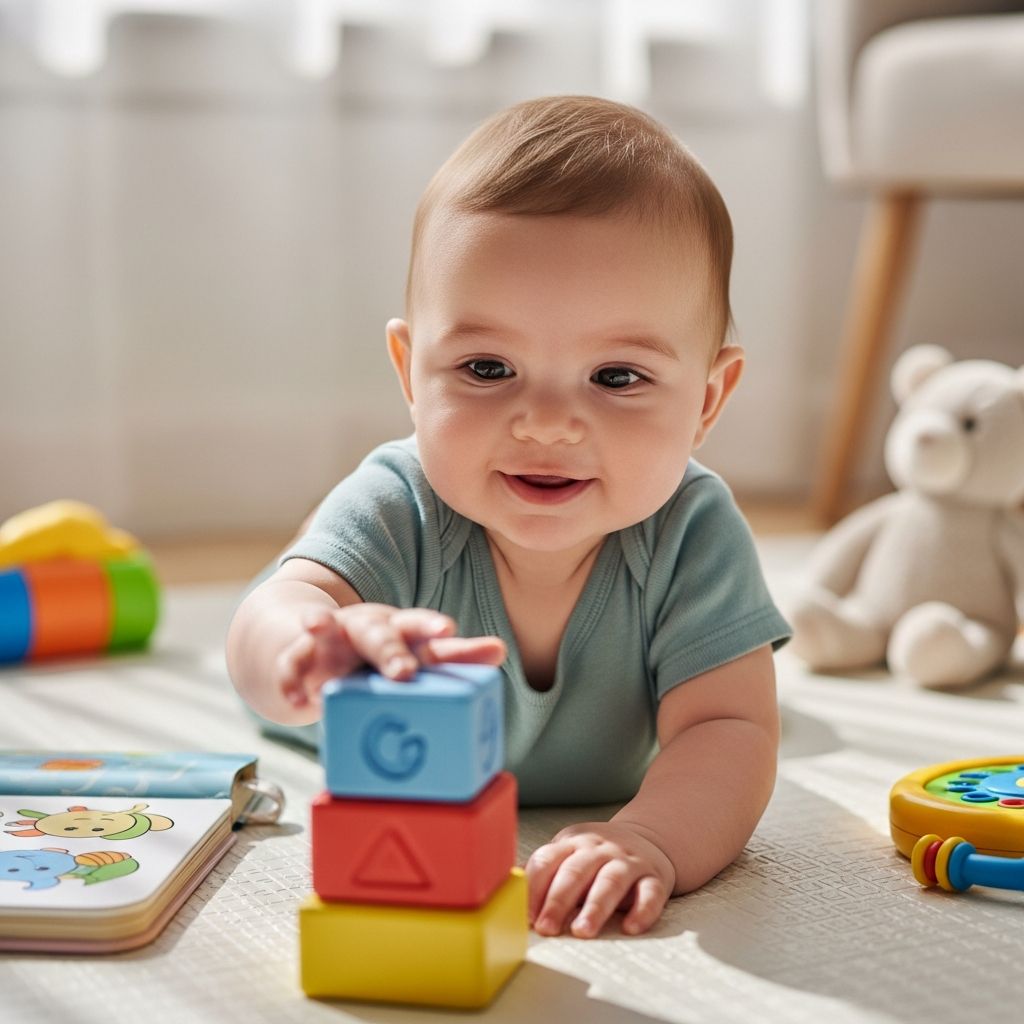
Hand coordination improves noticeably at eight months, allowing babies to manipulate objects with greater intention and control. Babies can now transfer objects from one hand to the other, bang two toys together, and drop items deliberately. They’re beginning to understand cause and effect through these actions—for example, dropping a spoon from the high chair repeatedly teaches them about gravity and object relationships.
The pincer grasp—the ability to pick up small objects using the thumb and forefinger—is beginning to develop around eight months. While this skill may not be fully refined until nine months or later, early attempts at grasping with thumb and finger show important neurological development. This emerging ability is significant because it will eventually allow your baby to self-feed finger foods and manipulate smaller objects safely.
Hand-eye coordination continues to improve, making movements more purposeful and accurate. Babies can reach while sitting and maintain balance, scoop food into their fists, and direct objects to their mouth with greater precision than in previous months.
Cognitive Development and Understanding
Cognitive advances at eight months reflect growing brain development and memory formation. Your baby is now capable of understanding object permanence—the concept that objects still exist even when out of sight. This understanding makes games like peek-a-boo and hiding toys increasingly enjoyable and developmentally appropriate.
Babies at this age demonstrate improved memory and recognition. They can look for objects they’ve dropped or hidden, understand when a caregiver leaves the room, and recall familiar people and routines. They may begin pointing at objects in books when you name them and can follow simple directions or requests.
Exploration of cause-and-effect relationships becomes more sophisticated. Babies learn that their actions produce results—pressing buttons makes sounds, shaking rattles creates noise, and dropping items results in them falling. This understanding of how actions affect their environment drives much of their play and exploration during this period.
Language Skills and Communication
By eight months, babies are becoming more responsive communicators. They typically respond to their own name when called and recognize the names of familiar family members. When you ask where someone is—”Where’s mommy?” or “Where’s the dog?”—babies may look toward or search for that person or pet.
Babbling becomes more complex and increasingly resembles actual speech patterns. Babies use consonant sounds more consistently and may combine syllables in ways that sound like real words, even though they don’t yet hold true meaning. They make sounds to gain attention and engage in “conversations” with caregivers, taking turns vocalizing back and forth.
Understanding of language expands beyond recognition of names. Babies comprehend basic words related to daily activities like “eat,” “bath,” and “sleep.” They may respond to the word “no” with changes in behavior, though consistency in following such commands develops more fully over time.
Feeding Development and Nutritional Needs
At eight months, most babies are consuming a combination of breast milk or formula along with solid foods. Babies are typically enjoying a variety of textures and tastes, including soft fruits and vegetables, grains, proteins, and finger foods.
Self-feeding abilities are emerging during this month. The developing pincer grasp allows some babies to pick up small, soft pieces of food and bring them to their mouths. Many eight-month-olds enjoy exploring foods by raking them with their whole hand, using their fist to hold food, or attempting to direct utensils toward their mouths.
Appropriate finger foods at this stage include soft bananas, avocado, steamed vegetables like beans or pumpkin, toast, rusks, and other soft, manageable pieces. Supervision during eating remains essential for safety, and parents should continue offering diverse foods to expand taste experiences and develop healthy eating preferences.
Emotional and Social Development
Emotional development at eight months shows increased awareness of relationships and growing attachment preferences. Babies feel most secure when with their primary caregivers and may experience stress or anxiety when separated from them. This is a normal and healthy development that reflects the importance of the attachment bond.
At this age, babies may display stranger anxiety or wariness. While some babies are more social than others, it’s common for eight-month-olds to prefer familiar faces and become fussy or reserved with unfamiliar people. This is a sign of cognitive development and healthy attachment, not a behavioral problem.
Babies actively explore and play when in the presence of trusted caregivers and frequently “check in” visually or by returning to their caregiver for reassurance. This secure base behavior—using the caregiver as a safe point from which to explore—is fundamental to healthy emotional development.
Home Safety Considerations for Mobile Babies
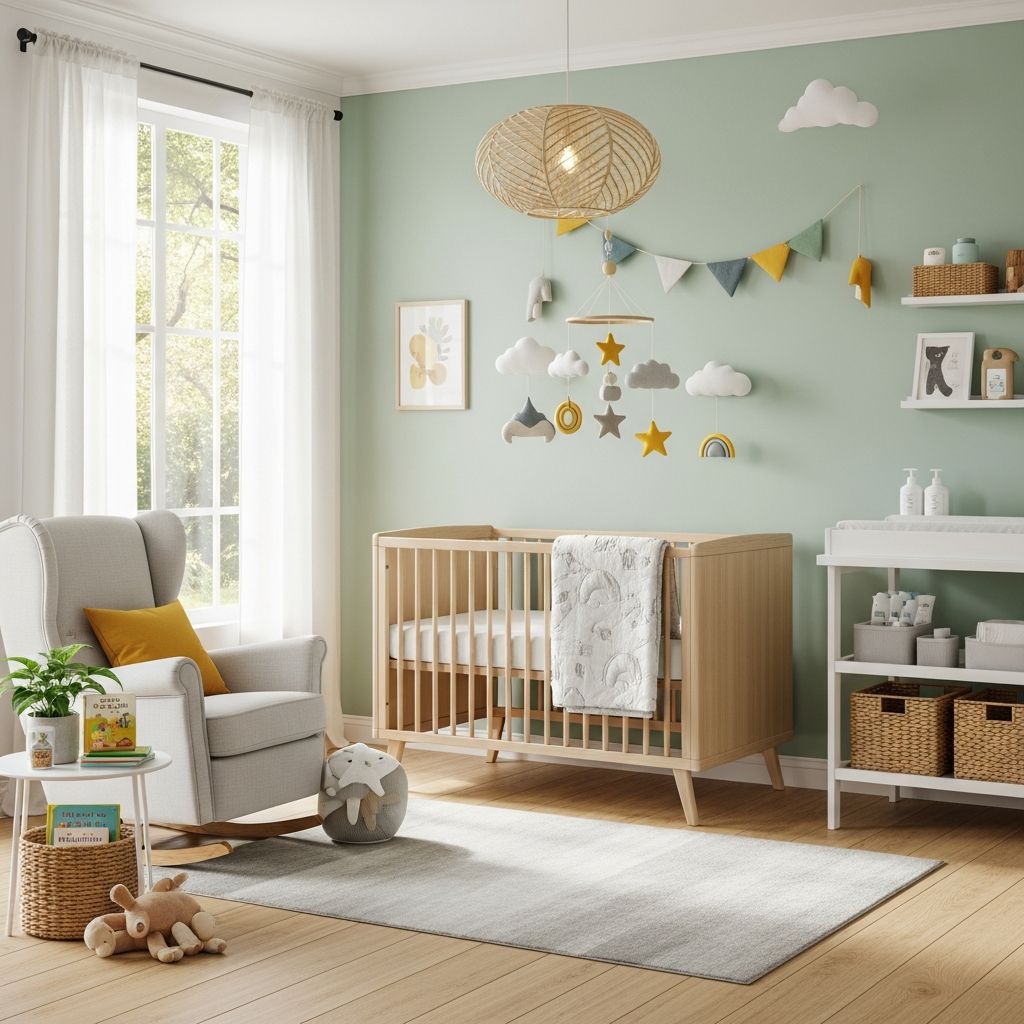
As babies become increasingly mobile through crawling, scooting, or bottom-shuffling, home safety becomes increasingly important. Parents should implement several protective measures:
- Cabinet and drawer locks prevent access to dangerous items and medications
- Baby gates restrict access to stairs and hazardous areas
- Outlet covers protect from electrical hazards
- Corner guards and bumpers cushion sharp furniture edges
- Unstable furniture should be secured to walls to prevent tipping
- Electrical cords and hot drinks must be kept well out of reach
- Clear floor space allows safe exploration and movement practice
Play Activities and Development Support
Structured play and parent engagement during this period support healthy development across all domains. Age-appropriate activities challenge growing skills while remaining safe and enjoyable.
Peek-a-boo games capitalize on the newly developed understanding of object permanence and provide wonderful bonding opportunities. The surprise and anticipation inherent in these games make them especially engaging for eight-month-olds.
Movement encouragement supports the development of motor skills and confidence. Placing toys slightly out of reach encourages crawling or creeping toward them. Inviting your baby to crawl toward you provides motivation and interaction. Ensuring large, hazard-free floor spaces gives babies room to practice and experiment with movement.
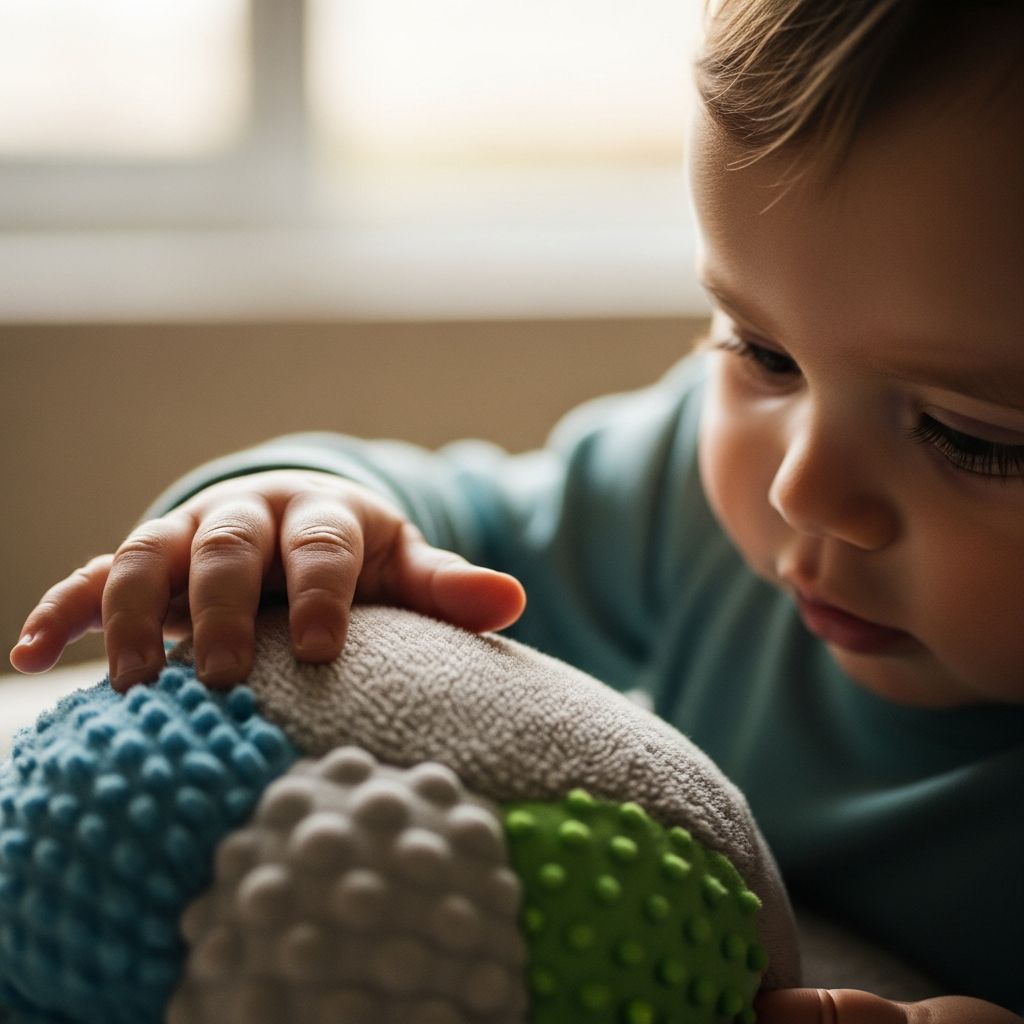
Sensory exploration remains important at this age. Babies enjoy bells and toys that make sounds, objects of different textures, brightly colored books, and activity centers where pressing, twisting, or poking produces sounds or movement. Getting on the floor to play at your baby’s level—making funny noises, pretending to be animals, or engaging in gentle chasing games—provides physical play that builds muscle strength and emotional connection.
Recognizing Developmental Concerns
While there is significant variation in the timing of developmental milestones, certain signs may warrant discussion with a pediatrician. If your eight-month-old is not laughing, making squealing sounds, or showing expected social engagement, professional evaluation may be helpful. Similarly, significant delays in gross or fine motor skills compared to peers warrant assessment.
Remember that developmental timelines are ranges, not fixed deadlines. Some babies crawl at six months; others don’t crawl until after ten months or skip crawling altogether and move directly to standing and walking. Individual variation is normal and healthy, but your pediatrician can help determine if development is progressing appropriately for your specific baby.
Frequently Asked Questions
Should I be concerned if my eight-month-old isn’t crawling yet?
Not necessarily. Crawling timelines vary widely among healthy babies. Some babies crawl early, while others scoot, creep, or skip crawling entirely and move directly to pulling to stand and walking. Movement patterns are highly individual. If you have concerns about your baby’s overall mobility and strength, discuss them with your pediatrician.
How much should an eight-month-old be eating solid foods?
Most eight-month-olds eat solid foods two to three times daily, along with continued breast milk or formula. Portions are small—typically just a few spoonfuls or a handful of finger foods. Your pediatrician can provide specific guidance based on your baby’s individual needs and growth.
Is separation anxiety at eight months normal?
Yes, separation anxiety and stranger wariness are very common at eight months. These responses indicate that your baby understands relationships and has formed secure attachments. Over time, with consistent reassurance and repeated positive experiences with separation, these anxieties typically diminish.
What should I do if my baby has significant stranger anxiety?
Respect your baby’s feelings while gently encouraging interaction over time. Allow unfamiliar people to approach slowly, engage with your baby indirectly (talking to you rather than forcing interaction with your baby), and provide reassurance through your calm presence. Never force interaction, as this can increase anxiety.
How can I encourage my eight-month-old to self-feed?
Offer soft finger foods that your baby can grab and bring to their mouth. Allow messy exploration without criticism. Provide utensils and let your baby see you using them, though refined utensil use develops much later. Celebrate attempts at self-feeding to encourage independence and confidence.
What types of activities best support development at eight months?
Physical play, interactive games (like peek-a-boo), sensory exploration, and guided movement practice all support development. Parent engagement and narration of daily activities—talking about what you’re doing, naming objects, singing songs—provide rich language exposure and connection.
References
- Developmental Milestones for Babies (6-12 months) — Coral Care. Accessed January 16, 2026. https://www.joincoralcare.com/developmental-guides/milestones-6-12-months-babies
- 8 Month Old Baby Milestones: Development, Growth, Speech, Language — Huckleberry Care. December 29, 2025. https://huckleberrycare.com/blog/8-month-old-baby-milestones-development-growth-speech-language-and-more
- Your Baby’s Growth and Development – 8 Months Old — Pregnancy Birth & Baby. Government of South Australia. Accessed January 16, 2026. https://www.pregnancybirthbaby.org.au/babys-growth-and-development-8-months-old
- Baby Development at 7-8 Months — Raising Children Network. Accessed January 16, 2026. https://raisingchildren.net.au/babies/development/development-tracker-3-12-months/7-8-months
- Infant Development: Milestones from 7 to 9 Months — Mayo Clinic. Accessed January 16, 2026. https://www.mayoclinic.org/healthy-lifestyle/infant-and-toddler-health/in-depth/infant-development/art-20047086