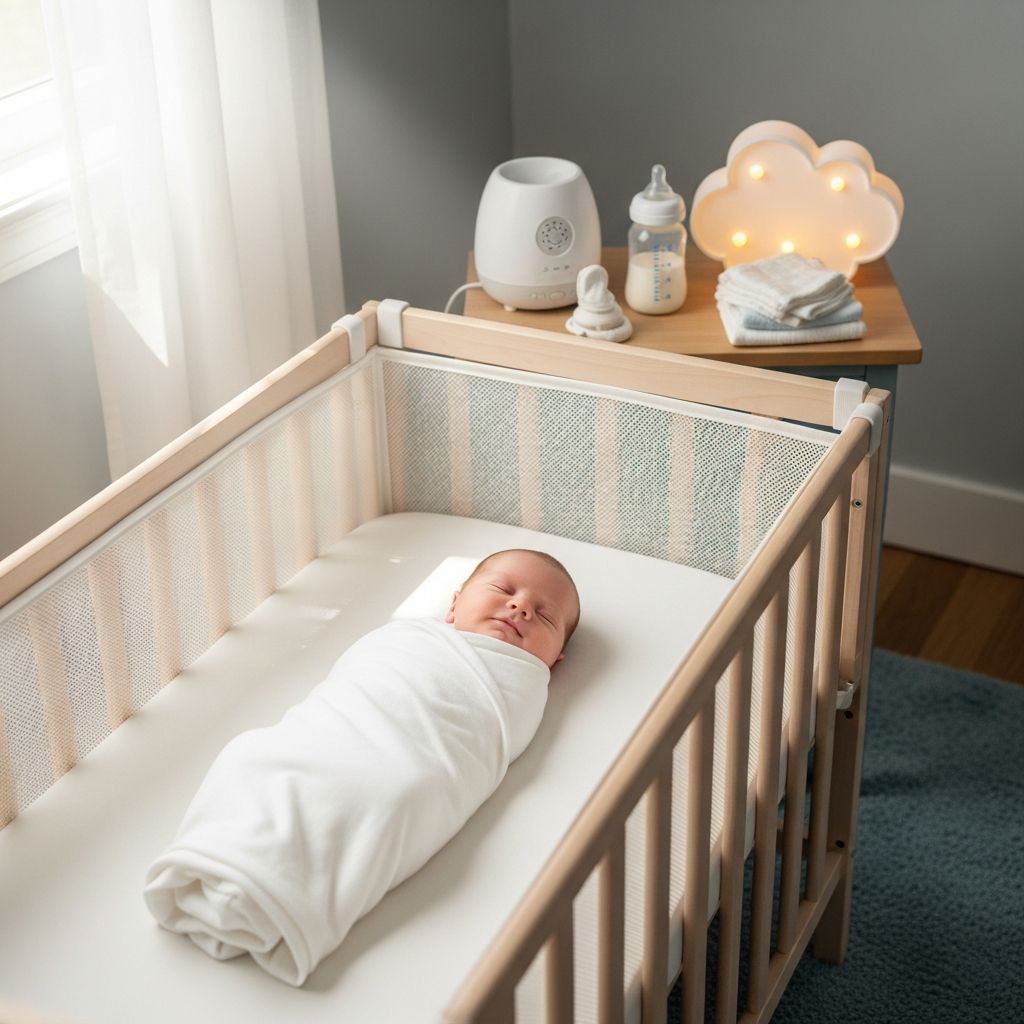
Your baby is capable of far more than crying, sleeping, and feeding from the moment they arrive. These tiny humans come equipped with innate skills that reveal their rapid brain development and readiness to engage with the world. Understanding these hidden talents helps parents foster stronger connections and support key milestones. This article dives into eight remarkable abilities, drawing from pediatric guidelines, with practical ways to encourage them.
1. Mimicking Facial Expressions Right from Birth
Newborns possess an extraordinary capacity to imitate facial gestures, such as sticking out their tongue or opening their mouth wide, when they see adults do the same. This neonatal imitation typically emerges within hours of birth and peaks around 2 months. It demonstrates early social cognition, as babies mirror expressions to build rapport and learn about emotions.
During the first weeks, your baby’s brain is wired to copy these movements, helping them recognize faces and predict social interactions. Studies show this skill activates mirror neurons, laying the groundwork for empathy later in life. Parents can engage by slowly making exaggerated faces during eye contact—watch as your infant responds with their own version, strengthening the parent-child bond.
To maximize this talent, hold sessions in a quiet, well-lit room for 5-10 minutes daily. Avoid overstimulation; let the baby lead. By 3 months, this evolves into responsive smiling, where infants grin back at joyful faces. If imitation doesn’t appear immediately, it may just mean your baby needs more rest—consult a pediatrician if concerned beyond 2 months.
2. Recognizing Familiar Voices and Scents Immediately
Even in the womb, babies memorize voices, especially their mother’s, distinguishing them from strangers by birth. They turn toward familiar sounds and calm to parental tones, showing auditory memory at work. Newborns also prefer their mother’s scent, crawling toward breast pads with her smell over others.
This ability stems from prenatal hearing development around 18 weeks gestation. Post-birth, it aids soothing and attachment. Speak softly to your newborn during feeds or changes; notice how they quiet or orient their head toward your voice. Fathers and siblings can build recognition through consistent talking and skin-to-skin contact.
Practical tip: Record family voices reading a short story and play it during tummy time. This reinforces memory and language foundations. By 1 month, babies track voices with eyes, enhancing focus.
3. Tracking Objects and Faces with Precision
From day one, infants fixate on high-contrast patterns and follow moving objects or faces with their eyes. This visual tracking supports early motor and cognitive growth, transitioning from jerky newborn movements to smooth pursuit by 2-3 months.
Babies prefer faces over other stimuli, scanning eyes and mouth first. Use black-and-white mobiles or your face at 8-12 inches—their focal range—to stimulate this. As they progress, they anticipate object paths, predicting where it will go.
- Start with slow side-to-side face movements.
- Progress to rattles shaken gently in arcs.
- By 3 months, expect head turning to follow.
4. Grasping and Holding with a Powerful Reflex
Newborns exhibit a strong palmar grasp reflex, curling fingers tightly around anything touching their palm—even adult fingers, supporting their full weight briefly. This primitive reflex aids survival and evolves into voluntary reaching by 3-4 months.
Place a finger in their hand during alert times; feel the strength. This builds hand-eye coordination. Avoid small objects to prevent choking. By 2 months, hands open more, leading to self-discovery.
5. Preferring Your Scent and Touch for Comfort
Babies self-soothe by seeking parental scents on fabrics, turning toward them amid unfamiliar smells. Combined with rooting reflex, this guides feeding. Skin-to-skin contact releases oxytocin, regulating heart rate and temperature.
Swaddle with your worn shirt for naps. This talent peaks in the first weeks, fostering security.
6. Responding to Music and Rhythm Patterns
Infants distinguish musical rhythms and motherese (high-pitched sing-song speech) from regular talk, quieting or moving in sync. Prenatal exposure enhances this; they recognize lullabies post-birth.
Sing familiar tunes daily. By 4 months, they coo back rhythmically. Use soft music for calming during fussy periods.
7. Showing Early Signs of Self-Awareness
Around 2-3 months, babies study their hands, bringing them to mouth and opening/closing fists—first steps toward body awareness. This leads to intentional touching by 4 months.
Provide bare-handed playtime on a playmat. Mirror play helps them connect image to self.
8. Developing Object Permanence Early On
By 7-9 months, babies grasp that hidden objects exist, searching under blankets—a cognitive leap. Peek-a-boo games teach this from 4 months.
Hide toys partially; cheer successes. This builds problem-solving.
How to Nurture These Abilities Daily
Daily tummy time (3-5 minutes building to 20), responsive talking, and varied sensory play unlock potential. Track progress with a milestone chart:
| Month | Gross Motor | Fine Motor | Social/Emotional |
|---|---|---|---|
| 1-2 | Head turning | Grasp reflex | Imitates faces |
| 3-4 | Chest lift | Reaches out | Social smile |
| 5-6 | Rolls over | Rakes objects | Babbles |
| 7-9 | Crawls | Pincer grasp | Peek-a-boo |
| 10-12 | Stands | Stacks toys | Says words |
Consult professionals if delays persist.
Frequently Asked Questions (FAQs)
What if my baby doesn’t imitate faces?
Normal variation; try again when alert. See doctor if absent by 2 months.
How much tummy time is enough?
Start 3 minutes, 2-3x/day; increase gradually to prevent flat head.
When do babies recognize their name?
Around 6-7 months, turning head when called.
Is crawling a must before walking?
No, some skip it; focus on overall mobility.
How to boost language early?
Narrate actions, respond to babbles daily.
References
- Month-by-Month Guide to Your Infant’s First Year — Allied Physicians Group. 2023. https://alliedphysiciansgroup.com/patient-resources/patient-education/month-by-month-guide-to-your-infants-first-year-essential-milestones-and-tips-for-parents/
- Baby Development Stages: The First Year — WebMD. 2024-01-15. https://www.webmd.com/parenting/baby/features/stages-of-development
- Baby Developmental Milestones By Month — Cleveland Clinic. 2023-08-10. https://my.clevelandclinic.org/health/articles/22063-baby-development-milestones-safety
- Milestones by 1 Year — Centers for Disease Control and Prevention (CDC). 2025-06-01. https://www.cdc.gov/act-early/milestones/1-year.html
- Infant development: Milestones from 4 to 6 months — Mayo Clinic. 2024-03-22. https://www.mayoclinic.org/healthy-lifestyle/infant-and-toddler-health/in-depth/infant-development/art-20048178