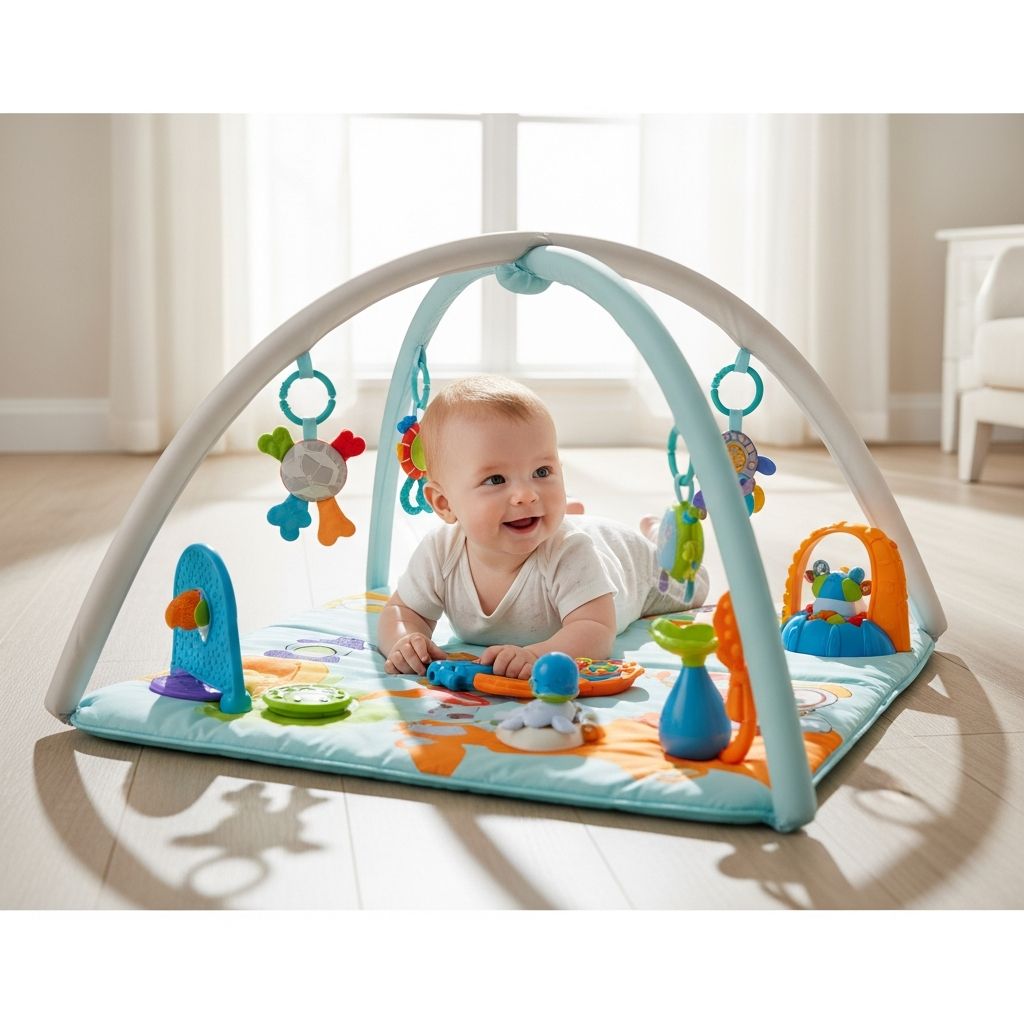
Between 8 and 12 months, babies’ brains and bodies change quickly, and their sleep changes right along with them. This age can bring longer stretches at night, but also new disruptions as babies learn to crawl, stand, and communicate. Understanding what is typical — and what you can do to help — makes it much easier to support healthy sleep for your child and your family.
Why Sleep Matters So Much in Late Infancy
Sleep is not just “down time” for an 8–12 month-old. While your baby sleeps, the brain organizes memories, builds connections that support learning, and releases important hormones that help with growth and immune function. Good-quality sleep at this age supports attention, mood regulation, and overall development during the day.
When babies in this stage do not get enough rest, you may see more clinginess, shorter attention spans, and difficulty handling everyday frustrations. Because this is also a time of major milestones — such as pulling to stand, trying new foods, and babbling more — consistent sleep helps babies have the energy and focus to practice new skills.
How Much Sleep Do 8–12 Month-Olds Typically Need?
Every baby is unique, but most 8–12 month-olds fall within a fairly predictable range of total daily sleep. Rather than aiming for a single exact number, it is more helpful to think in ranges and watch how your baby behaves when they are well-rested.
The table below gives ballpark totals many families find useful as a starting point. Some babies will naturally need a little more or less; what matters most is that your child seems alert, curious, and generally content during waking hours.
| Age | Approx. Total Sleep in 24 Hours | Night Sleep (including brief wakings) | Daytime Naps |
|---|---|---|---|
| 8–9 months | 13–15 hours | 10–12 hours | 2–3 naps, totaling about 2.5–4 hours |
| 10–11 months | 12.5–14.5 hours | 10–12 hours | 2 naps, totaling about 2–3.5 hours |
| 12 months | 12–14 hours | 10–12 hours | 1–2 naps, totaling about 1.5–3 hours |
If your baby regularly falls outside these ranges but seems happy, active, and is growing well, that may still be normal for them. Persistent difficulty settling, frequent long night wakings, or very short naps can signal that the schedule or sleep environment needs adjusting, or that a medical or developmental issue needs attention from a pediatric professional.
Understanding Your Baby’s Sleep Patterns
By around 8 months, most babies have shifted toward more nighttime sleep and fewer daytime naps than they had as newborns. They cycle through light and deep sleep stages repeatedly through the night. It is normal to have brief awakenings between cycles; the key is whether your baby can resettle with minimal help.
Many parents notice that their baby sleeps deepest in the first part of the night, with more movement and lighter sleep closer to early morning. This pattern is related to natural sleep cycles and does not mean something is wrong when you see more stirring at 3 or 4 a.m.
Signs Your Baby Is Tired (Before Overtiredness)
Learning your child’s early sleep cues helps you offer naps and bedtime before they become overtired and fussy. Late cues, such as crying and arching, make it harder for babies to fall asleep and stay asleep.
- Early signs: slower movements, decreased eye contact, rubbing eyes or ears, brief zoning out.
- Later signs: fussiness, pulling away, throwing toys, sudden bursts of energy that seem wired rather than playful.
- Overtired signs: very hard crying, pushing caregivers away while also wanting comfort, frequent waking soon after finally falling asleep.
Creating a Predictable Daily Rhythm
A predictable daily rhythm helps your baby’s internal clock learn when to feel sleepy and when to be alert. At 8–12 months, most babies do well with a consistent wake-up time, fairly regular nap windows, and a steady bedtime routine in the evening.
This does not mean every day must be identical, but large swings in bedtime or nap timing can make sleep more difficult. A flexible, repeating pattern gives you structure without rigid rules.
Example of a Two-Nap Day (Adjust to Your Baby)
- Morning: Wake between 6:30–7:30 a.m., feed, quiet play, and exposure to natural light.
- Late morning: First nap roughly 2.5–3 hours after waking, often lasting 1–2 hours.
- Early afternoon: Play, meals, and gentle activity such as floor time or reading.
- Midafternoon: Second nap about 2.5–3.5 hours after the first nap ends, often 45–90 minutes.
- Evening: Calm play, bath if part of your routine, feeding, and a predictable wind-down before bed.
- Night: Bedtime typically 3–4 hours after waking from the second nap, often between 6:30–8:30 p.m.
As your baby nears 12 months, some days may have two naps and some only one long midday nap. Watching mood and sleep quality from one or two days at a time — rather than from a single nap — helps guide your choices.
Building an Effective Bedtime Routine
A bedtime routine is a predictable series of calming steps that signal “sleep is coming soon.” For babies 8–12 months, a simple 20–30 minute routine is usually enough. The steps themselves matter less than your consistency, tone, and ability to keep the routine soothing rather than exciting.
Over time, the routine becomes a powerful sleep cue. When repeated in the same order most nights, babies start to relax as soon as the process begins, which makes it easier for them to fall asleep independently.
Helpful Elements of a Bedtime Routine
- A consistent starting signal, such as dimming lights or closing curtains.
- Gentle play that is not too stimulating, such as looking at board books together.
- Feeding, while trying to separate the end of feeding from the moment of falling fully asleep when possible.
- Quiet connection rituals, such as soft talking, simple songs, or cuddling.
- Placing the baby in the sleep space drowsy but awake when you can, to help them practice self-settling.
Families can adjust the routine for cultural preferences, siblings’ schedules, or shared caregiving. The key is repeating it in a similar order, at a similar time, in a calm environment most nights.
Setting Up a Safe and Soothing Sleep Environment
Safe sleep practices remain very important between 8 and 12 months, even though your baby now moves much more than a newborn. It can be tempting to relax early-infant guidelines as babies grow more mobile, but following safety recommendations reduces the risk of serious sleep-related events.
At the same time, small adjustments to the sleep environment can make it easier for your baby to fall asleep and return to sleep after normal night wakings. Focusing on both safety and comfort supports healthy habits without unnecessary risk.
Key Elements of Safe Sleep for 8–12 Month-Olds
- Continue placing your baby on the back to sleep, on a firm sleep surface designed for infants.
- Keep soft bedding, pillows, thick blankets, and stuffed animals out of the sleep space.
- Dress your baby in appropriate sleep clothing rather than using loose covers; consider a wearable blanket if needed for warmth.
- Avoid overheating by keeping the room at a comfortable temperature and not overdressing your baby.
- Ensure the crib or sleep space meets current safety standards, with slats at safe spacing and no gaps where a baby’s head or body could become trapped.
Comfort Features That Support Better Sleep
- Darkening the room to limit early-morning light that can trigger very early wakeups.
- Using a consistent, low-level sound source (such as a white noise machine set at a safe volume) to help mask household noise.
- Keeping familiar sleep associations, such as a particular sleep sack or a simple, safe comfort object when developmentally appropriate and approved by your child’s health professional.
- Keeping screens and bright lights away from the sleep area, as intense light and exciting content can interfere with the body’s natural sleep signals.
Common Sleep Challenges at 8–12 Months
Even with thoughtful routines, most families encounter sleep challenges in late infancy. Developmental leaps, separation anxiety, teething, and illness can all temporarily disrupt otherwise stable sleep patterns. Understanding why problems appear can make them feel less random and easier to respond to calmly.
Below are some of the most frequent issues parents report at this age, along with general strategies that may help. Because every baby and family is different, it is always a good idea to discuss persistent concerns with a pediatric provider who knows your child.
Frequent Night Wakings
Many babies still wake at night between 8 and 12 months, though the number and length of wakings often decrease compared with earlier months. Some wakings may be due to hunger, discomfort, or developmental changes, while others are related to learned sleep associations.
- Check for practical causes first, such as teething, a wet diaper, or illness.
- Consider whether your baby relies on a specific action (rocking, feeding to sleep, holding) to fall asleep at bedtime and between sleep cycles.
- Gradually shift toward helping your baby fall asleep in the same way you want them to return to sleep at night, such as in the crib with your presence or with brief check-ins.
Separation Anxiety and Bedtime Protests
Around this age, babies become more aware that caregivers can be physically present or absent, and this awareness can lead to intense reactions at bedtime or during night wakings. This is a normal developmental step but can feel stressful in the moment.
- Build in extra connection before bedtime with unhurried one-on-one time.
- Use a predictable “goodnight” routine (such as saying goodnight to the same objects) to make separations feel more structured.
- Respond consistently in the night, using a calm voice and brief reassurance, while trying not to introduce new, long rituals that are hard to maintain.
Early Morning Wakeups
Waking for the day at 5 a.m. can be draining for adults, even if the baby seems cheerful. Sometimes early mornings are temporary; other times they become a pattern tied to schedule or environment.
- Check whether bedtime is too early or too late; very late bedtimes often lead to more, not less, early waking.
- Limit very long or too-late afternoon naps that push the entire night earlier.
- Darken the room and reduce morning noise if streetlights or household movements are waking your child.
Feeding, Growth, and Sleep
Between 8 and 12 months, many babies eat a mix of breastmilk or formula and an increasing variety of solid foods. Adequate daytime calories support longer stretches of sleep at night, though many babies still wake for at least one feeding, especially closer to 8 months.
Changes in appetite, new foods, and rapid growth spurts can all influence sleep. Some babies sleep more during growth spurts; others wake more often and seem hungrier. Observing patterns over several days can help you adjust both meals and sleep expectations realistically.
Tips for Coordinating Feeding and Sleep
- Offer regular daytime feeds so that your baby’s major calorie intake happens while it is light.
- Try to separate the very end of feeding from falling fully asleep once or twice a day, to encourage other ways of settling.
- Discuss night feeding plans with your pediatric provider, especially if your baby has specific medical, growth, or feeding needs.
When to Talk With a Health Professional
Some sleep variations are common and improve with time and gentle changes to routine. However, it is important to talk with a pediatrician or other qualified health professional if you are worried about your child’s breathing, growth, or behavior related to sleep.
Reaching out for guidance is not a sign of failure; it is a way to get tailored advice and rule out problems that might require specific treatment or support.
Signs That Deserve Prompt Medical Attention
- Loud snoring most nights, gasping, or pauses in breathing during sleep.
- Very little total sleep combined with poor weight gain or concerning changes in eating.
- Stiff or unusual movements during sleep that worry you, or episodes where your baby seems extremely difficult to wake.
- Any sudden and major change in sleep paired with fever, rash, or other signs of illness.
Supporting Yourself as a Caregiver
Sleep in late infancy affects the whole household, not just the baby. Night wakings and early mornings can leave caregivers exhausted and discouraged. Paying attention to your own sleep, mental health, and support system is part of caring for your baby.
Even small steps — such as sharing night duties when possible, napping on especially rough days, or connecting briefly with other adults who understand — can make a meaningful difference in how manageable this phase feels.
Simple Ways to Protect Your Own Rest
- Choose a few nights a week when one caregiver gets a longer protected sleep window.
- Keep your own pre-bed routine short but calming, such as a shower and 10 minutes of reading.
- Ask friends or family for specific, practical help (for example, a meal drop-off or a short visit so you can rest).
Frequently Asked Questions About 8–12 Month Sleep
1. Is it normal for my 9-month-old to still wake at night?
Yes, many babies in this age range still wake at least once a night, and some wake more frequently. The goal is not necessarily zero wakings, but helping your baby return to sleep with less effort and stress over time. If wakings are increasing or feel unmanageable, reviewing schedule, sleep environment, and bedtime habits can often help.
2. Should my baby be sleeping through the night without feeds by 12 months?
Some 12-month-olds sleep long stretches without feeding, while others still benefit from a night feed, especially if they have specific growth or health considerations. This is a decision best made with your pediatric provider, who can consider your baby’s size, growth pattern, and daily intake. If night feeding continues mainly out of habit, you may be able to gradually reduce or shift feeds with professional guidance.
3. What if my baby only naps for 30 minutes?
Short naps can be frustrating but are common, especially during transitions between nap patterns. You can experiment with slightly lengthening or shortening wake windows, ensuring the nap environment is dark and calm, and offering naps at similar times daily. As your baby’s sleep cycles mature, many short nappers gradually move toward longer, more predictable naps.
4. Is it too late to start a bedtime routine at 10 or 11 months?
No, it is never too late to create a routine. Babies and toddlers respond very well to repetition, and a new, calm sequence before bed can improve sleep even if it is introduced later. Start small, choose two or three steps you can keep up with most nights, and give your baby time to learn what to expect.
5. How can I tell if my baby is getting enough sleep?
Instead of focusing only on total hours, watch what your baby is like when awake. A well-rested baby generally shows curiosity, tolerates small frustrations reasonably well for their age, and has predictable times when they become tired. If your baby seems very irritable, has frequent meltdowns, or regularly falls asleep at unusual times, it may help to adjust schedules or talk with a pediatric professional.
Sleep in the 8–12 month period can be challenging, but it is also a time when small changes often lead to big improvements. By combining consistent routines, a safe and comfortable sleep environment, and realistic expectations, most families can move toward calmer nights and more enjoyable days.