By the time pregnancy reaches about seven weeks, a tiny cluster of cells has already begun transforming into a complex, rapidly growing baby. This stage can feel both exciting and overwhelming as your body adjusts and your baby’s major organs and features start to take shape.
How Far Along You Really Are
When people say “7 weeks pregnant,” they usually count from the first day of your last menstrual period, not from the exact day of conception. That means your baby has been developing for about five weeks, even though you are considered seven weeks pregnant.
Because cycles and ovulation can vary, dates are often estimates, and your health care provider may adjust your due date based on early ultrasound measurements. Many parents find this reassuring, as it helps align expectations with how the baby is actually growing.
Your Baby’s Size and Shape
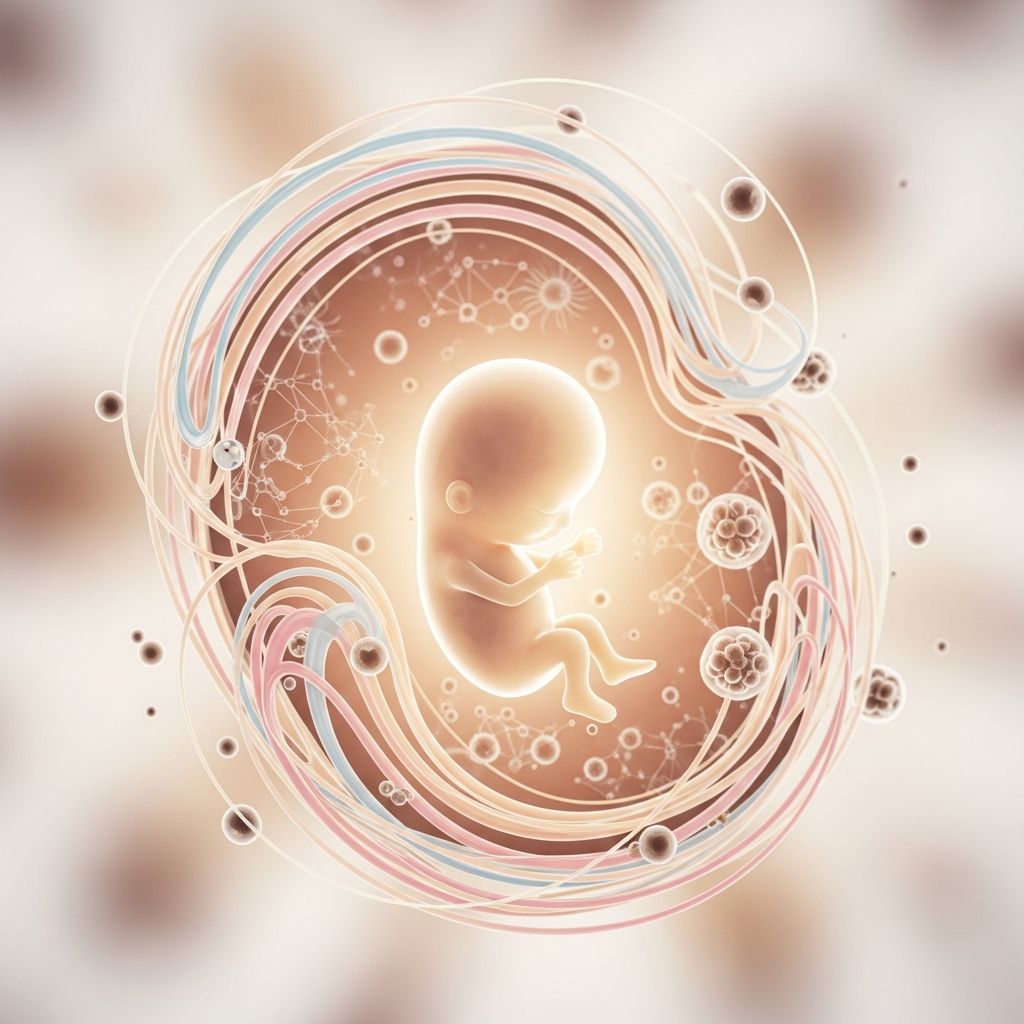
Around week seven, your baby is often compared to a tiny berry in size, only a few millimeters long from head to bottom. Even at this miniature scale, the head already appears large compared to the rest of the body because the brain and skull are developing quickly.
The body still has a slight curve, almost like a small comma, and there is no clear neck yet. Over the next several weeks, this curved form will gradually straighten as the spine and limbs lengthen.
| Area | What’s Happening |
|---|---|
| Overall size | Baby is only a few millimeters long, similar to a small berry. |
| Head | Head is large and rounded as the brain develops rapidly. |
| Body shape | Body has a gentle curve, and a distinct neck has not yet formed. |
| Limbs | Arm and leg buds are more defined, starting to look less like simple bumps. |
Early Organ Development
By this point, the foundations of most major organs are already in place. The heart has formed earlier and now beats regularly, driving blood through tiny developing vessels. The digestive system, including the early stomach and intestines, is also forming and will continue to mature throughout pregnancy.
The lungs are just beginning to organize as small tubes and sacs that will eventually allow your baby to breathe after birth. Other organs, such as the liver and kidneys, are also developing, preparing to take over vital functions later in pregnancy and after delivery.
- The heart rhythm is becoming more coordinated and steady.
- Early lung structures are forming, though they will not function fully until after birth.
- The digestive tract is lengthening and folding as it fits inside the baby’s tiny body.
- Basic structures for the liver and kidneys are present and growing.
The Umbilical Cord and Early Support System
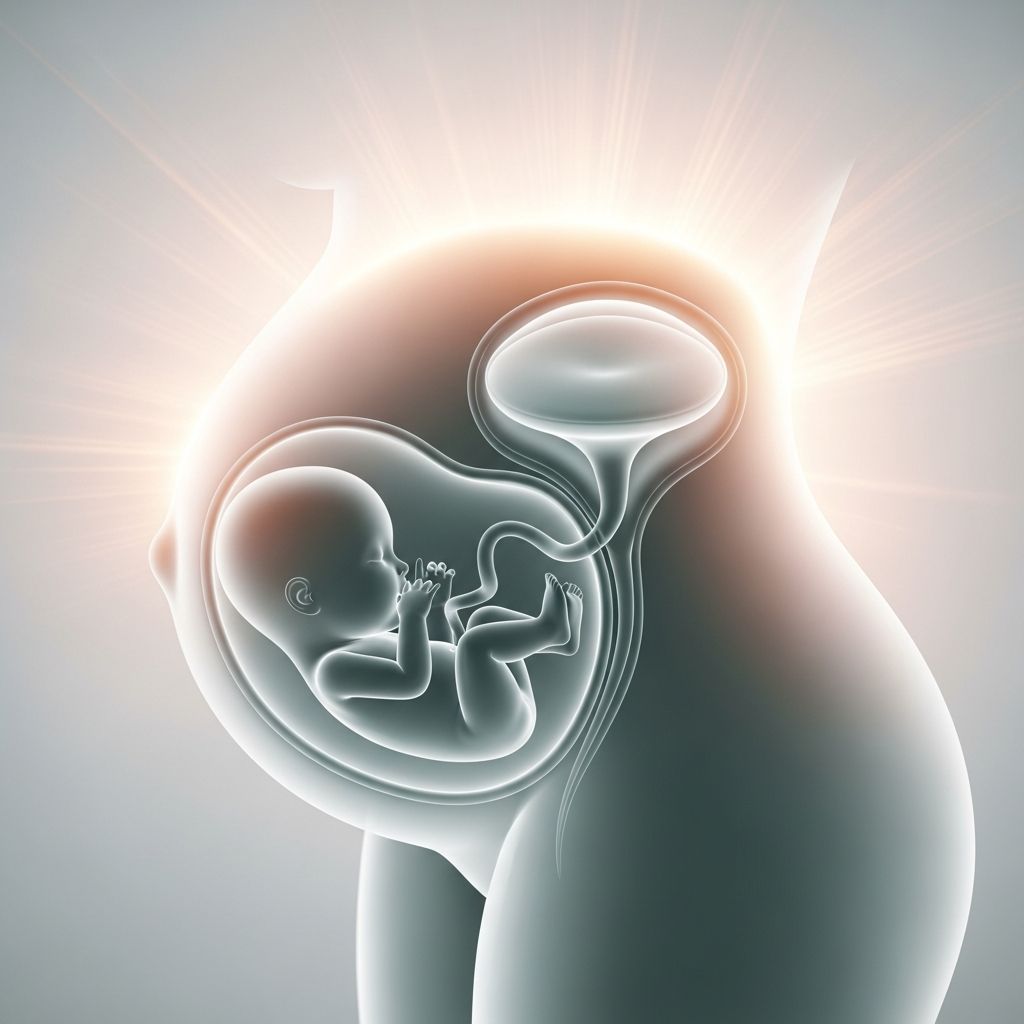
By around seven weeks, the umbilical cord provides a critical lifeline between you and your baby. It carries oxygen and nutrients from the placenta to your baby and removes waste products so your body can process them.
The placenta itself is still growing and becoming more efficient. While you cannot feel this work directly, it is a vital behind-the-scenes system that supports the rest of pregnancy and helps your baby continue to grow safely.
- The cord typically holds blood vessels that transport nutrients to your baby.
- Waste products travel back through the cord to be filtered by your body.
- The placenta continues to develop, gradually taking on more responsibility for hormone production and nourishment.
Face and Limb Features Taking Shape
During this week, facial detail increases noticeably at a microscopic level. Small indentations and swellings are appearing that will become the mouth, nostrils, ears, and early eye structures. The eyes are not yet open, and the eyelids are forming as thin folds of tissue.
The arms and legs, which once looked like simple bumps, are lengthening and beginning to show divisions that will later separate into hands, feet, and joints. Although fingers and toes are not fully defined yet, the groundwork is well underway.
- Small grooves where nostrils will form become more visible.
- Early ear and eye areas are developing on the sides and front of the head.
- Arm buds are usually slightly more advanced than leg buds.
- Future hands and feet are starting to flatten out from the limb buds.
Common Physical Symptoms at 7 Weeks
Many people begin to notice clear pregnancy symptoms around week seven, though experiences vary widely. Hormone levels are rising quickly, supporting the pregnancy but also triggering feelings that can range from mildly uncomfortable to very challenging.
Not everyone will have every symptom, and some may have almost none. Both can be normal, but any concerns should be discussed with a health care provider for reassurance and guidance.
Typical Symptoms You Might Notice
- Nausea or “morning” sickness: Queasiness can occur at any time of day and may be triggered by scents, foods, or an empty stomach.
- Breast changes: Tenderness, fullness, or tingling are common as the body prepares for possible breastfeeding.
- Fatigue: Feeling unusually tired is common as the body invests energy into building the placenta and supporting rapid growth.
- More frequent urination: Increased blood flow and hormonal shifts can lead to more trips to the bathroom.
- Mild cramping or twinges: Some gentle stretching sensations can happen as the uterus begins to grow.
If symptoms are severe—such as intense vomiting, heavy bleeding, or sharp pain—immediate medical attention is important. Early evaluation can rule out serious complications and provide appropriate treatment if needed.
Emotional Changes and Mental Well-Being
The emotional side of early pregnancy can be as intense as the physical changes. Many parents feel joy, worry, excitement, or fear, sometimes all within the same day. Hormones and the reality of a major life transition often contribute to these shifting emotions.
It can help to remember that mixed feelings are common and do not reflect how much you care about your baby. Open communication with a partner, trusted friend, or counselor can make the emotional journey easier to navigate.
- Some people feel suddenly more sensitive or tearful than usual.
- Concerns about miscarriage, health, or the future are common.
- Talking openly, journaling, or joining a support group can provide relief and perspective.
Practical Self-Care Tips for Week 7
Self-care in early pregnancy is less about perfection and more about small, consistent choices that support your body and mind. Even tiny steps can help you feel more in control and comfortable during this big transition.
Because habits formed now can carry throughout pregnancy, this is a great time to focus on rest, nourishment, and gentle movement.
Everyday Habits That Help
- Eat small, frequent meals: Light snacks and smaller portions can ease nausea and help maintain energy.
- Stay hydrated: Sipping water or herbal teas through the day supports digestion and circulation.
- Prioritize sleep: Going to bed earlier or napping when possible helps your body recharge.
- Move gently: Light activities like walking or stretching can improve mood and reduce stiffness if your provider says it is safe.
- Avoid smoking, alcohol, and non-prescribed drugs: Steering clear of these helps protect your baby’s development.
When to Talk With a Health Care Provider
Many people have their first full prenatal visit around this time or within the next couple of weeks. This appointment often includes a detailed health history, basic exams, and discussions about lifestyle and screening options.
If you have not yet scheduled prenatal care, contacting a health care provider now is a good step. Early care offers a chance to ask questions, review medications, and receive guidance tailored to your unique situation.
Looking Ahead: What Comes Next?
Over the next few weeks, your baby’s features will become more recognizable, and limbs, joints, and facial details will continue to refine. The internal organs will also grow more complex, building on the basic structures that are already present now.
As your pregnancy progresses through the first trimester, symptoms may shift in intensity. Some people find that nausea and extreme fatigue ease as the second trimester approaches, offering a bit more comfort and stability.
Frequently Asked Questions About Being 7 Weeks Pregnant
1. Is it normal not to feel pregnant yet?
Yes. Some people have strong symptoms at seven weeks, while others feel almost normal. Lack of symptoms does not automatically mean there is a problem, but it is always fine to ask your health care provider for reassurance if you are worried.
2. Can my baby move at this stage?
Small muscle movements can begin quite early, but they are far too subtle for you to feel at seven weeks. Later in the second trimester, these movements usually become noticeable as gentle flutters or kicks.
3. Will an ultrasound show my baby clearly?
An early ultrasound around this time may show a tiny embryo and a flickering heartbeat, depending on the equipment and how far the pregnancy has progressed. The image will not yet resemble a newborn baby, but it can still be very meaningful for many families.
4. What if I have spotting or mild cramps?
Light spotting or gentle cramping can sometimes happen in early pregnancy and may not signal a serious problem. However, any bleeding, strong pain, or sudden changes should be discussed with a health care provider as soon as possible.
5. How can I manage morning sickness better?
Many people find that eating small snacks, avoiding strong odors, staying hydrated, and getting enough rest can ease nausea. If vomiting is severe or you cannot keep fluids down, prompt medical advice is important to protect your health and your baby’s well-being.
Key Takeaways for Week 7
- Your baby is tiny but already forming major organs, facial features, and limb buds.
- Hormonal changes often lead to symptoms such as nausea, fatigue, and breast tenderness.
- Emotional ups and downs are common and can be eased by support and open communication.
- Healthy routines—such as good nutrition, rest, and avoiding harmful substances—lay the groundwork for the rest of pregnancy.
- Early prenatal care provides personalized guidance and reassurance as your baby continues to grow.