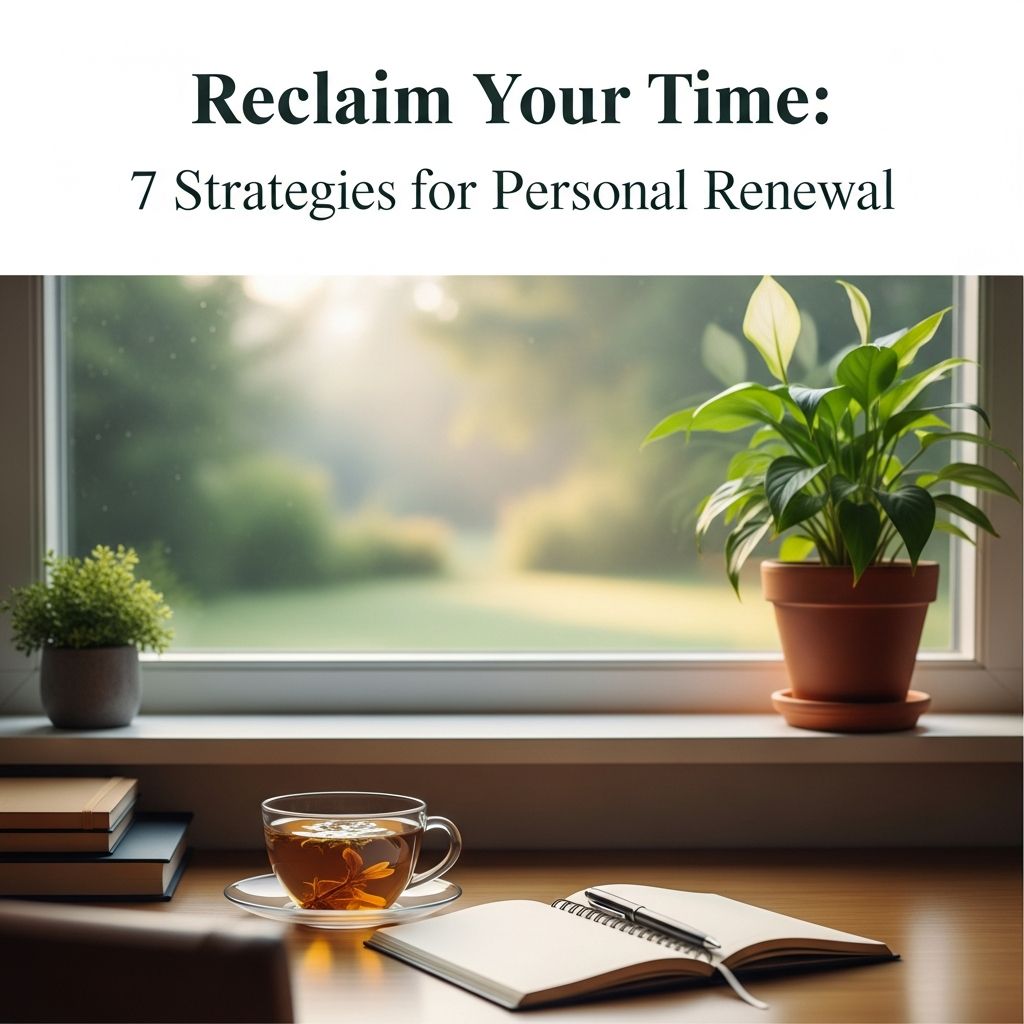
In the whirlwind of parenting, work, and household duties, finding moments for yourself often feels impossible. Yet, prioritizing personal renewal is essential for your mental and physical health. This guide outlines seven effective strategies to integrate self-care into your packed days, drawing from expert insights on mindfulness, boundaries, and small habits that yield big results.
Understanding the Need for Personal Space
Parents frequently place family needs above their own, leading to burnout. Research from the American Psychological Association highlights that self-care reduces anxiety and improves cognitive function, making you a more present caregiver. Acknowledging this need is the first step toward sustainable balance.
Guilt often arises when attempting to step away, but questioning its roots can dismantle it. Journaling prompts like “What truly suffers if I take 20 minutes for myself?” reveal that recharging enhances your capacity to support others.
Strategy 1: Schedule It Like an Appointment
Treat personal time as non-negotiable by adding it to your calendar. Block 15-30 minutes daily or weekly for activities like reading or walking. This ‘me-time’ slot ensures it happens, much like doctor’s visits or kids’ activities.
- Choose recurring times, such as early mornings or post-bedtime.
- Alternate with partners if sharing childcare.
- Use apps to set reminders and protect the slot from interruptions.
One study from the Journal of Occupational Health Psychology shows scheduled breaks increase productivity by 20%, proving this isn’t selfish—it’s strategic.
Strategy 2: Master the Art of Saying No
Overcommitment steals your time. Practice polite refusals: “I’d love to help, but my schedule is full this week.” This frees space for renewal without resentment.
Start small—decline one non-essential request weekly. Over time, this builds confidence and respect from others for your boundaries.
| Scenario | Saying Yes Impact | Saying No Benefit |
|---|---|---|
| Extra volunteer shift | Exhaustion, less family time | Energy for kids’ bedtime routine |
| Last-minute social invite | Rushed evening | Quiet yoga session |
| Work overtime | Missed dinner | Family game night |
Strategy 3: Embrace Micro-Habits for Daily Wins
When hours are scarce, minutes matter. Incorporate 5-10 minute habits like deep breathing, stretching, or savoring tea mindfully. These accumulate to significant stress relief.
- Morning: 5-minute meditation via app.
- Midday: Walk around the block.
- Evening: Gratitude journaling.
According to Harvard Health, consistent micro-practices lower cortisol levels, fostering resilience against daily pressures.
Strategy 4: Create Digital Boundaries
Screens devour time—social media scrolls and emails add up. Set ‘no-phone zones’ during meals or evenings, and use do-not-disturb modes.
Replace scrolling with presence: Notice your surroundings, breathe deeply, or chat with family offline. This shift reclaims hours weekly.
Strategy 5: Integrate Movement with Solitude
Exercise doubles as self-time. Opt for solo walks, home workouts, or gym sessions with childcare. Aim for 20-30 minutes most days to boost endorphins and clear your mind.
The CDC recommends 150 minutes of moderate activity weekly, linking it to reduced depression risk—perfect for busy parents.
Strategy 6: Build a Support Network
Share the load. Communicate needs to partners, friends, or family: “I need an hour Saturday morning—can you handle breakfast?” Reciprocal support sustains everyone.
Join parent groups for ‘swap’ playdates, freeing mutual time. Therapy or coaching provides accountability for your goals.
Strategy 7: Plan Solo Adventures
Schedule ‘dates with yourself’—coffee shop visits, hobby pursuits, or park sits. Treat them seriously, as you would outings with friends.
Doing ‘nothing’ counts: Unplug, sip coffee, and let thoughts wander. This fosters creativity and peace, countering constant busyness.
Overcoming Common Obstacles
Resistance like fatigue or FOMO is normal. Counter with realistic goals: Start with one strategy weekly. Track progress in a journal to see benefits unfold.
For working parents, set work boundaries—leave on time, avoid after-hours checks. This preserves evenings for renewal.
Frequently Asked Questions (FAQs)
What if my family resists my ‘me-time’?
Explain benefits calmly: “This helps me be more patient and energized.” Involve them in planning to build buy-in.
How do I fit this into a single-parent routine?
Use micro-habits, early mornings, or community resources like library story hours for brief respites.
Is self-care selfish?
No—it’s essential maintenance. Well-recharged parents model healthy habits for children.
What if I feel guilty?
Challenge it: Journal reasons and counter with evidence of past positive outcomes from self-care.
Can these work for non-parents too?
Absolutely—these universal tips suit any hectic lifestyle, from professionals to caregivers.
Long-Term Benefits of Prioritizing Yourself
Consistent practice leads to sharper focus, better relationships, and heightened joy. Parents report stronger family bonds post-recharge, as rested individuals give more fully.
Expand by reconnecting with hobbies—dust off instruments or garden. These reignite passion, enriching life beyond duties.
Incorporate relaxation techniques like yoga or guided imagery. Even 10 minutes daily transforms stress into serenity.
References
- Exercise and Mental Health — Centers for Disease Control and Prevention (CDC). 2022-10-20. https://www.cdc.gov/mentalhealth/stress-coping/cope-with-stress/index.htm
- Mindfulness and Stress Reduction — Harvard Health Publishing. 2023-05-15. https://www.health.harvard.edu/mind-and-mood/six-relaxation-techniques-to-reduce-stress
- Scheduled Breaks and Productivity — Journal of Occupational Health Psychology (APA). 2021-08-01. https://psycnet.apa.org/doiLanding?doi=10.1037%2Focp0000280
- 10 Ways to Take Time for Yourself — BetterUp Blog. 2024-02-12. https://www.betterup.com/blog/take-time-for-yourself
- 6 Ways to Make Time for Yourself — Swedish Blog. 2023-11-05. https://blog.swedish.org/swedish-blog/6-ways-to-make-time-for-yourself-when-you-have-no-time