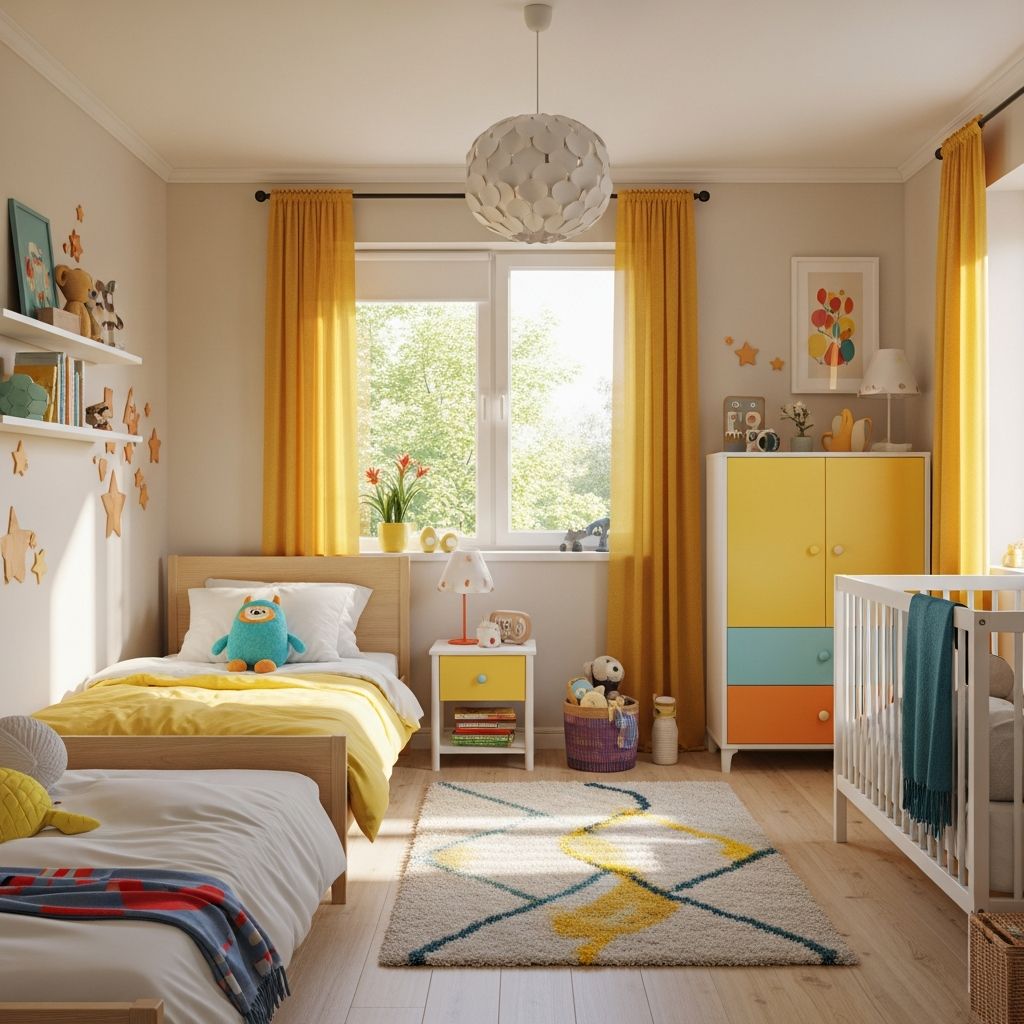
Creating an Organized Haven: A Comprehensive Guide to Refreshing Your Child’s Bedroom
A child’s bedroom often becomes ground zero for accumulated toys, forgotten clothes, and the general chaos that comes with growing up. Many parents find themselves overwhelmed by the prospect of tackling this space, unsure where to begin or how to involve their children in the process. The good news is that transforming a cluttered, disorganized bedroom into a functional, peaceful retreat doesn’t require months of effort. With a structured approach spread across seven days, combined with realistic expectations and flexibility, you can create lasting change that benefits both your child and your household routine.
Preparing Your Strategy: Essential Steps Before You Begin
Before diving into the transformation process, take time to assess your situation and create a realistic framework. Every family operates differently, and what works for one household may not work for another. Some parents find it easier to tackle the project when children are away from home, allowing them to work without interruption or emotional attachments to items being removed. Others find that including their child in the process builds investment in maintaining the space and teaches valuable organizational skills.
Begin by walking through the entire week’s plan and honestly evaluating which tasks align with your family’s capabilities and schedule. If your child’s room contains an overwhelming amount of belongings, you might need to spread certain tasks across multiple weekends rather than condensing everything into seven consecutive days. The goal is sustainable change, not burnout. Gather all necessary supplies beforehand—trash bags, storage containers, labels, cleaning products, and vacuum equipment—so you don’t lose momentum halfway through the week.
Day One: Establishing Your Vision and Beginning Reduction
The foundation of any successful reorganization project begins with clarity of purpose. Before removing a single item, envision what you want your child’s room to ultimately become. Are you aiming for a space that promotes independent play? A calming environment conducive to sleep? A room where your child feels comfortable doing homework? Understanding your end goal helps guide every decision throughout the week.
On this first day, focus on reducing the volume of items in the space. Start by sorting belongings into categories: keep, donate, and discard. As you work through toys, books, and other items, consider whether each piece serves a purpose or brings genuine joy to your child. Items that are broken, missing pieces, or no longer age-appropriate are prime candidates for removal. Clothing that no longer fits or hasn’t been worn in months can also go, though it’s worth setting aside items your child might grow into—just store these separately so they don’t clutter the active wardrobe.
This first day requires energy and decision-making stamina, so don’t try to accomplish everything at once. Work in focused sessions, take breaks, and celebrate the progress you make. You should notice a visible difference in the room’s appearance by evening.
Day Two: Implementing Strategic Sorting Systems
Once you’ve reduced the overall volume of possessions, the second day focuses on arranging what remains into logical groupings. This is where organization truly begins to take shape. A particularly effective approach involves having your child identify their “top 10” favorite items within each category—whether toys, games, or books. This method shifts focus away from what’s being removed and toward what truly matters to your child, making the process less emotionally charged.
During this phase, implement the principle of “storing like with like.” Board games belong together on one shelf, building blocks in one container, stuffed animals in another, and action figures with their vehicles. This organizational approach serves multiple purposes: it makes cleanup easier because your child knows exactly where items belong, it allows you to see at a glance how many similar items you have, and it makes retrieval more efficient when your child wants to play with something specific.
As you sort, consider your child’s developmental stage and abilities. Younger children benefit from larger, clearly marked containers that they can easily access without adult assistance. Older children can manage more complex organizational systems with multiple small bins and labeled sections. The goal is creating a system your child will actually use and maintain.
Clothing receives special attention on this day as well. Set aside garments your child hasn’t yet grown into but might wear in the coming year or two, storing them in an accessible but separate location—perhaps a clearly labeled bin on a high shelf or in another room. This keeps the current wardrobe uncluttered while preserving items you know you’ll need soon.
Day Three: Deep Cleaning and Sanitization
With possessions significantly reduced and logically organized, the third day focuses on thoroughly cleaning the room itself. This is the ideal time for deep cleaning because there are fewer items to work around and less chance of recontaminating surfaces after you’ve cleaned them.
Begin with wall cleaning, removing marks from crayons, markers, and other artwork your child may have created. Dust ceiling fans and light fixtures carefully, then move on to vacuuming the entire floor, including under furniture and inside closets. Don’t overlook window treatments—dust accumulates quickly on curtains and blinds. For families with children who have allergies or asthma, consider using a sanitizing steam cleaner to eliminate allergens from floors, rugs, and even plastic toys.
Make toy-cleaning part of this day’s agenda. Gather hard plastic toys and give them a thorough bath using warm, soapy water in large dishpans. Work in batches, spreading toys out on clean towels to air dry completely before returning them to their storage containers. This process removes months of dust and grime from items that get handled frequently.
Window washing, wiping down furniture surfaces, and sanitizing door handles and light switches complete the deep clean. Your child’s room should feel fresh, bright, and genuinely clean by the end of this day—a significant psychological boost that reinforces the value of your organizational efforts.
Day Four: Addressing Children’s Artwork and Creative Output
Most parents struggle with what to do about the constant stream of artwork, school projects, and creative endeavors children produce. Accumulating all of these items creates clutter, yet discarding them feels heartless. Day four addresses this challenge directly.
Rather than storing every single piece of artwork, establish a curated system. Have your child select their favorite pieces each month, dating them and storing the selections in an art portfolio or special folder. This accomplishes several goals: your child feels their creations are valued, you maintain a chronological record of their artistic development, and you avoid drowning in papers. After selecting favorites, responsibly dispose of the remaining pieces—perhaps by photographing them first if you want a digital archive.
This process teaches your child about editorial decisions and the difference between keeping everything and keeping what truly matters. It also models the principle that spaces have limits and that making conscious choices about what we keep is an important life skill.
Day Five: Creating Functional Zones for Different Activities
Children’s rooms often serve multiple purposes: sleeping, playing, learning, and storage. Day five focuses on designing distinct zones that support each of these functions while maintaining organization and flow.
Consider establishing these functional areas:
- Floor play zone: Clear space on a rug with containers of building blocks, toy vehicles, or action figures positioned nearby for easy access and retrieval
- Creative station: A child-sized work table equipped with art supplies stored in nearby accessible containers, keeping messier materials in adult-height storage to prevent unsupervised chaos
- Reading corner: A comfortable seating area with books neatly arranged on a low shelf, good lighting, and perhaps some stuffed animal companions
- Pretend play area: Dress-up clothing hanging on accessible hooks or stored in a visible basket, possibly with a child-safe mirror and pretend play props
- Learning zone: A small table with puzzles, educational games, and learning materials arranged on nearby shelves for focused activity
- Sleeping sanctuary: An inviting bed with a small reading lamp and a place to set a cup of water within arm’s reach
These zones help your child understand the room’s structure and make independent decision-making about which activity to engage in more intuitive. The physical organization reinforces behavioral expectations: the reading corner invites quiet concentration, the floor play area encourages imaginative play, and the creative station channels messy activities to an appropriate location.
Day Six: Implementing a Labeling System
Beautifully organized containers and bins lose much of their effectiveness if family members can’t quickly identify what’s inside. Day six focuses on creating a clear, consistent labeling system throughout the room.
Purchase a uniform set of labels and create identifiers for every storage container, bin, box, and shelf. This seems like a simple step, but it dramatically improves the system’s functionality and your child’s ability to maintain organization independently. For younger children who cannot yet read fluently, include both text labels and simple drawings or photographs of the contents. This approach builds early literacy skills while making item location obvious even for pre-readers.
Beyond organizing the room itself, prepare a small cleaning kit to keep in your child’s closet. Include a handheld or stick vacuum if possible, a child-sized dustpan and broom, cleaning rags, and any other age-appropriate cleaning supplies. Making these tools readily available encourages your child to participate in regular maintenance and reinforces the connection between organization and cleanliness.
Day Seven: Establishing Sustainable Habits
The final day focuses not on organizing, but on establishing the daily habits that will maintain the order you’ve created throughout the week. Without consistent maintenance routines, even the most well-organized room will slowly descend back into chaos within weeks.
Establish these foundational habits:
- Implement a “one toy out, one toy away” rule where your child must put away their current toy before selecting a new one (unless genuinely playing with multiple items simultaneously)
- Institute a nightly toy-putting-away routine as part of the bedtime ritual, ensuring the room resets each evening
- Schedule a weekly cleaning session where your child participates in vacuuming and tidying surfaces
- Provide appropriately-sized tools so your child can help with cleaning without frustration
Establish a seasonal rotation system for managing new items that arrive through birthdays and holidays. Before your child receives new gifts, have them select toys to donate to a local children’s charity. If possible, visit the charity together to drop off the donations. When your child understands that their former toys will help other children, the process becomes less about loss and more about generosity and community contribution.
Similarly, schedule seasonal closet reviews where outgrown clothing is removed and stored or donated. Taking five minutes monthly to curate your child’s favorite artwork rather than allowing papers to accumulate prevents future clutter buildup.
Adjusting the Plan to Your Family’s Needs
While this seven-day framework provides structure, remember that every family is unique. If your child becomes emotionally attached to items you’d prefer to discard, take time to understand their perspective. Perhaps a well-loved toy with sentimental value deserves a place, even if it rarely gets played with. Conversely, if certain tasks feel overwhelming on their designated day, shift them to a different day or extend the timeline across multiple weeks. The goal is creating an organized space that reduces daily friction and makes maintenance sustainable for your family, not achieving perfection.
Common Questions About the Organization Process
Q: Should I involve my child in the decluttering process?
A: This depends on your child’s age and temperament. Involvement teaches valuable organizational skills and builds investment in maintaining the space. However, some children become emotionally attached to every item, which can slow progress. Consider a middle approach: you handle initial sorting alone, then involve your child in final decisions about truly meaningful items.
Q: What should I do with sentimental items or toys my child has outgrown but refuses to discard?
A: Create a special memory box where your child can store a limited number of truly precious items. This honors their attachments while preventing the room from becoming a storage unit for forgotten toys.
Q: How often should I repeat this organization process?
A: A full reorganization might be needed annually as your child grows and accumulates new items. However, consistent maintenance throughout the year—including regular donations and seasonal wardrobe updates—significantly extends the time between major projects.
Q: What if my child refuses to help maintain the organized space?
A: Start with very simple, achievable habits like putting toys in one basket before bed. Use positive reinforcement rather than punishment. As these simple habits become automatic, gradually introduce more complex organizational tasks. Make cleaning feel like collaboration rather than chores.
Q: How do I prevent the room from becoming disorganized again?
A: Consistency is key. Establish non-negotiable daily and weekly routines, involve your child in the process, and periodically review whether the organizational system still matches their needs. As children grow, their storage and organizational needs evolve, so be prepared to adjust your systems accordingly.
References
- Organize your kids’ room in 1 week — Motherly. Accessed 2026-04-02. https://www.mother.ly/life/7-day-plan-go-from-chaos-clutter-to-organization-order-in-your-kids-room/
- 7-Day Plan: Get a Spotless, Beautifully Organized Kids’ Room — Houzz. Accessed 2026-04-02. https://www.houzz.com/magazine/7-day-plan-get-a-spotless-beautifully-organized-kids-room-stsetivw-vs~25184236
- The 7-day declutter challenge: this method saved me from chaos — Homes and Gardens. Accessed 2026-04-02. https://www.homesandgardens.com/solved/7-day-declutter-challenge