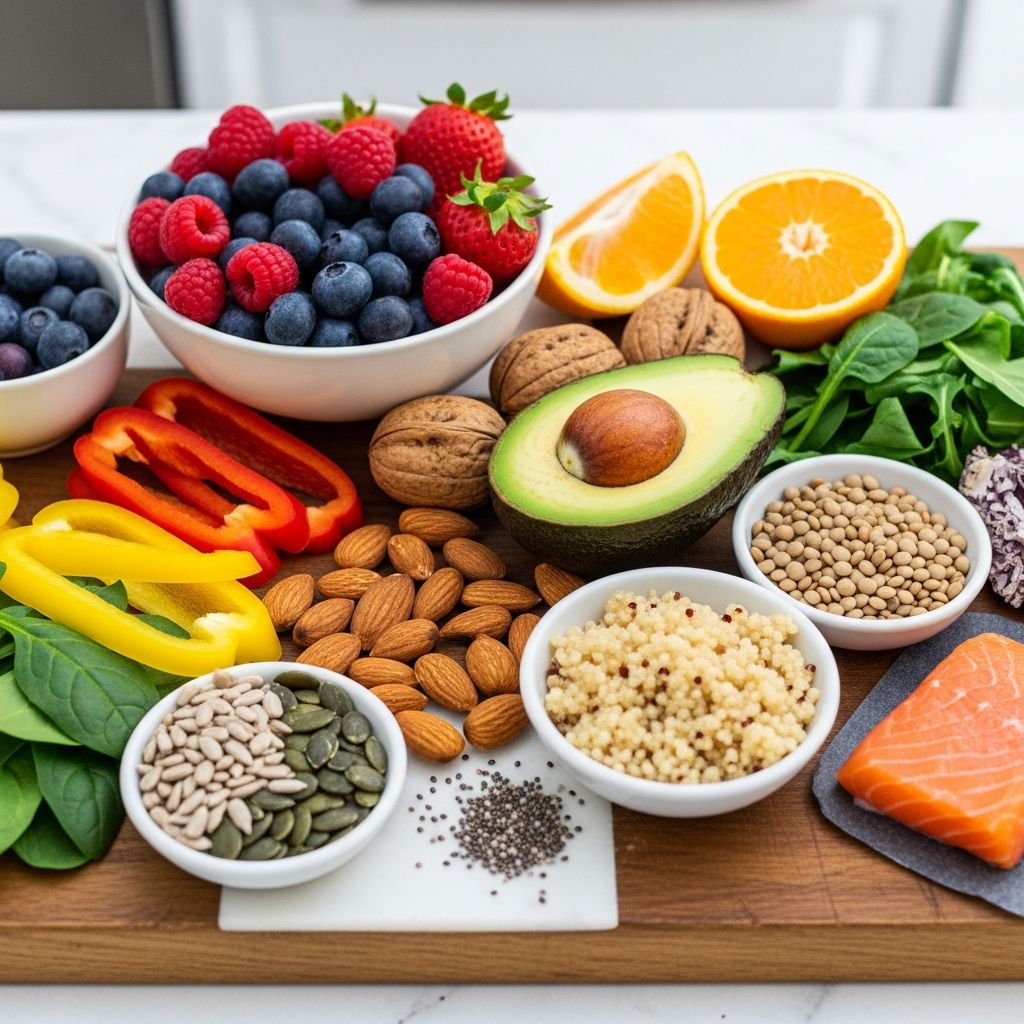
Nutrition plays a pivotal role in reproductive health, influencing hormone balance, egg and sperm quality, and overall conception success. Incorporating specific nutrient-dense foods can optimize fertility for both partners. This guide highlights key foods supported by research, offering practical ways to integrate them into daily meals.
Understanding Nutrition’s Impact on Reproduction
A balanced diet rich in antioxidants, healthy fats, vitamins, and minerals supports the complex processes of ovulation, spermatogenesis, and implantation. Deficiencies in nutrients like folate, zinc, and omega-3s can hinder fertility, while adequate intake promotes cellular health and reduces inflammation. Studies show that diets emphasizing whole foods improve outcomes in natural conception and assisted reproductive technologies.
For women, key focuses include folate for egg quality and iron for ovulation. Men benefit from zinc and antioxidants for sperm motility and count. Both genders gain from anti-inflammatory foods that stabilize blood sugar and hormone levels.
Powerhouse Greens for Folate and Beyond
Dark leafy greens such as spinach, kale, and Swiss chard stand out as fertility superstars due to their high folate content, essential for DNA synthesis and preventing chromosomal issues in eggs and sperm.
Folate supports healthy ovulation and early embryonic development. Iron in these greens aids oxygen transport to reproductive organs, while vitamin C enhances absorption. A serving of spinach provides over 50% of daily folate needs, making it easy to meet requirements through salads, smoothies, or sautés.
- Daily Tip: Add a handful of kale to morning smoothies with fruits for better nutrient uptake.
- Benefits for Men: Reduces sperm abnormalities.
- Benefits for Women: Improves egg maturation.
Antioxidant-Rich Berries for Cellular Protection
Berries like blueberries, strawberries, and raspberries deliver potent antioxidants, including vitamin C and flavonoids, that shield reproductive cells from oxidative stress.
Oxidative damage impairs sperm motility and egg quality; berries counteract this by neutralizing free radicals. Their fiber content stabilizes blood sugar, crucial for insulin-sensitive hormone regulation. Research links higher berry intake to better fertility markers in both sexes.
Incorporate berries into yogurt parfaits, oatmeal, or as snacks. One cup of strawberries offers 150% of daily vitamin C, boosting iron absorption from plant sources.
| Berry Type | Key Antioxidant | Fertility Benefit |
|---|---|---|
| Blueberries | Anthocyanins | Enhances sperm quality |
| Strawberries | Vitamin C | Supports ovulation |
| Raspberries | Fiber & Ellagic Acid | Reduces inflammation |
Nuts and Seeds: Zinc and Omega-3 Powerhouses
Walnuts, pumpkin seeds, chia seeds, and almonds provide zinc, selenium, and plant-based omega-3s vital for testosterone production, sperm vitality, and hormone balance.
Zinc deficiency links to low sperm count; pumpkin seeds offer high amounts per serving. Omega-3s in walnuts improve sperm membrane fluidity. For women, these nutrients aid progesterone levels and reduce PCOS symptoms.
- Sprinkle chia seeds on salads for omega-3 boost.
- Eat a handful of walnuts daily for vitamin E protection.
Studies show 42g of walnuts daily for 12 weeks significantly improved sperm parameters in men.
Fatty Fish for Omega-3 and Vitamin D
Salmon, sardines, and mackerel are rich in DHA and EPA omega-3s, which enhance egg quality, embryo development, and reduce inflammation.
Omega-3s improve blood flow to the uterus and support hormone synthesis. Vitamin D in fatty fish promotes ovarian function and sperm motility. Aim for 2-3 servings weekly, choosing low-mercury options.
Bake salmon with herbs or add canned sardines to salads for easy inclusion.
Full-Fat Dairy and Probiotics for Hormone Harmony
Greek yogurt and other full-fat dairy products supply calcium, vitamin D, and probiotics that regulate hormones and gut health, linked to better ovulation.
Probiotics influence estrogen metabolism via the gut microbiome. Full-fat versions outperform low-fat in fertility studies, possibly due to better fat-soluble vitamin absorption. Women consuming full-fat dairy showed lower ovulatory infertility risk.
Opt for plain Greek yogurt with berries or in smoothies.
Legumes and Whole Grains for Plant Protein and Fiber
Lentils, chickpeas, quinoa, and beans offer plant protein, folate, and fiber that stabilize blood sugar and support ovulatory function.
Replacing animal protein with plant sources reduces infertility risk. Quinoa’s complete protein profile aids hormone balance. Fiber prevents insulin spikes that disrupt cycles.
| Food | Protein (g/serving) | Fiber (g/serving) |
|---|---|---|
| Quinoa (1 cup cooked) | 8 | 5 |
| Lentils (1 cup cooked) | 18 | 16 |
| Chickpeas (1 cup) | 15 | 12 |
Citrus Fruits and Cruciferous Veggies for Extra Boost
Oranges, grapefruits, broccoli, and cauliflower provide vitamin C, polyamines, and compounds that aid estrogen metabolism.
Vitamin C protects sperm DNA; cruciferous veggies support liver detoxification of excess hormones, beneficial for PCOS. Pair citrus with iron-rich foods for synergy.
Practical Meal Ideas to Maximize Fertility
Breakfast: Greek yogurt with berries, chia seeds, and quinoa porridge.
Lunch: Spinach salad with salmon, lentils, walnuts, and citrus dressing.
Dinner: Baked mackerel with broccoli, kale, and sweet potato.
Snacks: Handful of pumpkin seeds or apple with almond butter.
Foods to Limit for Optimal Results
- Trans fats and processed sugars: Disrupt hormones.
- Excess caffeine: May impair implantation.
- High-mercury fish: Avoid tuna, swordfish.
- Refined carbs: Cause insulin resistance.
Frequently Asked Questions (FAQs)
How quickly can diet changes impact fertility?
Sperm renews every 74 days; egg quality improves in 3 months with consistent nutrition. Results vary by individual.
Can these foods replace fertility treatments?
No, they complement medical advice. Consult a doctor for personalized plans.
Are supplements necessary if eating these foods?
Food sources are ideal, but prenatal vitamins with folate may be recommended.
Do men benefit as much as women?
Yes, sperm health improves with zinc, omega-3s, and antioxidants from these foods.
Is organic produce better for fertility?
Pesticide reduction may help, but nutrient-dense choices matter most.
References
- 7 Best Foods To Increase Fertility In Male & Female — Feto IVF. 2023. https://www.fetoivf.com/blog/best-foods-to-increase-fertility
- Foods for Fertility: 7 Nutrient-Rich Options to Boost Chances — IVF London. 2023. https://ivflondon.co.uk/foods-for-fertility-nutrient-rich-options/
- 10 Fertility-Boosting Foods to Support Your Journey — Balanced Nutrition Therapy. 2023. https://www.balanced-nutrition-therapy.com/bntblog/10-fertility-boosting-foods-to-support-your-journey
- 6 foods that boost fertility — UCLA Health. 2023-10-12. https://www.uclahealth.org/news/article/6-foods-boost-fertility
- Fertility diet: What to eat when you’re trying to conceive — BSW Health. 2023. https://www.bswhealth.com/blog/fertility-diet-what-to-eat-when-youre-trying-to-conceive
- 7 Best Foods to Increase Fertility Naturally — NAW Care. 2023. https://www.nawcare.com/blog/7-best-foods-to-increase-fertility-naturally
- Fertility Boosting Foods for Women Trying to Conceive — PFCLA. 2023. https://www.pfcla.com/blog/foods-that-help-you-get-pregnant