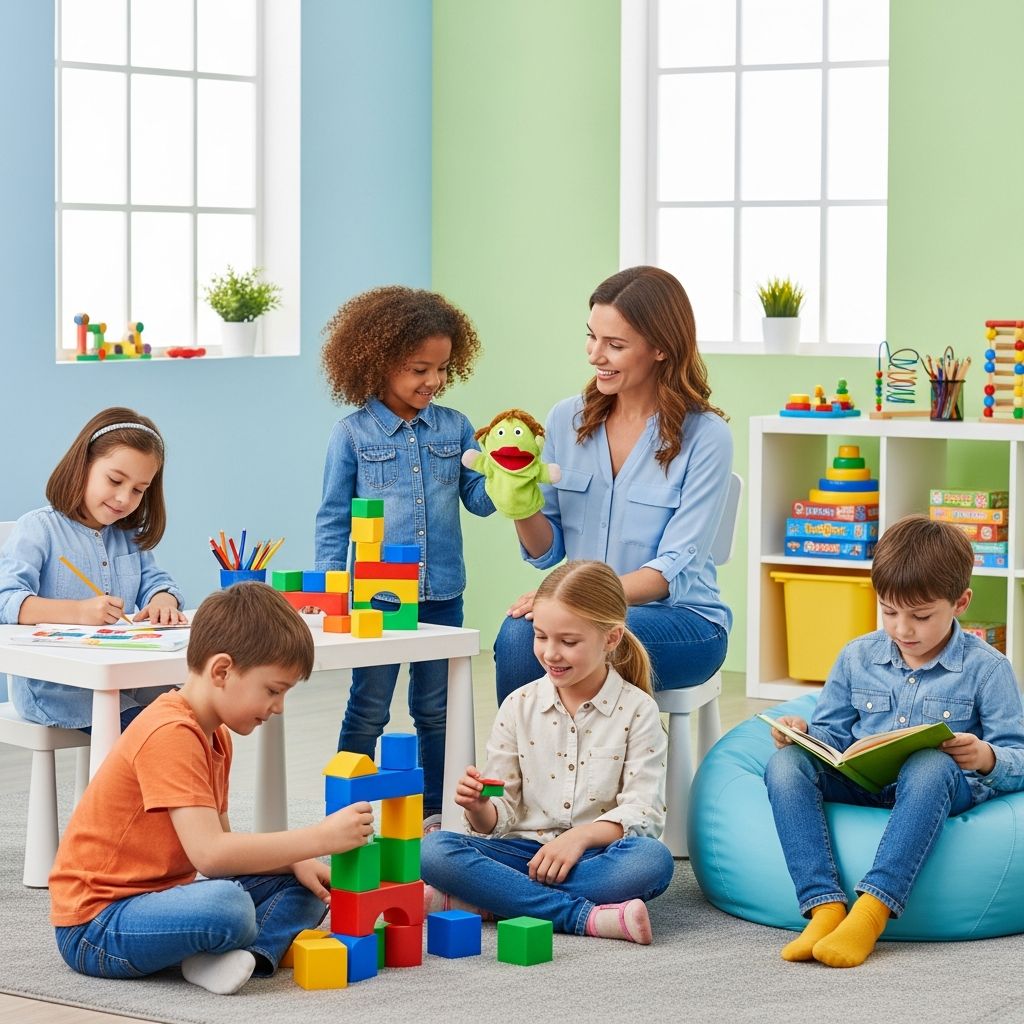
Turning five feels enormous to a child: they are more independent, more social, and very aware that this birthday is “a big one.” A well-planned celebration does not need to be elaborate or expensive to feel magical; it just needs to respect who five-year-olds are and how they love to play.
Understanding Five-Year-Olds: What Makes a Great Party?
Before choosing a theme or activity, it helps to think about how most five-year-olds experience a party. They are old enough to follow simple rules and take turns, but they still need short activities, clear structure, and time to run around freely.
- Short attention spans: Plan many quick activities instead of a few long ones.
- Big feelings: Keep competition gentle and emphasize fun over winning.
- Growing independence: Include chances for kids to help, decide, and create.
- Love of pretend play: Themes that invite costumes or roles are usually a hit.
Choosing a Theme That Actually Works
A theme provides a simple frame that ties decorations, games, and food together. It does not need to be tied to a specific character or brand; broad ideas are often easier and cheaper to work with.
- Adventure themes: Pirates, explorers, space, jungle, or treasure hunts.
- Imagination themes: Fairies, knights, superheroes, wizards, or storytellers.
- Activity themes: Art studio, baking, science lab, builders, or sports day.
- Nature themes: Garden picnic, bugs and butterflies, camping, or beach party.
When in doubt, ask your child to pick one thing they love right now (like animals, dancing, or building) and build the theme around that instead of starting with decorations.
Sample Themes and What to Do with Them
Below are several adaptable theme ideas with activities and simple touches. You can use them as-is or mix elements to create something unique.
1. Backyard Explorer Quest
This theme works indoors or outdoors and encourages kids to move, notice details, and work together.
- Hide picture clues around your home or yard leading to a small treasure box.
- Give each child a simple “explorer kit” (paper bag, DIY cardboard binoculars, sticker badge).
- Include challenges: hop across “lava” cushions, crawl under a table “cave,” or tiptoe past the “sleeping dragon” (a stuffed animal).
Keep the treasure simple—stickers, a small snack, or a shared piñata at the end of the quest.
2. Mini Makers Art Studio
An art party is perfect for kids who love to create and for parents who prefer calmer activities.
- Set up stations: painting, collage, play dough, and a simple stamping or sponge-painting table.
- Use inexpensive materials: old magazines, cardboard, leftover wrapping paper, and fabric scraps.
- Provide aprons or large t-shirts and cover tables with paper or plastic for easy cleanup.
End the party with a “gallery walk,” where kids show their favorite creations and take them home instead of traditional favor bags.
3. Superhero Training Camp
This theme allows for active games without needing complicated props. Kids can arrive in costumes or make their own simple capes on the spot.
- Create a training course: jump over cushions, weave between cones, balance on a taped line.
- Add “rescue missions,” like moving stuffed animals from one side of the room to another.
- Offer a simple craft like decorating paper masks or felt wristbands with stickers and foam shapes.
Finish training with a superhero oath and a small certificate with each child’s made-up hero name.
4. DIY Science Fun Lab
A science-themed party can be completely child-safe while still feeling amazing and “wow.” Focus on experiments that look impressive but are simple to set up.
- Colored water mixing with droppers into clear cups.
- Baking soda and vinegar “volcano” in a tray.
- Homemade slime or oobleck (cornstarch and water) in a sensory bin.
Provide goggles made from cardboard or paper for fun, and refer to each child as a “scientist” to boost the sense of occasion.
5. Cozy Indoor Campout
This idea is ideal when you have limited space or bad weather. The goal is to recreate the feeling of camping without leaving home.
- Build forts with blankets and chairs, or set up a small tent indoors.
- Create a “campfire” from tissue paper and string lights placed in a bowl.
- Tell short stories, sing simple camp songs, or use shadow puppets on a wall.
Serve snacks like fruit, popcorn, or “trail mix” and hot chocolate in paper cups for an easy win.
Planning the Flow: A Simple Party Timeline
You do not need a minute-by-minute schedule, but a rough outline helps keep energy balanced. A typical two-hour party works well for most five-year-olds.
| Time | What to Do | Tips |
|---|---|---|
| 0:00–0:15 | Arrival and free play | Offer a quiet activity like coloring or building blocks while guests settle in. |
| 0:15–0:35 | First group game | Choose a simple, active game to help shy children warm up. |
| 0:35–0:55 | Main activity or craft | Keep instructions short and have an adult at each station if possible. |
| 0:55–1:15 | Snack or meal | Serve food once energy has been spent a bit; this helps kids actually sit and eat. |
| 1:15–1:30 | Cake and singing | Have candles and camera ready to reduce waiting for hungry children. |
| 1:30–2:00 | Second game and relaxed play | Offer a mix of active and quiet options while families start to leave. |
Games Five-Year-Olds Actually Enjoy
Classic party games still work beautifully at this age, but short rounds and clear rules make them more enjoyable. Avoid long elimination games where one child sits out for most of the time.
- Freeze dance: Play music, pause it unexpectedly, and have kids freeze in silly poses.
- Simple relay races: Carry a soft toy to a cone and back, or balance a beanbag on a spoon.
- Treasure hunt: Hide small objects and give picture clues or color hints.
- Balloon games: Keep a balloon in the air without letting it touch the ground.
Include at least one calmer group game, like follow-the-leader or a storytelling circle, to help kids reset between high-energy activities.
Low-Stress Food and Cake Ideas
Food does not need to be elaborate to feel special. Five-year-olds are usually happy with familiar favorites served in fun ways.
- Offer small portions and finger foods: fruit skewers, mini sandwiches, cheese cubes, and crackers.
- Label foods with theme-related names if you enjoy that extra detail, but keep choices simple.
- Provide water and one other drink option to avoid sugary overload.
For dessert, a single cake is traditional, but cupcakes, mini muffins, or a build-your-own cookie station can be easier to serve and just as exciting.
Creating a Special Atmosphere on a Budget
Children notice atmosphere more than price tags. A few thoughtful touches will do more than a room full of expensive decorations.
- Choose one or two colors and repeat them in tablecloths, balloons, and plates.
- Use what you already own: stuffed animals, blankets, cardboard boxes, and fairy lights.
- Play background music that matches the mood of your theme.
Handmade signs, simple paper bunting, and your child’s own drawings can double as both décor and a proud showcase of their creativity.
Managing Guests, Siblings, and Adults
Most five-year-olds do best with small to medium-sized groups. The classic rule of thumb is to invite about as many children as your child’s age, but you can adjust based on your space and your child’s temperament.
- Ask a friend or relative to help supervise games, especially if you have a mix of ages.
- Consider a small activity table for siblings who are younger or older so they feel included.
- Set clear expectations with adults about whether they are welcome to stay or expected to drop off.
Place coats, shoes, and bags in one designated spot and have a small basket ready by the door for outgoing favor bags to keep your exit time smooth.
Party Favors That Don’t Become Clutter
Favors can be simple, useful, and aligned with the party theme. Many families appreciate gifts that are not noisy or sugar-heavy.
- Activity-based favors: mini notebooks, crayons, stickers, or small puzzles.
- Theme-linked items: magnifying glasses for explorers, cookie cutters for baking parties.
- Take-home crafts: the art, masks, or creations children made during the party.
Attach a small thank-you tag with your child’s name to make each item feel more personal without adding a lot of work.
Keeping Things Calm: Emotional Moments and Meltdowns
Even the happiest party can feel overwhelming to a five-year-old. Extra excitement, noise, and sugar sometimes lead to tears or withdrawal.
- Have a quiet corner with a few books and soft toys where any child can take a break.
- Keep gifts out of sight until it is time to open them or until after guests leave.
- Warn kids gently before transitions: “In five minutes, we will clean up and have cake.”
Remember that perfection is not the goal. A party where children feel safe, included, and free to be themselves will be remembered far more fondly than one that looks flawless in photos.
Frequently Asked Questions About 5th Birthday Parties
How long should a 5th birthday party last?
About two hours is usually enough for a structured celebration. Shorter parties can work for more sensitive children, while slightly longer gatherings may be fine if much of the time is relaxed play.
How many kids should we invite?
Consider your space, your child’s personality, and how many adults can help supervise. Some families use the “age plus one” guideline, while others invite a full preschool or kindergarten class for convenience.
Do we need to open presents during the party?
Opening gifts in front of guests can be exciting but also overwhelming. Many families choose to open presents afterward to reduce pressure on the birthday child and avoid hurt feelings if children compare gifts.
What if my child is shy or easily overwhelmed?
Choose a smaller guest list, quieter activities, and familiar settings. Consider inviting one or two close friends for a special outing or home-based celebration rather than hosting a large group event.
Is it okay to host a joint party with a sibling or friend?
Joint parties can be practical and fun, especially if the children share friends. Just make sure each child has a distinct moment to be celebrated—separate cakes or separate candle-blowing moments can help them both feel special.
Making the Day Meaningful for Your Child
Beyond games and decorations, what your child is most likely to remember is how they felt: seen, celebrated, and loved. Involve them in planning where you can—choosing a theme, picking a favorite snack, or helping with invitations.
- Start the day with a small family ritual, such as a special breakfast or a birthday interview.
- Capture a few photos and short videos, but try not to experience the whole party through a screen.
- End with a quiet moment together, asking your child what they enjoyed most about their special day.
When the focus is on connection instead of perfection, a fifth birthday becomes less about impressing others and more about honoring your child’s unique personality and the milestone they are reaching.