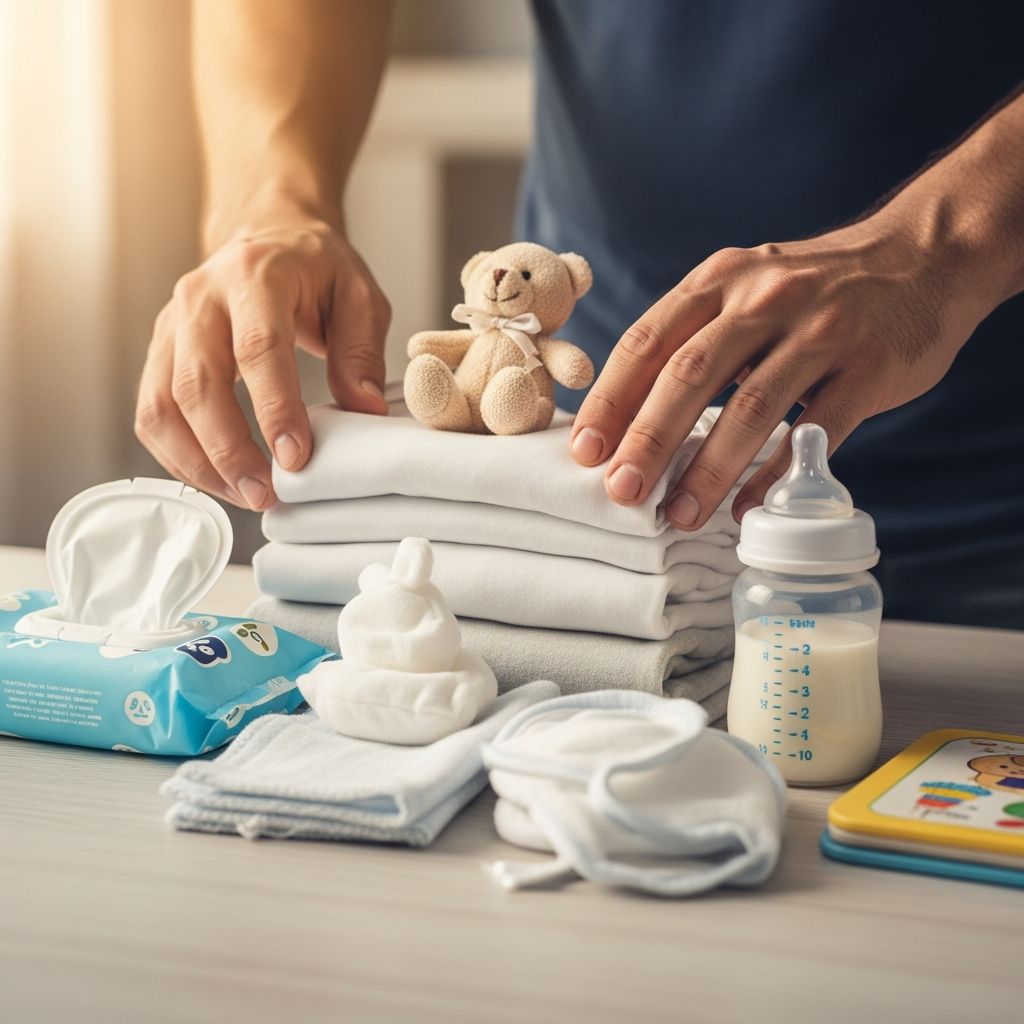
Those early months with a new baby can feel like living in a beautiful, exhausting blur. You love this tiny person deeply, yet your old routines, favorite outings, and sense of self may feel far away. A simple way to bring some intention and fun back into your weeks is to give yourself tiny, doable challenges that fit real life with a newborn.
This article offers 52 gentle challenges—one for each week of your baby’s first year—that focus on connection, self-care, and small adventures. You can follow them in order, pick and choose, or repeat favorites whenever you need a reset.
Why Small Weekly Challenges Help New Moms
New motherhood often disrupts sleep, work, friendships, and even a sense of identity. It is easy to feel like every day is the same: feed, change, soothe, repeat. Weekly challenges give structure to this season without adding pressure. They support mental health, encourage you to leave the house sometimes, and remind you that you are a person as well as a parent.
- They are small enough to feel manageable when you are tired.
- They are flexible; you can adapt them to your energy level, weather, and support system.
- They create positive memories and photos that you can look back on when the year flies by.
How To Use This Challenge List
Think of these challenges as a soft invitation, not a strict program. Choose one idea each week, or keep a short list on your phone and circle back when the time feels right. Many of the ideas can be completed in 15–30 minutes, and some are purely mental or emotional resets that do not require extra supplies.
To make this more fun, consider:
- Creating a dedicated “first year” notebook or digital note for tracking which challenges you try.
- Snapping one photo or short video each week related to your chosen activity.
- Inviting another new mom to join you virtually so you can cheer each other on.
Weeks 1–13: Easing Into Life With Baby
The first three months are often called the “fourth trimester” for a reason. Your body is still healing, your baby is adjusting to the world, and routines are fragile. This is the time for the gentlest challenges, centered on rest, bonding, and very short outings.
- Week 1 – Create a cozy recovery corner. Gather water, snacks, nursing or bottle-feeding supplies, your phone charger, and a soft blanket in one spot where you’ll sit most often. Having everything within reach makes those long feeds calmer and less frantic.
- Week 2 – Take a “real” shower. Ask a partner or friend to watch the baby so you can shower without rushing. Use your favorite body wash or lotion, put on fresh clothes, and notice how different you feel afterward.
- Week 3 – One picture with you in it. Instead of only photographing the baby, ask someone to capture you together, even if you are in pajamas. These imperfect, honest photos are precious later.
- Week 4 – Go outside for ten minutes. Step onto the balcony, front step, or sidewalk with the baby in a carrier or stroller. Notice the light, the temperature, and one thing you can see that you couldn’t from inside.
- Week 5 – Start a one-line-a-day journal. At the end of each day, write a single sentence about something that happened, how you felt, or something your baby did. Over time, these small notes become a rich record of your first year.
- Week 6 – Ask for one specific kind of help. Choose one task that would make life easier (dropping off a meal, folding laundry, holding the baby while you nap) and clearly request it from someone who has offered support.
- Week 7 – Try skin-to-skin snuggle time. When it is warm enough and safe, hold your diapered baby against your bare chest with a blanket over both of you. This can calm your baby and help you feel more connected.
- Week 8 – Make a simple playlist. Build a short playlist of songs that soothe you or make you feel strong. Use it during feeds, late-night rocking, or brief walks around the block.
- Week 9 – Learn one baby cue. Spend a day noticing your baby’s signals: hungry rooting, sleepy yawns, overstimulation. Write down what you think each sign might mean and see if you notice patterns.
- Week 10 – Do a tiny stretch session. For five minutes, gently stretch your neck, shoulders, and hips while the baby is nearby on a blanket. Focus on slow breathing, not performance.
- Week 11 – Text an honest update to a friend. Choose one person who feels safe and send a real snapshot of how you are, not just “fine.” Staying emotionally connected reduces loneliness.
- Week 12 – Practice a bedtime ritual for yourself. Even if your baby’s sleep is unpredictable, you can give yourself a small nightly ritual like washing your face, putting on lip balm, and taking three deep breaths before climbing into bed.
- Week 13 – Capture baby sounds. Make a short audio or video recording of your baby’s noises—little squeaks, cries, or early coos. These sounds change quickly and are easy to forget.
Weeks 14–26: Finding Your Rhythm
As your baby becomes more alert and interactive, challenges can gently expand beyond survival mode. This stage is ideal for experimenting with short outings, playful bonding activities, and easy self-care rituals that fit into unpredictable days.
- Week 14 – Visit a new corner of your neighborhood. Walk one block farther than usual or choose a street you haven’t explored. Point out colors, trees, or cars to your baby as you go.
- Week 15 – Create a simple tummy-time routine. Set up a safe mat on the floor and aim for a few minutes of tummy time several times a day, adjusting as your baby tolerates it. Lie down in front of your baby so they can see your face.
- Week 16 – Read one short book aloud daily. It can be a board book, a poem, or even a page from your favorite (non-baby) book. Your baby benefits from hearing your voice and rhythm of language.
- Week 17 – Have a “no multitasking” feed. During one feed, put your phone away and focus only on baby: their hands, their breathing, the curve of their lashes. Let this be a mini-meditation.
- Week 18 – Declutter one tiny area. Choose a single drawer, shelf, or basket and spend 10–15 minutes tidying it. Having one corner that feels under control can be surprisingly calming.
- Week 19 – Meet another parent in person or online. Attend a local baby group, join a virtual meet-up, or simply message another new parent and schedule a chat. Shared stories make challenges feel lighter.
- Week 20 – Start a weekly “highlight” snapshot. Once a week, document a moment that felt special: a new skill, a funny face, or a peaceful nap. Save these on your phone in a dedicated album.
- Week 21 – Move your body to one song. During a nap or while holding the baby, put on a favorite track and gently sway, stretch, or dance. This counts as movement and mood-boosting fun.
- Week 22 – Try a new sensory experience for baby. Offer a safe household item to explore, such as a crinkly fabric, a soft brush, or a cool spoon (always supervised). Describe how it looks and feels.
- Week 23 – Enjoy a solo hot drink. Ask someone to watch the baby or set them safely nearby while you sit down with a warm coffee, tea, or cocoa. Drink it while it’s still hot, focusing on taste and warmth.
- Week 24 – Take a short photo-free walk. Leave your phone in your pocket or at home. Notice your surroundings without documenting them, even if it is just a loop around your block.
- Week 25 – Create a “comfort basket” for rough days. Include snacks you enjoy, a favorite lip balm, tissues, a small notebook, and anything else that helps you feel soothed. Keep it close for tough moments.
- Week 26 – Celebrate the halfway point. Mark six months with a simple ritual: a cupcake, a handwritten note to your baby, or a quiet moment of gratitude for how far you’ve both come.
Weeks 27–39: Exploring Together
In the second half of the year, many babies roll, sit, and interact more; some may start crawling. This is a lovely time to introduce playful activities, new textures, and short family traditions. Your own confidence usually grows here as well.
- Week 27 – Create a simple floor play zone. Designate a safe patch with a blanket, a few soft toys, and space to roll or wiggle. Spend a few minutes each day there, talking and playing.
- Week 28 – Introduce water play. During bath time, let baby gently splash with their hands or kick their feet. Use a small cup to pour water slowly near them while describing what you are doing.
- Week 29 – Start a weekly family photo. Pick any day and quickly snap a picture of whoever is home together. Do not worry about matching outfits; the goal is real-life documentation.
- Week 30 – Visit a library, park, or café. Choose a baby-friendly location and stay only as long as feels comfortable. This helps you practice leaving the house with a growing baby.
- Week 31 – Sing the same song every night. Establish a simple lullaby or calming tune to use as a bedtime cue, even if sleep is still unpredictable.
- Week 32 – Try a parent-and-baby class or online video. Experiment with a short baby music, movement, or massage session—either in person or through a video. Follow your baby’s cues and stop if they seem overwhelmed.
- Week 33 – Involve baby in household tasks. Place your baby safely nearby while folding laundry, preparing vegetables, or watering plants. Talk through each step as if narrating a show.
- Week 34 – Make a simple “first-year” keepsake. This could be an inkless handprint, a lock of hair kept safely, or a small box for milestone items like hospital bracelets or favorite newborn socks.
- Week 35 – Have a screen-light evening. For one night, reduce phone and TV use after baby’s bedtime. Read, stretch, journal, or talk with a partner instead.
- Week 36 – Explore a new texture with baby. Let your baby touch a basket, a cool metal spoon, a soft scarf, or grass under bare feet (with supervision). Name the textures: smooth, rough, soft, tickly.
- Week 37 – Plan a mini “date” with yourself. Schedule 30–60 minutes for something that feels like you: a solo walk, a podcast episode, a craft, or a nap. Ask a trusted person to take over baby care.
- Week 38 – Write a letter to future you. Describe what life looks like right now, what feels hard, and what you are proud of. Open it next year on your baby’s birthday.
- Week 39 – Start a simple family tradition. It could be pancakes on Saturdays, dancing to one song every Friday, or a weekly walk after dinner. Keep it fun and low-pressure.
Weeks 40–52: Stepping Into Your New Normal
Approaching your baby’s first birthday, you may notice how much both of you have changed. The final group of challenges focuses on reflection, stronger routines, and preparing for the toddler stage while continuing to honor your needs.
- Week 40 – Review your favorite photos and videos. Choose a handful that truly capture the year so far and back them up in the cloud or on a drive.
- Week 41 – Try a simple outing for you. Run an errand alone or browse a store at your own pace. Notice how it feels to move without the diaper bag and stroller.
- Week 42 – Introduce a family meal ritual. Even if baby is still exploring solids, sit together for one shared meal this week. Turn off the TV and talk about your day.
- Week 43 – Create a “yes” zone for your almost-toddler. Baby-proof a small area where your child can safely explore without you constantly saying no. This makes play more relaxed for both of you.
- Week 44 – Reflect on your support system. Make a list of people or services that have helped this year: partners, friends, relatives, online groups, healthcare professionals. Consider sending a thank-you message to one person.
- Week 45 – Refresh your wardrobe basics. Choose one or two everyday items—like leggings, a nursing-friendly top, or soft pajamas—that fit your current body comfortably.
- Week 46 – Introduce a simple game. Play peekaboo, roll a soft ball back and forth, or stack cups. Follow your baby’s giggles and curiosity.
- Week 47 – Create a short “reset” routine. When the day feels overwhelming, practice a three-step reset such as: drink water, take five slow breaths, step out to the doorway or window for fresh air.
- Week 48 – Plan a low-key celebration for one year. Decide what would feel good: a tiny gathering, a video call with relatives, or a quiet family day. Keep expectations realistic, focusing on meaning rather than spectacle.
- Week 49 – Capture your baby’s current favorites. Write down their preferred toys, foods (if eating solids), songs, and bedtime rituals. These details are easy to forget later.
- Week 50 – Take a photo that includes you, your baby, and something that represents who you are outside motherhood. It might be a book, running shoes, an instrument, or a laptop.
- Week 51 – Reflect on three things you did well this year. Maybe you advocated for yourself in medical care, learned to soothe your baby in a special way, or simply kept going on very hard days. Write them down without minimizing them.
- Week 52 – Welcome the next chapter. Spend a few minutes imagining life in the coming year with a curious toddler. You can keep using weekly challenges, return to your favorites, or design new ones that match your family’s changing needs.
Sample Weekly Challenge Planner
If you enjoy organizing, the simple table below can help you stay on track. You can recreate it in a notebook, spreadsheet, or planner.
| Week | Challenge | When I’ll Try It | How It Felt |
|---|---|---|---|
| Week 1 | Create a cozy recovery corner | Morning / Afternoon / Evening | Short note about comfort, ease, or what you’d change |
| Week 14 | Visit a new corner of your neighborhood | Specific day or time | Weather, mood, baby’s reaction |
| Week 27 | Create a floor play zone | Daily, during awake windows | What baby enjoyed most |
| Week 40 | Review favorite photos and videos | During nap or evening | Memories that stood out |
Frequently Asked Questions About New Mom Challenges
What if I am too tired to do any of these?
Exhaustion is extremely common in the first year. Treat this list as a menu of options rather than a to-do list. If all you manage this week is washing your face and drinking a glass of water, that is still caring for yourself and your baby. You can return to the challenges whenever your energy allows.
Do I have to follow the weeks in order?
No. The weeks are grouped loosely by baby’s age and typical development, but every family’s timeline is different. Feel free to pick whatever suits your current season, repeat favorites, or skip anything that does not fit your situation or values.
What if my baby has health issues or I’m recovering from a difficult birth?
In that case, be even gentler with yourself. Focus on the most restful and emotionally supportive ideas—like journaling one line a day, asking for help, or enjoying a quiet song together. Always follow your healthcare provider’s guidance before changing physical activity, lifting, or leaving the house for longer outings.
How can I involve my partner or other caregivers?
You can share the weekly challenge and invite them to join or adapt it. For example, a partner might be in charge of a weekly family photo, a grandparent could read a book aloud, or a friend could accompany you on your neighborhood walk. Turning these ideas into shared rituals can deepen everyone’s bond with the baby.
What if I forget several weeks in a row?
That is completely normal. The goal is to add moments of connection and care, not to complete all 52 challenges perfectly. Simply choose one idea that feels do-able this week and start again from there; there is no “behind” in motherhood.
Motherhood in the first year is a constant mix of joy and challenge. Gentle weekly activities help you savor the good moments, survive the hard ones, and remember that you and your baby are learning together. Small steps, repeated over time, can change how this season feels—without asking you to be anything other than the loving, imperfect, fully human mother you already are.