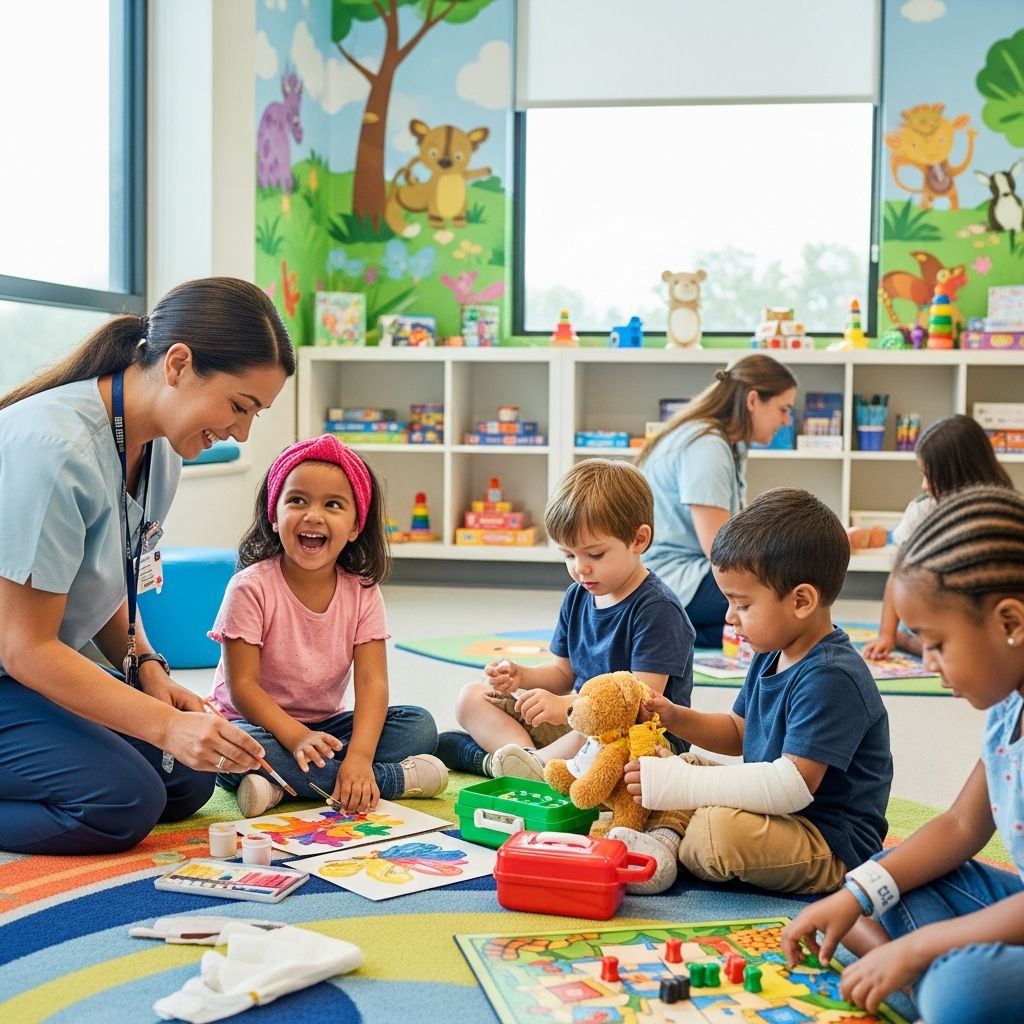
Introduction to Five-Year-Old Development
As children enter their fifth year of life, they experience significant transformations across multiple dimensions of development. This period marks a transition between early preschool behaviors and the more structured learning environment of elementary school. Understanding the typical developmental patterns of five-year-olds helps parents and caregivers support their growth while recognizing that each child develops at their own pace. Five-year-olds demonstrate increased independence, enhanced communication abilities, and more sophisticated physical coordination than their younger counterparts.
Physical Growth and Motor Development Achievements
Five-year-olds exhibit remarkable physical capabilities that build upon the foundation established in earlier years. The development of gross motor skills—those involving large muscle groups—becomes increasingly refined during this age. Children at this stage can jump rope, walk backward with balance, and stand on one foot for extended periods. These activities require coordination and strength that continues to develop throughout the year.
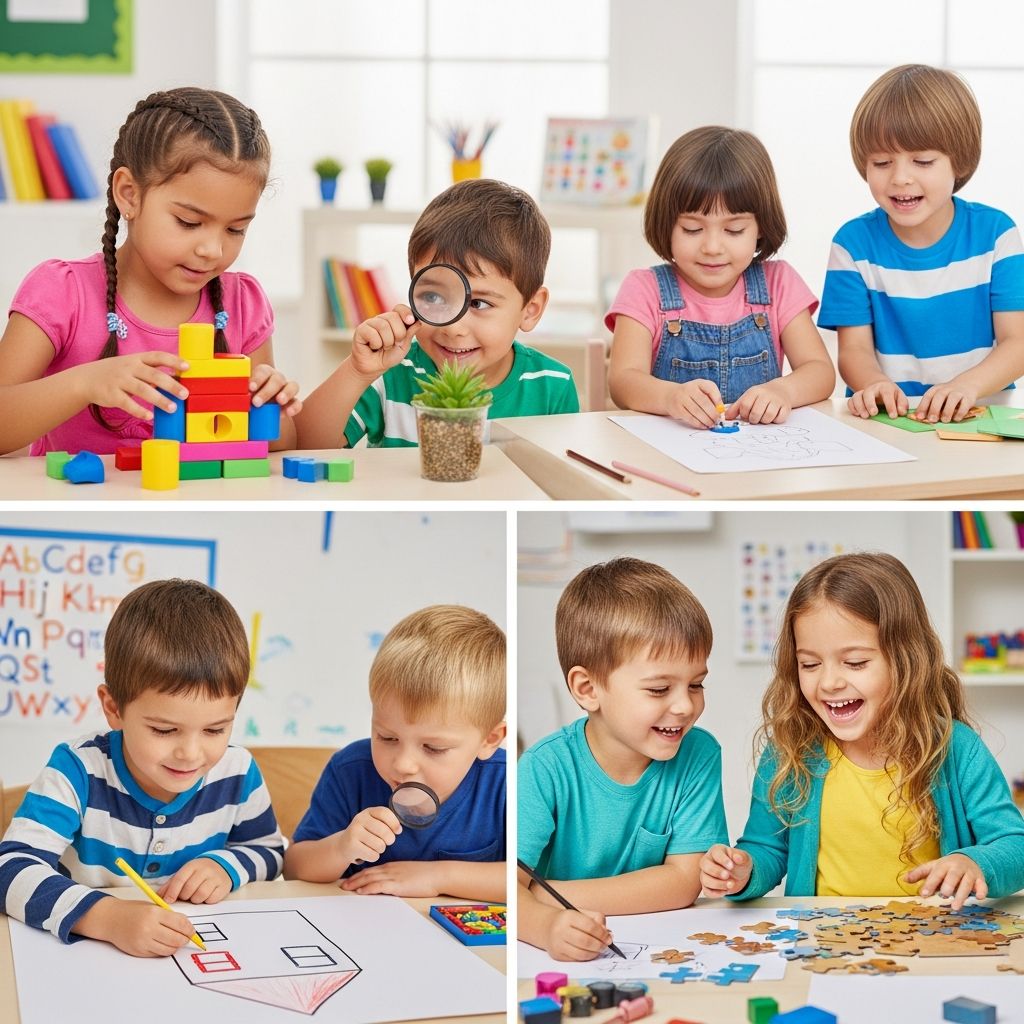
Fine motor skills, which involve smaller, more precise movements, also advance considerably. Five-year-olds begin learning to tie their shoes, though mastery may not occur until later. They can use scissors with greater control and accuracy, allowing them to participate in cutting activities during arts and crafts. Drawing abilities expand dramatically, with children now able to create geometric shapes like triangles and diamonds, as well as more detailed representations of people that include at least six identifiable body parts.
Additional physical milestones include the ability to climb, swing, and catch larger balls. Many children at this age can learn to ride a bicycle or master jump rope techniques, though these skills continue developing over time. The natural energy and enthusiasm five-year-olds display for physical activities makes this an ideal period for introducing structured sports or movement-based programs.
Communication and Language Expansion
Language development represents one of the most visible areas of growth during the fifth year. Five-year-olds construct more complex sentences, typically combining six to eight words with proper grammar and tense usage. This advancement allows for richer storytelling and more detailed descriptions of their experiences and thoughts.
Vocabulary expansion accelerates as children absorb new words through daily interactions and exposure to books. Most five-year-olds can recognize and recite the entire alphabet, laying the groundwork for reading readiness. They begin understanding the connection between spoken words and written symbols, an essential foundation for literacy development.
Conversational abilities mature during this year. Children can engage in back-and-forth exchanges with multiple turns, moving beyond simple question-and-answer interactions. They demonstrate understanding of temporal language, using words such as “yesterday,” “tomorrow,” “morning,” and “night” to describe timing and sequence. This understanding of time concepts reflects growing cognitive sophistication.
Five-year-olds also develop phonological awareness, recognizing and using simple rhymes. They can answer questions about stories they have heard and retell narratives with at least two distinct events. The clarity of speech improves significantly, with words becoming nearly 100 percent understandable to strangers, reducing the reliance on interpretation by familiar caregivers.
Cognitive Development and Learning Abilities
The cognitive leap that occurs during the fifth year represents substantial progress in thinking and problem-solving abilities. Five-year-olds can count to ten and recognize some numbers when pointed to, though consistent number identification up to five occurs reliably. This mathematical foundation prepares them for more formal mathematics instruction.
Memory capabilities expand, allowing children to recall and recite information such as their address and telephone number[10]. This practical knowledge reflects not only memory development but also an emerging understanding of personal identity and location awareness. Similarly, most five-year-olds recognize and can name many letters of the alphabet[10], with some beginning to write letters from their own name.
Attention span lengthens considerably during this period. Five-year-olds can maintain focus on activities for five to ten minutes, a substantial improvement from earlier years. This extended attention capacity supports learning in structured environments and makes activities like story time or arts and crafts more engaging and productive.
Five-year-olds demonstrate increased curiosity about real-world facts and become more capable of understanding multiple-step instructions. Their ability to approach problems, though still somewhat limited in perspective, shows development beyond the single-minded focus of younger children. They can begin to understand cause-and-effect relationships and make simple connections between events.
Self-Care and Independence Development
Independence in personal care activities represents an important milestone during the fifth year. Most five-year-olds can dress themselves completely without assistance, managing buttons, zippers, and choosing appropriate clothing. This self-sufficiency extends to other hygiene tasks, with children typically able to use the bathroom independently and manage toileting without prompting.
Additional self-care skills include brushing teeth, washing hands, and grooming with minimal adult guidance. The development of these capabilities reflects both physical skill advancement and growing awareness of daily routines and self-maintenance needs. Parents can encourage continued independence by providing opportunities for children to practice these skills and expressing positive reinforcement for successful completion.
Responsibility expands during this year as well. Five-year-olds can perform simple household chores such as helping to clear the table, putting toys away, or assisting with matching laundry. Starting to involve children in age-appropriate household tasks builds work ethic and contributes to family functioning while boosting self-confidence through meaningful contribution.
Social and Emotional Development Patterns
Social capabilities expand significantly as five-year-olds become more cooperative and responsible than younger preschoolers. They demonstrate increased ability to follow rules and take turns when playing games with peers, foundational skills for successful group participation. The emergence of these prosocial behaviors reflects growing understanding of fairness and social expectations.
Five-year-olds show stronger emotional regulation compared to earlier ages, though emotions remain vivid and expressed openly. They become eager to please others and make them happy, showing concern for peers and willingness to cooperate. Developing friendships become increasingly important, and children at this age enjoy social play and collaborative activities.
Creativity and self-expression flourish during this period. Many five-year-olds enjoy singing, dancing, and performing for family members and peers. These expressive activities allow children to process experiences and communicate feelings that might not yet be expressed through language alone.
The relationship with parents and primary caregivers often becomes more attached as children approach school entry. This apparent paradox—increasing independence combined with stronger attachment—reflects the security children need as they face new and more challenging social environments. Children utilize caregivers as a secure base from which to explore and navigate expanding social worlds.
Academic Readiness and School Preparation
By age five, many children demonstrate readiness for more formal learning environments. Color recognition expands, with most five-year-olds able to name at least four colors correctly[10]. This visual discrimination skill supports reading readiness and participation in lessons requiring color identification.
Pre-literacy skills develop through recognition of letters and understanding of letter sounds. While formal reading instruction may not begin until kindergarten, five-year-olds typically show interest in books and demonstrate understanding of how to handle them, turning pages and following stories. The foundation for reading success is being established through these interactions with print.
Problem-solving abilities, though still developing, show advancement. Five-year-olds can approach simple challenges and begin to think through solutions, though their perspective remains somewhat limited. The capacity to understand multiple-step instructions prepares them for classroom environments where following complex directions becomes routine.
Engagement in fantasy play and imaginative activities strengthens cognitive flexibility and creativity. Playing house, pretending to cook or talk on the phone, and engaging in role-play activities all support cognitive development and social understanding. These play scenarios allow children to experiment with different perspectives and practice social interactions in low-stakes environments.
Nutrition and Feeding Skills Progress
Five-year-olds demonstrate improved eating skills and greater independence during mealtime. They can use forks and spoons with increasing proficiency, reducing spillage and participating more fully in family meals. Many children at this age prefer to feed themselves and may resist assistance, reflecting the growing drive toward independence.
Food preferences become more established, and five-year-olds may be more particular about foods they will eat. While picky eating can continue, exposure to a variety of foods and family modeling of healthy eating habits support developing healthy relationships with nutrition. Involving children in meal planning or food preparation can increase their willingness to try new foods.
Sleep and Rest Patterns at Five Years
Sleep needs typically decrease slightly during the fifth year compared to earlier preschool years. Most five-year-olds require eight to ten hours of sleep per night, though individual variations exist. Maintaining consistent bedtime routines supports healthy sleep patterns and behavior regulation during waking hours. Some five-year-olds may still benefit from quiet rest time during the day, though formal napping often decreases during this year.
Early Sign of Change: Tooth Development
A notable physical change occurring during the fifth year involves the beginning of tooth loss. Primary teeth start to loosen as permanent teeth develop below, and children may begin to lose baby teeth. This process, while exciting and worth celebrating, can sometimes be accompanied by discomfort or self-consciousness about appearance. Reassurance that tooth loss is a normal developmental process helps children navigate this transition successfully.
Individual Variation and Developmental Differences
While the milestones described represent typical development for five-year-olds, significant individual variation exists in the rate and sequence of development. Some children excel in physical coordination while others advance more rapidly in language or cognitive skills. Environmental factors, genetics, health status, and amount of practice or exposure all influence developmental timing.
Cultural differences also shape developmental expectations and practices. Different families emphasize different skills and provide varied opportunities for practice. What matters most is that children are progressing within their own developmental trajectory and receiving appropriate support and encouragement.
Supporting Development at Home and in School
Parents and educators can support five-year-old development through providing opportunities for physical activity, engaging conversations, reading together, and allowing time for imaginative play. Balancing structured activities with unstructured free play supports comprehensive development across all domains.
Creating environments where children feel safe to attempt new skills, make mistakes, and try again builds confidence and resilience. Celebrating efforts and improvements, rather than focusing solely on outcomes, encourages continued learning and growth. Consistent routines, clear expectations, and warm, responsive relationships provide the security within which development flourishes.
Concerns and When to Seek Professional Guidance
While developmental variation is normal, significant delays or concerns warrant professional evaluation. If a five-year-old is not meeting multiple milestones across different developmental domains, consultation with a pediatrician or child development specialist may be helpful. Similarly, if a child shows signs of difficulty with peer relationships, communication, or emotional regulation that interferes with daily functioning, professional input can identify whether additional support might be beneficial.
Early identification of developmental delays or differences allows for timely intervention when it is most effective. Many communities provide free developmental screening or evaluation services for children of this age, making it accessible to all families.
Frequently Asked Questions About Five-Year-Old Development
Q: Is it concerning if my five-year-old cannot tie their shoes yet?
A: No. While some five-year-olds begin learning to tie shoes, many do not master this skill until age six or seven. Fine motor development varies considerably, and continued practice will lead to success.
Q: How much physical activity does a five-year-old need?
A: Most experts recommend at least 60 minutes of moderate to vigorous physical activity daily for five-year-olds. This can include structured play, sports, or unstructured outdoor activities.
Q: Should my five-year-old be reading?
A: While some five-year-olds read, many are still developing pre-literacy skills and will learn to read during kindergarten or first grade. Reading readiness varies considerably, and early pressure can create negative associations with reading.
Q: How can I encourage my five-year-old to be more independent?
A: Provide opportunities for self-care and simple responsibility, offer choices within limits, and allow time for children to complete tasks without rushing. Praise efforts and improvements rather than just successful outcomes.
Q: Is it normal for five-year-olds to have imaginary friends?
A: Yes. Imaginary companions are common in preschool and early school-age children and reflect healthy imagination and cognitive development. They typically fade naturally over time.
References
- Developmental Milestones: 4 to 5 Year Olds (Preschool) — Children’s Hospital of Orange County (CHOC). Accessed January 2026. https://choc.org/ages-stages/4-to-5-years/
- Milestones by 5 Years | Learn the Signs. Act Early. — Centers for Disease Control and Prevention (CDC). Accessed January 2026. https://www.cdc.gov/act-early/milestones/5-years.html
- Important Child Development Stages – First 5 Years — All For Kids. Accessed January 2026. https://www.allforkids.org/news/blog/why-the-first-5-years-of-child-development-are-so-important/
- Developmental Milestones for Preschoolers (4–5 Years) — Coral Care. Accessed January 2026. https://www.joincoralcare.com/developmental-guides/milestones-preschoolers-4-5-years
- 5-6 years: child development — Raising Children Network. Accessed January 2026. https://raisingchildren.net.au/school-age/development/development-tracker/5-6-years
- Milestones for 5-Year-Olds — Kaiser Permanente. Accessed January 2026. https://healthy.kaiserpermanente.org/health-wellness/health-encyclopedia/he.milestones-for-5-year-olds.ue5316