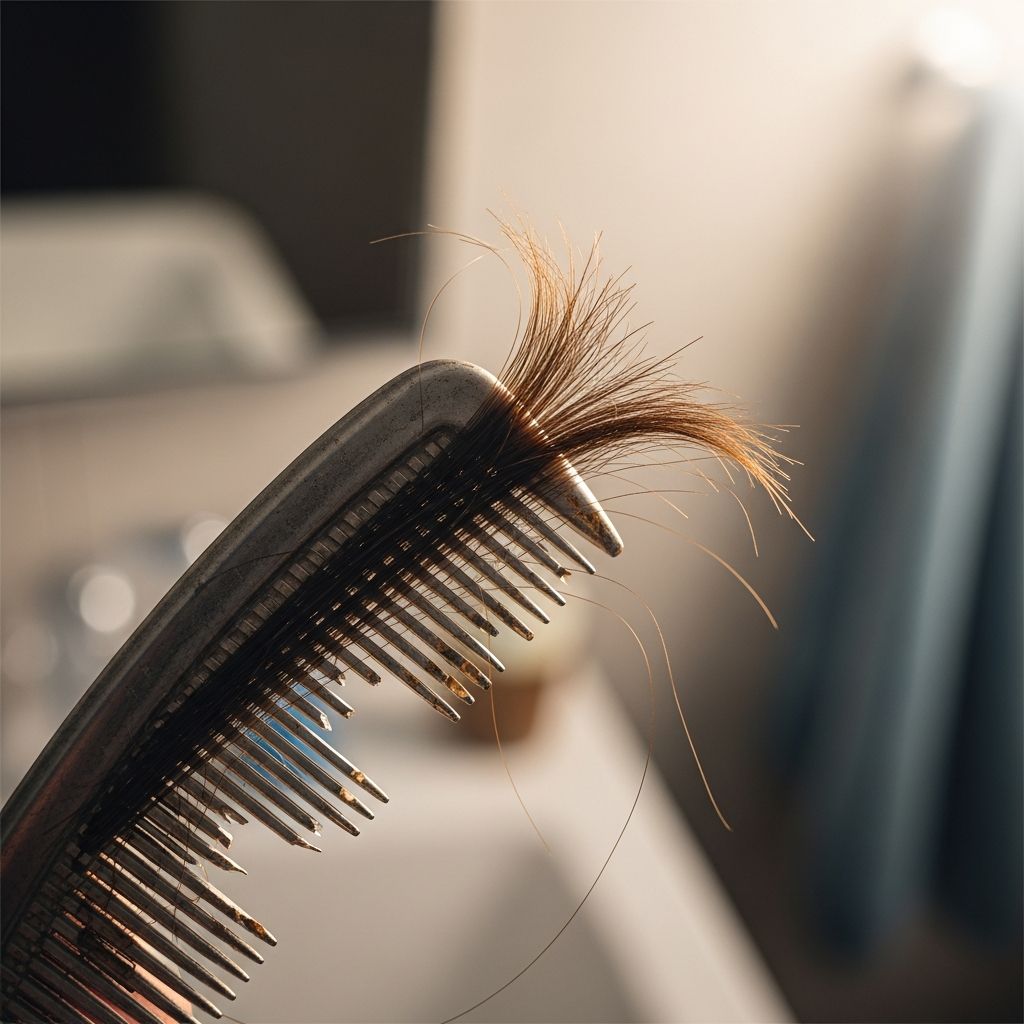
Your hair rarely “mysteriously” looks dull, frizzy, or fragile. Most of the damage comes from a handful of small, repeat habits that add up over weeks and months. The good news: once you spot them, you can fix them—and your hair often starts to look better within a few wash cycles.
Why Your Daily Routine Matters More Than Any Miracle Product
Most people blame their hair type, the weather, or genetics for bad hair days, but what you do every morning in the shower and in front of the mirror usually has a bigger impact. Your hair is made of delicate protein structures that do not repair themselves once damaged, so prevention is far more powerful than any treatment mask.
Instead of chasing the next trending product, step back and examine your routine. How you wash, dry, detangle, and style determines whether products help your hair—or simply mask ongoing damage for a day or two.
Habit #1: Treating Shampoo Like a Daily Detox
Shampoo’s job is to cleanse your scalp and roots—not to scrub your hair into squeaky submission. When you wash too often, use harsh formulas, or pile on shampoo from roots to ends, you remove the natural oils that protect and soften your strands.
Instead of thinking “cleaner is always better,” aim for “clean enough” while preserving your scalp’s natural balance and your hair’s protective lipid layer.
Signs You’re Over-Washing
- Your hair feels rough and matte rather than silky when it’s dry.
- Scalp feels tight or itchy a day after washing.
- Ends look frizzy and parched even when you use conditioner.
- You need more and more product to fake softness or shine.
Better Washing Habits
- Start by spacing washes: most hair types do well with 2–4 washes per week rather than daily.
- Focus shampoo on the scalp and roots; let the suds lightly run through the lengths as you rinse instead of scrubbing the ends.
- Choose gentler formulas labeled for hydration, color care, or curl care if your hair is dry, textured, or chemically treated.
- Use a clarifying shampoo only when needed, such as after heavy product build-up or swimming, not every wash.
Scalp-Focused vs. Hair-Focused Products
| Goal | Use Mainly On | Typical Product Types |
|---|---|---|
| Remove oil and buildup | Scalp and roots | Shampoo, scalp scrubs, detox treatments |
| Soften, smooth, and protect | Mid-lengths and ends | Conditioner, masks, leave-in creams, hair oils |
Habit #2: Ignoring Your Scalp While Babying Your Ends
Many people are diligent about masks, serums, and oils on their lengths yet barely touch their scalp beyond a quick lather. That’s a problem because your scalp is living skin and the source of every strand; when it’s congested, inflamed, or neglected, your hair often grows weaker and looks flatter.
A healthy scalp is like fertile soil: without it, no amount of shine spray or mask will produce consistently healthy hair from the root.
Common Scalp Mistakes
- Using tons of styling products directly at the roots but rarely cleansing thoroughly.
- Applying heavy conditioners on the scalp even when it’s already oily or prone to buildup.
- Scratching with fingernails instead of massaging with fingertips or a soft brush.
- Skipping gentle exfoliation even when flakes or dullness are obvious.
Simple Ways to Care for Your Scalp
- During shampoo, spend at least one full minute gently massaging your scalp in small circular motions with the pads of your fingers.
- If you have visible buildup or frequent dry flakes, incorporate a mild scalp exfoliant or detox treatment every 1–2 weeks.
- Apply conditioner starting at the mid-lengths and work down, only touching the scalp if it’s genuinely dry and your product is designed for scalp use.
- Avoid very tight hairstyles that pull at the hairline; persistent tension can irritate follicles over time.
Habit #3: Bullying Wet Hair With Towels and Brushes
Wet hair stretches more easily and snaps more quickly. Rubbing it with a rough towel, yanking a brush from roots to ends, or throwing it into a tight bun straight from the shower creates thousands of invisible micro-breaks that later show up as frizz, split ends, and thinning-looking lengths.
If you often notice broken strands around your sink or on your shoulders, your drying and detangling techniques are prime suspects.
What Not to Do After Washing
- Do not pile hair into a twist on top of your head and squeeze aggressively with a bath towel.
- Do not attack tangles with a fine-tooth brush from the roots; that just drags knots down the shaft.
- Do not sleep with soaking wet hair in a tight ponytail or bun.
Gentle Drying and Detangling Routine
- Switch the fabric: Use a microfiber towel or a soft cotton T-shirt to blot, not rub, excess water.
- Apply a leave-in: While hair is damp, apply a lightweight leave-in conditioner or detangling spray, focusing on mid-lengths and ends.
- Start from the bottom: Use a wide-tooth comb or flexible detangling brush, beginning at the ends and working upward in small sections.
- Loosely secure: If you need your hair up while drying, use a soft scrunchie or clip in a loose style rather than a tight elastic.
Frizz and Breakage: How They Show Up
| Issue | Typical Cause | How It Looks |
|---|---|---|
| Mechanical breakage | Rough towel drying, harsh brushing | Short broken hairs, uneven lengths, halo of frizz |
| Elastic fatigue | Tight styles when hair is wet | Thinning-looking mid-lengths, sagging curls or waves |
Habit #4: Treating Heat Tools Like Everyday Essentials
There is nothing wrong with loving a smooth blowout or polished curls. The issue is frequency and protection. High heat rearranges the internal bonds in your hair to force it into a new shape, but that same heat also weakens the cuticle and dries out the inner core when used carelessly.
Over time, habitual daily heat styling at high temperatures can make hair look permanently frazzled, with ends that never seem to grow past a certain point.
Red Flags You’re Overusing Heat
- Ends feel rough even right after styling, not just on non-wash days.
- Your color fades or turns brassy quickly, especially on lightened hair.
- Your style only looks “good” on the day it’s blown out or ironed; natural texture looks limp or lifeless.
- Steam or a sizzling sound appears when you pass an iron over your hair.
Heat Safety Rules That Actually Help
- Always dry hair at least 70–80% with air or a cool setting before using hot tools.
- Apply a dedicated heat protectant to damp or dry hair before every blow-dry, curling iron, or straightener session.
- Use the lowest temperature that still gives results for your texture; extremely fine hair often needs significantly less heat than coarse hair.
- Reserve high-heat styling for days when you genuinely need it and rely on heatless styling, air-drying, or touch-ups between major style days.
Healthier Alternatives to Daily Heat
- Try overnight braids, twist-outs, or foam rollers for waves and curls without direct heat.
- Use styling creams, gels, or mousses designed for air-drying to help your natural pattern look intentional instead of messy.
- Experiment with one “polish” step—such as smoothing just the front pieces—instead of flat-ironing every strand.
Habit #5: Wearing the Same Tight Style Until Your Hairline Gives Up
Ponytails, buns, sleek braids, and extensions can look chic, but when they pull hard on the same areas day after day, they can stress the follicles. Over time, that tension can contribute to breakage around the hairline and at the crown, and in extreme cases, thinning along those high-stress zones.
If you notice soreness at your scalp after taking your hair down, or you rely on extra-tight styles to feel “neat enough,” your hair may be silently protesting.
When Styles Become Too Tight
- You get tension headaches after a few hours of wearing your ponytail or bun.
- You can see tiny white bulbs at the ends of shed hairs, suggesting the strand was yanked from the root instead of naturally shedding.
- Baby hairs at the temples seem to be getting shorter or more sparse.
How to Soften the Stress Without Giving Up Your Signature Look
- Alternate between tighter and looser versions of your go-to style across the week.
- Swap thin, rigid elastics for fabric-covered ties or spiral coils that distribute tension more gently.
- Change your part regularly so the same section of hair isn’t being pulled in the same direction every day.
- Give your hair at least one or two “down days” per week, especially if you wear extensions or heavy braids.
Building a Healthier Hair Routine Step by Step
Transforming your hair does not require a full product overhaul in one day. Small adjustments to frequency, technique, and tool use are often enough to see a visible difference within a month. The key is consistency—repeated gentle choices compound over time just as repeated harsh choices do.
Think of your new routine as a simple framework you can tweak based on your hair type, lifestyle, and goals, rather than a rigid rulebook you must follow perfectly.
Sample Weekly Hair-Care Framework
| Day | Main Focus | Key Actions |
|---|---|---|
| 1 | Wash & nourish | Gentle shampoo at scalp, conditioner on lengths, careful detangling, minimal heat. |
| 2 | Low-heat styling | Refresh with water or leave-in; use heat only where needed with protection. |
| 3 | Rest day | Wear a loose style; focus on scalp comfort and protection while sleeping. |
| 4 | Wash & scalp focus | Thorough scalp massage while shampooing; light conditioner; air-dry when possible. |
| 5 | Protective style | Soft braids or low bun, avoiding too much tension; no additional wash. |
| 6 | Mask or treatment | Hydrating or strengthening mask on mid-lengths and ends, limited heat afterward. |
| 7 | Flexible day | Adjust based on how your scalp and hair feel; skip washing if not needed. |
Small Changes That Have a Big Impact
- Lower shower water temperature from hot to warm to reduce dryness and color fade.
- Switch your pillowcase to satin or silk to reduce friction and morning frizz.
- Trim dead, split ends every couple of months so they don’t keep splitting further up the strand.
- Choose one day each week when you skip both heat tools and tight styles entirely.
Frequently Asked Questions About Everyday Hair Habits
How often should I really wash my hair?
There is no single “correct” number for everyone, but most people do well washing somewhere between two and four times per week. Finer, oilier hair may need more frequent washing, while curly, coily, or very dry hair often thrives with fewer washes and more conditioning in between.
Is air-drying always better than blow-drying?
Air-drying avoids heat damage, but letting hair stay wet for extremely long periods can also leave it vulnerable and uncomfortable, especially in cold climates. A balanced approach is to blot gently, allow some air-drying time, and then finish with a low-heat or cool-setting blow-dry when needed, always with heat protectant.
Do I really need a separate heat protectant?
Yes, if you use hot tools regularly, a dedicated heat protectant is one of the most impactful products you can add. It helps reduce moisture loss and cuticle damage by forming a light barrier between your hair and the heat source.
My hair feels greasy quickly—won’t washing less make it worse?
When you wash very frequently, your scalp may respond by producing more oil to compensate. Gradually spacing out washes over a few weeks, using lighter leave-ins, and relying on dry shampoo can help your scalp settle into a more balanced rhythm.
What’s the fastest way to see a difference?
Most people notice improvements quickest when they combine three changes: being gentler with wet hair, reducing the frequency and temperature of heat styling, and choosing one or two wash days per week to truly focus on the scalp. Within a month, hair often looks smoother, feels stronger, and is easier to style.