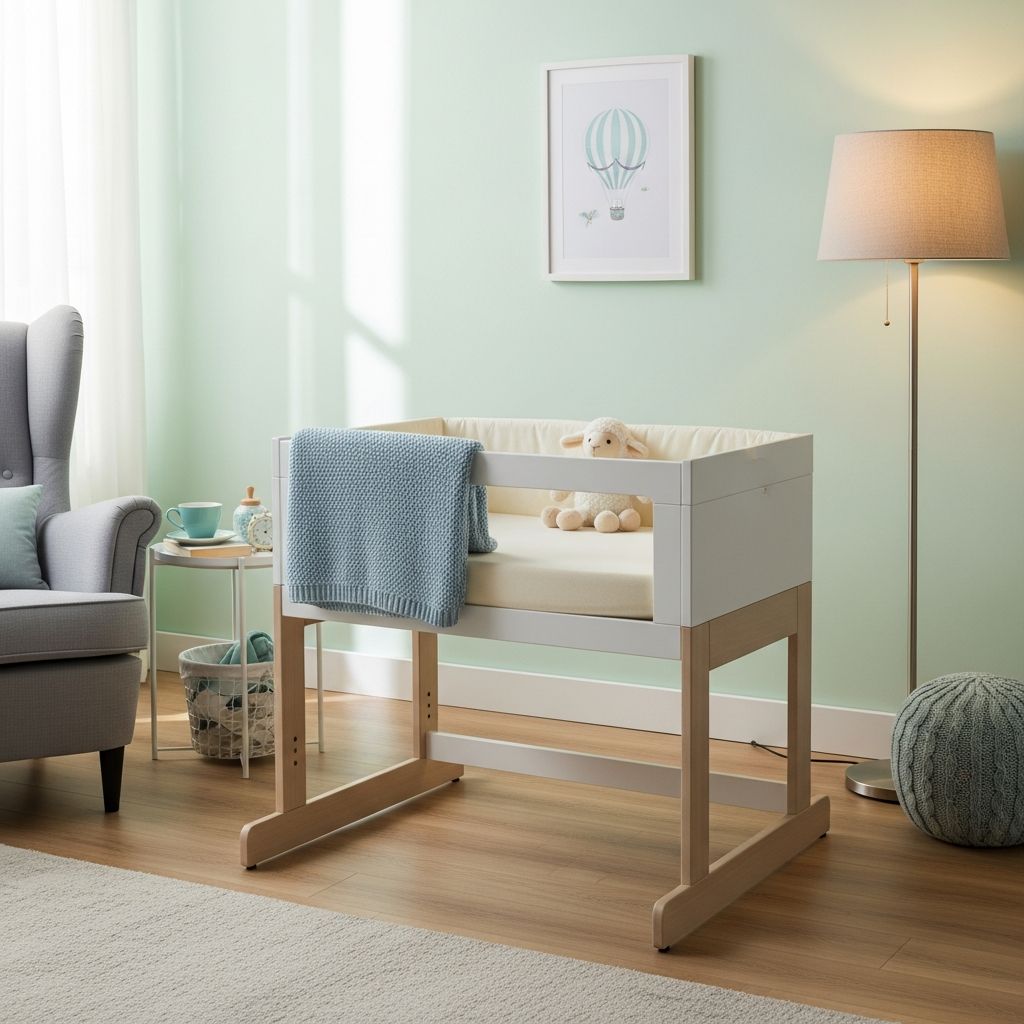
At around four months, babies undergo significant developmental changes that influence their sleep patterns. Establishing a consistent routine becomes crucial as infants transition toward more predictable rest cycles. This guide explores essential sleep needs, sample schedules, and practical strategies to support both baby and parents through this stage.
Understanding Sleep Needs at Four Months
Four-month-old infants typically require 12 to 16 hours of total sleep within a 24-hour period. This includes 10 to 12 hours at night, often with one to three brief wakings, and 3 to 4.5 hours during the day spread across multiple naps. Daytime sleep usually totals around 3.5 to 4.5 hours, divided into three to five naps, depending on the baby’s individual rhythm.
Nighttime sleep consolidates into longer stretches, but interruptions for feeding or comfort remain common. Pediatric guidelines emphasize balancing daytime naps to avoid interfering with evening rest, capping individual naps at two hours to preserve hunger cues and nighttime readiness.
- Total daily sleep: 12-16 hours
- Night sleep: 10-12 hours
- Day sleep: 3-4.5 hours
- Nap count: 3-5 per day
- Max nap length: 2 hours
The Role of Wake Windows in Daily Routines
Wake windows represent the ideal periods of alertness between sleep sessions, typically lasting 1.5 to 2.5 hours for four-month-olds. Shorter windows, around 1.5 to 1.75 hours, work best early in the day, gradually extending to 2 hours later on. Adhering to these prevents overtiredness, which can shorten naps and fragment night sleep.
Track subtle cues like staring off or slowed movements rather than obvious tiredness signs, as babies often pass the optimal window before yawning appears. Structuring the day around these intervals fosters predictability and improves overall sleep quality.
| Time of Day | Recommended Wake Window |
|---|---|
| Morning (after wake-up) | 1.5 hours |
| Mid-morning | 1.75 hours |
| Afternoon | 1.75-2 hours |
| Late afternoon | 2-2.5 hours |
Sample Sleep Schedules for 4-Month-Olds
Flexible schedules accommodate varying needs, with adjustments based on nap lengths and total daytime sleep. Aim for a consistent morning wake-up between 6:30 and 7:30 AM to anchor the day.
Four-Nap Schedule (Ideal for Short Nappers)
This suits babies with 30-60 minute naps, totaling about 4 hours of day sleep.
- 6:30 AM: Wake and feed
- 8:00 AM – 9:15 AM: Nap 1 (1.25 hours)
- 11:00 AM – 12:00 PM: Nap 2 (1 hour)
- 1:45 PM – 2:45 PM: Nap 3 (1 hour)
- 4:45 PM – 5:15 PM: Nap 4 (30 minutes)
- 7:15 PM: Bedtime (11-12 hours night sleep)
Three-Nap Schedule (For Longer Nappers)
Babies consolidating naps into fewer, longer sessions (1-2 hours each) thrive here, keeping total day sleep under 4.5 hours.
- 7:00 AM: Wake and feed
- 8:30 AM – 10:00 AM: Nap 1 (1.5 hours)
- 11:45 AM – 12:45 PM: Nap 2 (1 hour)
- 3:00 PM – 4:00 PM: Nap 3 (1 hour)
- 6:45 PM – 7:45 PM: Bedtime routine
- 7:45 PM: Asleep
Monitor for flexibility; some days may blend three and four naps as sleep matures.
Navigating the 4-Month Sleep Regression
Around four months, many babies experience a sleep regression due to maturing sleep cycles, shifting from newborn patterns to adult-like stages with lighter transitions between deep and light sleep. This biological change causes more frequent night wakings (every 1.5-2 hours) and shorter naps (30-45 minutes), even after prior good sleep.
Signs include fussiness at bedtime, prolonged settling, and increased signaling after sleep cycles. This phase, lasting 2-6 weeks, coincides with milestones like rolling or improved vision, demanding more parental patience. Maintain consistency in routines to help baby self-soothe through brief arousals.
Creating an Optimal Sleep Environment
A conducive sleep space promotes independent rest. Use a dark room with blackout curtains, white noise machines at 50 decibels, and a cool temperature of 68-72°F. Dress baby in breathable sleep sacks to mimic womb-like security without loose bedding.
Transition from contact naps to crib sleep for at least two naps daily, prioritizing morning ones for skill-building. Safe sleep rules remain paramount: back sleeping in a bare crib.
- Darkness: Block all light sources
- Sound: Continuous white noise
- Temperature: 68-72°F
- Surface: Firm mattress, no pillows/blankets
Feeding and Sleep Interplay
Four-month-olds need frequent feeds to fuel growth, typically every 2-3 hours daytime and 1-2 night feeds for breastfed babies. Time feeds at wake-ups to associate eating with alertness, supporting calorie intake without nap disruptions. As solids approach later, night feeds may reduce, but consult a pediatrician for personalized advice.
Tips to Extend Naps and Nights
Short naps plague this age; gently rouse after two hours if needed. Encourage resettling by pausing 1-2 minutes before intervening during night wakings. Consistent bedtime rituals—dim lights, feed, book, bed—signal wind-down.
- Follow wake windows strictly
- Cap naps at 2 hours
- Prioritize crib for 2+ naps
- Use consistent pre-sleep cues
- Practice independent settling
Frequently Asked Questions
What is a good bedtime for a 4-month-old?
Bedtime between 6:30 PM and 8:00 PM aligns with natural melatonin rise, ensuring 10-12 hours of potential night sleep.
How many night wakings are normal?
One to three wakings for feeds or comfort; more during regression as cycles mature.
Should I wake my baby from naps?
Yes, after 2 hours to balance day sleep and protect night rest.
When does the 4-month regression end?
Typically 2-6 weeks, with consistency aiding recovery.
Can I start sleep training at 4 months?
Yes, gentle methods introducing independent sleep build foundations, though night feeds may persist.
Long-Term Sleep Progression
By five months, many shift to three naps, with wake windows expanding to 2-3 hours. Track progress weekly, adjusting as baby signals readiness. Parental rest matters too—tag-team night duties and nap when baby naps. Consult professionals if persistent issues arise, like reflux or allergies.
Patience and responsiveness yield dividends; most babies settle into robust patterns by six months. Celebrate small wins like longer stretches, fostering family harmony amid growth spurts.
References
- 4 Month Old Sleep Schedule — Hatch. 2023. https://www.hatch.co/blog/4-month-old-sleep-schedule
- 4 Month Old Sleep Schedule — Taking Cara Babies. 2023. https://www.takingcarababies.com/blogs/sleep-schedules/4-month-old-sleep-schedule
- 4 month old sleep schedule: Bedtime and nap schedule — Huckleberry. 2023. https://huckleberrycare.com/blog/4-month-olds-and-sleep
- 4-Month Sleep Regression: Causes, Signs, and Tips for Coping — Sleep Foundation. 2023. https://www.sleepfoundation.org/baby-sleep/4-month-sleep-regression
- Newborn Baby Sleep Schedule From Birth to 12 Months — Happiest Baby. 2023. https://www.happiestbaby.com/blogs/baby/first-year-sleep-schedule
- Pediatrician Guide to the 4-Month Sleep Regression, Feeding, and … — YouTube (Pediatrician). 2023. https://www.youtube.com/watch?v=0SkFjOJW7Eo