At 37 months, children are typically energetic explorers on the cusp of preschool, where structured learning and social interactions begin. This age marks a pivotal shift from home-based play to group settings, requiring parents to guide their little ones through new experiences with patience and preparation. Drawing from child development experts, this guide offers actionable steps to build confidence, reduce anxiety, and set the foundation for a thriving school journey.
Understanding Developmental Readiness at 37 Months
Three-year-olds around 37 months exhibit rapid growth in motor skills, language, and emotional regulation. They can hop on one foot, climb stairs alternating feet, and use three-to-five-word sentences, according to the American Academy of Pediatrics. Socially, they thrive in playgroups, learning to share and follow simple rules, which aligns perfectly with preschool environments.
- Physical milestones: Improved balance for activities like running and throwing balls.
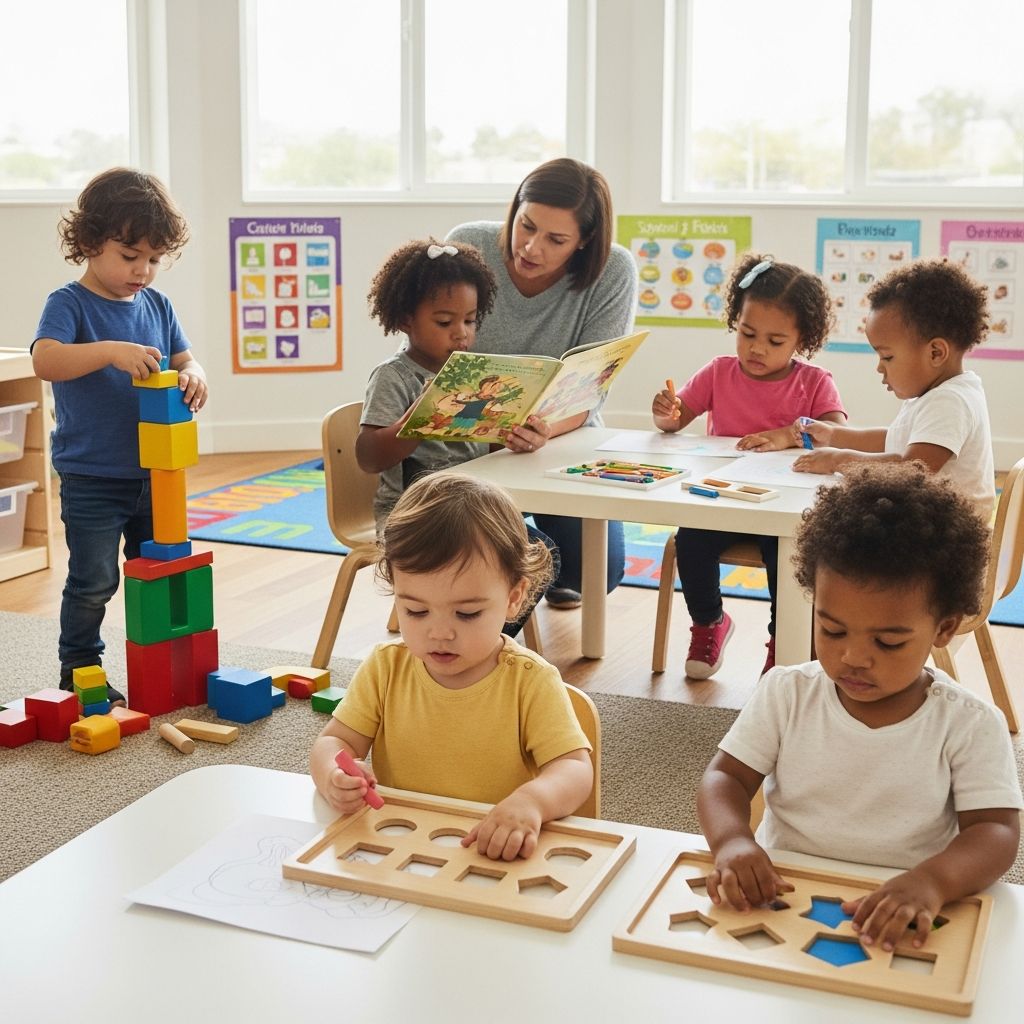
- Cognitive growth: Sorting shapes, counting to three, and understanding basic concepts like ‘same’ or ‘different’.
- Emotional development: Expressing feelings verbally, though tantrums may persist during transitions.
These milestones make preschool an ideal setting to stretch skills while fostering independence. Early exposure helps them adapt to routines and peers, reducing long-term adjustment issues.
Building Excitement Through Pre-School Visits
Familiarity breeds comfort. Schedule visits to the preschool facility weeks before the first day. Walk the playground, peek into classrooms, and introduce the teacher. This demystifies the space, turning unknowns into familiar territory.
During visits, let your child touch toys, sit at tiny tables, and observe activities. Discuss what they’ll do: ‘You’ll paint pictures and read stories here!’ Positive framing shifts focus from fear to fun. If possible, attend orientation sessions to meet future classmates, easing social worries.
| Visit Activity | Benefits for Child | Parent Tip |
|---|---|---|
| Playground exploration | Builds physical confidence | Point out fun equipment |
| Classroom tour | Reduces environmental anxiety | Ask teacher about daily schedule |
| Meet-the-teacher chat | Creates personal connection | Share child’s likes/dislikes |
Mastering Daily Routines for Smooth Mornings
Consistent routines anchor young children amid change. Start shifting bedtime 15 minutes earlier weekly until matching school wake-up. Aim for 10-13 hours of sleep nightly, vital for focus and mood.
Morning rituals should empower independence:
- Wake up, potty, wash face/hands.
- Dress in easy-pull clothes.
- Simple breakfast like oatmeal or fruit.
- Pack bag together the night before.
Use visual charts with pictures for steps—toddlers grasp images better than words. Praise efforts: ‘You put on your socks so well!’ This boosts self-esteem and speeds readiness.
Conquering Separation Anxiety on Day One
Expect tears; separation anxiety peaks at this age but fades with consistency. Arrive early for cuddles, name emotions: ‘It’s okay to feel sad; Mommy will pick you up soon.’
Develop a goodbye ritual—a special hug, kiss on the palm, or ‘superhero high-five.’ Leave promptly; lingering prolongs distress. Teachers are trained to soothe; trust their process. Most children settle within minutes.
Post-drop-off, resist checking in immediately. Instead, journal excitements you’re sharing later. Evening reunions: Ask open questions like ‘What was your favorite game?’ to reinforce positivity.
Fostering Independence with Practical Skills
Preschool demands self-help abilities. Practice at home:
- Self-dressing: Elastic-waist pants, velcro shoes.
- Hygiene: Handwashing songs, toothbrushing timers.
- Lunch prep: Open yogurt pouches, peel bananas.
Transport toys in bags to mimic school ‘carrying’ play, enhancing gross motor skills. These activities, rooted in preschooler development needs, prepare them for unstructured playtimes.
Nutrition and Health Foundations for School Days
A healthy start fuels learning. Schedule a pre-school checkup to confirm vaccinations and growth. Pack balanced lunches: protein, grains, veggies, fruit—avoiding allergens.
Introduce school-like foods at home: bite-sized carrots, cheese cubes. Ensure hydration with fun water bottles. Breakfast provides sustained energy; opt for whole grains over sugary cereals.
Partnering with Teachers for Ongoing Support
Communication is key. Share insights via notes or apps: sleep habits, favorite comforters. Volunteer occasionally to observe dynamics, building your comfort too.
Weekly check-ins reveal progress. If challenges arise—like group play reluctance—collaborate on strategies. This partnership amplifies home efforts.
Navigating Common Hurdles in the First Month
Adjustments vary: some cling, others exhaust quickly. Extra home snuggles and naps help. Watch for illness signs from germ exposure; rest is crucial.
Tantrum triggers? New rules or peers. Validate feelings, then redirect. Consistency across home and school prevents confusion.
Long-Term Benefits of Early Preschool Exposure
Beyond immediate success, preschool hones social-emotional skills through guided interactions. Children gain resilience, better language, and school readiness, per child development research.
Parents report reduced anxiety over time, with kids eagerly anticipating school. Celebrate milestones: first art project home, new friend mentions.
Frequently Asked Questions
What if my 37-month-old refuses to go to school?
Stay calm, use play-based prep like doll school scenarios. Shorten initial days if offered; consistency wins. Consult teacher for tailored reassurance.
How do I handle post-school meltdowns?
Provide quiet time and snack first—hunger amplifies emotions. Listen actively without fixing; emotional release precedes sharing the day.
Is 37 months too young for preschool?
No, it’s ideal for social stretching, per AAP milestones. Structured play supports development without overwhelming.
What sleep schedule works best?
Bed by 7-8 PM, wake 6-7 AM for 11-12 hours. Wind down screen-free with stories.
How can I make drop-offs easier?
Consistent ritual, prompt exit, positive pickup focus. Practice separations at home gradually.
References
- Developmental Milestones: 3 to 4 Year Olds — American Academy of Pediatrics (HealthyChildren.org). 2022-10-18. https://www.healthychildren.org/English/ages-stages/preschool/Pages/Developmental-Milestones-3-to-4-Year-Olds.aspx
- 36 Months (3 years) to 48 Months (4 years) — All About Young Children (California Dept. of Education resource). 2023-01-15. https://allaboutyoungchildren.org/english/36-months-to-48-months/
- Pre-K 4 SA Back-to-School Tips: A Guide for Parents of 3 and 4-year-olds — Pre-K 4 SA (official program). 2024-08-01. https://prek4sa.com/blog/pre-k-4-sa-back-to-school-tips-a-guide-for-parents-of-3-and-4-year-olds/
- Tips for Successfully Easing into a Back-to-School Routine — The Goddard School. 2023-07-20. https://www.goddardschool.com/blog/easing-into-a-back-to-school-routine
- First with Kids: Getting your kids back to school — MyNBC5-WPTZ (NBC affiliate). 2024-09-01. https://www.youtube.com/watch?v=0abkZ39Mjbg