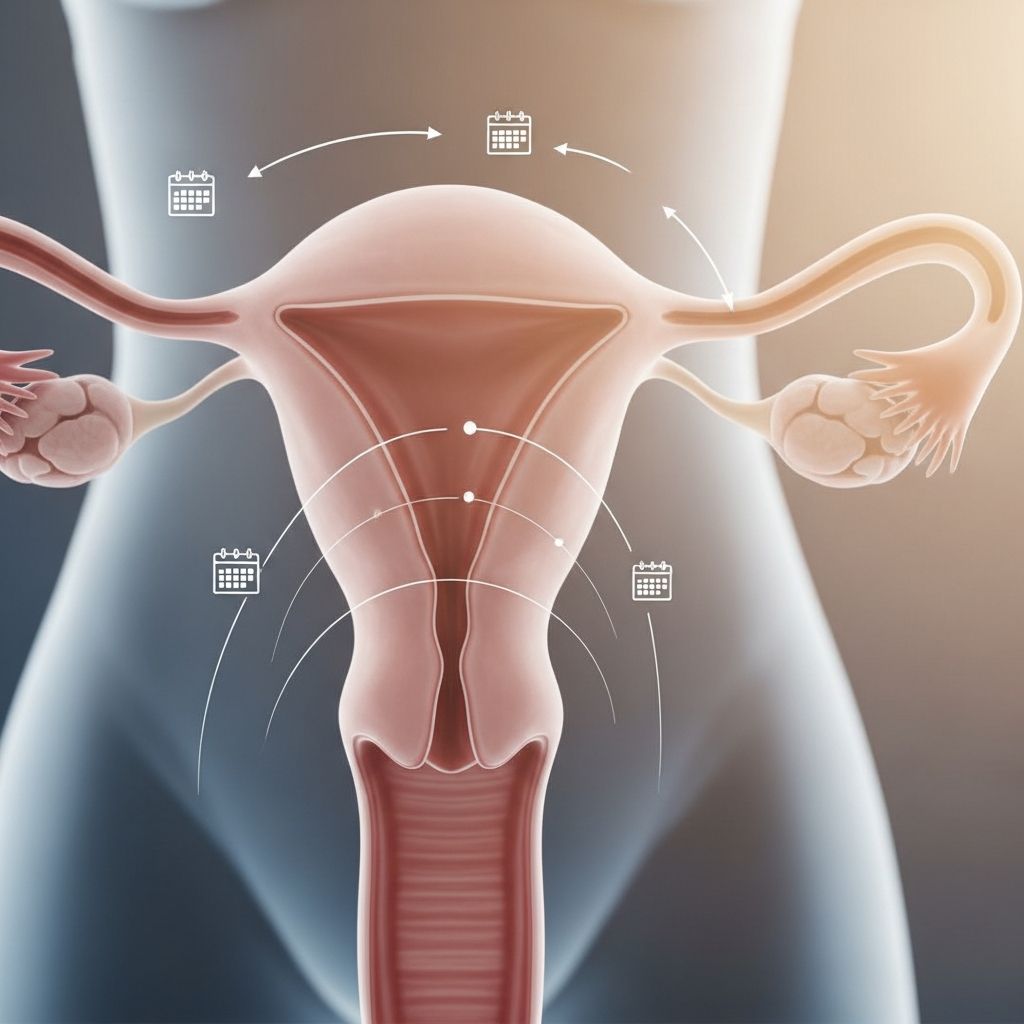
Your pregnancy has reached a thrilling milestone at 36 weeks, marking the transition to full-term status. Your baby is packing on weight, perfecting survival skills outside the womb, and your body is sending clear signals of impending labor. This guide breaks down fetal development, common discomforts, monitoring techniques, and practical advice to navigate these final weeks confidently.
Baby’s Remarkable Growth at 36 Weeks
By 36 weeks, your little one measures about 18-19 inches from head to heel and weighs approximately 6 pounds, comparable to a medium head of romaine lettuce or a small pumpkin. This rapid growth fills the uterus, limiting acrobatics but not activity.
- Lung and circulatory maturity: Lungs are nearly fully developed, producing surfactant to prevent alveoli collapse post-birth. Circulatory and immune systems are primed for independent function, though digestion matures gradually after delivery.
- Skin and hair changes: Lanugo (fine body hair) sheds, along with some vernix (protective coating), forming meconium—the first stool. Skin smooths out, becoming less wrinkled.
- Facial and reflex development: Cheek muscles strengthen for sucking, essential for breastfeeding or bottle-feeding. Reflexes like grasping and rooting sharpen.
- Brain and skull: Brain grows rapidly; skull bones remain soft and separate for vaginal delivery ease.
Positioning often shifts head-down (cephalic presentation) as space tightens, aiding natural birth alignment.
Maternal Body Transformations in Week 36
Your physique adapts dramatically as baby descends (lightening), reshaping your silhouette. The uterus expands to its peak, pressing on nearby organs and ligaments.
| Symptom | Description | Management Tips |
|---|---|---|
| Easier Breathing | Baby drops into pelvis, relieving diaphragm pressure. | Enjoy deeper breaths; practice prenatal yoga for posture. |
| Pelvic Pressure (‘Lightning Crotch’) | Sharp pains from ligament stretch or nerve compression. | Use support belt, pelvic tilts, warm baths; avoid prolonged standing. |
| Frequent Urination | Bladder compression increases. | Empty bladder fully; limit evening fluids. |
| Swelling (Edema) | Fluid retention in extremities; normal unless sudden/severe. | Elevate feet, compression socks; alert doctor for facial swelling. |
Backaches intensify from postural shifts and ligament loosening via relaxin hormone. Heartburn and insomnia persist due to organ displacement and hormonal surges.
Understanding Contractions and Discharge Changes
Braxton Hicks contractions—irregular, painless tightenings—ramp up, toning uterine muscles for labor. Distinguish from true labor: they don’t intensify or follow a pattern.
- Braxton Hicks traits: Felt high on bump, eased by position change/hydration.
- Warning signs: Regular timing (every 5-6 mins), pain like menstrual cramps, lower back ache—contact provider immediately.
Vaginal discharge increases, often thicker or mucousy. Losing the mucus plug (bloody show) signals cervical changes but not always imminent labor. Watery gush or soak indicates amniotic fluid rupture—call your doctor.
Monitoring Baby’s Movements: Kick Counts Essentials
Space constraints reduce flips, but kicks, jabs, and rolls continue. Daily kick counts ensure well-being.
- Choose a consistent time (post-meal, when baby is active).
- Lie on left side in quiet environment.
- Count 10 movements in 2 hours; if fewer, drink juice, walk, then reassess.
- Report concerns promptly—reduced activity may signal issues.
Ultrasounds at this stage confirm position, fluid levels, and growth if needed.
Nutrition and Lifestyle Adjustments for the Last Stretch
Focus on nutrient-dense foods: iron-rich meats, leafy greens for blood volume; calcium for bones; omega-3s for brain health. Aim for 300 extra daily calories, emphasizing quality.
- Hydration: 10+ glasses water daily combats swelling, aids amniotic fluid.
- Sleep aids: Pregnancy pillow, left-side sleeping, evening wind-down routine.
- Exercise: Gentle walks (30 mins/day), swimming, pelvic floor exercises (Kegels) strengthen for delivery.
- Avoid: Heavy lifting, long car trips without stops; discuss travel with provider.
Total weight gain: 25-35 lbs for average BMI moms—plateauing now is typical.
Medical Checkups and Preterm Labor Awareness
Weekly OB visits begin: cervical checks, Group B Strep screening, blood pressure monitoring. Preeclampsia risks rise—watch for headaches, vision changes, upper abdominal pain.
36 weeks flags full-term, but preterm labor (before 37 weeks) affects 10% pregnancies. Red flags:
- 6+ contractions/hour.
- Low back/pelvic pressure.
- Fluid/bloody discharge.
- Flu-like cramps/diarrhea.
Head to hospital for evaluation—no risk in checking.
Packing Your Hospital Bag: Must-Haves Checklist
Prepare now—labor can surprise. Essentials include:
- For Mom: Nightgown, robe, toiletries, nursing bra/pads, postpartum undies, going-home outfit.
- For Baby: Onesies, swaddle blankets, car seat (installed/inspected).
- Documents: ID, insurance, birth plan, pediatrician info.
- Extras: Snacks, charger, playlist, massage tools.
Emotional Wellness and Partner Involvement
Nesting surges boost readiness; anxiety about labor is common. Practice breathing (4-7-8 technique), visualization. Involve partner in classes, tours. Postpartum planning: meal preps, support network.
Frequently Asked Questions
Is baby fully developed at 36 weeks?
Yes, considered early full-term; organs functional, though fat accumulation and lung tweaks continue briefly post-birth.
How to tell Braxton Hicks from real labor?
Braxton Hicks irregular/irresolvable by movement; true labor patterns, intensifies, with cervical dilation.
Can I travel at 36 weeks?
Short distances ok with provider OK; airlines restrict after 36 weeks. Carry medical summary.
What if swelling worsens?
Sudden/severe + headache signals preeclampsia—seek care.
Does losing mucus plug mean labor soon?
Often within days/weeks; not definitive—monitor other signs.
References
- Your Guide to Being 36 Weeks Pregnant — Enfamil. 2023. https://www.enfamil.com/articles/36-weeks-pregnant/
- 36 Weeks Pregnant: Symptoms, Cramps & Things to Avoid — Tommy’s. 2024-10-15. https://www.tommys.org/pregnancy-information/im-pregnant/pregnancy-week-by-week/36-weeks-pregnant
- Week 36 of Pregnancy: What to Expect — MamasteFit. 2024. https://mamastefit.com/week-36-of-pregnancy-what-to-expect-and-my-personal-experience/
- 36 Weeks Pregnant: Baby Development, Symptoms and Tips — The Bump. 2024. https://www.thebump.com/pregnancy-week-by-week/36-weeks-pregnant
- 36 weeks pregnant guide — NHS. 2024-01-10. https://www.nhs.uk/best-start-in-life/pregnancy/week-by-week-guide-to-pregnancy/3rd-trimester/week-36/
- 36 Weeks Pregnant — American Pregnancy Association. 2023. https://americanpregnancy.org/healthy-pregnancy/week-by-week/36-weeks-pregnant/
- 3rd trimester pregnancy: What to expect — Mayo Clinic. 2024-05-20. https://www.mayoclinic.org/healthy-lifestyle/pregnancy-week-by-week/in-depth/pregnancy/art-20046767