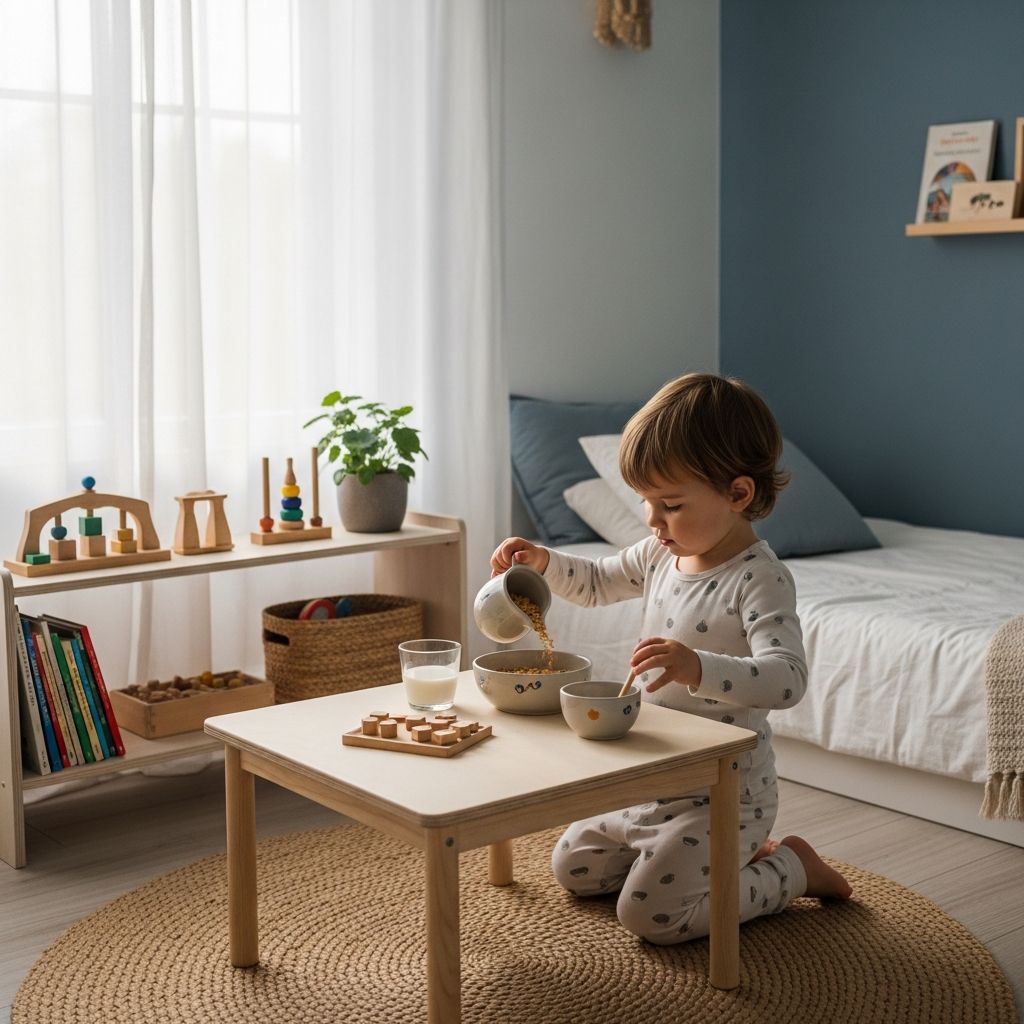
At 33 months, your child is transitioning from toddlerhood into preschool years, showing remarkable advances in physical abilities, language, thinking, and social skills. This guide draws on credible developmental resources to outline what to expect and how parents can foster growth through everyday interactions.
Physical Growth and Motor Milestones
Around 33 months, children refine gross and fine motor skills, enabling more independent movement and self-care. They gain coordination for activities like jumping, throwing, and using utensils, which builds confidence and body awareness.
- Jumps forward about 8 inches from a standing position, demonstrating improved balance and leg strength.
- Throws a ball overhead and kicks it forward, showing advancing hand-eye coordination.
- Pedals a tricycle and climbs small slides independently, mastering balance on one foot briefly.
- Uses scissors with blunt noses safely and feeds self with spoon and fork.
- Puts on shoes (though not tying laces) and uses the toilet independently.
These skills emerge as the child’s brain and muscles mature. Parents can encourage them by providing safe spaces for active play, such as parks or backyard setups with balls and tricycles. Avoid overprotecting; let them attempt tasks like dressing to build frustration tolerance.
| Motor Skill | Typical Achievement | Parent Support Ideas |
|---|---|---|
| Gross Motor | Hop on one foot, jump 6-8 inches | Play hopscotch or obstacle courses |
| Fine Motor | String large beads, use fork | Offer playdough, puzzles, safe scissors |
| Self-Care | Brush teeth, wash hands | Make routines fun with songs and timers |
Cognitive and Problem-Solving Advances
Thinking skills surge at this age, with children noticing patterns, using memory, and solving simple problems. They engage in symbolic play, like turning a basket into a truck, and show early humor by enjoying silly mismatches, such as socks on hands.
Key cognitive milestones include:
- Connecting ideas, like predicting rain from clouds or asking for treats strategically.
- Problem-solving with guidance, such as fixing a toy overflow by reorganizing.
- Symbolic thinking, using objects to represent others, like a blanket as a garage.
- Memory application from past experiences to new situations.
To nurture this, engage in role-play games. Pretend play with household items sparks creativity. Read books pointing to pictures, asking “What happens next?” to boost prediction skills. Limit screen time; hands-on exploration trumps passive viewing.
Language and Communication Breakthroughs
By 33 months, speech becomes 75-80% understandable, with 3-5 word sentences and growing vocabulary of 50+ words. Children use plurals, verbs, adjectives, prepositions, and express needs like toilet urges.
- Speaks in full sentences, names colors, and refers to self by name.
- Joins nursery rhymes, remembers simple lyrics.
- May stumble over words occasionally, not typically stuttering.
Respond to their chatter by expanding phrases: If they say “big truck,” reply “Yes, the big red truck is loud!” This models complexity. Sing songs daily and discuss daily events to enhance expression. If speech lags significantly, consult a pediatrician, as early intervention helps.
Social-Emotional Development
Socially, 33-month-olds shift to associative play, joining peers while still parallel-playing. They show empathy, like hugging a sad parent, and manage basic emotions with support.
- Notices others’ feelings, offers comfort.
- Builds relationships, enjoys praise, shows impulse control but may dawdle.
- Calms after separations within 10 minutes, points to self in photos.
- Develops independence, playing alone briefly.
Foster this through playdates and modeling kindness. Name emotions: “You look frustrated; let’s take deep breaths.” Praise efforts over outcomes to build resilience. They notice differences in people, so discuss diversity positively.
Daily Routines and Independence
Independence blooms in self-care and routines. They follow simple instructions, clean up toys, and handle food prep interests.
Establish predictable schedules: consistent bedtime, meals, and play blocks reduce tantrums. Involve them in chores like setting the table to instill responsibility. Use visual charts for routines, aiding transitions.
Potential Challenges and When to Seek Help
Common hurdles include frustration from rapid growth, testing boundaries, or speech glitches. Most resolve with patience, but track milestones using CDC checklists.
Red flags: No 2-word sentences by 30 months, poor peer interaction, or motor delays. Contact pediatricians promptly; early screening via tools like CHOP visits ensures timely support.
Nutrition, Sleep, and Safety Essentials
Fuel growth with balanced meals: fruits, veggies, proteins, whole grains. They handle small cups, show cooking curiosity—let them stir safely. Expect 11-14 hours sleep nightly, including naps[general knowledge from sources].
Safety: Supervise near hazards, teach road rules. Childproof homes as climbing skills peak.
Fun Activities to Boost Development
- Outdoor Adventures: Park runs, ball games for motor skills.
- Creative Play: Art with crayons, pretend kitchens for imagination.
- Learning Games: Sorting colors, counting toys for cognition.
- Social Outings: Playgroups for peer practice.
Frequently Asked Questions
What if my 33-month-old isn’t speaking in sentences yet?
Most use 3-5 word phrases; if delayed, read daily and consult a doctor for speech therapy evaluation.
How much exercise does a 33-month-old need?
Aim for 60+ minutes daily of active play like running, jumping to support physical health.
Is it normal for them to have tantrums at this age?
Yes, as emotions grow faster than control; validate feelings and offer choices to teach coping.
When should potty training be complete?
Many manage independently by 33 months, but variations occur; stay consistent without pressure.
How can I encourage sharing with other kids?
Model turn-taking in play, praise cooperative acts; short playdates build skills gradually.
This phase is exciting—your child’s curiosity drives learning. Celebrate small wins and partner with pros for concerns.
References
- From Baby to Big Kid: Month 33 — ZERO TO THREE. Accessed 2026. https://www.zerotothree.org/resource/from-baby-to-big-kid-month-33/
- 30-33 Month Milestones — First Connections AR. Accessed 2026. https://www.firstconnectionsar.org/30-33-months
- Developmental Milestones – 31 through 36 Months — Nebraska Department of Education. Accessed 2026. https://edn.ne.gov/cms/developmental-milestones-31-through-36-months
- Developmental Milestones — Children’s Hospital of Philadelphia (CHOP). Accessed 2026. https://www.chop.edu/primary-care/developmental-milestones
- Toddler Milestones — Cleveland Clinic. Accessed 2026. https://my.clevelandclinic.org/health/articles/22625-toddler-developmental-milestones–safety
- Development Milestones for Your 3-Year-Old Child — CHOC. Accessed 2026. https://choc.org/ages-stages/3-years/
- Milestones by 3 Years — Centers for Disease Control and Prevention (CDC). Accessed 2026. https://www.cdc.gov/act-early/milestones/3-years.html