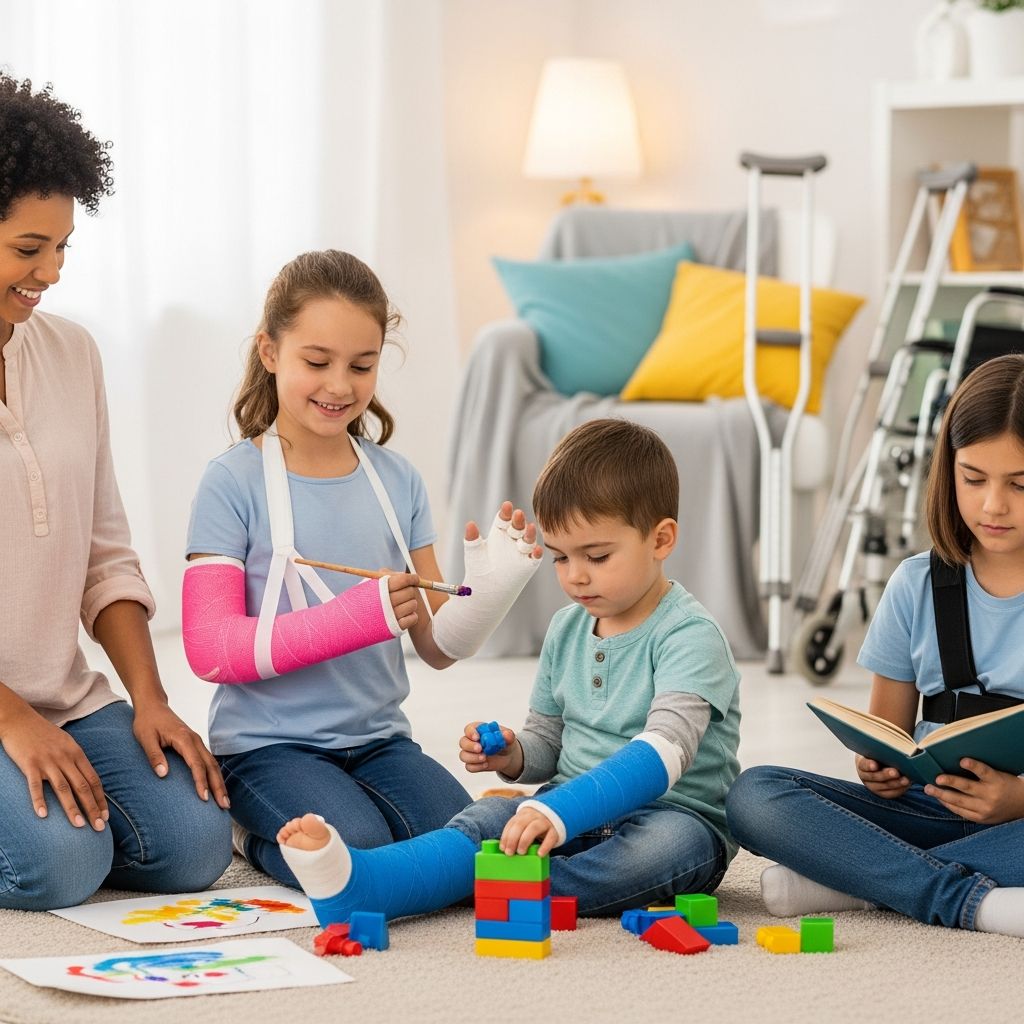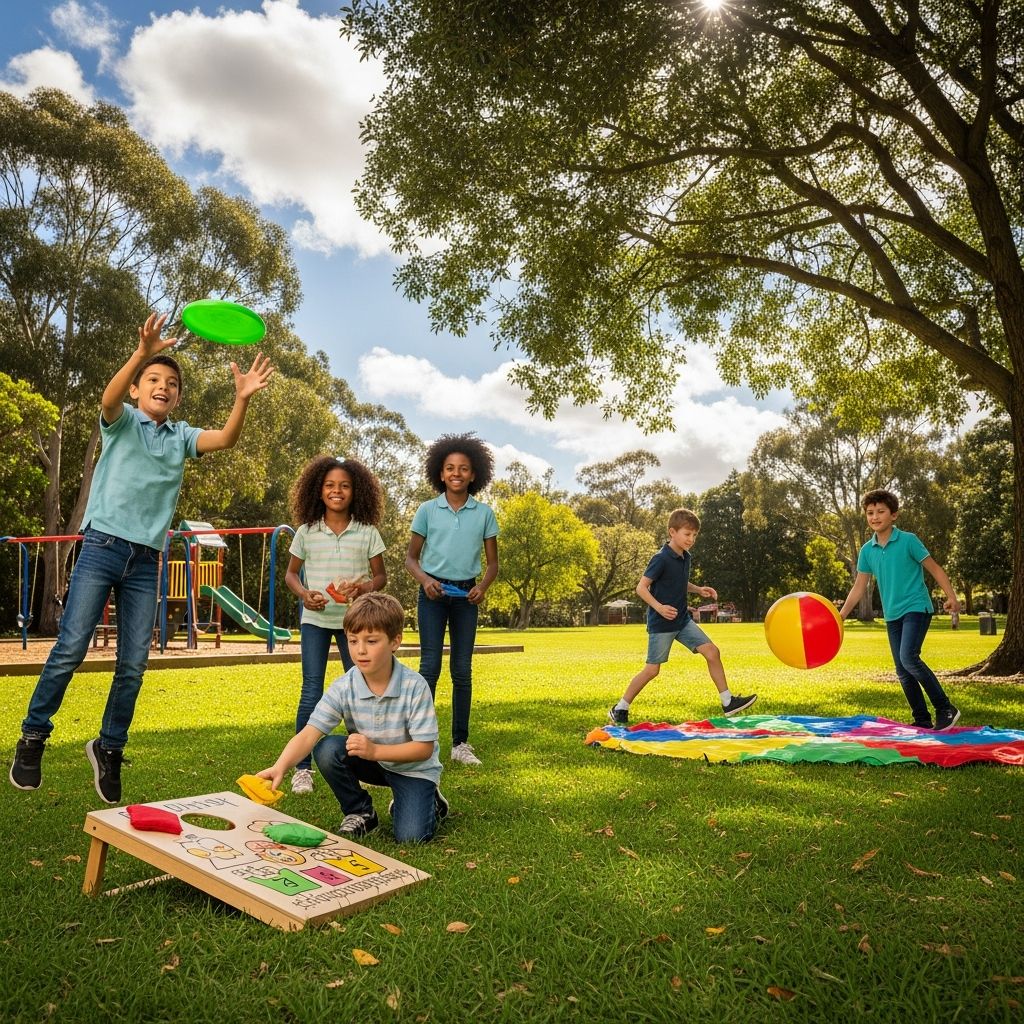
Outdoor play is essential for children’s physical development, mental well-being, and social skills. In an era dominated by screens, getting kids outside to run, jump, and explore builds strength, coordination, and creativity. This guide presents a fresh collection of games that require minimal or no equipment, suitable for backyards, parks, or even tiny patios. Whether organizing a group adventure or keeping toddlers entertained, these activities ensure hours of laughter and movement.
Why Outdoor Games Matter for Growing Minds and Bodies
Regular outdoor activity helps children combat obesity, improve focus, and foster independence. According to health experts, kids who engage in unstructured play develop better problem-solving abilities and emotional resilience. Games encourage teamwork, quick thinking, and rule-following, all while burning energy in fresh air. No matter the weather—sunny days or mild breezes—these pursuits turn any space into a playground.
Classic Tag Variations to Get Everyone Moving
Tag games are timeless because they demand speed, strategy, and agility. Start with simple rules and adapt for different ages to keep the excitement high.
- Everyone-is-It Tag: In this chaotic twist, every player is ‘it’ simultaneously. The goal is to tag others while dodging tags yourself. It promotes constant motion and laughter, ideal for large groups. Set boundaries to avoid wandering too far.
- Freeze Tag: One player is ‘it’ and chases others. Tagged players freeze in place until a free teammate taps them to unfreeze. This builds patience and cooperation.
- Shadow Tag: Players tag each other’s shadows instead of bodies. On sunny days, this adds a layer of skill, teaching kids to manipulate their position relative to the light source.
- Octopus Tag: Played in an open area, one ‘octopus’ stands in the middle. Players cross from one side to the other; if tagged, they join the octopus by waving arms like tentacles. Soon, the field is a writhing mass of limbs.
These variations scale easily: younger kids can play in smaller areas, while older ones add challenges like crawling or hopping.
Hide-and-Seek Evolutions for Thrilling Chases
Hide-and-Seek captivates with suspense and stealth. Establish safe zones and time limits to prevent endless searches.
- Sardines: Reverse the classic—one hider squeezes into a tight spot while others seek. Finders join the hiding pile silently. The last seeker loses, but everyone giggles in the cramped hideout.
- Kick the Can: Use a pinecone, bottle, or rock as the ‘can.’ The seeker guards it while hiders scatter. Kick it to free jailed players. This combines hiding with daring rescues.
For added fun, incorporate themes like ‘ninja stealth’ or nighttime versions with flashlights (under supervision).
Circle and Chasing Games for Group Bonding
These games thrive in circles, perfect for parks or lawns, emphasizing rhythm and reaction.
- Duck, Duck, Goose: Players sit in a circle; the ‘it’ circles, tapping heads saying ‘duck’ until ‘goose!’ The goose chases ‘it’ around the circle to claim the spot. Losers become the new ‘it.’
- London Bridge is Falling Down: Two players form an arch; others parade underneath singing the rhyme. At ‘take the key and lock her up,’ the arch drops to capture a player who joins the bridge team.
- Follow the Leader: A leader performs silly walks, jumps, or dances; followers mimic. Eliminate non-copiers or keep it cooperative for little ones. Rotate leaders to build confidence.
Hopscotch and Ground Games for Skill Building
Draw hopscotch grids with chalk on pavement to practice balance and precision.
Players toss a marker into sequential squares, hopping through while skipping the marked one. Rules: single-foot hops in odd squares, two-footed in pairs; retrieve marker without stepping on lines. Misses or balances mean a turn loss. For toddlers, simplify to just hopping across.
| Age Group | Adaptations | Skills Developed |
|---|---|---|
| 3-5 years | 3-4 large squares, no tossing | Balance, counting |
| 6-8 years | Standard 10 squares, beanbag toss | Coordination, focus |
| 9+ years | Add twists like backward hops | Agility, strategy |
Freeze and Music Games Without the Speakers
Musical Statues needs no music—clap or shout ‘freeze!’ Kids dance wildly, then halt statue-still on cue. Wigglers are out; last standing wins. Variations: animal poses or yoga freezes for variety.
Nature-Inspired Adventures
- Pooh Sticks: By a stream, drop sticks upstream; first to emerge downstream wins. Teaches observation and patience.
- I Spy: Spot colors, shapes, or themes (‘something green’). Active version: run to touch the spied item. Cloud I Spy sparks imagination.
Small-Space Wonders for Urban Families
Limited yard? No problem—these fit patios or driveways.
- Horseshoes or Ring Toss: Use plastic sets or DIY with bottles and hula hoops. Aim for stakes or poles to hone throwing accuracy.
- Water Painting: Dip brushes in water to ‘paint’ evaporating art on concrete. Practice shapes, letters, or stories.
- Balloon Tennis: Paper plates taped to sticks become paddles; volley balloons. Slow pace suits all ages, improves hand-eye coordination.
- Sensory Water Play: Fill bins, wagons, or buckets with water, cups, and toys for splashing fun. Supervise closely.
Games for Mixed Ages and Family Inclusion
To include adults or varying ages, assign roles: grown-ups as seekers or leaders. Themes like ‘pirate tag’ or ‘superhero chase’ engage everyone. Rotate rules to keep it fair.
Safety Essentials for Outdoor Fun
Always check weather, apply sunscreen, and hydrate. Define play boundaries, supervise water play, and teach ‘stop’ signals. Inspect areas for hazards like uneven ground.
Frequently Asked Questions
What are the best outdoor games for toddlers?
Simple chases like Follow the Leader or Duck, Duck, Goose work well, focusing on imitation and short bursts of movement.
Can these games be played in rain?
Opt for covered areas with Freeze Tag or I Spy; avoid slick surfaces to prevent slips.
How many kids for tag games?
4-20 players; scale boundaries for smaller groups.
Equipment-free options?
Most are, like tag and hide-and-seek; substitutes like sticks enhance others.
Benefits for school-aged kids?
Boosts fitness, reduces stress, improves social dynamics per child development studies.
References
- Physical Activity Guidelines for Americans — U.S. Department of Health and Human Services. 2024-01-15. https://health.gov/our-work/physical-activity/current-guidelines
- Benefits of Unstructured Play — American Academy of Pediatrics. 2023-05-20. https://publications.aap.org/pediatrics/article/151/5/e2023061191/190000
- Outdoor Play and Child Development — Centers for Disease Control and Prevention. 2025-02-10. https://www.cdc.gov/obesity/strategies/healthy-eating-physical-activity.html
- Active Play Guidelines — Public Health Agency of Canada. 2024-11-01. https://csepguidelines.ca/
- Childhood Physical Activity — World Health Organization. 2024-06-25. https://www.who.int/news-room/fact-sheets/detail/physical-activity