In the third week of pregnancy, counted from the first day of your last menstrual period, profound cellular events unfold that mark the true beginning of new life. Fertilization typically occurs here, transforming a single cell into a rapidly dividing blastocyst ready for implantation.
The Miracle of Fertilization and Blastocyst Formation
During this pivotal week, a sperm penetrates the egg, creating a zygote—a single cell containing the complete genetic blueprint for your future child. This zygote begins dividing as it journeys through the fallopian tube toward the uterus.
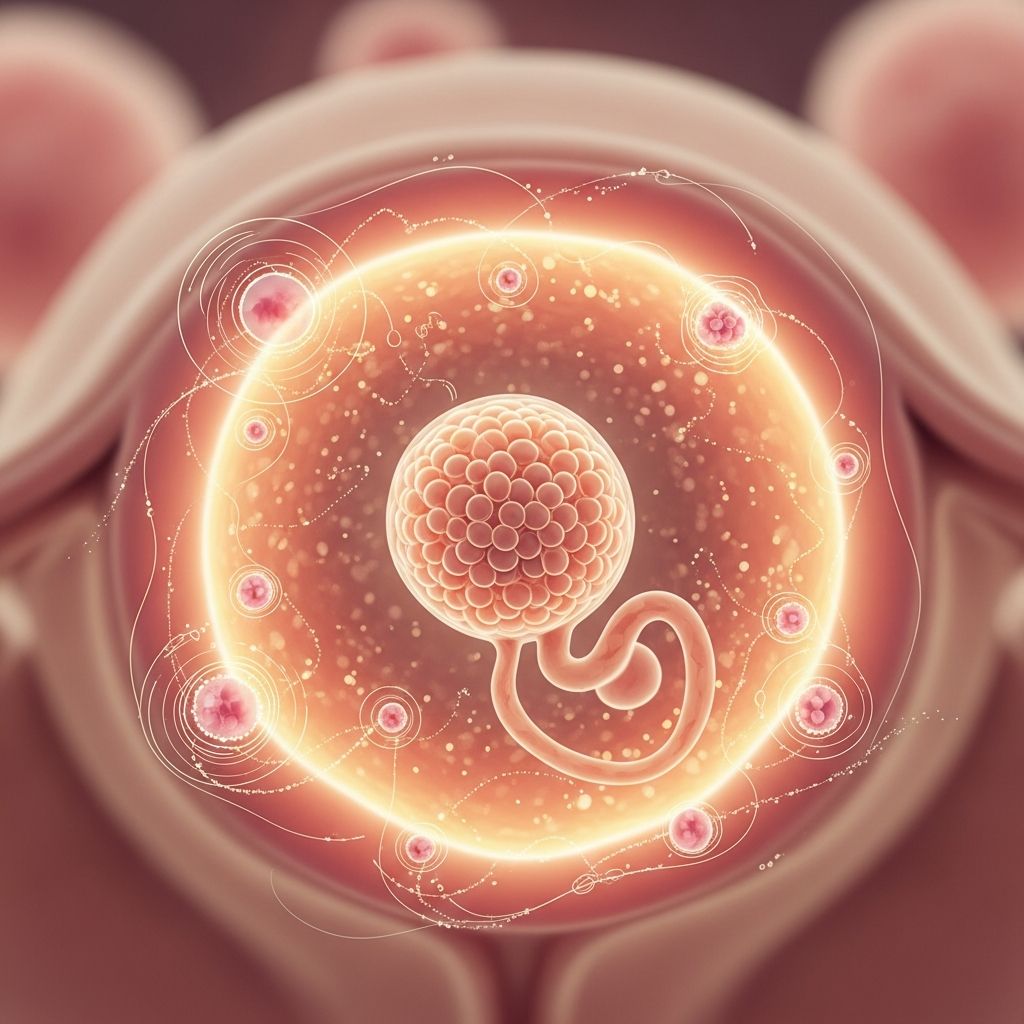
By mid-week, the zygote evolves into a morula, a compact ball of cells, and then a blastocyst—a hollow structure filled with fluid. The outer layer of the blastocyst will develop into the placenta, which produces human chorionic gonadotropin (hCG), the hormone detected by pregnancy tests. Amniotic fluid starts accumulating around the inner cell mass, destined to become the embryo, offering early protection.
- Zygote stage: Single fertilized cell with 46 chromosomes.
- Morula stage: 16-cell cluster resembling a mulberry.
- Blastocyst stage: Fluid-filled sphere, about the size of a pinhead, prepared for uterine attachment.
This rapid division sets the foundation for all organ systems, even though the embryo is tinier than a poppy seed.
Implantation: Securing the Foundation
Toward the week’s end, the blastocyst hatches from its protective shell and embeds into the nutrient-rich uterine lining, known as the endometrium. This implantation process establishes a vital lifeline, allowing nutrient exchange and waste removal.
Once implanted, the placenta begins forming at the implantation site, growing to supply oxygen and food via the umbilical cord. This connection triggers hCG production, signaling pregnancy.
| Stage | Description | Key Outcome |
|---|---|---|
| Fertilization | Sperm meets egg in fallopian tube | Zygote formation |
| Travel & Division | 5-6 day journey to uterus | Blastocyst development |
| Implantation | Attachment to endometrium | Placenta initiation, hCG rise |
Implantation may cause mild symptoms, but most women remain unaware at this stage.
Embryonic Developments Taking Shape
Although microscopic, foundational structures emerge. The inner cell mass starts differentiating: cells destined for the neural tube (future brain and spinal cord), early heart tissues, and gastrointestinal precursors form.
These changes are critical; disruptions here can affect neural tube development, underscoring the importance of early folate intake.
- Neural tube: Begins forming, critical for central nervous system.
- Heart primordia: Cluster of cells that will pulse soon.
- Placental cells: Outer trophoblast invades uterine wall.
Maternal Body Adaptations in Week 3
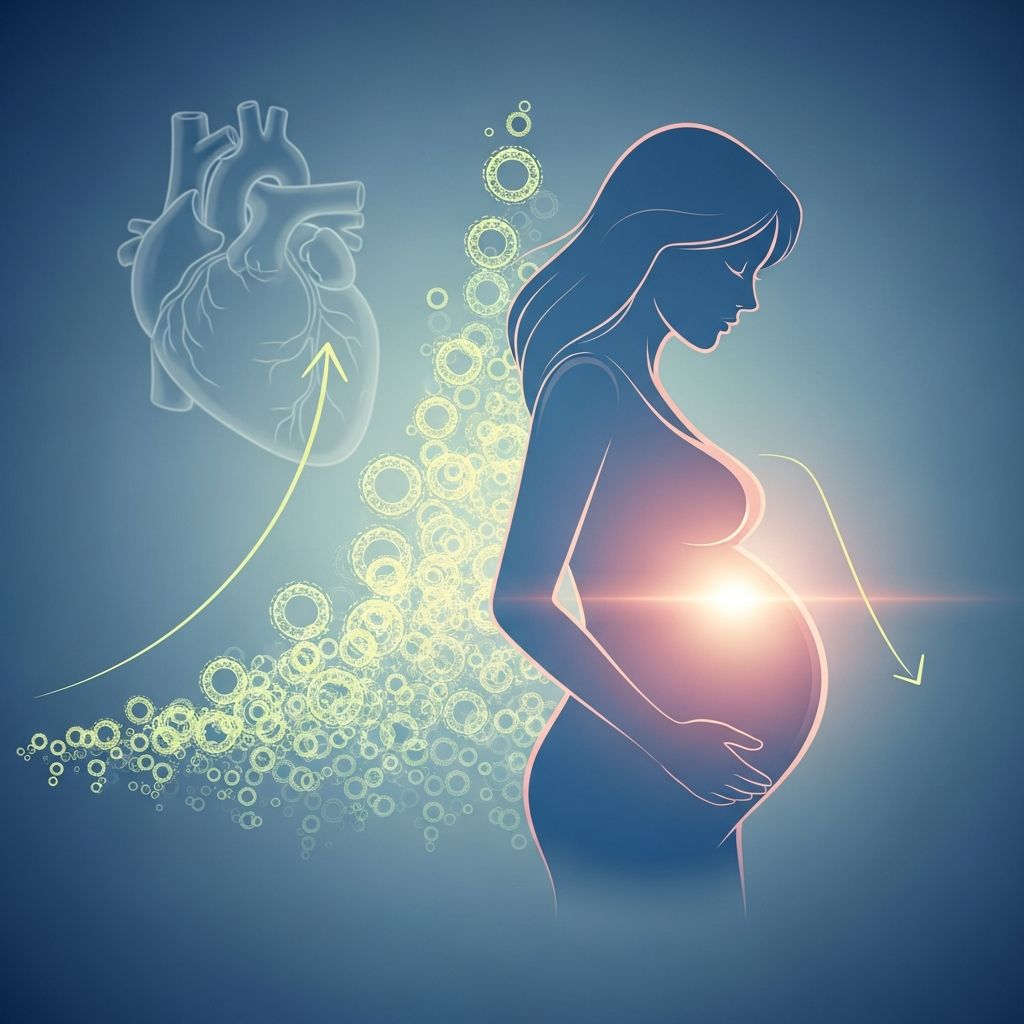
Your body ramps up progesterone to thicken the uterine lining and prevent menstruation. hCG surges post-implantation, maintaining the corpus luteum for hormone support.
Common early signs include:
- Implantation bleeding: Light spotting or cramping as the blastocyst burrows in.
- Breast changes: Tenderness from rising hormones.
- Fatigue: Progesterone induces drowsiness.
- Missed period: Often the first noticeable clue, prompting testing.
Not everyone experiences symptoms; some discover pregnancy via tests detecting hCG around 10-14 days post-ovulation.
Nutrition and Lifestyle Essentials
Prioritize folate-rich foods like leafy greens, legumes, and fortified cereals to support neural tube formation. Aim for 400-800 mcg daily from diet or supplements.
Other tips:
- Hydrate well and eat balanced meals to combat fatigue.
- Avoid alcohol, smoking, and limit caffeine.
- Start prenatal vitamins if planning pregnancy.
- Gentle exercise like walking aids circulation.
Avoid unpasteurized dairy, raw fish, and high-mercury seafood to minimize risks.
Prenatal Testing and When to Seek Care
Home pregnancy tests become reliable by week’s end if implantation occurred. Blood tests at a doctor’s office confirm hCG levels earlier.
Schedule your first prenatal visit around 6-8 weeks. Early ultrasound may not visualize much yet, but confirms viability later.
Red flags: Heavy bleeding, severe pain, or dizziness warrant immediate medical attention.
Emotional Well-being During Early Pregnancy
Excitement mixes with anxiety as reality sets in. Journal feelings, connect with support networks, and consider prenatal yoga for stress relief.
Partners: Offer help with chores; attend appointments to share the journey.
Visualizing Your Baby’s Size and Growth
At week 3, the blastocyst measures 0.1-0.2 mm—smaller than a printed period. Compare to a poppy seed for scale.
| Week 3 Milestone | Size Comparison | Development Focus |
|---|---|---|
| Blastocyst | Pinhead | Cell division, implantation prep |
| Post-Implantation | Poppy seed | hCG production starts |
Common Myths About Week 3 Pregnancy
- Myth: No symptoms mean no pregnancy. Fact: Many have subtle or no signs early on.
- Myth: Pregnancy weeks start at conception. Fact: Dated from last menstrual period, so week 3 aligns with fertilization.
- Myth: Twins always run in families. Fact: Fraternal twins from multiple ovulations; identical from blastocyst splitting.
Preparing for the Weeks Ahead
As you enter week 4, expect hCG doubling every 48-72 hours, amplifying symptoms. Neural tube closure nears, heart beating starts by week 5-6.
Track basal body temperature or use apps for ovulation confirmation if TTC.
Frequently Asked Questions
Can I take a pregnancy test at 3 weeks?
Possibly, if implantation occurred early; sensitive tests detect hCG from 10 DPO. Retest if negative but period misses.
Is implantation bleeding normal?
Yes, light pink/brown spotting for 1-2 days in 25% of pregnancies. Heavy flow differs—see a doctor.
What if I didn’t know I was pregnant?
Many unaware until 4-5 weeks. Start prenatals immediately; no long-term harm if healthy pre-pregnancy.
How much folic acid do I need?
600 mcg daily for pregnancy; begin preconceptionally to aid neural tube development.
Can stress affect implantation?
High stress may disrupt hormones, but moderate levels unlikely to prevent it. Practice relaxation.
Partner Involvement and Family Planning
Involve your partner in nutrition prep and appointments. Discuss birth plans early, even if distant.
For multiples risk: Family history of fraternal twins increases odds; monitor via early ultrasound.
References
- 3 Weeks Pregnant — American Pregnancy Association. 2023. https://americanpregnancy.org/healthy-pregnancy/week-by-week/3-weeks-pregnant/
- Weeks 3 & 4 of Pregnancy: The Beginning of New Life — Amnion Pregnancy Center. 2024. https://amnionpregnancycenter.com/weeks-3-4-of-pregnancy-the-beginning-of-new-life/
- Pregnancy Week by Week — March of Dimes. 2025-01-10. https://www.marchofdimes.org/pregnancy-week-week
- Pregnancy Calendar: Week 3 — Nemours KidsHealth. 2024. https://kidshealth.org/en/parents/week3.html
- Fetal Development: Week-by-Week Stages of Pregnancy — Cleveland Clinic. 2025-06-15. https://my.clevelandclinic.org/health/articles/7247-fetal-development-stages-of-growth
- 3 Weeks Pregnant: Baby Size, Symptoms & Tips — Enfamil. 2024. https://www.enfamil.com/articles/3-weeks-pregnant-week-by-week-guide/