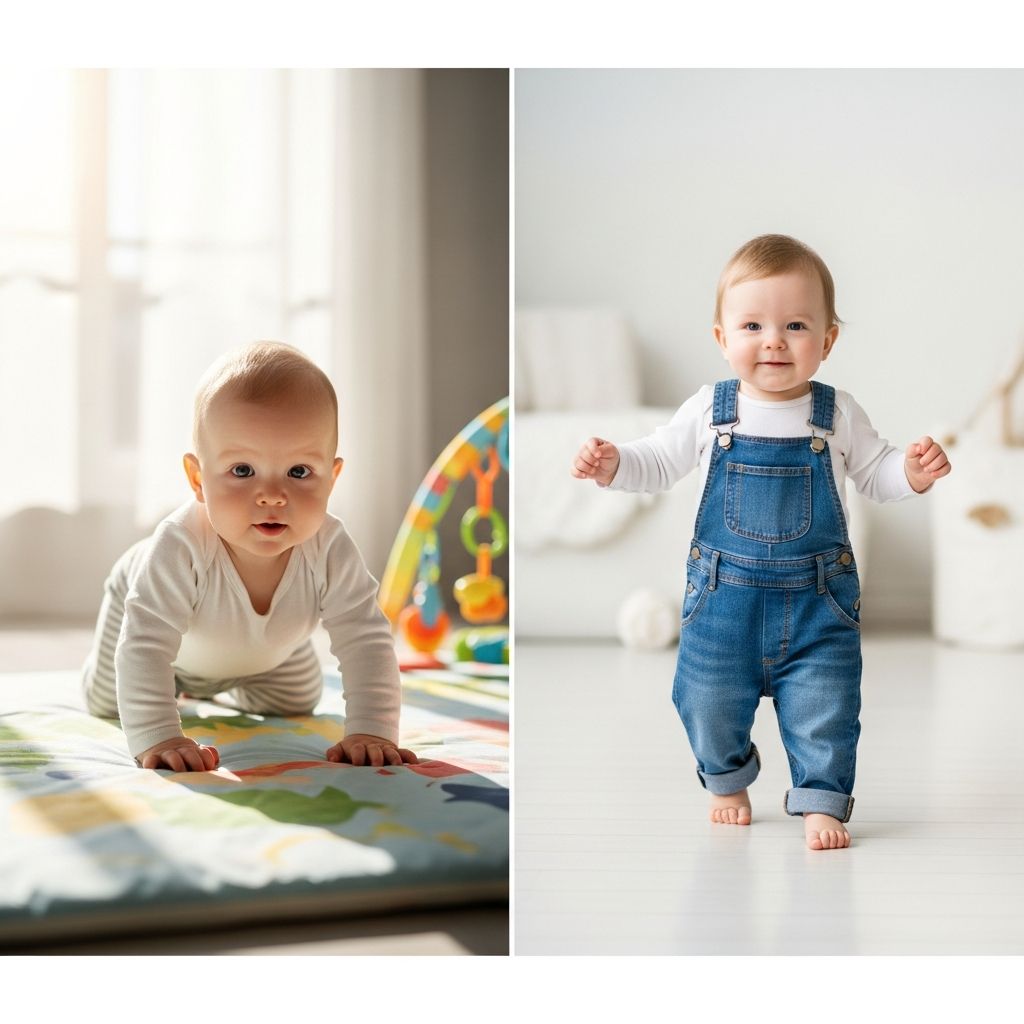
By around three months, many parents begin to see their baby change from a sleepy newborn into a more alert, social, and interactive little person. This stage is full of new movements, smiles, and sounds, and it often brings more predictable feeding and sleep patterns.
How Fast Do 3-Month-Old Babies Grow?
Growth in the first three months is usually rapid, but it does not look identical for every baby. Some babies gain weight steadily each week, while others grow in quick spurts separated by quieter periods. What matters most is the overall pattern on the growth chart, not a single number in isolation.
Healthcare providers typically track three key measurements at checkups: weight, length, and head circumference. These measurements are plotted on standardized charts to show whether your baby is following a healthy curve over time.
Typical Growth Indicators
- Steady weight gain over weeks, not sudden large jumps or long plateaus.
- Length (height) gradually increasing as the body stretches and limbs look longer.
- Head circumference growing to accommodate rapid brain development.
- Clothing and diaper sizes slowly increasing, with some outfits suddenly feeling snug.
Sample Growth Pattern Table
The figures below are for illustration only and do not replace professional growth charts. Babies who are healthy can be above, below, or between these ranges.
| Age | What Parents Often Notice |
|---|---|
| Birth to 1 month | Regains birth weight after early loss, starts to fill out cheeks and legs. |
| 1 to 2 months | More consistent weight gain, outgrowing newborn clothes, body looks less curled. |
| 2 to 3 months | Noticeable lengthening, stronger neck and shoulders, head continues to grow. |
When to Ask for a Growth Check
- Your baby seems unusually sleepy, weak, or uninterested in feeding.
- Diaper output decreases significantly (fewer wet or dirty diapers than usual).
- You feel your baby’s ribs and bones more sharply than before, without other explanation.
- A healthcare provider has expressed concern about sudden changes on the growth curve.
Physical Changes and New Movements
By three months, many babies are less curled up and more open in their posture. Their muscles, especially in the neck and trunk, are becoming stronger, and many newborn reflexes have started to fade, making movements look smoother and more controlled.
Head and Neck Control
Improving head control is one of the biggest physical changes at this age. You may notice your baby trying to lift and hold the head steady when you pick them up or when they are lying on their tummy.
- When held upright against your shoulder, the head may wobble less and stay aligned for short periods.
- During tummy time, many babies can lift the head and upper chest using their forearms for support.
- Neck and shoulder muscles gradually look stronger and more defined.
Arms, Hands, and Legs
Limbs are usually more relaxed and active at three months. Instead of random flails, you may see your baby use their arms and legs more purposefully.
- Hands open more often instead of staying tightly fisted all the time.
- Arms may reach toward toys, faces, or your clothing, even if coordination is not perfect yet.
- Legs kick strongly, especially when lying on the back or during diaper changes.
- Babies sometimes push down with their feet when held upright on a firm surface.
Encouraging Safe Movement
- Offer daily supervised tummy time on a safe, flat surface to build neck and upper body strength.
- Place a few lightweight toys within reach to invite swatting and grabbing.
- Allow free movement on a blanket on the floor instead of always using swings or seats.
- Avoid leaving your baby unattended on high surfaces, even if they cannot roll consistently yet.
Awakening Senses: Vision, Hearing, and Touch
Your 3-month-old is becoming much more aware of the world. You may notice longer periods of quiet alertness when your baby seems to study faces, lights, and nearby objects.
Seeing the World More Clearly
Vision is still developing, but babies at this age can usually focus better on nearby people and objects. Moving items, such as your face as you talk, often hold their attention.
- Eyes track moving objects side to side and sometimes up and down.
- High-contrast patterns, simple shapes, and human faces tend to be especially interesting.
- Some babies begin to recognize familiar faces from a short distance and react with smiles or excited movements.
Listening and Responding to Sounds
Hearing is usually present from birth, but at three months babies often show clearer responses to specific voices and sounds. Your baby is starting to learn that sounds carry meaning.
- May quiet, turn, or widen eyes in response to a familiar voice.
- Can startle at loud noises or sudden sounds in the environment.
- Often prefers gentle speech, lullabies, and soft background sounds over harsh noise.
Exploring Through Touch and Movement
Babies use their skin and mouth to learn about textures and shapes long before they can talk about them. Touch is soothing, stimulating, and deeply reassuring at this age.
- Hands may rub fabrics, blankets, or your clothing repeatedly.
- Fingers and fists often go into the mouth as part of self-soothing and exploration.
- Gentle stroking, infant massage, and skin-to-skin contact can support bonding and relaxation.
Social, Emotional, and Communication Milestones
One of the joys of the three-month mark is seeing more social and emotional connection. Your baby may now seem to “light up” when you enter the room, respond more often with smiles, and engage in early back-and-forth communication.
Building Relationships and Trust
Attachment deepens as your baby learns that caregivers respond to needs for comfort, food, and interaction. Simple, repeated moments of care shape your baby’s sense of safety.
- Smiles more often at familiar people, especially during face-to-face play.
- May fuss less quickly when needs are anticipated and met consistently.
- Shows excitement through waving arms, cooing, or kicking when a favorite person appears.
Early Communication and Sounds
Language starts long before real words appear. At three months, babies often combine eye contact, facial expressions, and sounds to “talk” with caregivers.
- Makes cooing sounds, gurgles, and simple vowel-like noises.
- Pauses after you speak, as if taking turns in a conversation.
- Facial expressions may change with tone of voice, showing interest, surprise, or mild frustration.
Simple Ways to Support Social and Emotional Growth
- Respond consistently to cries and cues; this builds security, not “spoiling,” at this age.
- Talk, sing, and narrate daily routines in a calm, warm voice.
- Hold your baby close and maintain eye contact during feeding, diaper changes, and play.
- Imitate your baby’s sounds and facial expressions to encourage back-and-forth interaction.
Feeding Your 3-Month-Old Baby
At around three months, many babies have more efficient feeds and may start to settle into a looser routine, though strict schedules are not necessary for healthy development. Whether you are breastfeeding, formula feeding, or a combination, the goal is to follow your baby’s hunger and fullness cues.
Common Feeding Patterns
- Feeds may still occur every 2–4 hours during the day, with possible longer stretches at night.
- Some babies cluster-feed in the evening, taking several feeds close together.
- Feeding sessions might be shorter than in the newborn period because babies suck more efficiently.
Signs Your Baby Is Getting Enough
- Regular wet diapers throughout the day and consistent stools for your baby’s feeding type.
- Steady growth tracked by your healthcare provider over time.
- Periods of contentment and alertness between feeds, without persistent lethargy or distress.
Supporting Comfortable Feeds
- Hold your baby in a semi-upright position, supporting the head and neck.
- Pause to burp during and after feeds, especially if your baby seems gassy or fussy.
- Avoid propping bottles or leaving your baby unattended while feeding.
- Discuss any ongoing reflux, choking, or feeding struggles with a healthcare professional.
Sleep Patterns Around Three Months
Sleep remains variable at three months, but many families begin to see slightly longer stretches at night. Your baby’s internal rhythms are maturing, yet frequent waking is still normal.
Typical Sleep Behavior
- Total daily sleep often adds up to many hours, spread across day and night.
- Several daytime naps are common, though timing and length can vary from day to day.
- Some babies may sleep a longer stretch at night, while others still wake frequently to feed.
Safe Sleep Basics
- Always place your baby on the back to sleep, for naps and at night.
- Use a firm, flat sleep surface without soft bedding, pillows, bumpers, or stuffed animals.
- Keep the sleep area smoke-free and avoid overheating with too many layers.
- Room-sharing (baby in the same room but on a separate sleep surface) is often recommended for safety.
Encouraging Healthy Sleep Habits
- Begin a simple bedtime routine, such as a short bath, dim lights, feeding, and a quiet song.
- Watch for sleepy cues like yawning, rubbing eyes, or turning away, and aim to put baby down before overtiredness.
- Keep nighttime interactions calm and brief to help distinguish night from day.
Everyday Activities to Support Development
Daily play does not require elaborate equipment. Simple interactions, repeated many times, are powerful tools for brain and body development.
Development-Boosting Ideas
- Tummy time: Spread a blanket on the floor and place your baby on their tummy for short, frequent sessions. Get down at eye level to talk and smile.
- Face-to-face time: Hold your baby close and make gentle expressions, exaggerating smiles and raised eyebrows to catch attention.
- Talking and singing: Describe what you are doing, name objects, and sing simple songs to build listening and early language skills.
- Simple toys: Offer soft rattles, crinkly cloths, or high-contrast cards for your baby to look at and touch.
Sample Mini Routine for a Wake Window
This is just an example of how one awake period might look:
- Feed and cuddle in a quiet, comfortable spot.
- Brief tummy time with a toy or your face as encouragement.
- Change diaper, talk about what you are doing, and let baby kick freely.
- Short song or story, then watch for sleepy cues and prepare for nap.
When to Talk to a Healthcare Provider
Babies develop at different speeds, so being “a little behind” in one area is not always a cause for alarm. Still, some signs deserve prompt attention to ensure your baby receives any needed support early.
Signs That Need Evaluation
- Very limited movement on one side of the body or persistent stiffness or limpness.
- No response to loud sounds or complete lack of reaction to familiar voices.
- Little or no eye contact, or eyes that never seem to focus on faces or objects.
- Persistent difficulty feeding, poor weight gain, or significantly fewer wet diapers.
- No social smiles at all by around two to three months, despite frequent interaction.
Preparing for Checkups
- Write down questions about feeding, sleep, and behavior before the visit.
- Track diaper counts and jot down any changes in appetite or mood.
- Share videos of movements or behaviors that concern you, if possible.
Frequently Asked Questions About 3-Month-Old Babies
Is my 3-month-old supposed to sleep through the night?
Many three-month-olds still wake to feed during the night. Some may manage a longer stretch of sleep, but frequent waking at this stage is common and usually normal. Rather than aiming for uninterrupted sleep, focus on safe sleep habits and gradually helping your baby distinguish night from day.
Should my baby be rolling over by now?
Some babies begin to roll from tummy to back around three to four months, but this is not universal. If your baby is lifting the head and chest during tummy time and moving arms and legs freely, rolling will often follow with more practice and strength.
How long should tummy time last?
Short, frequent sessions are usually more comfortable than one long stretch. Start with a few minutes several times a day and gradually increase as your baby tolerates it better. Always supervise closely and stop if your baby becomes very upset or overly tired.
Can a baby be “spoiled” by holding too much at this age?
At three months, babies rely entirely on caregivers to meet their needs for comfort and security. Responding promptly to cries, offering holding and cuddling, and talking gently help build trust and do not create bad habits. Emotional security lays the foundation for independence later on.
When should I worry about my baby’s development?
If you notice big changes in behavior, feeding, or movement, or if something simply feels wrong to you, it is always appropriate to ask a healthcare professional. Early conversations can either reassure you that your baby is on track or help you access support early, when it is most effective.
Every 3-month-old baby grows and changes in a slightly different way, but all benefit from responsive care, safe environments, and loving attention. Trust your observations, enjoy the emerging smiles and sounds, and partner with your healthcare provider to support your baby’s unique path through these early months.