At around three months, your baby is becoming more awake, expressive, and curious about the world. This is a wonderful window to introduce gentle play that supports development while deepening your bond. You do not need fancy toys or complex schedules; your voice, face, and touch remain the most powerful tools you have.
This guide offers a variety of easy, low-pressure activities you can do with a 3-month-old, organized by type of skill they support: movement, senses, communication, and emotional connection. Use them as inspiration and adapt everything to your baby’s mood and unique temperament.
What’s Changing at Three Months?
Every baby develops at a different pace, but many 3-month-olds begin showing a few common abilities. Understanding these changes can help you choose the right kinds of play.
- More head control: Many babies can briefly hold their head up while being held upright or during supervised tummy time.
- Growing curiosity: Faces, lights, and high-contrast patterns often catch their attention; they may follow objects with their eyes.
- Early social skills: Frequent smiles, coos, and excited wiggles may appear when you talk, sing, or make eye contact.
- Hands in action: Babies start opening their hands more, bringing them toward their mouth, and swatting or batting at nearby objects.
If something in this list doesn’t match your baby yet, that can still be normal. Talk with your pediatrician about any concerns, but focus on enjoying your baby rather than checking boxes.
Core Principles for Playing With a 3-Month-Old
Before diving into specific activity ideas, it helps to keep a few guiding principles in mind. These will make playtime feel calmer and more rewarding for both of you.
- Follow your baby’s cues: Short bursts of alert, calm attention are ideal. If your baby turns away, fusses, or arches, pause or switch to something soothing.
- Keep sessions brief: Two to ten minutes at a time is often enough. Several small pockets of play scattered through the day are more realistic than one long session.
- Prioritize safety: Always supervise closely, place babies on safe, flat surfaces, and keep small or loose objects well out of reach.
- Use your everyday routines: Diaper changes, feeds, and getting dressed are perfect moments to sing, chat, and play peek-a-boo style games.
- Enjoy the connection: Your warmth, smile, and steady presence matter more than executing any activity perfectly.
Gentle Movement and Tummy-Time Activities
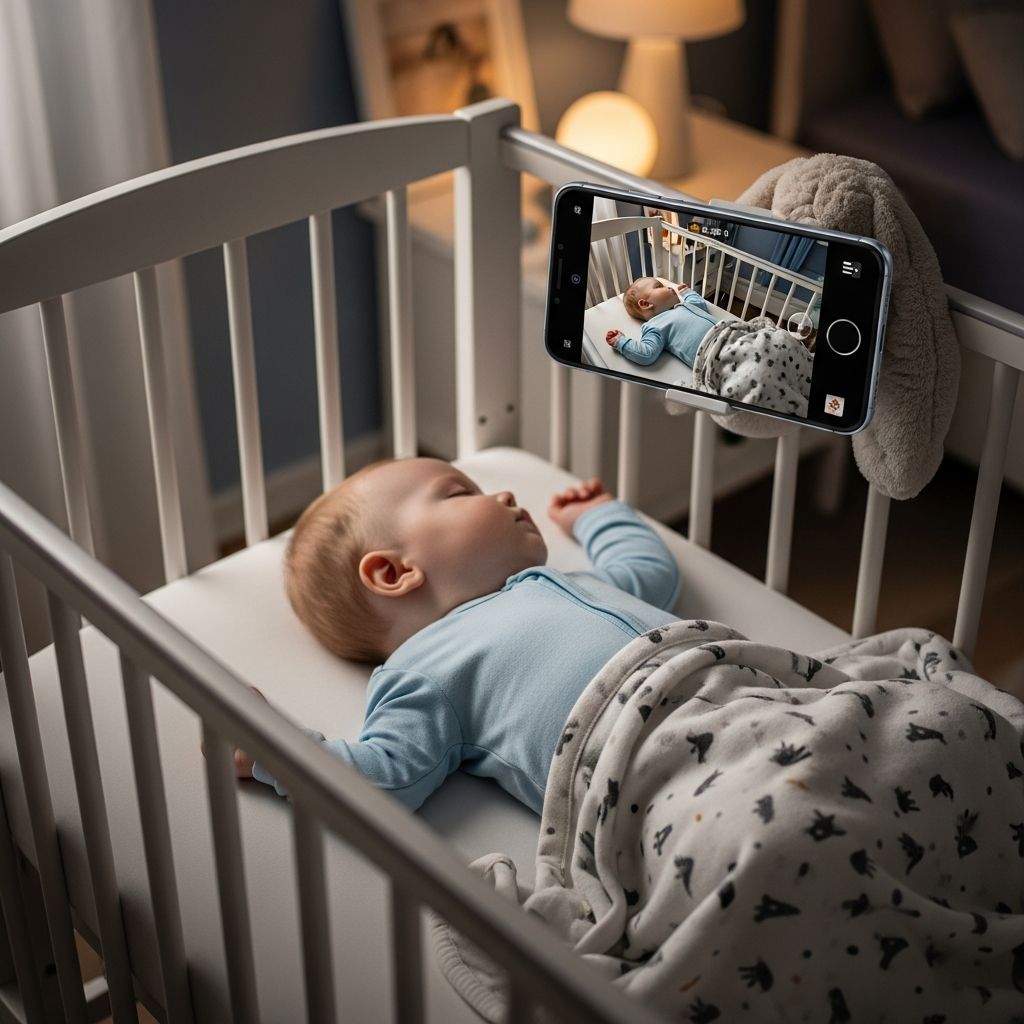
Movement play at this age focuses on building strength safely, especially in your baby’s neck, shoulders, and core. Always place your baby on their back to sleep and reserve tummy time for awake, supervised moments.
Making Tummy Time More Enjoyable
Tummy time helps your baby practice lifting their head and pushing through their arms, which later supports rolling and crawling. If your little one protests on a flat mat, there are creative ways to make it cozier.
- Place your baby on your chest while you lie semi-reclined, talking softly so they lift their head to look at your face.
- Roll a firm towel or blanket under their chest and upper arms for gentle support, making sure their airway stays clear.
- Put a high-contrast picture, a mirror, or a favorite toy at eye level to give them something interesting to gaze at.
- Start with 30–60 seconds and gradually add a bit more time as your baby becomes more comfortable.
Playful Position Changes
Simple position changes during the day challenge your baby’s muscles in safe, subtle ways. Think of it as giving them a new angle on the world rather than a workout.
- Hold your baby upright against your shoulder and walk slowly around the room, pausing at windows or pictures for them to look at.
- Sit with your baby supported in your lap, facing you, and gently lean back and forward so they practice adjusting their head and trunk.
- Alternate which arm you carry them in and which side you place them on during play to encourage turning their head both ways.
Hands, Eyes, and Early Coordination
At three months, your baby is only beginning to discover that their hands belong to them. Activities that invite reaching, grasping, and visual tracking support early hand-eye coordination.
Reaching and Batting Games
You don’t need elaborate toys for reaching practice. A few safe, lightweight objects are enough to introduce your baby to cause and effect.
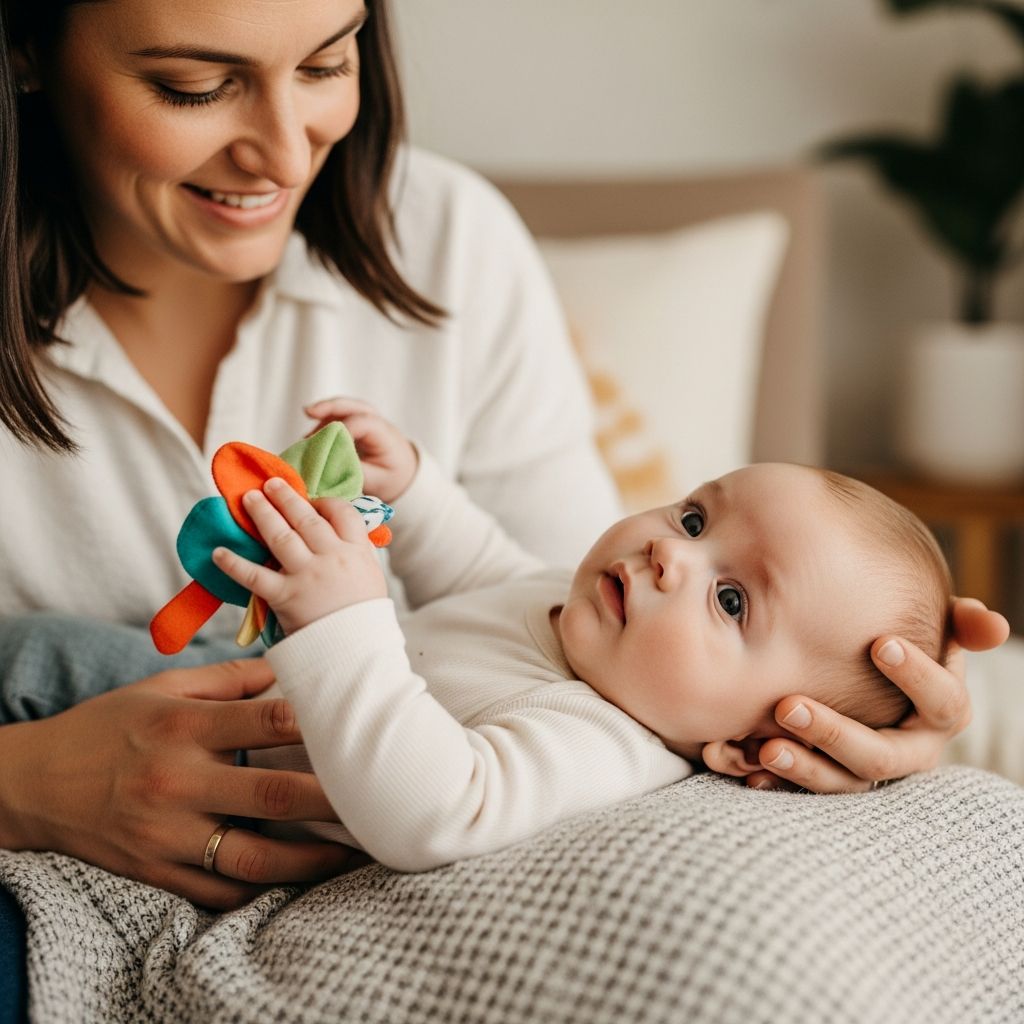
- While your baby lies on their back, dangle a soft toy or crinkly scarf about a foot above their chest and watch them swat or wave toward it.
- Use wrist or ankle rattles so that when they move their arms or legs, they hear a gentle sound, reinforcing that their movements make things happen.
- Offer a light rattle or ring for them to grasp, guiding their hand if needed, then slowly move it side to side to encourage holding on.
Visual Tracking Fun
Learning to follow moving objects with their eyes helps your baby build the foundations for later reading and hand-eye skills. Keep movements slow and deliberate.
- Hold a bright toy about 8–12 inches from your baby’s face and slowly move it left and right, waiting a moment for their eyes to catch up.
- Gently roll a colorful ball across the floor while they lie on their tummy or back, encouraging them to watch it travel.
- Use a small flashlight on a wall in a dim room (never in their eyes) and slowly move the light so they can track it.
Simple Sensory Play Using Everyday Items
Sensory play does not have to be messy or complicated. At this age, safe, gentle exposure to different textures, sounds, and sights is enough to keep your baby fascinated.
Texture and Touch Exploration
Your baby’s skin is very sensitive, so start with soft and familiar materials. Always avoid anything that sheds fibers or could pose a suffocation risk.
- Gather a few fabrics—a cotton washcloth, a silky scarf, a soft baby blanket—and let your baby feel each one against their hands and feet.
- Stroke their legs and arms with a cool spoon (not too cold), then a warm, dry washcloth, describing the sensations with simple words.
- Place your baby on a firm blanket on the floor and slide a rolled towel gently under their feet so they can push against it.
Soft Sound and Music Play
Sound-based play introduces rhythm and early listening skills. Loud or sudden noises can be overwhelming, so stay gentle and watch your baby’s reactions.
- Sing the same lullaby or simple tune each day during playtime, adding hand motions like clapping their hands together very softly.
- Shake a small rattle behind your baby’s head and then in front, giving them time to turn or look toward the sound.
- Tap two soft toys together near them to create a quiet beat, changing your speed to see how they respond.
Talking, Singing, and Early Language
Language development begins long before your baby says their first word. Every cooing “conversation” and sing-song exchange fuels their understanding of speech patterns and social interaction.
Face-to-Face Conversations
Even though your baby cannot answer with words, they are learning the rhythm of dialogue—taking turns, listening, and responding with sounds or expressions.
- Hold your baby close, make eye contact, and imitate their coos and gurgles, pausing to let them “answer.”
- Exaggerate your facial expressions—smiling, raising your eyebrows, opening your mouth wide—to make your face easier to read.
- Describe what you are doing in simple phrases, such as “lifting you up” or “changing your diaper,” using a calm, sing-song tone.
Storytime and Rhythm
Reading and rhythm games at this age are more about sound and closeness than about content. Choose materials you enjoy; your pleasure will come through in your voice.
- Read board books with large pictures, letting your baby look at one page for a while before turning to the next.
- Use short rhymes or hand games, clapping gently or wiggling their toes in time with your words.
- Hum or sing while gently bouncing or rocking, stopping occasionally to see if your baby seems to “ask” for more with a sound or movement.
Building Emotional Security Through Play
All of this playful interaction does more than pass the time. It teaches your baby that the world is safe, people respond to them, and their signals matter. This sense of security lays the groundwork for confidence and curiosity later on.
Comforting Rituals
Regular, predictable moments of connection help your baby feel grounded. These do not need to be elaborate; consistency is more important than creativity.
- Begin naps and bedtime with a short, repeated routine—dim lights, a brief song, and a cuddle—so your baby learns to expect rest.
- Use the same gentle phrase before picking them up, such as “Up you go,” to signal that comfort is coming.
- After a fussy moment, offer a calm reset: hold them skin-to-skin, breathe slowly, and speak in a low, soothing voice.
Play That Respects Overstimulation
Babies can become overwhelmed quickly, especially with bright toys, noise, or fast movements. Learning to notice early stress signs will make play feel more peaceful for both of you.
- Watch for red flags like frantic arm flailing, turning away, yawning, or glazed eyes; these often mean it is time for a break.
- Limit how many toys are visible at once; one or two interesting items are plenty for a 3-month-old.
- Switch from active play to quiet snuggling or soft talking when your baby shows signs of being tired.
Sample Day: Weaving Play Into Daily Life
No day with an infant looks exactly the same, and strict schedules often cause more stress than they solve. Instead of timing each activity, think in terms of small moments you can sprinkle through your routine.
| Part of the Day | Care Routine | Playful Add-On |
|---|---|---|
| Morning wake-up | Feeding and diaper change | Sing a morning song and offer 2–3 minutes of tummy time on your bed while you talk. |
| Late morning | Short awake window | Place baby on a mat with one hanging toy to bat at, then cuddle and chat when they tire. |
| Afternoon | Quiet play before nap | Read a simple picture book in a soft voice and practice gentle tracking with a toy. |
| Early evening | Bath or wipe-down | Let baby feel different textures: soft washcloth, smooth towel, and your warm hands. |
| Bedtime | Final feed and wind-down | Repeat the same lullaby and brief cuddle routine each night to signal sleep. |
Frequently Asked Questions
How long should my 3-month-old play each day?
There is no fixed number of minutes your baby must “play.” Instead, aim for several short, pleasant interactions throughout each awake period. A few minutes of tummy time here, a little singing there, and some face-to-face chatting during diaper changes can easily add up without feeling overwhelming.
What if my baby hates tummy time?
Many babies protest at first. Try tummy time on your chest, across your lap, or with a rolled towel under their chest, and keep sessions brief and frequent. Stop if your baby is very upset, soothe them, and try again later rather than forcing a long stretch all at once.
Do I need special toys for a 3-month-old?
Specialized toys are optional, not essential. Safe household items, soft cloths, simple rattles, and your own expressions and voice can provide rich stimulation. If you do use toys, choose a few simple, high-contrast, easy-to-clean items and rotate them instead of surrounding your baby with many options at once.
Can I overstimulate my baby with too many activities?
Yes, overstimulation is possible, especially with bright lights, loud sounds, or constant handling. Signs include turning away, fussing, frantic movements, or sudden drowsiness in the middle of play. When you see these signals, slow down, dim the environment, and switch to calm contact like holding or gentle rocking.
When should I worry about development at this age?
Babies develop at different speeds, and many variations are completely typical. However, consider speaking with your pediatrician if your 3-month-old seems consistently very floppy or very stiff, rarely moves their limbs, shows no response to loud sounds, never makes eye contact, or seems unusually difficult to comfort. Use any concerns as a reason to seek guidance, not as a measure of your parenting.
Final Thoughts
Supporting a 3-month-old’s development does not require perfect plans or expensive gear. Small, loving interactions—your smile, your songs, your gentle touch—provide all the richness your baby needs right now. Choose a couple of simple ideas from this guide that feel doable today, and let the rest unfold naturally as you and your baby continue to learn together.