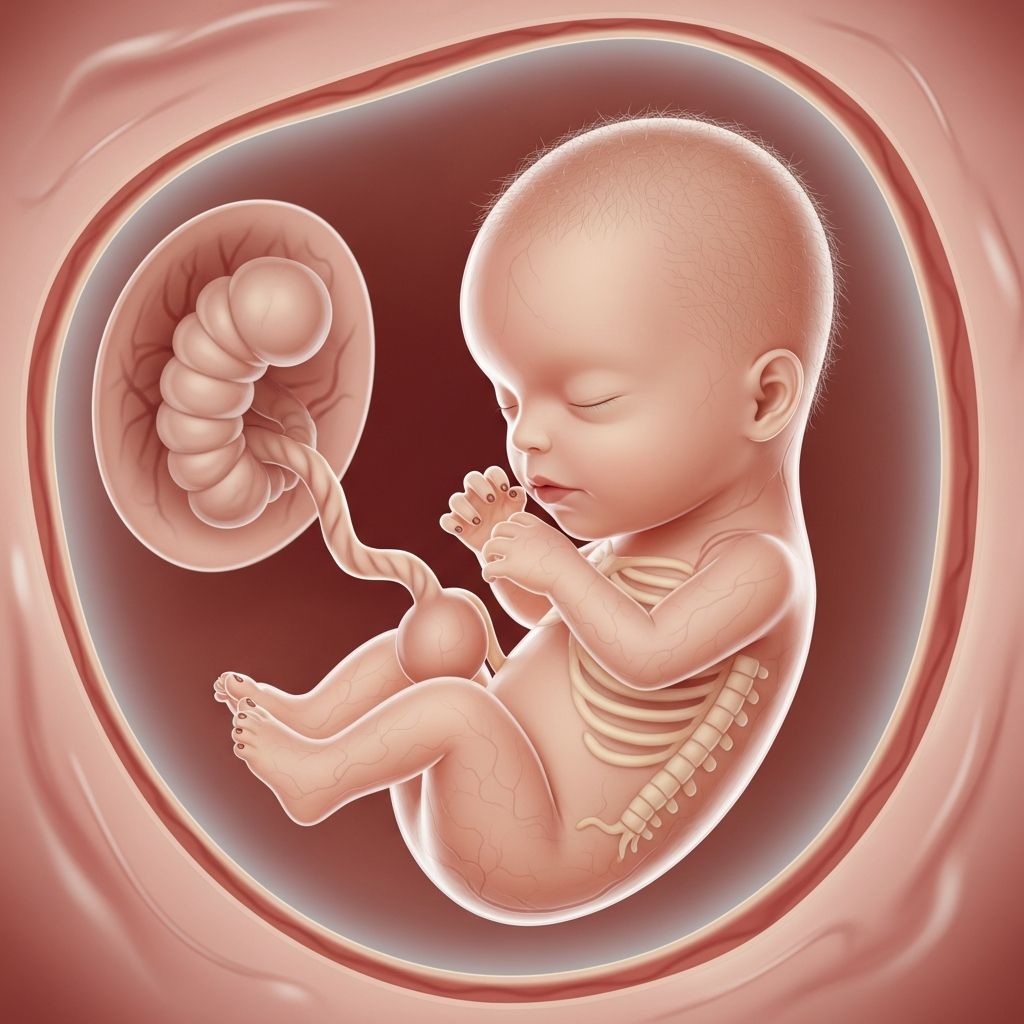
At 27 weeks pregnant, you are nearing the end of the second trimester and getting closer to meeting your baby, while your body and your baby’s organs continue important development and preparation for birth. This week often brings more noticeable movements, changing symptoms, and a stronger emotional connection to your growing baby.
How Your Baby Is Growing at 27 Weeks
By 27 weeks, your baby has grown significantly in length and weight compared with early second trimester, and many internal systems are becoming more coordinated and mature. Your baby’s body is also beginning to look fuller as fat stores increase, which helps regulate temperature after birth.
- Your baby’s length from head to heel is now around the size of a medium to large vegetable such as a cauliflower.
- Fat tissue is building under the skin, smoothing out earlier wrinkles and giving a more newborn-like shape.
- The nervous system continues to organize, supporting more complex movements and reflexes.
The senses are also becoming more active. Your baby can typically hear sounds from outside the uterus, and may react by moving more when you talk, sing, or play music.
Inside the Womb: Development Milestones This Week
Although many structures have already formed, week 27 is a period of refinement and practice. Your baby is rehearsing the skills that will be needed for life outside your body, including breathing movements and coordinated swallowing.
- Lung preparation: The lungs continue to develop tiny air sacs, and breathing-like movements occur even though your baby is still surrounded by fluid.
- Brain growth: Brain cells are forming new connections, helping your baby respond more consistently to light, sound, and touch.
- Eye activity: Eyelids can open and close, and your baby may blink; sensitivity to light filtering through the uterus increases.
- Movement patterns: Kicks, stretches, and rolls may follow more regular cycles of activity and rest, though a predictable “schedule” is not required.
These milestones contribute to greater coordination and readiness for the final trimester of pregnancy.
Your Changing Body at 27 Weeks
Your uterus has expanded considerably by this stage, and many parents notice a more prominent bump along with new physical sensations. Hormones and mechanical pressure from the uterus both play a role in how you feel this week.
- Abdominal growth: Your belly may now be high enough that you can feel the top of the uterus several centimeters above the belly button.
- Weight gain: A steady gain is typical; your provider can help you understand what a healthy range looks like for your body type and health history.
- Breast changes: Breasts may feel fuller or more tender as ducts and glandular tissue prepare for eventual milk production.
Clothing that once felt comfortable may now seem tight around the ribs and waist, which is a normal consequence of growing uterus size and fluid volume.
Common Symptoms and Sensations
Symptoms around week 27 vary widely, but several patterns are especially frequent. Some are reassuring signs of normal change, while others signal the need to slow down or seek medical advice.
- Back discomfort: As your center of gravity shifts, the lower back and hips may feel sore, especially after standing for long periods.
- Heartburn and indigestion: Hormones relax the valve between the esophagus and stomach, and the growing uterus can push upward, contributing to burning or reflux after meals.
- Leg cramps: Sudden tightness or cramping in the calves or feet is common, particularly at night.
- More frequent urination: Increased blood flow through your kidneys and pressure on the bladder can send you to the bathroom more often.
- Fatigue: Your body is supporting increased blood volume, placenta growth, and fetal development, making rest especially important.
If a symptom feels intense, new, or worrying—such as severe pain, heavy bleeding, or sudden swelling—contact your healthcare provider promptly.
Practical Comfort Strategies This Week
Simple daily habits can ease many of the typical discomforts experienced at 27 weeks and help you stay more comfortable as pregnancy progresses. Focus on supportive posture, gentle movement, and listening to your body’s limits.
- Use pillows between your knees and under your belly when lying on your side to reduce hip and back strain.
- Wear supportive shoes and avoid standing for long stretches when possible.
- Eat smaller, more frequent meals instead of heavy portions to reduce heartburn and indigestion.
- Stretch calves before bed and stay hydrated during the day to help decrease leg cramps.
- Schedule short rest breaks, especially if your job or routine requires prolonged standing or walking.
Nutrition and Hydration at 27 Weeks
Nutrition continues to play a major role in your energy levels, your baby’s growth, and your overall health. Balanced meals and snacks help keep blood sugar steadier and can reduce some symptoms like fatigue and dizziness.
- Include lean proteins such as beans, poultry, fish that are low in mercury, eggs, tofu, or lentils in your meals.
- Choose whole grains like oats, whole-wheat bread, brown rice, or quinoa to support slow, steady energy release.
- Emphasize fruits and vegetables in a range of colors to obtain vitamins, minerals, and fiber.
- Drink water regularly throughout the day; carrying a reusable bottle can make it easier to track intake.
- Discuss prenatal vitamins and any supplements with your healthcare provider to ensure they match your needs.
Limiting overly sugary drinks and highly processed snacks can help reduce sudden shifts in energy and may support healthy weight gain.
Medical Visits and Screening Around This Time
During the late second trimester and early third trimester, prenatal visits may become more frequent. Providers use these visits to monitor blood pressure, weight changes, and your baby’s growth pattern.
- You may have or recently have had blood tests to screen for conditions such as gestational diabetes and anemia.
- Your provider may measure fundal height (distance from the top of your uterus to the pubic bone) as one way of monitoring fetal growth.
- Questions about movement patterns, contractions, or fluid leakage help your team assess preterm labor risk.
These appointments are also an important opportunity to ask about symptoms, medications, work adjustments, and emotional well-being.
Emotional Health and Mental Well-Being
At 27 weeks, excitement often blends with anxiety, especially as the third trimester approaches. Hormonal fluctuations, physical tiredness, and life changes can all influence mood.
- Some people notice more vivid dreams, shifting body image concerns, or worries about labor and parenting.
- Low mood, frequent tearfulness, or a sense of hopelessness that persists more than a couple of weeks warrants a conversation with your provider.
- Support from partners, friends, family, or a counselor can ease the mental load of preparing for a new baby.
Simple practices such as brief mindfulness exercises, walking outdoors, or journaling can help process feelings and release tension.
Safe Activity and Exercise
For many people with uncomplicated pregnancies, light to moderate exercise remains beneficial at 27 weeks. Movement supports circulation, reduces stiffness, and may improve mood and sleep quality.
- Low-impact activities such as walking, swimming, or prenatal yoga are often comfortable choices.
- Focus on exercises that strengthen the core and pelvic floor, using techniques recommended by your provider or a prenatal fitness specialist.
- Avoid contact sports, activities with a high risk of falling, or exercises that cause pain, dizziness, or significant shortness of breath.
Always follow personalized medical advice, especially if you have conditions such as high blood pressure, placenta concerns, or a history of preterm labor.
Sleep, Rest, and Nighttime Challenges
Many people find that sleep becomes more challenging at this stage. Common obstacles include frequent urination, leg cramps, heartburn, and difficulty finding a comfortable position.
- Sleeping on your side with pillows to support your bump and between your knees can reduce strain on your back and hips.
- Limiting large meals and very spicy or acidic foods near bedtime may reduce nighttime heartburn.
- Developing a calm routine before sleep, such as reading or gentle stretching, can cue your body to wind down.
If you experience loud snoring paired with gasping, pauses in breathing, or extreme daytime sleepiness, discuss this with your provider, as sleep disorders can occasionally develop during pregnancy.
Planning Ahead for Birth and Baby
While there is still time before your due date, week 27 is a useful moment to begin or continue preparing for labor, delivery, and life with a newborn. Taking small, steady steps can make the third trimester feel more manageable.
- Research birth facilities or finalize your choice of hospital or birth center.
- Consider enrolling in childbirth, breastfeeding, or newborn care classes if available in your area or online.
- Start thinking about a birth preferences document, including pain relief options, support people, and immediate newborn care choices.
- Review workplace leave policies and discuss plans with your employer if you have not done so already.
You may also begin collecting essential items for the baby, focusing first on basics such as a safe sleep space, clothing, diapers, and car seat.
Partner and Family Involvement
Support from a partner, family members, or close friends can make this stage of pregnancy less overwhelming. Sharing responsibilities and communication can strengthen relationships and improve overall well-being.
- Partners can attend prenatal appointments when possible, helping them stay informed and engaged.
- Sharing tasks such as shopping, cooking, or preparing the nursery can ease physical strain.
- Discuss expectations around childcare, nighttime responsibilities, and visiting relatives before the baby arrives.
Encouraging loved ones to learn about newborn care and safe sleep recommendations can also promote a safer environment for your baby.
Week 27: Quick Reference Table
| Aspect | What Often Happens Around Week 27 |
|---|---|
| Baby’s growth | Baby is roughly the size of a cauliflower, with increasing fat stores and more coordinated movements. |
| Key systems | Lungs and nervous system continue maturing; baby practices breathing movements and reacts to sound. |
| Common symptoms | Backache, heartburn, leg cramps, frequent urination, and fatigue are common experiences. |
| Recommended focus | Comfort strategies, balanced nutrition, hydration, prenatal appointments, and gentle activity. |
| Planning tasks | Learn about birth options, explore classes, review work leave, and start basic baby preparations. |
Frequently Asked Questions About Week 27
Is 27 weeks considered the third trimester?
This week sits at the transition between the second and third trimesters, and different sources may define the start of the third trimester slightly differently. Many providers view the end of week 27 or the beginning of week 28 as the practical start of the final trimester; your care team can explain how they label it and what that means for your visit schedule.
How often should I feel my baby move?
Movements usually become stronger and more noticeable around this time, but there is a broad range of what is normal. Rather than counting every kick unless specifically advised, get to know your baby’s general pattern over several days and contact your provider quickly if you notice a clear, sustained decrease in movement or a change that concerns you.
Are Braxton Hicks contractions normal at 27 weeks?
Many people experience occasional, irregular tightening of the uterus known as Braxton Hicks contractions in the late second and third trimesters. They are typically mild, infrequent, and do not get steadily stronger or closer together; if contractions become painful, regular, or are accompanied by fluid leakage or bleeding, seek medical care promptly.
What should I avoid eating or doing at this stage?
General pregnancy safety guidance applies at 27 weeks as at other times: avoid alcohol, smoking, and recreational drugs, and follow food safety practices such as avoiding undercooked meats, unpasteurized dairy, and high-mercury fish. Activities with a high risk of impact or falling, such as certain contact sports or intense high-risk exercise, are usually discouraged; your provider can personalize advice based on your health and activity history.
When should I call my doctor at 27 weeks?
Contact your healthcare provider or an emergency service without delay if you experience heavy vaginal bleeding, a sudden gush or continuous leak of fluid, severe abdominal pain, strong regular contractions, markedly reduced baby movements, sudden vision changes, intense headache, chest pain, or difficulty breathing. It is always appropriate to call for clarification or reassurance if you are unsure whether a symptom is urgent.
Key Takeaways for Week 27
- Your baby is growing quickly, practicing vital skills like breathing movements and responding more clearly to the world outside the uterus.
- Your body is working hard, and symptoms such as heartburn, backache, and tiredness are common but should be discussed if severe.
- Now is a good time to refine self-care routines, keep up with prenatal appointments, and start practical planning for birth and life with your newborn.