Parenting demands constant energy, but those fleeting nap moments offer a golden window for personal rejuvenation. This guide presents 25 innovative self-care practices designed specifically for the brief quiet periods when kids rest. Drawing from wellness principles, these activities prioritize accessibility, requiring minimal setup and no special equipment. Whether you’re seeking physical relief, mental clarity, or emotional uplift, these strategies help you emerge refreshed and ready for the day’s demands.
Why Nap Time Matters for Your Well-Being
Short breaks like nap time can significantly reduce parental burnout. Research from the American Psychological Association highlights how brief self-care interruptions lower stress hormones and improve mood regulation. For parents juggling endless tasks, dedicating even 20-60 minutes to yourself fosters resilience. The key is intentionality: silence notifications, select one activity, and fully immerse. This approach not only restores vitality but also models healthy habits for your children.
Mindful Breathing and Grounding Techniques
Start with practices that calm the nervous system instantly, perfect for the first five minutes of nap time.
- Deep Breath Reset: Sit comfortably, close your eyes, and inhale for four counts, hold for four, exhale for four. Repeat 10 times to lower cortisol levels rapidly.
- Gratitude Flash: Jot three specific appreciations from your day, like a child’s smile or a warm meal, shifting focus from chaos to positivity.
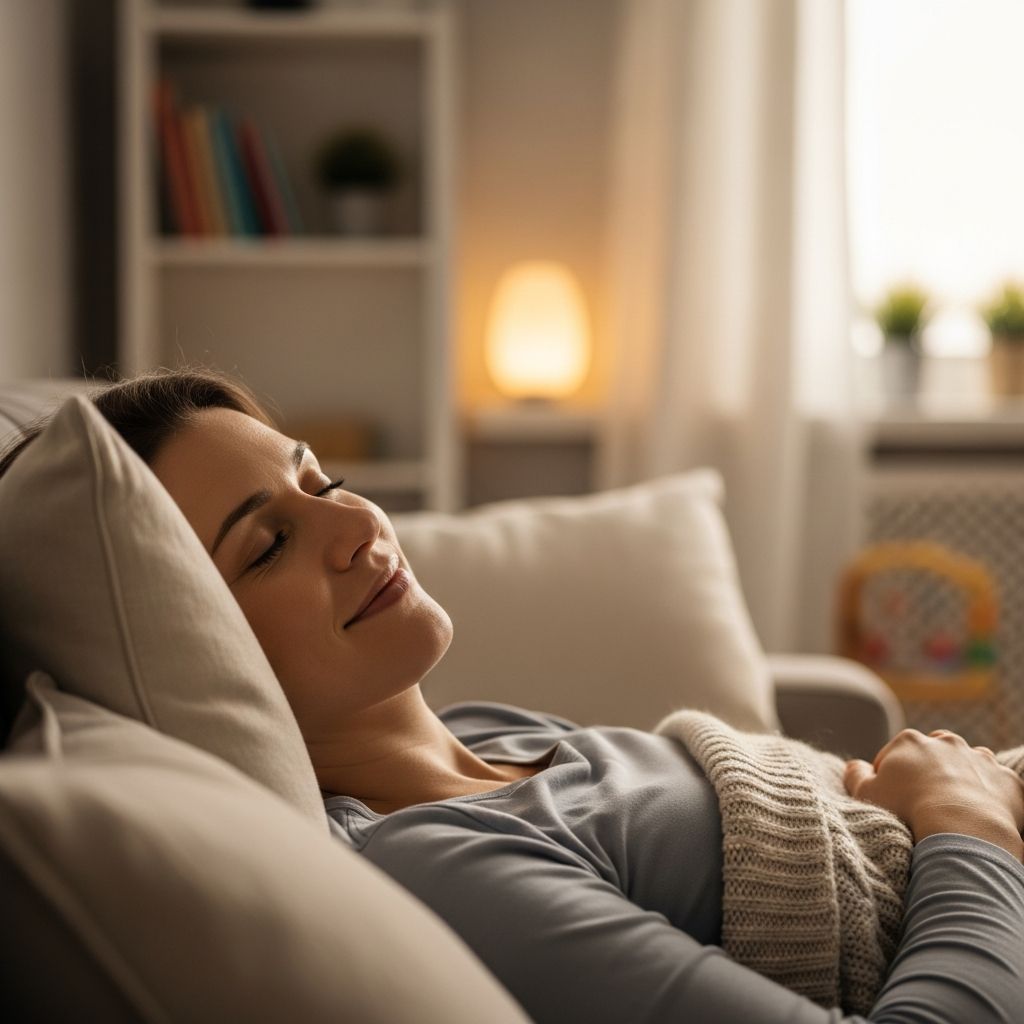
- Body Awareness Scan: Lie down and mentally travel from toes to head, noting tension spots and consciously releasing them.
These techniques, rooted in mindfulness-based stress reduction programs, provide immediate tranquility.
At-Home Spa Rituals in Under 30 Minutes
Transform your bathroom into a sanctuary using everyday items for luxurious pampering.
- Exfoliating Facial Treat: Gently scrub face with a honey-sugar mix, rinse, and apply a cool compress for glowing skin.
- Foot Soak Bliss: Fill a basin with warm water, add Epsom salts if available, and massage soles while soaking for tension release.
- Scalp Revival Massage: Use fingertips to knead scalp in circular motions for five minutes, promoting circulation and easing headaches.
Such rituals enhance self-esteem and physical comfort, as noted in dermatological wellness studies.
Quick Movement Flows for Energy Boost
Gentle exercises invigorate without exhaustion, ideal for 15-45 minute slots.
| Activity | Duration | Benefits |
|---|---|---|
| Yoga Sun Salutations | 20 min | Improves flexibility, strengthens core |
| Seated Arm Circles & Twists | 10 min | Releases upper body tension |
| Wall-Supported Leg Lifts | 15 min | Boosts circulation, tones legs |
Incorporate free online guided sessions for variety. Physical activity during breaks combats sedentary fatigue common in parenting.
Creative Outlets to Spark Joy
Tap into artistry for emotional release and fun.
- Doodle Freeform: Grab paper and pens to sketch without judgment, letting creativity flow.
- Aroma Play: Light a scented candle or diffuser, inhaling deeply to evoke calm memories.
- Playlist Curate: Compile a 20-minute feel-good music list and listen with eyes closed.
Creative pursuits activate reward centers in the brain, per neuroscientific findings.
Restorative Rest Hacks
When sleep calls, optimize it for maximum refreshment.
- Power Nap Protocol: Set a 20-minute timer, use an eye mask, and position in a dark, quiet spot.
- Legs-Up-the-Wall Pose: Lie with legs elevated against a wall for 10 minutes to drain fatigue.
- Progressive Muscle Relaxation: Tense and release muscle groups sequentially for deep calm.
Short naps improve cognitive function, according to sleep research from the National Sleep Foundation.
Nutritional Nurture Moments
Fuel your body mindfully in downtime.
- Mindful Herbal Brew: Steep chamomile or peppermint tea, sipping slowly without distractions.
- Nut Butter Snack: Spread almond butter on fruit slices for a protein-rich pick-me-up.
- Hydration Ritual: Infuse water with cucumber or lemon, drinking a full glass deliberately.
Hydration and nutrient timing support sustained energy levels.
Digital Detox and Connection Builders
- Phone-Free Zone: Place your device out of reach, embracing silence.
- Voice Note to Loved One: Record a quick affectionate message to a friend or partner.
- Affirmation Mirror Talk: Stand before a mirror, repeating three empowering statements.
Organization Wins for Mental Clarity
- Drawer Declutter: Sort one small space, discarding unneeded items.
- Tomorrow’s To-Do Sketch: Outline three priority tasks visually.
- Wardrobe Refresh: Lay out fresh clothes, folding with care.
These micro-tasks reduce cognitive load, enhancing focus.
Comparing Self-Care Categories for Nap Time
| Category | Time Needed | Energy Level | Best For |
|---|---|---|---|
| Mindful Breathing | 5-10 min | Low | Stress relief |
| Spa Rituals | 20-30 min | Medium | Physical pamper |
| Movement | 15-45 min | Medium-High | Energy boost |
| Creative | 10-30 min | Low-Medium | Joy sparking |
| Rest | 10-20 min | Low | Recovery |
Frequently Asked Questions (FAQs)
What if my child wakes early during nap time?
Have a flexible backup like deep breathing ready. Consistency builds routine, gradually extending quiet periods.
Can these ideas work for non-nap-taking kids?
Yes, adapt to quiet play or school hours. The principles apply to any brief solo window.
Do I need products for spa rituals?
No, household basics suffice. Invest minimally in favorites like salts over time.
How often should I practice self-care?
Aim daily, even five minutes. Weekly longer sessions amplify benefits.
Is exercise safe during exhaustion?
Opt for gentle flows; consult a doctor if health concerns exist.
References
- Stress in America: Generation Z — American Psychological Association. 2021-10-27. https://www.apa.org/news/press/releases/stress/2021/generation-z.pdf
- Mindfulness-Based Stress Reduction: Protocol — National Center for Complementary and Integrative Health. 2023-05-15. https://www.nccih.nih.gov/health/mindfulness-based-stress-reduction
- Self-Care Practices and Skin Health — Journal of the American Academy of Dermatology. 2022-11-01. https://www.jaad.org/article/S0190-9622(22)02845-6/fulltext
- Physical Activity Guidelines for Americans — U.S. Department of Health and Human Services. 2024-01-10. https://health.gov/our-work/physical-activity/current-guidelines
- Creativity and Mental Health — World Health Organization. 2023-06-20. https://www.who.int/news/item/20-06-2023-creativity-and-mental-health
- Sleep and Health — National Sleep Foundation. 2025-02-14. https://www.sleepfoundation.org/sleep-hygiene
- Dietary Guidelines for Americans — U.S. Department of Agriculture. 2024-12-05. https://www.dietaryguidelines.gov/
- Organizational Psychology Review — American Psychological Association. 2023-08-18. https://www.apa.org/pubs/journals/releases/org0000056.pdf