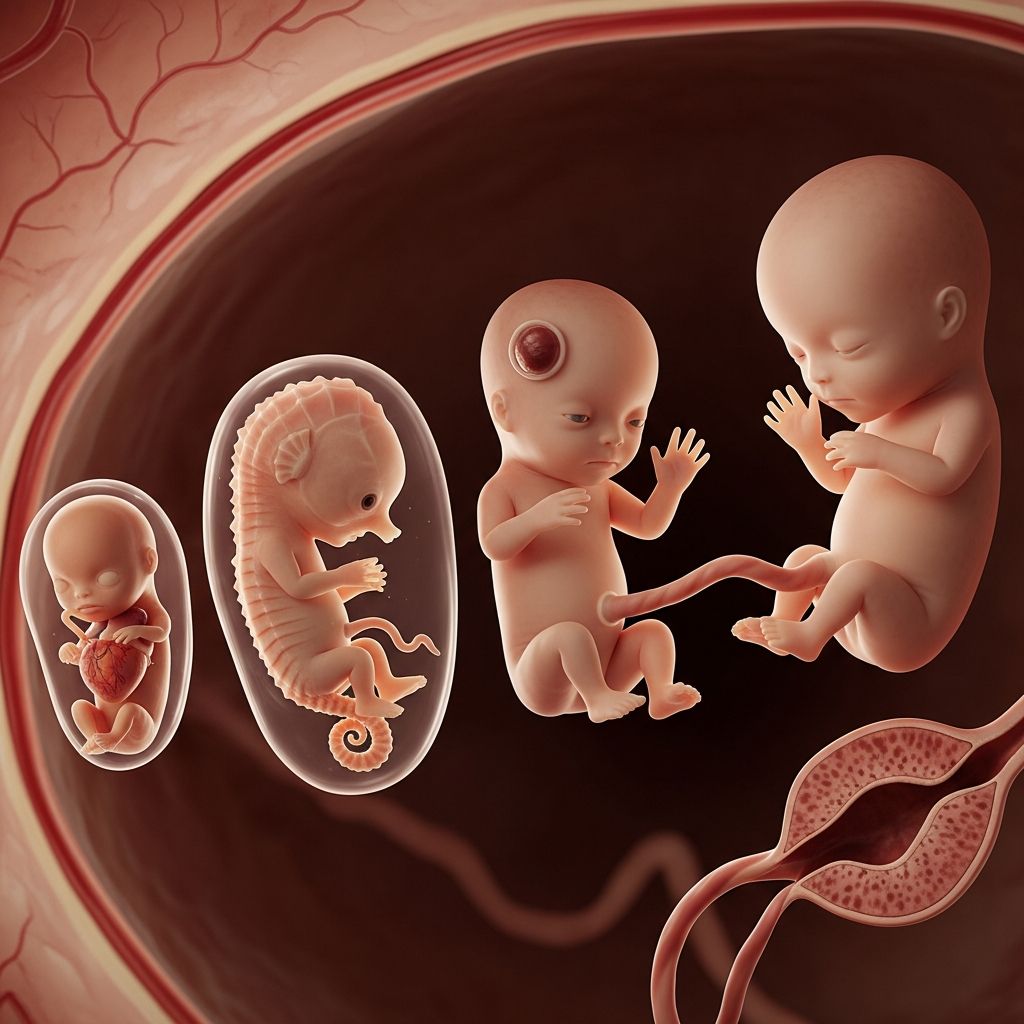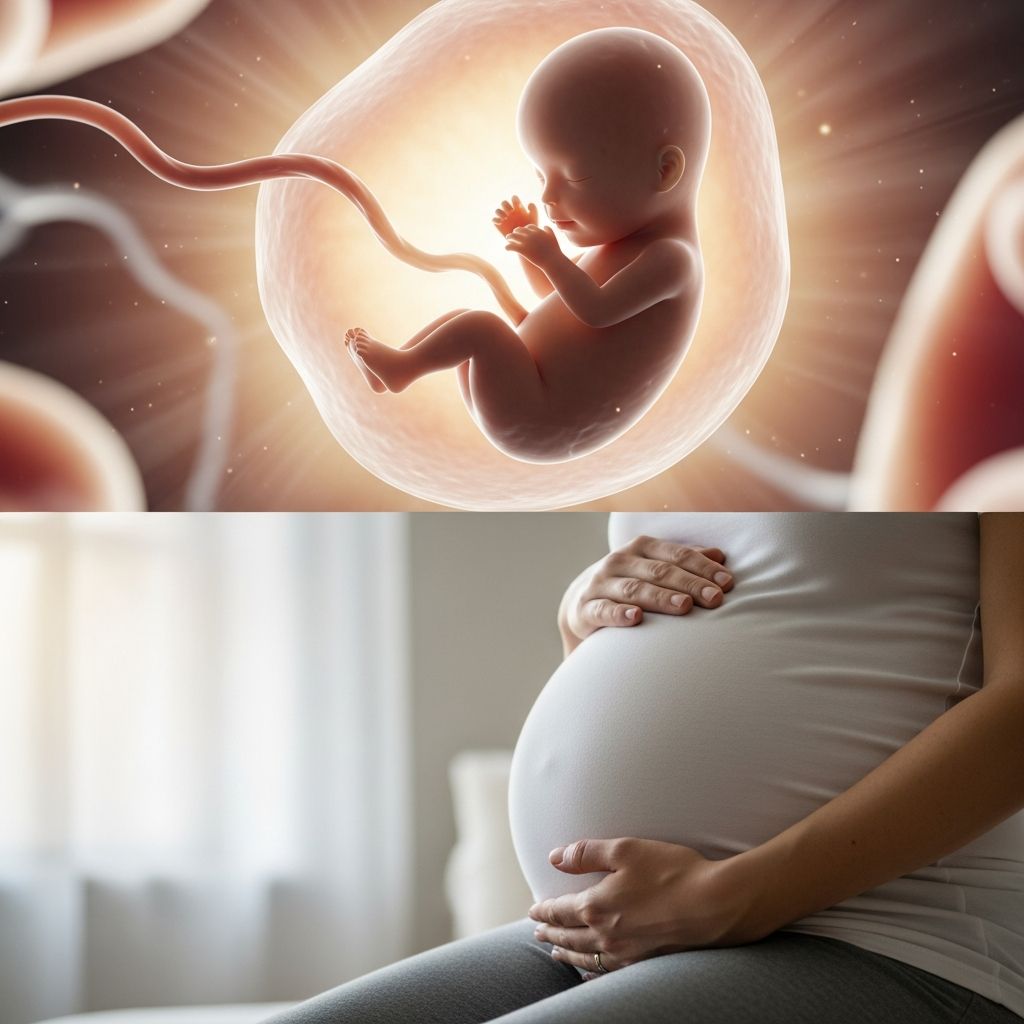
Your pregnancy has reached a pivotal point at 20 weeks, marking the halfway stage through the second trimester. This period brings thrilling fetal advancements alongside noticeable shifts in your body, offering opportunities for bonding through emerging sensations like quickening.
Fetal Growth and Development Highlights
By 20 weeks, your baby measures approximately 6.5 inches from crown to rump and weighs around 10 ounces, akin to the size of a banana or sweet potato. The tiny heart pumps about 5.5 gallons of blood daily, and bones are hardening while muscles strengthen for future movement.
The brain undergoes significant expansion, forming intricate grooves and folds to accommodate billions of neurons, laying the foundation for sensory and cognitive functions. Protective layers emerge: vernix caseosa, a creamy coating, shields delicate skin from amniotic fluid, while fine lanugo hairs help it adhere and regulate temperature.
Sweat glands develop beneath the skin, and the digestive system produces meconium, the first stool—a dark, sticky substance from swallowed fluid and cells. Genitals are fully formed, enabling potential gender revelation during ultrasound.
- Key fetal milestones: Hearing improves, responding to external noises; movements become coordinated, including hiccups and stretches.
- Lungs practice breathing motions, though filled with fluid.
- Antibodies from your bloodstream bolster the baby’s immunity.
Maternal Body Transformations at Mid-Pregnancy
Your uterus now reaches your belly button, accommodating the growing occupant and contributing to a visible bump. Weight gain typically totals 8-10 pounds by now, with expectations of 0.5-1 pound weekly thereafter, adjusted for pre-pregnancy BMI.
Hormonal surges promote hair and nail growth but may trigger itchiness on stretching skin. Vaginal discharge increases as leukorrhea—a thin, milky fluid—to maintain vaginal health; monitor for unusual odor, color, or itch signaling infection.
| Symptom | Description | Management Tips |
|---|---|---|
| Belly button shift | Innie becomes outie from skin stretching | Loose clothing; moisturize |
| Shortness of breath | Uterus presses on lungs | Rest in upright positions; deep breaths |
| Swelling (edema) | Fluid retention in legs/ankles | Elevate feet; reduce salt |
Back pain arises from posture changes and ligament loosening, while Braxton Hicks contractions—mild, irregular tightenings—practice for labor. These differ from true labor by being painless and subsiding with hydration or position changes.
Sensing Your Baby: The Magic of Quickening
Many parents first feel fluttery movements between 16-24 weeks, described as butterflies or gas bubbles evolving into distinct kicks. Factors like placenta position influence timing; anterior placentas may muffle sensations.
Track patterns post-28 weeks, noting at least 10 movements in two hours during active periods. Earlier awareness fosters emotional connection, enhancing parental well-being.
- Enhance detection: Lie quietly after meals when baby is active.
- Share the experience with partners using gentle touch.
Nutrition and Lifestyle Recommendations
Iron demands peak as blood volume expands 50%, risking anemia; incorporate spinach, lean meats, or fortified cereals. Appetite surges to fuel growth—aim for balanced plates with proteins, whole grains, fruits, and dairy.
Calcium supports bone density; vitamin D aids absorption. Stay hydrated to combat constipation and swelling. Moderate exercise like walking or prenatal yoga maintains fitness, easing discomfort.
Sleep disruptions from frequent urination, heartburn, or bump size improve with side-sleeping (left ideal for circulation), pregnancy pillows, and pre-bed snacks avoiding spice.
Medical Checkups and Screenings
The anatomy scan around 18-22 weeks assesses heart, brain, spine, and limbs for anomalies, often revealing gender. Blood tests screen for neural tube defects; discuss results thoroughly.
Monitor blood pressure, urine for protein (preeclampsia risk), and fundal height matching gestational age. Vaccinations like flu shots protect both.
Warning Signs Requiring Immediate Attention
While most 20-week pregnancies progress smoothly, vigilance prevents complications. Seek care for:
- Severe abdominal pain or cramping
- Vaginal bleeding or fluid leakage
- Persistent headaches, vision changes, or swelling
- Fever over 100.4°F or chills
- Reduced fetal movement after quickening onset
- Uncontrolled vomiting or dizziness
Emotional Well-Being and Partner Involvement
Mood swings from hormones may intensify; practice mindfulness, journal, or join support groups. Partners contribute via appointments, chores, or massages, strengthening bonds.
Prepare practically: Research childbirth classes, update insurance, and declutter nursery spaces. This milestone invites reflection on parenthood joys ahead.
Frequently Asked Questions
Is it normal not to feel baby movements at 20 weeks?
Yes, especially for first pregnancies or anterior placentas; movements typically strengthen by 24-28 weeks. Consult if concerned.
How much weight should I gain by 20 weeks?
About 8-10 pounds total, varying by starting weight; follow provider guidance for healthy increments.
Can I determine baby’s gender at this stage?
Often via ultrasound during the anatomy scan, though accuracy nears 95% post-20 weeks.
What causes increased discharge now?
Hormones boost it for protection; alert doctor to foul smell, blood, or irritation.
Are Braxton Hicks dangerous?
No, if irregular; hydrate and rest. Regular, painful ones warrant evaluation for preterm labor.
This comprehensive guide empowers informed navigation of week 20. Consult healthcare providers for personalized advice, ensuring a thriving pregnancy journey.
References
- 20 Week Pregnant: Baby Size, Symptoms & Tips — Enfamil. 2023. https://www.enfamil.com/articles/20-weeks-pregnant/
- 20 Weeks Pregnant — American Pregnancy Association. 2024-01-15. https://americanpregnancy.org/healthy-pregnancy/week-by-week/20-weeks-pregnant/
- 20 weeks pregnant: Symptoms, tips, and baby development — Flo Health. 2025-06-10. https://flo.health/pregnancy/week-by-week/20-weeks-pregnant
- 2nd trimester pregnancy: What to expect — Mayo Clinic. 2025-09-20. https://www.mayoclinic.org/healthy-lifestyle/pregnancy-week-by-week/in-depth/pregnancy/art-20047732
- Week 20 of Pregnancy: What’s Going On Inside — Kaiser Permanente. 2024-11-05. https://healthy.kaiserpermanente.org/health-wellness/health-encyclopedia/he.week-20-of-pregnancy-what’s-going-on-inside.abr7112