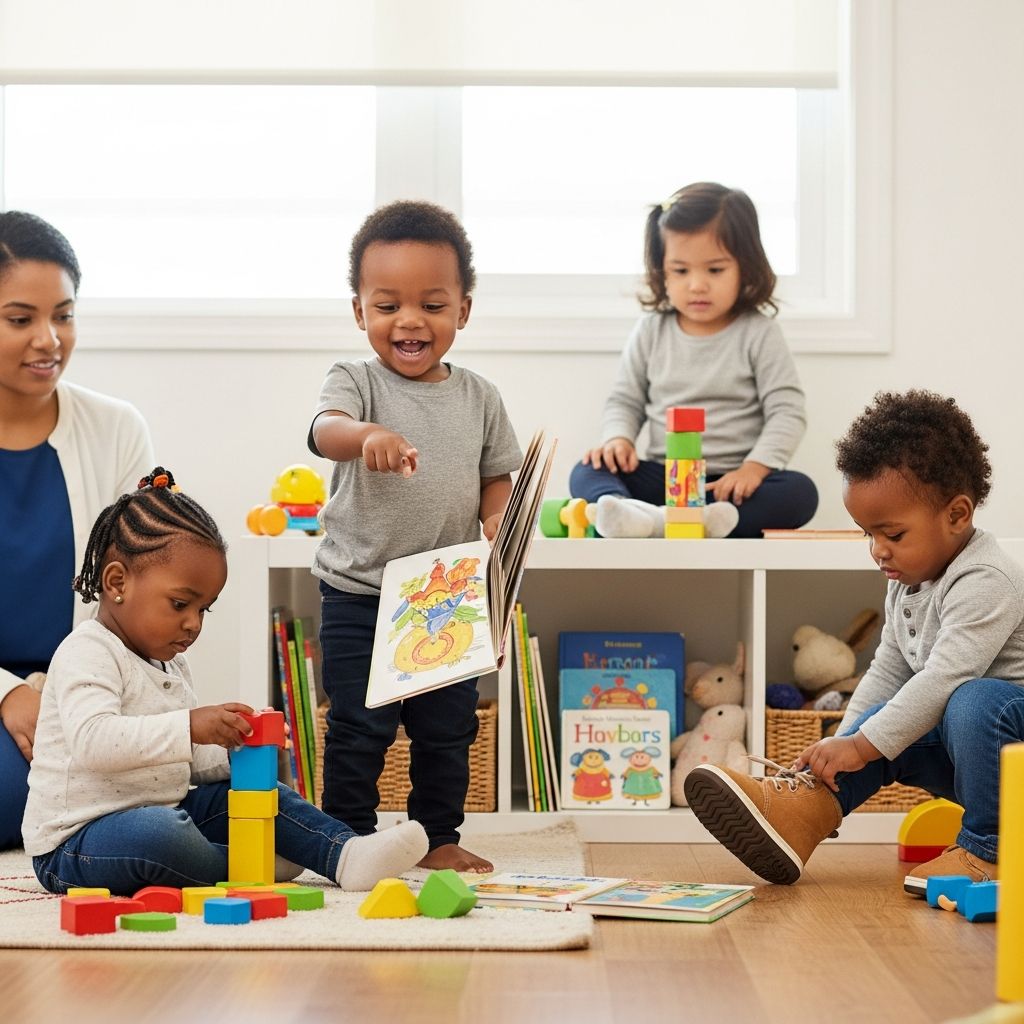
Your 2-year-old is entering a vibrant phase of exploration and independence. At this age, children typically master basic movements like running and kicking, expand their vocabulary to hundreds of words, form simple sentences, engage in pretend play, and show budding emotions such as defiance or affection. These changes reflect rapid brain and body development, supported by daily interactions and safe environments.
Physical Achievements: Building Strength and Coordination
Two-year-olds transform into active explorers, refining gross motor skills that enable them to navigate their world with confidence. They run steadily, climb playground equipment, and throw or kick balls, often with improving accuracy. Fine motor abilities also advance, allowing them to stack blocks, turn book pages, and use utensils independently.
Key physical milestones include:
- Running and walking backward or up stairs (with support)
- Kicking a large ball forward
- Standing briefly on one foot or tiptoe
- Climbing into chairs or onto furniture alone
- Building towers with 4+ blocks
- Scribbling with crayons and turning doorknobs
These skills emerge as muscles strengthen and balance improves. For instance, most can pull toys while walking or ride simple tricycles, fostering endurance during play. Nutrition plays a role too; with all primary teeth often present, they chew a variety of foods, though appetites may wane as growth steadies. Daily activity recommendations from health experts include at least 1 hour of unstructured play and 30 minutes of adult-guided exercise to support these gains.
Language and Communication Progress
Speech explodes around age 2, with vocabularies reaching 200-300 words. Toddlers combine two to three words into sentences like “more juice” or “big dog,” and name familiar objects, pictures, or body parts. They follow simple directions, point to items in books, and mimic songs or rhymes, showing comprehension of basic concepts like colors and possession (e.g., “mine”).
| Milestone | Examples | Typical Age Range |
|---|---|---|
| Vocabulary Size | 200-300 words | 24 months |
| Sentence Length | 2-3 words | 24 months |
| Understanding | Follows 2-step instructions; knows age/name | 24-30 months |
| Expression | Points/names body parts; sings simple tunes | 24 months |
Parents can nurture this by reading daily, narrating routines, and responding to babble. Clearer pronunciation helps strangers understand them partially. If a child uses fewer than 50 words or no two-word phrases by 24 months, consult a pediatrician.
Social and Emotional Foundations
Emotions intensify as toddlers assert independence, leading to tantrums when frustrated. They imitate adults, play alongside peers (parallel play), show affection, and recognize others’ feelings—like pausing when someone cries. Defiance grows as they test boundaries, but they also seek comfort during separation anxiety.
- Excited by other children; copies behaviors
- Shows pride (“Look at me!”) and defiance
- Engages in simple pretend play (e.g., feeding a doll)
- Recognizes self in mirror; says own name/age/gender
To support emotional health, offer choices (“red shirt or blue?”), praise efforts, and maintain consistent routines. Safe spaces for big feelings prevent meltdowns.
Cognitive and Problem-Solving Advances
Cognitive growth shines in sorting shapes/colors, completing simple puzzles, and finding hidden objects. Make-believe play begins, like pretending a block is a car. They count to three, problem-solve basic tasks (e.g., fitting shapes), and show hand preference.
Activities to boost thinking:
- Shape sorters and nesting toys
- Books with textures or flaps
- Simple matching games
- Household chores like sorting laundry
These build neural connections through trial and error.
Daily Routines and Self-Care Skills
Independence blooms in self-feeding with spoons, drinking from cups/straws, and partial undressing. Potty interest may start, with some achieving bladder control. Sleep needs: 10-12 hours nightly plus naps.
Hygiene tips:
- Practice handwashing with songs
- Introduce potty during readiness signs
- Encourage wiping nose or dressing lower body
Finger foods and family meals promote healthy eating amid picky phases.
Playtime Strategies for Optimal Growth
Play is a toddler’s work. Outdoor time builds gross motor skills; indoor crafts hone fine ones. Limit screens; prioritize interactive toys like balls, blocks, dough, and ride-ons.
- Follow-the-leader for social skills
- Bubble play for coordination
- Family photo storytelling for language
- Pretend play with boxes as houses
Such activities align with guidelines for active, social days.
Health and Safety Essentials
Create hazard-free zones: secure furniture, gate stairs, supervise water play. Childproof outlets and cabinets as they turn knobs. Regular checkups track milestones; vaccines protect against illnesses.
Red flags warranting professional input:
- No 15+ words by 18 months or two-word sentences by 24
- Toe-walking persistently
- No interest in peers or play
- Loss of skills
Frequently Asked Questions
Is my 2-year-old on track if they throw frequent tantrums?
Yes, tantrums are normal as they learn self-control. Offer calm responses and alternatives to teach regulation.
How much screen time is safe?
Limit to under 1 hour daily of high-quality content; prioritize real interactions.
When should potty training begin?
Start when interested (around 2-3 years); stay dry for hours signals readiness.
What if my child lags in speech?
Monitor; if under 50 words or no phrases by 24 months, see a doctor for evaluation.
How to encourage physical activity?
Aim for 1+ hours play daily: parks, dancing, ball games build strength safely.
References
- Developmental Milestones — Children’s Hospital of Philadelphia. 2023. https://www.chop.edu/primary-care/developmental-milestones
- 2 Year Old Child Development Milestones — CHOC. 2021-06-01. https://choc.org/ages-stages/2-years/
- Developmental Milestones – From Age 2 to Age 4 — Atlanta Children’s Clinic. 2023. https://www.atlchildrens.com/developmental-milestones—from-age-2-to-age-4
- Your Child’s Development: 2.5 Years (30 Months) — KidsHealth. 2023. https://kidshealth.org/en/parents/development-30mos.html
- Milestones by 2 Years — CDC. 2023. https://www.cdc.gov/act-early/milestones/2-years.html
- Developmental Milestones: 2 Year Olds — HealthyChildren.org (AAP). 2023. https://www.healthychildren.org/English/ages-stages/toddler/Pages/Developmental-Milestones-2-Year-Olds.aspx