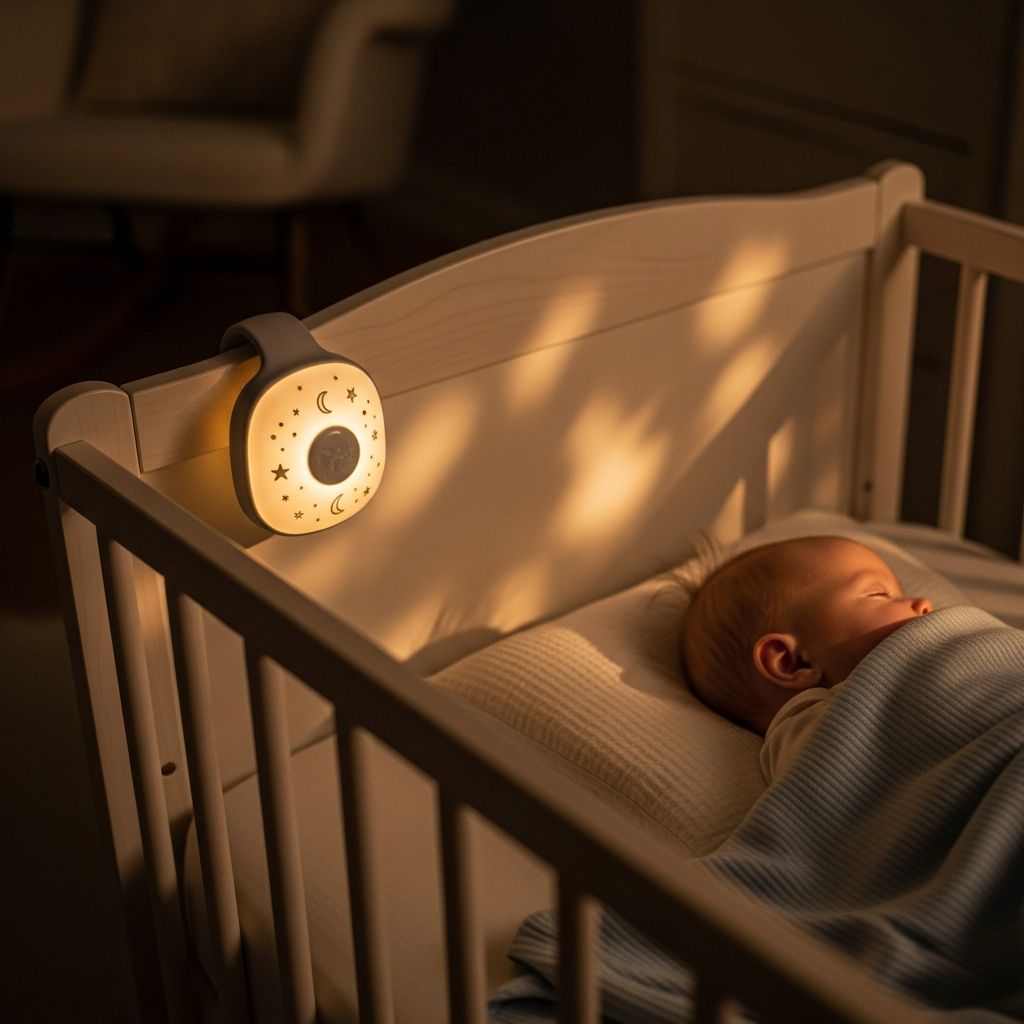
Understanding Your 2-Month-Old’s Sleep Needs
At two months, your baby is rapidly developing, and their sleep patterns are beginning to shift. Most babies at this age need between 14 and 17 hours of sleep in a 24-hour period, with about 9 hours occurring at night and the remainder spread across several daytime naps. While some babies may start to sleep for longer stretches at night, it’s still common for sleep to be interrupted by feeding and comfort needs.
Typical Sleep Schedule for a 2-Month-Old
A 2-month-old’s sleep schedule is flexible and varies from baby to baby. Most infants will take 4 to 6 naps during the day, with each nap lasting anywhere from 20 minutes to 2 hours. The total daytime sleep usually adds up to about 5 to 6 hours, while nighttime sleep can range from 8 to 10 hours, often with one or two awakenings for feeding.
- Wake windows (time between naps) are typically 60 to 90 minutes.
- Bedtime can vary, but many babies do best with a bedtime between 7:00 PM and 10:00 PM.
- Short naps are normal and developmentally appropriate at this age.
Developmental Milestones at 2 Months
Alongside changes in sleep, your baby is reaching important developmental milestones. At two months, you may notice:
- Improved head control, such as holding their head up briefly during tummy time.
- Increased movement of arms and legs, and more coordinated motions.
- Smiling in response to familiar faces and voices.
- Beginning to make cooing and gurgling sounds.
- Reaching for and attempting to grasp objects, such as their own hands or feet.
Common Sleep Challenges and Solutions
It’s normal for parents to face sleep challenges with a 2-month-old. Some common issues include:
- Short naps: Babies often nap for less than an hour, which is typical at this age. Try to respond to sleepy cues promptly and create a calm environment for naps.
- Difficulty settling at night: If your baby is fussy or overtired, consider an earlier bedtime or a calming pre-sleep routine.
- Awake at night: Most babies wake for feeding or comfort. If your baby is gaining weight appropriately, it’s okay to let them sleep longer stretches if they show readiness.
Sample Daily Sleep Schedule
Here’s an example of how a 2-month-old’s day might look:
| Activity | Time | Duration |
|---|---|---|
| Wake up | 8:00 AM | – |
| 1st Nap | 9:15 AM | 1 hour |
| 2nd Nap | 11:30 AM | 1.25 hours |
| 3rd Nap | 2:00 PM | 1.5 hours |
| 4th Nap | 4:30 PM | 1 hour |
| 5th Nap | 7:15 PM | 30 minutes |
| Bedtime | 9:30 PM | – |
Note: This is just a sample. Adjust based on your baby’s cues and needs.
Supporting Healthy Sleep Habits
Creating a supportive environment for sleep can help your baby develop healthy habits:
- Establish a consistent bedtime routine, such as a bath, feeding, and quiet time.
- Watch for sleepy cues like rubbing eyes, yawning, or fussiness.
- Keep the sleep environment calm, dark, and quiet.
- Respond to your baby’s needs promptly, but avoid overstimulation before sleep.
Frequently Asked Questions
How much sleep should a 2-month-old get?
A 2-month-old typically needs 14 to 17 hours of sleep in a 24-hour period, with about 9 hours at night and 5 to 6 hours during the day.
How many naps should a 2-month-old take?
Most 2-month-olds take 4 to 6 naps per day, with each nap lasting from 20 minutes to 2 hours.
Is it normal for my baby to wake up at night?
Yes, it’s normal for babies to wake up at night for feeding or comfort. Most babies at this age will wake one or two times during the night.
When should I be concerned about my baby’s sleep?
If your baby is not gaining weight, seems excessively fussy, or has difficulty settling, consult your pediatrician. Otherwise, frequent waking and short naps are typical at this age.
Can I help my baby sleep longer stretches at night?
Some babies begin to sleep longer at night around 2 months, but it’s important to follow your baby’s cues and ensure they are gaining weight appropriately. If your baby is ready, you can gradually extend nighttime sleep.