At two months, infants enter an exciting phase of rapid development, showing clearer signs of awareness, strength, and interaction with their surroundings. Parents often notice their little ones becoming more responsive and engaging, marking a shift from the newborn stage to more purposeful behaviors.
Emerging Social Connections
One of the most rewarding moments around this age is witnessing your baby’s first genuine social smiles. These **social smiles** appear in response to familiar faces, voices, or gentle interactions, signaling emotional recognition and joy. Your baby may light up when you enter the room, calm down from cries upon hearing your voice, or gaze intently at your face, fostering the vital parent-child bond.
Babies at this stage also begin differentiating cries for needs like hunger or discomfort, using facial expressions to communicate feelings such as interest or distress. Chuckles or cooing may emerge, enhancing these early exchanges.
Communication Breakthroughs
Vocalizations evolve significantly by two months. Infants start producing **cooing sounds**—soft, vowel-like noises such as ‘ooh’ or ‘aah’—especially during playful talks with caregivers. Responding to these encourages longer ‘conversations,’ boosting language foundations.
They become more attentive to sounds, turning their head toward noises like a rattle or your voice. This heightened auditory awareness pairs with visual tracking, as babies follow moving objects or faces, imitating smiles or sounds in return.
- Repeats vowel sounds during interactions
- Turns toward familiar voices or nearby sounds
- Smiles back at smiling faces
- Shows varied emotional expressions
Physical Strength and Motor Advances
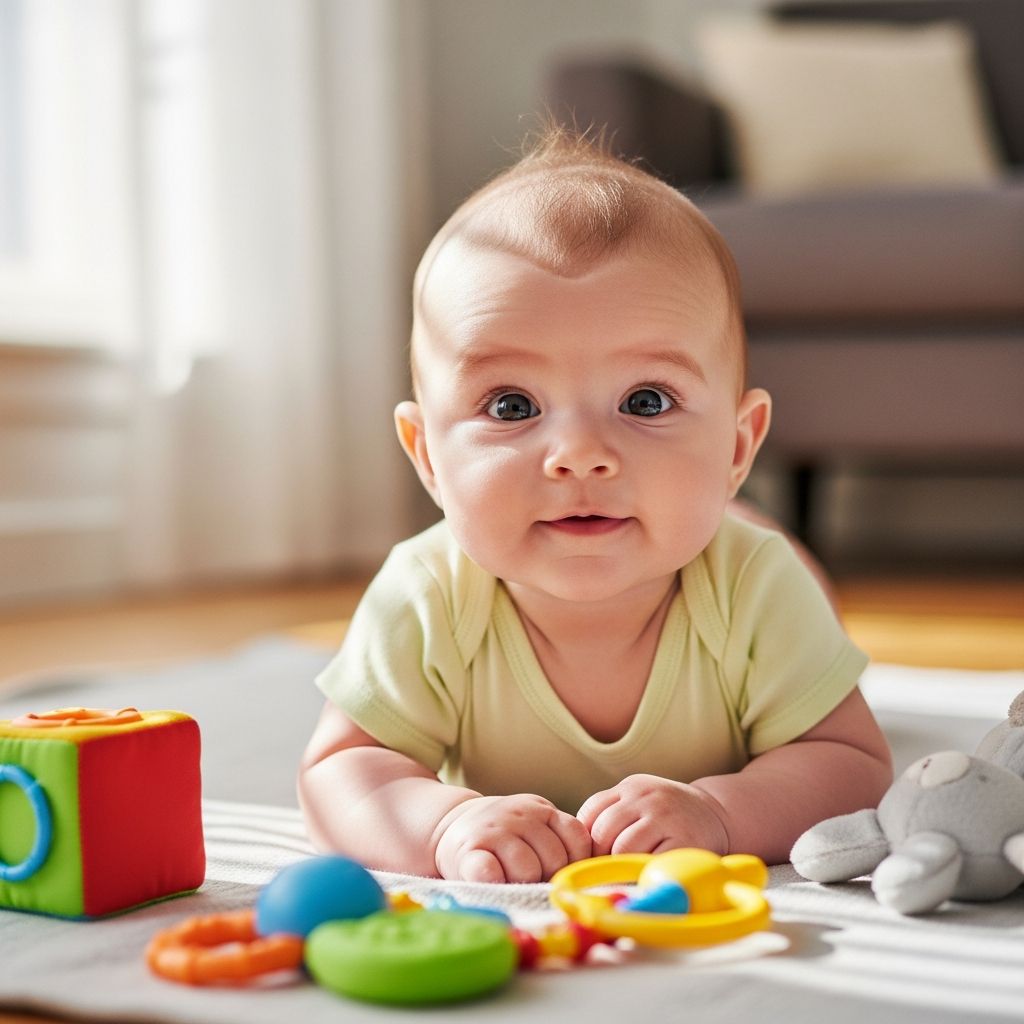
Motor skills transition from reflexive jerks to smoother, intentional movements. During **tummy time**, babies can lift and hold their head at a 45-degree angle, pushing up with arms for brief periods. This builds neck and upper body strength essential for future milestones like sitting.
Arms and legs move purposefully: babies open and close fists, kick legs while bending knees, and may discover their hands by bringing them to the mouth for self-soothing. When held upright, they might briefly support their head or push against surfaces.
| Milestone | Description | Benefits |
|---|---|---|
| Head Control | Lifts head 45 degrees on tummy | Strengthens neck muscles |
| Limb Movements | Smooth arm/leg kicks, hand opening | Improves coordination |
| Hand Awareness | Sucks on fists, grasps briefly | Develops self-soothing |
Sensory Development: Sight and Sound
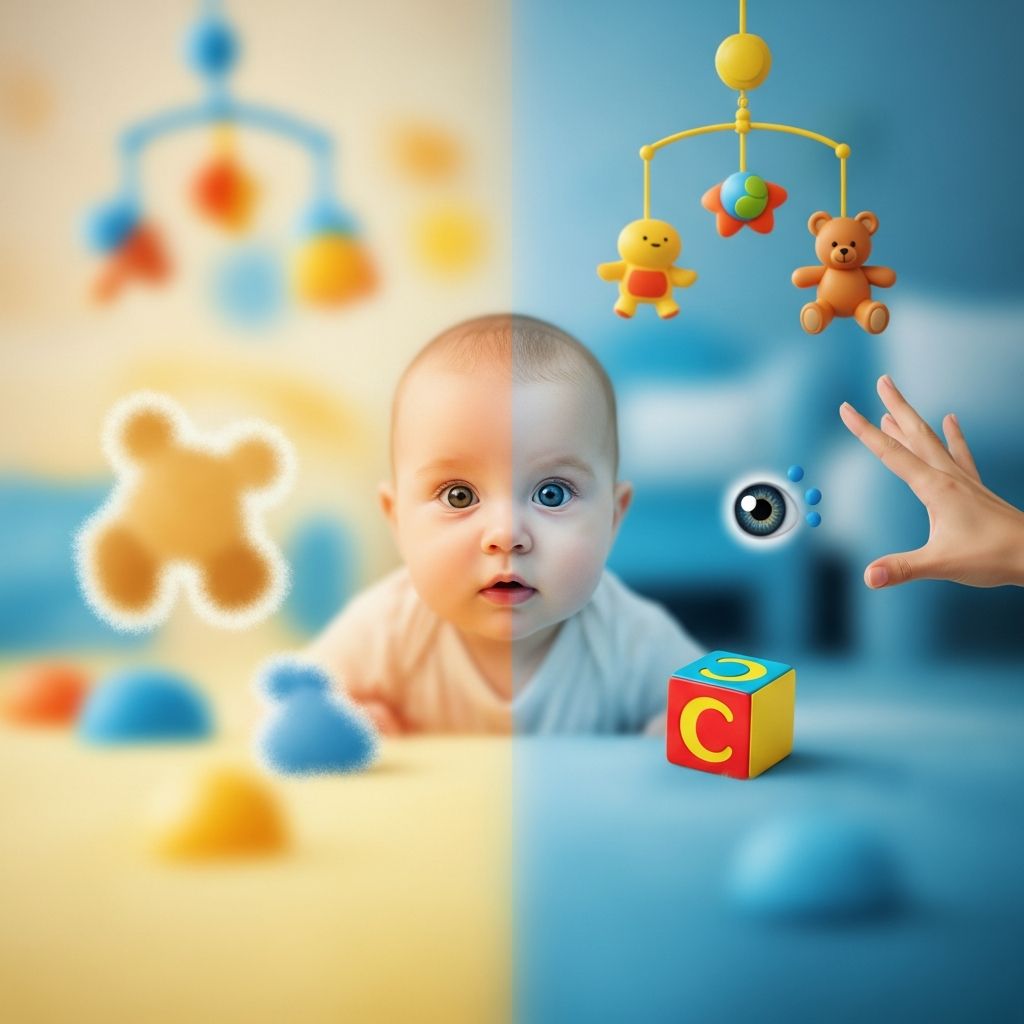
Visual acuity sharpens, allowing babies to focus on objects 8-12 inches away, track arcs or circles, and prefer high-contrast patterns or faces. By two months, they distinguish some colors and make direct eye contact, smiling in response.
Hearing refines too; infants react to subtle sounds, localizing noises, and showing delight in music or rhythmic speech. These sensory gains support cognitive growth, as babies process their environment more actively.
Sleep Patterns and Daily Routines
Sleep stretches longer at night, sometimes 6-8 hours uninterrupted, though night wakings remain common. Total daily sleep averages 14-17 hours, with more predictable cycles emerging.
Feeding increases to 24-32 ounces of breast milk or formula daily, every 2-3 hours. Wet diapers (6+ per day) and steady weight gain confirm nourishment.
Typical Growth Measurements
Average two-month-olds weigh 11-15 pounds, measure 21-24 inches, and have doubled birth weight. Boys tend slightly larger; girls catch up later. The posterior fontanelle begins closing, and head circumference grows steadily.
Track progress at well-child visits; variations are normal, but consistent patterns matter most.
Activities to Boost Development
Daily **tummy time** (3-5 sessions of 3-5 minutes) is crucial—place baby on a firm surface with toys or mirrors to entice lifting. Never leave unattended; always back-sleep for safety.
Reading aloud exposes them to language rhythms; choose board books with bold images. Sing songs, mimic sounds, and make eye contact during feeds or play to reinforce bonds.
- Talk face-to-face, exaggerating expressions
- Shake soft rattles for sound tracking
- Provide black-and-white toys for vision
- Gently bicycle legs to aid digestion/mobility
Health Checkups and Vaccinations
The two-month pediatric visit assesses growth, milestones, and administers vaccines like DTaP, Hib, IPV, PCV13, RV, and HepB. Screen for vision/hearing; discuss feeding/sleep concerns.
Common issues: reflux, colic (peaking now, easing by 3-4 months). Consult if excessive fussiness persists.
When to Reach Out to Your Doctor
Most babies hit milestones variably, but alert your provider if:
- No social smiles or soothing by voice
- Can’t hold head up briefly on tummy
- Doesn’t track faces/objects
- Feels stiff/floppy or favors one body side
- Feeding issues or fewer than 6 wet diapers/day
Early intervention via programs like CDC’s Learn the Signs. Act Early ensures timely support.
Frequently Asked Questions
Does every 2-month-old sleep through the night?
No, many still wake for feeds; longer stretches are common but not universal. Prioritize safe sleep practices.
How much tummy time is enough?
Aim for 15-20 minutes total daily, split into short sessions. Supervise closely to prevent rolling risks.
What if my baby isn’t cooing yet?
Some start at 3 months; interact daily to encourage. Discuss at checkups if concerned.
Can I use baby walkers?
Avoid them; they delay walking and pose injury risks. Focus on floor time.
How often should I read to my baby?
Daily, even briefly—builds vocabulary and attachment.
This phase blends wonder with vigilance. Celebrate small victories while nurturing growth patiently. Every baby progresses uniquely, guided by responsive care.
References
- Milestones For A 2-Month-Old Baby — Illinois Cares for Kids. 2023-10-15. https://www.illinoiscaresforkids.org/blog/milestones-for-a-2-month-old-baby
- Infant development: Birth to 3 months — Mayo Clinic. 2025-08-12. https://www.mayoclinic.org/healthy-lifestyle/infant-and-toddler-health/in-depth/infant-development/art-20048012
- Milestones by 2 Months — Centers for Disease Control and Prevention (CDC). 2025-06-01. https://www.cdc.gov/act-early/milestones/2-months.html
- Baby development at 2-3 months — Raising Children Network. 2024-11-20. https://raisingchildren.net.au/newborns/development/development-tracker/2-3-months
- Baby Developmental Milestones By Month — Cleveland Clinic. 2025-03-10. https://my.clevelandclinic.org/health/articles/22063-baby-development-milestones-safety