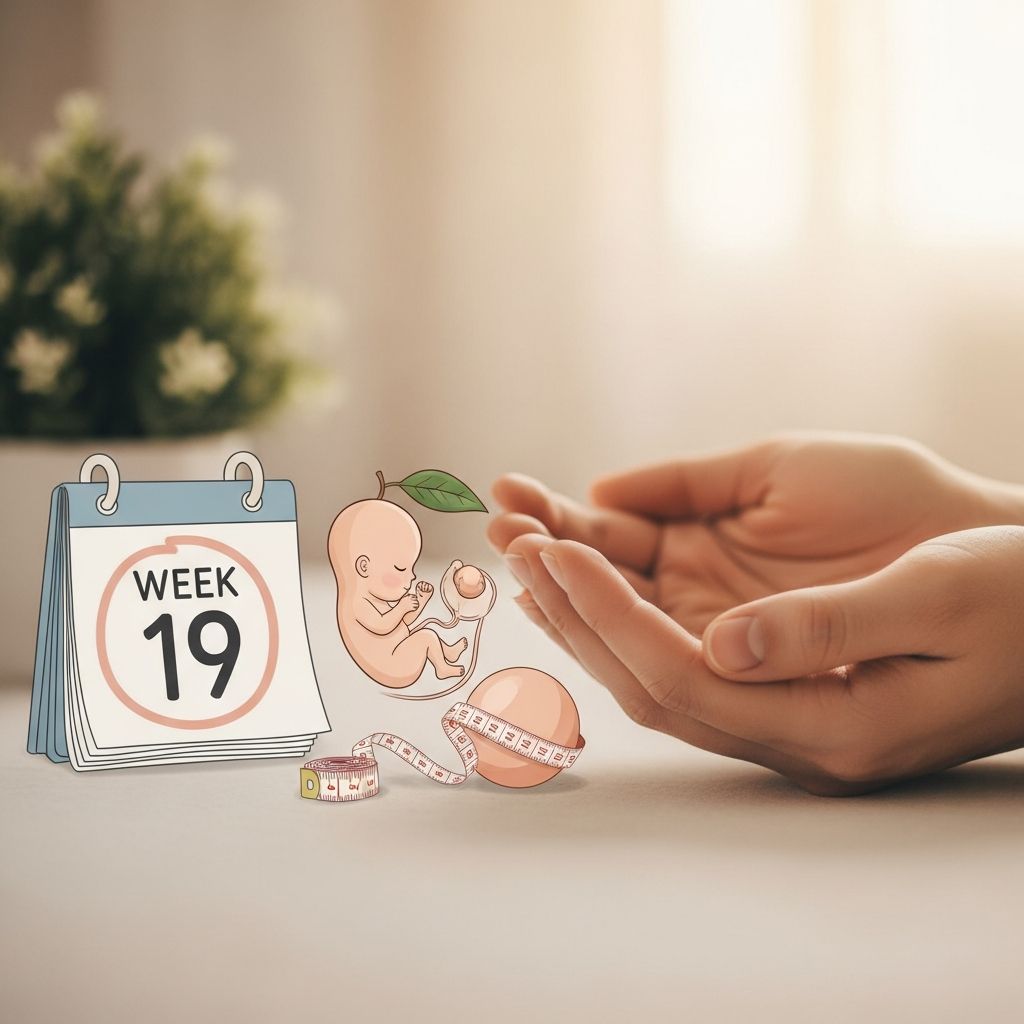
Your pregnancy journey reaches an exciting phase at 19 weeks, marking the heart of the second trimester. Your baby is growing rapidly, developing key features, and you may start noticing more pronounced movements. This period brings a mix of joy from feeling those first flutters and challenges from bodily adjustments. Understanding these changes empowers you to prioritize health and comfort effectively.
Fetal Growth and Milestones at 19 Weeks
By week 19, your baby measures approximately 6 inches from crown to rump, comparable to a medium mango, and weighs around 8-10 ounces. This growth spurt supports the formation of vital systems. Nerve cells connect with muscles, enabling coordinated movements like kicking and stretching. Bones continue to harden, while arms and legs elongate for better mobility within the amniotic sac.
The skin receives protection from vernix caseosa, a creamy coating that shields it from amniotic fluid and potential scratches. Lanugo, fine hair, covers the body for temperature regulation, and scalp hair along with eyebrows begin to appear. Sensory organs advance significantly: taste buds form on the tongue, the ears position correctly for hearing, and eyes develop light sensitivity despite fused eyelids.
- Size and Weight: 6 inches long, 8-10 ounces – ideal for ultrasound visualization.
- Movement: Increasing activity patterns, including sleep-wake cycles.
- Protective Layers: Vernix and lanugo for skin and warmth.
- Sensory Progress: All five senses – touch, taste, smell, hearing, sight – maturing rapidly.
These developments prepare your baby for external life, with the anatomy scan often scheduled around this time to assess structure and possibly determine sex.
Maternal Body Changes and Common Discomforts
As your uterus expands, your body adapts to support this growth, leading to noticeable shifts. The belly bump becomes prominent, prompting posture changes that can strain muscles. Blood volume doubles, enhancing circulation but sometimes causing dizziness, especially when standing quickly.
Round ligament pain emerges as ligaments stretch, causing sharp twinges in the lower abdomen or groin. Backaches intensify from added weight and shifted center of gravity. Dry, itchy skin on the abdomen results from rapid stretching, while pregnancy brain – forgetfulness and fog – affects cognition due to hormonal fluctuations.
| Symptom | Description | Prevalence |
|---|---|---|
| Leg Cramps | Painful muscle contractions, often nocturnal, linked to electrolyte imbalances or circulation. | Up to 50% of pregnancies |
| Back Pain | Achy lower back from posture shifts and uterine pressure. | Common in second trimester |
| Dizziness | Lightheadedness from blood pressure drops or dehydration. | Frequent with position changes |
| Round Ligament Pain | Sharp abdominal stabs during movement. | Peak at 19 weeks |
Sleep disruptions arise from frequent urination, leg cramps, and belly size. Palms may redden from estrogen surges, and linea nigra – a dark midline – appears due to progesterone.
Feeling Your Baby’s First Movements
Quickening, the initial flutters, often begins between weeks 18-20, feeling like butterflies or gas. These evolve into distinct kicks as baby strengthens. Track patterns: active periods alternate with rest. Kick counts help monitor well-being – aim for 10 movements in 2 hours during active times. Consult your doctor if patterns change.
This milestone fosters bonding. Share the experience with partners through belly-touching or using apps for movement logging.
Nutrition Essentials for Optimal Development
Fuel your baby’s growth with balanced intake. Caloric needs increase by 300-350 daily in the second trimester. Prioritize proteins for tissue building, calcium for bones, iron for blood production, and omega-3s for brain health.
- Proteins: Lean meats, eggs, beans – 70g daily.
- Dairy/Calcium: Yogurt, milk, fortified alternatives – 1,000mg/day.
- Iron-Rich Foods: Spinach, red meat with vitamin C for absorption.
- Hydration: 10 cups water to combat cramps and dizziness.
Address leg cramps with potassium (bananas), magnesium (nuts), and sodium balance. Prenatal vitamins bridge gaps.
Exercise and Physical Wellness Strategies
Stay active to alleviate aches and boost mood. Low-impact activities like walking, swimming, or prenatal yoga strengthen core and improve circulation. Aim for 30 minutes most days, with doctor approval.
Stretches target common pains:
- Cat-Cow Pose: Eases back tension.
- Pelvic Tilts: Supports posture.
- Calf Stretches: Prevents cramps – hold 30 seconds.
Avoid high-risk sports. Support belts aid ligament pain.
Prenatal Appointments and Screenings
Week 19 often precedes the anatomy ultrasound (18-22 weeks), checking organs, limbs, and placenta. Discuss symptoms, weight, and fundal height. Blood tests monitor anemia or glucose. Anatomy scans reveal gender if desired.
Emotional Health and Partner Involvement
Hormones amplify emotions; pregnancy brain adds frustration. Practice mindfulness, journal, or join support groups. Involve partners in classes or scans for shared excitement. Communicate needs openly.
Self-Care Practices for Comfort
Pamper your body: moisturize itchy skin with fragrance-free lotions, use body pillows for side-sleeping, and elevate feet for swelling. Warm baths soothe muscles; avoid hot water.
Manage pregnancy brain with lists, routines, and rest. Nasal strips help congestion from increased blood flow.
Frequently Asked Questions
Is it normal to feel baby kicks at 19 weeks?
Yes, quickening starts now for many, evolving to stronger movements. Track for consistency.
How can I relieve round ligament pain?
Rest, gentle stretches, and maternity supports ease stretching discomfort.
Why do leg cramps happen at night?
Circulation changes, low minerals; hydrate and stretch calves before bed.
Should I worry about dizziness?
Common from dehydration or pressure drops; eat small meals, rise slowly.
What if I don’t feel movements yet?
Normal variation; first-time moms may notice later. Consult if concerned post-20 weeks.
References
- 19 Week Pregnant: Baby Size, Symptoms & Tips — Enfamil. 2023. https://www.enfamil.com/articles/19-weeks-pregnant/
- 19 Weeks Pregnant — American Pregnancy Association. 2024-01-15. https://americanpregnancy.org/healthy-pregnancy/week-by-week/19-weeks-pregnant/
- 19 Weeks Pregnant: Signs, Symptoms, and What to Expect — Perelel Health. 2024. https://perelelhealth.com/blogs/news/19-weeks-pregnant-symptoms
- Week 19: What to Expect During Your Pregnancy — YouTube (Health Channel). 2023-05-10. https://www.youtube.com/watch?v=JsCLszuUk4s
- 19 Weeks Pregnant: Baby Development, Symptoms and Tips — The Bump. 2024. https://www.thebump.com/pregnancy-week-by-week/19-weeks-pregnant
- Pregnancy Calendar: Week 19 — Nemours KidsHealth. 2023-11-20. https://kidshealth.org/en/parents/week19.html
- Your Developing Baby – Week 19 — Kaiser Permanente. 2024. https://healthy.kaiserpermanente.org/hawaii/health-wellness/healtharticle.your-developing-baby-week-19