The 18-month well-child visit is a key moment to check your toddler’s growth, development, and safety as they move deeper into the toddler years. This guide explains what happens during the visit, how to prepare, and what topics to discuss so you leave feeling informed and confident.
Why the 18-Month Visit Matters
At 18 months, many toddlers are constantly on the move, exploring their surroundings, learning new words, and showing big emotions. The visit helps your child’s health care provider see how your toddler is growing physically, emotionally, and socially, and spot any concerns early.
This checkup is also a chance for you to ask questions, share worries, and get practical advice about behavior, sleep, feeding, safety, and more. Think of it as a partnership visit: you know your child best, and the provider brings medical and developmental expertise to support your family.
How to Get Ready Before the Appointment
A little preparation can make the visit smoother for you and your toddler. Planning ahead helps you remember important questions and gives your child a better chance of being calm during the exam.
- Schedule the appointment at a time when your toddler is usually rested and fed (avoid nap time if possible).
- Bring a list of questions or concerns about behavior, development, sleep, eating, or safety.
- Pack essentials: extra diapers, wipes, a snack if allowed, and a comfort item like a favorite stuffed animal or blanket.
- Have a record of any recent illnesses, medications, allergies, or visits to other health providers.
- If both caregivers cannot attend, share notes afterward so everyone stays informed.
What Happens During the 18-Month Checkup
While every clinic is a bit different, most 18-month visits follow a similar flow. Understanding the steps can help you prepare your toddler and ease your own worries.
Growth Measurements
The visit typically begins with basic measurements that show how your toddler is growing. These numbers are compared with growth charts to look at patterns over time, not to rank your child against others.
- Weight: often measured on a baby or toddler scale without shoes and heavy clothing.
- Length/height: measured lying down or standing, depending on your child and clinic equipment.
- Head circumference: used to track brain and skull growth during the first few years.
Physical Examination
The provider will perform a head-to-toe exam to check your child’s overall health. You are usually encouraged to stay close, talk to your child, and offer comfort.
- Eyes, ears, nose, and throat are checked for infection, structure problems, and how well your child responds to sights and sounds.
- Heart and lungs are listened to with a stethoscope to detect abnormal sounds like murmurs or wheezing.
- Abdomen is gently pressed to check internal organs and watch for pain or swelling.
- Skin, muscles, and joints are checked for rashes, bruises, birthmarks, and normal movement.
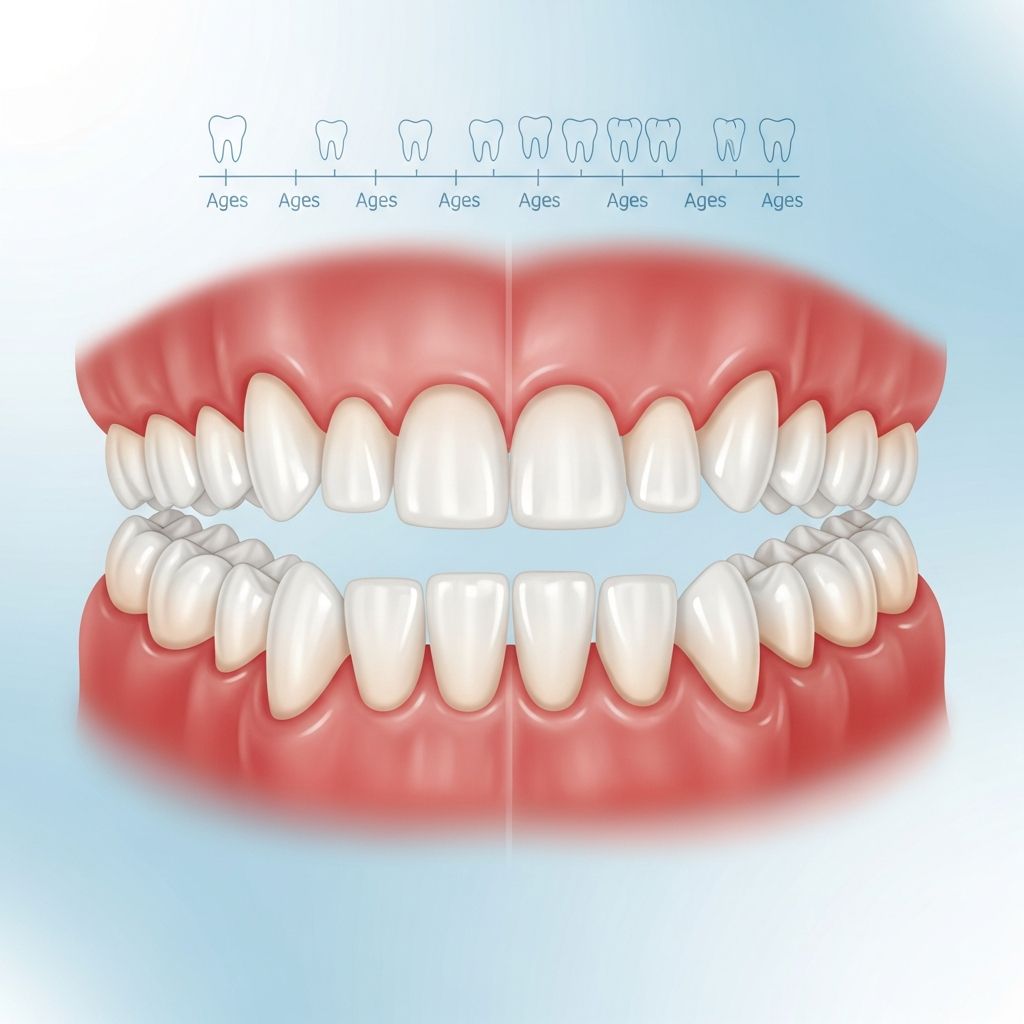
- Teeth and gums are examined for early signs of cavities and overall oral health.
Development and Behavior: Key Topics at 18 Months
Beyond physical health, the 18-month visit focuses heavily on how your toddler is learning, moving, and interacting. Many providers use screening questionnaires or ask you targeted questions about everyday behavior.
Communication and Language
Language development varies widely, but by around 18 months many toddlers use a handful of words and understand much more than they can say. The provider will want to know how your child communicates needs and responds to your voice.
- Does your child point, gesture, or bring objects to show you things?
- Can your child follow simple requests like “bring the ball” or “come here”?
- Are new words slowly appearing, even if the pronunciation is not clear?
- Does your toddler look when you call their name most of the time?
Movement and Coordination
Toddlers at this age often surprise families with how quickly they move. The visit is a chance to see whether your child’s large and small movements are on track and safe.
- Is your child walking independently or cruising while holding onto furniture?
- Can they bend down to pick up a toy and stand back up without falling?
- Do they attempt to climb onto low furniture, steps, or playground equipment?
- Can they grasp small objects with fingers, scribble with a crayon, or try to feed themselves?
Social and Emotional Skills
Emotions grow quickly at 18 months, and toddlers are learning how to express likes, dislikes, and frustration. Providers look for signs that your child is forming strong bonds and learning basic social skills.
- Does your toddler show affection to familiar people, like hugs or bringing you toys?
- Are they wary of strangers but comforted by you?
- Do they copy your actions, such as sweeping, talking on a pretend phone, or feeding a doll?
- How often do tantrums occur, and what seems to trigger them?
Screening for Delays and Autism
Many health care providers use standardized questionnaires at 18 months to screen for developmental delays, including early signs of autism spectrum disorder. These screenings do not give a diagnosis but help identify whether a closer look would be helpful.
- Expect questions about eye contact, pointing, pretend play, and response to your voice.
- Share any concerns you have about your child’s social engagement, language, or loss of skills.
- If the screening suggests a concern, the provider may recommend additional evaluations or early intervention services.
Nutrition, Feeding, and Healthy Habits
Feeding a toddler can feel like a roller coaster—many parents notice that appetite seems smaller compared with the first year. At 18 months, the goal is to encourage a balanced, flexible eating routine rather than perfection at each meal.
Typical Eating Patterns
- Offer three regular meals and two or three planned snacks each day rather than constant grazing.
- Provide a variety of foods from different food groups: fruits, vegetables, grains, protein sources, and dairy or alternatives.
- Expect changing preferences; a food that is refused today may be accepted another day.
- Focus on what you serve, and let your toddler decide how much to eat from what is offered.
Drinks and Cups
- Encourage drinking from an open cup or a straw cup instead of a bottle.
- Offer water throughout the day and milk during meals or snacks, as advised by your provider.
- Limit sugary drinks and avoid using juice as a thirst quencher; if given, keep it small and infrequent.
Encouraging Self-Feeding
Self-feeding builds independence and skills. Although mealtimes may get messy, they are valuable learning experiences.
- Offer soft, bite-sized pieces of food that are easy to grasp.
- Provide a child-sized spoon or fork and allow practice, even if you also help feed.
- Avoid pressure, bribing, or forcing bites; calm, consistent routines are more effective.
Sleep, Routines, and Behavior
Sleep patterns and behavior are common topics at the 18-month visit. Clear routines and gentle limits can support both better rest and smoother days.
Sleep Expectations
- Many 18-month-olds sleep around 11–14 hours in a 24-hour period, usually with one daytime nap.
- Bedtime routines that are predictable—such as bath, reading, and quiet cuddles—can make it easier for your child to settle.
- Discuss frequent night waking, loud snoring, or difficulty falling asleep with your provider.
Toddler Emotions and Tantrums
Big feelings in small bodies often show up as tantrums. These outbursts are a normal part of development, but they can be stressful for families.
- Tantrums often happen when toddlers are tired, hungry, overwhelmed, or frustrated by limits.
- Staying calm, keeping your child safe, and offering comfort after the storm passes can help.
- Consistent rules and routines—such as limits on screen time or snack requests—give toddlers a sense of security.
- Talk with your provider if tantrums are extremely frequent, last a very long time, or involve self-harm.
Safety and Home Environment
As your toddler becomes more mobile and curious, safety planning becomes more important. The 18-month visit is an ideal time to review your home and daily routines through a safety lens.
Everyday Safety Checklist
- Use a properly installed car seat that fits your child’s size and follows current safety guidelines.
- Secure furniture and televisions to the wall to prevent tipping.
- Install safety gates at the top and bottom of stairs and keep doors to dangerous areas closed.
- Store medications, cleaning products, and other toxic substances out of reach and locked.
- Keep small objects that could be choking hazards away from play areas.
- Always supervise your child around water, including bathtubs, pools, and buckets.
Oral Health and Dental Care
Healthy teeth are important for chewing, speech, and self-confidence. Early habits protect your child’s smile for years to come.
- Brush your toddler’s teeth twice a day with a soft toothbrush and a smear of fluoride toothpaste, unless otherwise advised.
- Avoid putting your child to bed with a bottle or sippy cup containing anything other than water.
- Ask your provider about referrals to a pediatric dentist if you have not scheduled a dental visit yet.
Vaccines and Lab Tests
Your toddler may receive vaccines at the 18-month visit, depending on the schedule your provider follows and what was given earlier. Staying up to date helps protect against serious illnesses in childhood and beyond.
- Bring your child’s immunization record so the provider can confirm what is needed.
- Ask about common side effects, such as mild fever or soreness at the injection site, and when to call the office.
- Some children may need blood tests or other screenings based on risk factors, such as exposure to lead or family history.
Quick Reference Table: Focus Areas at 18 Months
The table below offers a high-level overview of topics that often arise during an 18-month visit. Use it as a checklist to guide your questions and notes.
| Area | What the Provider Reviews | Questions You Might Ask |
|---|---|---|
| Growth | Weight, length/height, head size, growth trends over time. | “Is my child’s growth pattern healthy, and what should I expect over the next six months?” |
| Development | Language, movement, play, social skills, and screening results. | “Are there any skills we should encourage more at home?” |
| Nutrition | Eating habits, milk intake, use of bottles or cups, and variety of foods. | “How much milk and what types of foods are best for this age?” |
| Sleep and Behavior | Bedtime routines, night waking, tantrums, and daily structure. | “What are healthy sleep expectations and how can we handle frequent tantrums?” |
| Safety | Home environment, car seat use, water safety, and poison prevention. | “Are there safety changes we should make as our child becomes more active?” |
| Oral Health | Tooth brushing habits, fluoride use, and need for dental visits. | “How can we best prevent cavities at this age?” |
Questions to Ask Your Child’s Health Care Provider
It can be hard to remember everything in the moment, especially if your toddler is fussy. Writing questions down beforehand ensures your priorities are addressed.
- “Do you see anything concerning in my child’s growth or development today?”
- “What behaviors are typical at 18 months, and what would be a reason to call you?”
- “Are there local programs or resources that could support our family, such as parenting classes or early intervention services?”
- “What skills should we focus on encouraging before the next visit?”
- “How can we make our home and routines safer as our child becomes more independent?”
Frequently Asked Questions About the 18-Month Checkup
1. What if my child is afraid of the doctor?
It is very common for toddlers to cry or cling during medical visits. You can help by staying close, holding your child if allowed, bringing a favorite toy, and talking in a calm, soothing voice. Let the provider know about your child’s fears so they can move slowly and explain what they are doing.
2. Should I be worried if my toddler is not talking much yet?
Some toddlers use more gestures and sounds than words at 18 months, and a wide range of language development can be typical. However, it is important to mention any concerns, especially if your child rarely uses words, does not point or gesture, or seems not to respond to voices. Early discussion can lead to helpful support if it is needed.
3. How do I know if my child’s tantrums are normal?
Most toddlers have tantrums as they learn to handle frustration and limits. Talk with your provider if tantrums are very intense, occur many times each day, last unusually long, or involve behaviors that seem dangerous. Together you can explore strategies and decide if further evaluation is needed.
4. What if my child misses a vaccine recommended at this age?
If your child is behind on vaccines, the provider can create a catch-up schedule. Avoid feeling guilty; schedules can be adjusted, and the important step is to resume protection as soon as possible. Ask for a clear written plan so you know which vaccines are needed and when.
5. When is the next checkup after 18 months?
Many children have another well visit around age 2, but the exact timing can vary by clinic and country. Your provider will tell you when to schedule the next routine visit and whether earlier follow-up is recommended for any specific concern.
The 18-month checkup is more than just a routine appointment—it is a chance to celebrate how far your toddler has come, look ahead to the next stages, and strengthen your partnership with your child’s health care team. With preparation, clear questions, and an open conversation, you can leave the visit feeling supported and ready for the adventures of the coming months.