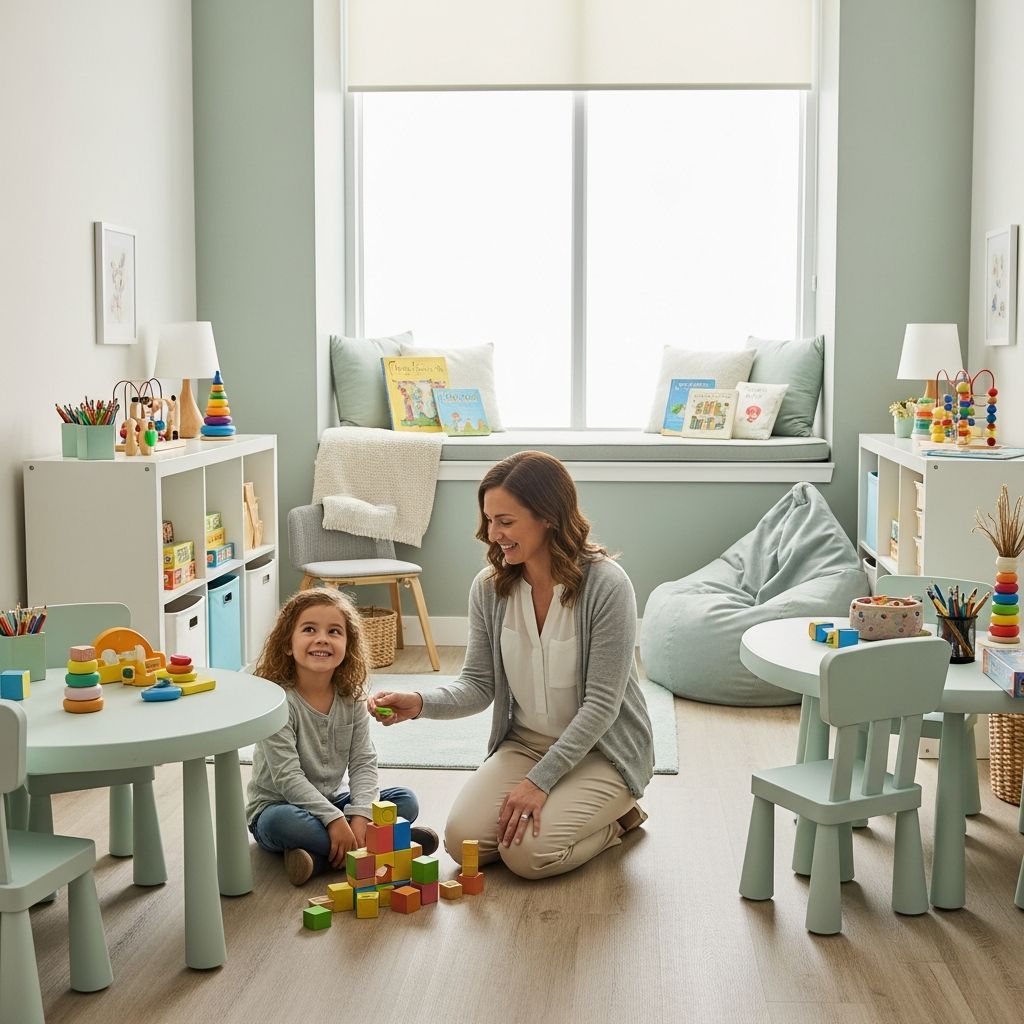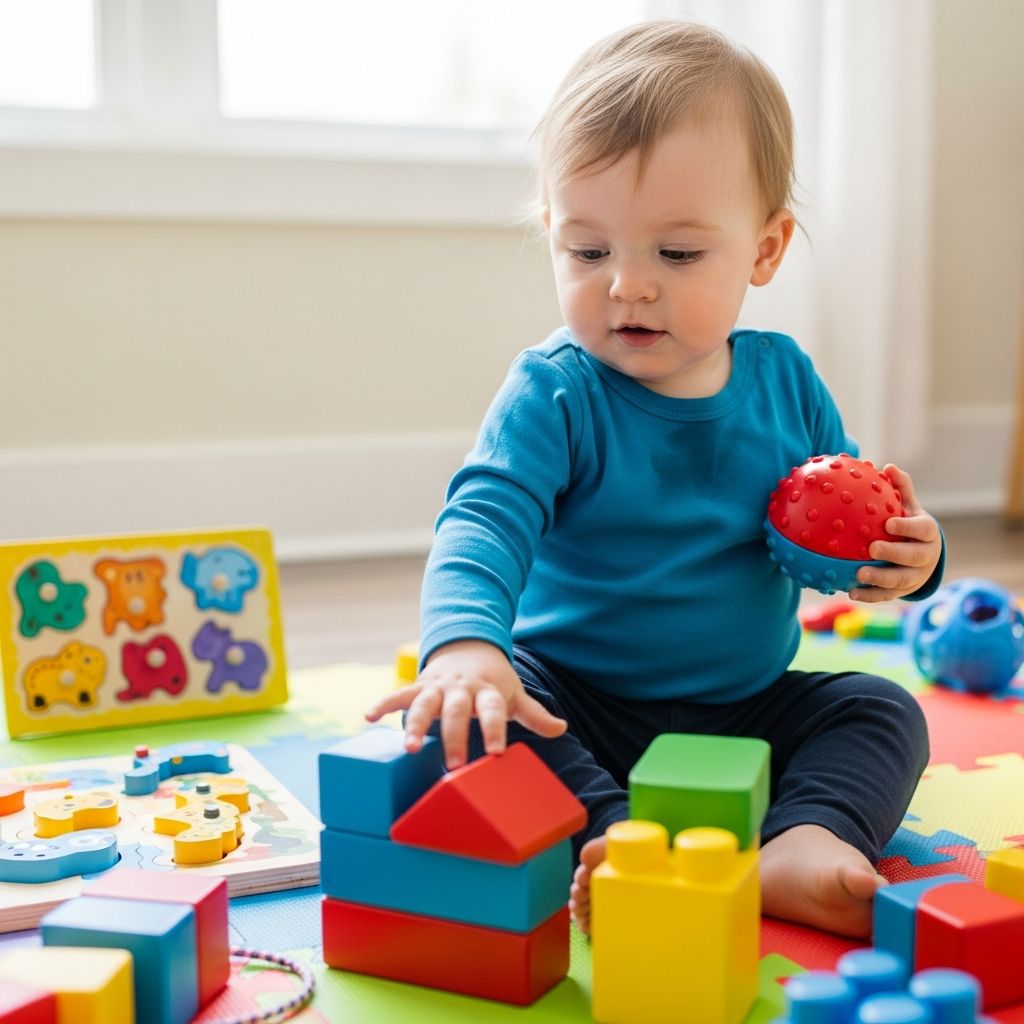
At around 18 months, toddlers are bursting with curiosity, movement, and a strong desire to explore the world on their own terms. This age is full of exciting changes: new words, wobbly running, bigger emotions, and a growing sense of independence. Thoughtfully chosen activities can channel that energy into meaningful play that supports all areas of development.
This guide offers original, practical ideas to help caregivers create a day full of simple, fun, and enriching experiences for their 18-month-old children.
Understanding Your 18-Month-Old
Every toddler develops at a unique pace, but many 18-month-olds share common traits: they move constantly, imitate adults, and experiment with new sounds and words. At this age, play is the primary way children learn about their bodies, relationships, and environment.
When choosing activities, aim for experiences that invite exploration rather than demand performance. Simple, repeatable games tend to work best, because toddlers thrive on routine and familiarity.
| Area | Common Abilities | Helpful Activity Types |
|---|---|---|
| Movement | Walking, beginning to run, climbing on low furniture | Obstacle paths, ball play, dancing |
| Fine motor | Pointing, grasping, stacking a few blocks | Stacking games, simple puzzles, safe art tools |
| Language | Using a handful of words, understanding simple phrases | Talking during routines, songs with gestures, picture books |
| Social–emotional | Seeking comfort, copying adults, emerging tantrums | Pretend play, turn-taking games, calm-down rituals |
| Thinking skills | Cause-and-effect experiments, early problem solving | Simple sorting, filling and dumping, hide-and-find games |
Setting Up a Toddler-Friendly Play Space
The environment plays a huge role in how 18-month-olds explore. A safe, uncluttered space with materials they can reach encourages independent play and reduces the need for constant redirection. Focus on a few inviting play stations instead of filling the room with every toy you own.
Rotating toys and activities every week or two can keep interest high without requiring constant new purchases. Simple household items often capture attention as much as store-bought toys.
Key Elements of a Good Play Area
- A soft area for rolling, crawling, and tumbling.
- Low shelves or baskets so your toddler can choose toys independently.
- Sturdy furniture or walls they can use for support when moving.
- A safe space for messy activities, like a washable mat or plastic tablecloth.
- Good lighting and minimal background noise to help focus.
Sensory Exploration Activities
Sensory play gives toddlers a chance to learn through touch, sound, smell, and movement. For an 18-month-old, the goal is not complex projects but simple setups that invite scooping, pouring, squeezing, and experimenting.
Everyday Sensory Bins
Use a shallow plastic container placed on the floor or a low table. Add one safe, supervised material at a time, and stay close while your toddler explores.
- Dry pantry bin: Offer uncooked pasta or oats with a few large spoons and cups. Encourage scooping and pouring while you narrate actions (“in,” “out,” “more,” “all gone”).
- Nature basket: Collect leaves, smooth stones, pinecones, and sticks. Let your child touch, tap, and smell each item while you name textures and colors.
- Soft fabric collection: Fill a basket with scarves, washcloths, and small pieces of different fabrics. Show your toddler how to pull, crumple, and hide objects underneath.
Simple Water Play
Water is one of the most engaging sensory materials for this age. Always supervise closely, even with small amounts of water.
- Fill a shallow tub with a thin layer of water and add measuring cups, sponges, and a few floating toys.
- Show your toddler how to squeeze water from sponges, pour water from cup to cup, and “wash” toy animals or cars.
- Try adding a small towel nearby so your child can help dry hands or toys, building both independence and fine motor skills.
Movement and Gross Motor Fun
At 18 months, many toddlers are on the move all day. Intentional movement games can help them practice balance, coordination, and body awareness while safely burning energy.
Indoor Obstacle Ideas
Turn your living room into a simple course using soft, safe household objects. Keep paths short and repeatable.
- Lay out couch cushions for stepping over or crawling across.
- Place painter’s tape lines on the floor to walk along or jump over.
- Use a low cardboard box as a “tunnel” to crawl through or a target to drop soft balls into.
- Add a “rest stop” such as a small chair where you both pause to take deep breaths before starting again.
Ball Games for Toddlers
Balls are perfect for strengthening coordination and encouraging shared play. Choose soft, lightweight balls that are easy to grasp.
- Roll the ball back and forth while sitting on the floor facing each other.
- Set up a laundry basket as a low “goal” and practice tossing the ball inside from a short distance.
- Encourage gentle kicking by slowly rolling the ball toward your child’s feet and cheering when it moves forward.
Language-Rich Daily Routines
Language learning does not require flashcards or special equipment. The most powerful tool is your voice during everyday routines. At 18 months, many toddlers understand more than they can say, so hearing clear, simple language throughout the day matters.
Talk Through Ordinary Moments
Choose a few routine times—like diaper changes, meals, and getting dressed—to consistently describe what is happening. Keep sentences simple and repeat key words often.
- Name body parts while putting on clothes: “shirt on tummy, socks on feet.”
- Describe actions at mealtime: “stir,” “bite,” “drink,” “wipe.”
- Offer simple choices: “blue cup or green cup?” and pause to let your child respond with words, sounds, or pointing.
Songs, Rhymes, and Gestures
Short songs with repeating phrases and hand motions help toddlers link words, rhythm, and movement. The melody captures attention, and the gestures support understanding.
- Use hand motions to go with familiar songs and invite your toddler to copy you.
- Pause before the final word of a favorite line to give your child a chance to fill in a sound or gesture.
- Repeat the same songs at predictable times, such as during bath or before naps, to build comforting rituals.
Curious Little Hands: Fine Motor Activities
Fine motor skills involve the small muscles in hands and fingers. Strengthening these muscles now lays the foundation for later tasks like drawing, feeding with utensils, and eventually writing.
Simple Everyday Challenges
- Stack and knock: Offer sturdy blocks or stacking cups. Build a small tower and let your toddler knock it down, then encourage them to place pieces on top of each other.
- Fill and dump: Provide a container and a handful of large objects like wooden blocks or big pom-poms. Show how to place items in and then tip the container to spill them out.
- Large-hole posting games: Cut wide slots in a cardboard box and let your child push large lids or cardboard pieces through the openings.
Toddler-Friendly Art
Art at this age is about process, not product. Expect scribbles, smears, and experimentation instead of recognizable pictures.
- Use chunky crayons or washable markers on large paper taped to the table or floor.
- Try finger painting with small amounts of non-toxic paint on a tray or paper; keep wipes or a damp cloth nearby for easy cleanup.
- Offer stickers and show how to peel and press them down, supporting hand strength and hand–eye coordination.
Pretend Play and Social Skills
Pretend play begins in simple ways around this age. An 18-month-old might pretend to feed a doll, talk into a toy phone, or copy how adults sweep the floor. These small moments help develop empathy, flexibility, and understanding of daily life.
Imitation Games
- Place a stuffed animal or doll at the table and pretend to give it a snack or drink, then invite your toddler to try.
- Use a toy phone or an old remote and have a brief “conversation,” pausing so your child can babble or imitate speech.
- Give your toddler a child-sized cloth or soft brush and let them help “clean” surfaces while you do household tasks.
Early Turn-Taking
Taking turns is challenging but introducing it gently now can support later sharing and cooperation.
- Roll a ball back and forth and label turns: “my turn,” “your turn.”
- Take turns stacking blocks: each person adds one block, then the other, until the tower falls.
- Use simple phrases like “wait” and “now you” to connect words with actions.
Outdoor Adventures for 18-Month-Olds
Fresh air often improves mood and sleep, and outdoor spaces offer a rich sensory environment that changes daily. There is no need for elaborate outings; small, regular adventures are enough.
Backyard or Park Ideas
- Walk at toddler pace, stopping to look at leaves, rocks, and bugs. Name what you see and encourage gentle touching when safe.
- Practice climbing on low playground equipment with hands ready nearby for support.
- Draw lines or shapes in dirt or sand with sticks, inviting your child to copy or simply scribble.
Nature Collection and Sorting
Turn a simple walk into a calm learning activity by gathering treasures and examining them together at home.
- Collect a few safe items like leaves, small pinecones, or smooth stones in a basket.
- Back indoors, group items by size, shape, or color, talking about “big” and “small” or “rough” and “smooth.”
- Display the collection on a low shelf or tray so your toddler can revisit and explore again over the next few days.
Using Household Items as Toys
Many of the most engaging toddler activities come from everyday objects. Repurposing safe household items saves money and shows children that creativity matters more than fancy equipment.
Simple Household Play Ideas
- Kitchen band: Offer wooden spoons, silicone spatulas, and a few pots or pans. Explore loud and soft sounds together.
- Cardboard creations: Turn a large box into a tunnel, house, or car. Cut windows, draw doors, and let your child crawl in and out repeatedly.
- Laundry helpers: Give your toddler a small pile of socks to stuff into a basket or pull out of the dryer one by one.
- Container matching: Gather plastic containers with lids and demonstrate how to match and close them. Expect to repeat this many times as coordination improves.
Building Routines Around Play
Predictable routines offer security for 18-month-olds and make the day more manageable for caregivers. Rather than scheduling every minute, anchor the day around a few consistent activity blocks, with flexible free play in between.
Sample Toddler Day Rhythm
| Time of Day | Focus | Activity Ideas |
|---|---|---|
| Morning | High energy | Outdoor walk, obstacle course, ball play |
| Late morning | Quiet focus | Books, stacking games, simple puzzles, snack |
| Afternoon | Moderate energy | Sensory bin, pretend play, helping with chores |
| Evening | Wind-down | Bath, soft music, gentle stories, dim lighting |
Supporting Emotions During Play
Big feelings are a hallmark of this age. Activities can both spark frustration and offer chances to practice calming down. Staying nearby, using simple language, and keeping expectations age-appropriate can make playtime more peaceful.
Comforting Strategies
- Keep some familiar, soothing routines—such as a special song or hug—ready for moments when activities feel overwhelming.
- Choose tasks that are just challenging enough, like stacking a few blocks instead of aiming for a tall tower right away.
- When frustration rises, offer help or suggest a simpler version of the activity rather than insisting your toddler continue.
Frequently Asked Questions
How long should my 18-month-old focus on an activity?
Attention spans at this age are short. Many toddlers will play with a single activity for just a few minutes before moving on. This is normal and does not mean the activity has failed. Keeping materials available so your child can return to them later often works better than pushing for long sessions.
Do I need special educational toys?
Specialized toys are not required for healthy development at 18 months. Open-ended materials like blocks, simple balls, books, and household items provide plenty of learning opportunities. What matters most is the freedom to explore and responsive interaction with caregivers.
How can I balance screen time with play?
If screens are part of your family life, using them sparingly and intentionally is usually more helpful than relying on them for long stretches of entertainment. Prioritizing hands-on play, conversation, and outdoor time gives toddlers the experiences they need to build real-world skills.
What if my child is not interested in these activities?
Disinterest in a particular activity does not mean anything is wrong. Toddlers have strong preferences, and interest can change from day to day. Try offering the same setup at a different time, or adjust it slightly—for example, using different objects or moving the activity to another room.
When should I worry about my child’s development?
Children grow at their own pace, but caregivers know their children best. If there are ongoing concerns about movement, language, interaction, or play skills, speaking with a pediatrician or an early childhood professional can provide guidance and reassurance.
Raising an 18-month-old is both exhausting and magical. By weaving simple, thoughtful activities into everyday life, caregivers can support development while also building strong, joyful connections that last far beyond the toddler years.